
Chesapeake Bay Retriever
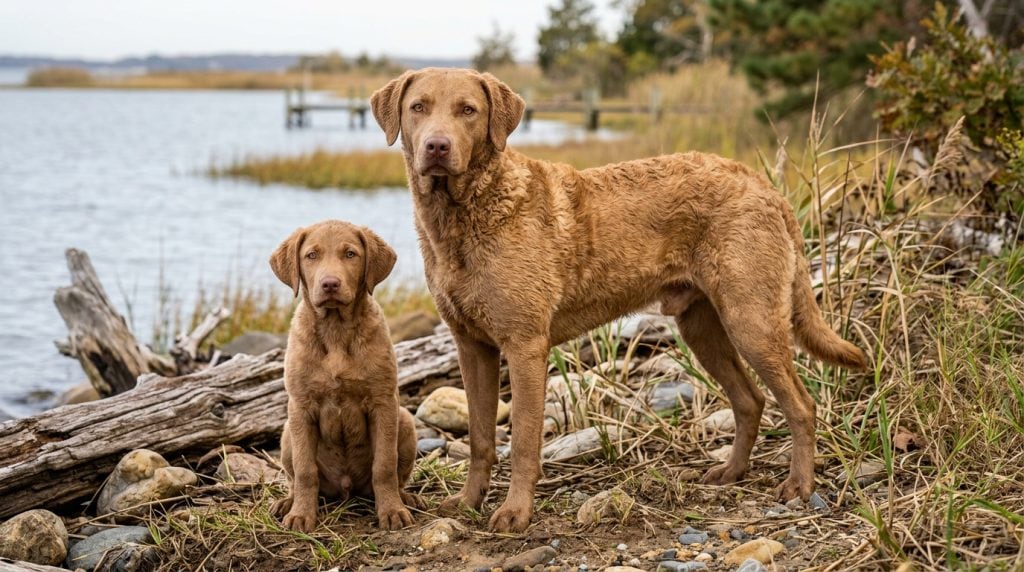
Living with a Chesapeake Bay Retriever often means sharing your home with a dog that is both loyal and independent. They are known for their strong work ethic and love for the outdoors, making them a great companion for active families. Many owners appreciate their protective nature and the deep bond they form with their human companions.
At a glance
Core care
- Size: Large
- Energy: High
- Grooming: Low
- Shedding: Moderate
Support style
- Sensitivity: Moderate
- Training style: Willing
Breed guide
Choose a section to explore. These notes describe common patterns, but individual dogs vary widely.
The Chesapeake Bay Retriever, often affectionately called the ‘Chessie,’ has a rich history rooted in the rugged shores of the Chesapeake Bay. Originally bred for retrieving waterfowl in harsh, icy conditions, these dogs were developed for their resilience and determination. This strong working background is evident today in their tenacity and eagerness to engage in active pursuits, whether it’s a long hike or a vigorous game of fetch.
Physically, the Chesapeake Bay Retriever is a robust and muscular dog, built to withstand the challenges of its early working environment. Their dense, waterproof coat is a hallmark of the breed, providing protection against cold water and rough terrain. In everyday life, this means owners often find their Chessies ready for any outdoor adventure, regardless of the weather. Their size and strength can be impressive, which is something to consider when planning daily activities.
Temperamentally, Chessies are known for their loyalty and protective instincts. Many owners notice that their Chessie is not just a pet but a dedicated family member, often displaying a keen awareness of their surroundings and a desire to keep their loved ones safe. While they can be reserved with strangers, they are typically affectionate and playful with those they know well. This breed’s moderate sensitivity means they often respond well to positive reinforcement and gentle guidance.
It’s important to remember that each Chesapeake Bay Retriever is an individual. While they share common breed traits, factors such as genetics, upbringing, and environment play significant roles in shaping their personalities. Prospective owners should be prepared for a dog that thrives on activity and companionship, understanding that patience and consistency will help bring out the best in their Chessie.
Chesapeake Bay Retrievers are often described as having a strong sense of loyalty and a protective nature. Many owners find that their Chessie forms a deep bond with family members, often acting as a watchful guardian. This protective instinct can be traced back to their origins as working dogs, where they were bred to be both independent and attentive.
In terms of social behaviour, Chessies can be reserved with strangers but are usually warm and affectionate with those they trust. This breed tends to be more independent than some other retrievers, which can sometimes be mistaken for aloofness. However, once a Chessie forms a bond, they are known to be incredibly devoted and loving companions. Their moderate sensitivity means they often pick up on their owners’ moods and respond accordingly.
Chessies are generally willing learners, which makes training a rewarding experience for both dog and owner. They respond well to positive reinforcement methods, particularly when training sessions are engaging and varied. It’s not uncommon for owners to notice their Chessie’s keen intelligence and problem-solving abilities, which can be both a delight and a challenge.
Understanding the Chessie’s temperament involves recognising their need for mental and physical stimulation. They thrive in environments where they can use their natural instincts and skills. While they are generally good-natured, it’s important to provide them with clear boundaries and consistent training to help them understand their role within the family. This approach helps ensure a harmonious relationship that respects the breed’s unique characteristics.
A typical day for a Chesapeake Bay Retriever involves a good deal of physical activity and mental stimulation. These dogs are happiest when they have plenty of opportunities to exercise, whether that’s through long walks, runs, or play sessions in a secure area. Given their high energy levels, it’s not uncommon for Chessies to require more than just a couple of short walks a day to keep them content and well-behaved.
Incorporating mental enrichment into their routine is equally important. Chessies are intelligent dogs that enjoy problem-solving activities and games that challenge their minds. Interactive toys, puzzle feeders, and scent work can be excellent ways to keep them engaged. Many owners find that their Chessie thrives when given tasks that mimic their original working roles, such as retrieving games or agility courses.
As Chessies age, their exercise needs may change, but they generally remain active well into their senior years. It’s important to adjust their routine to accommodate any physical limitations while still providing them with outlets for their energy and intelligence. Regular vet check-ups can help ensure that their exercise regimen remains appropriate for their age and health status.
Owners should be mindful of over-exercising young Chessies, as their joints are still developing. Gradually increasing the intensity and duration of activities is key to preventing injury. Understanding the balance between physical exercise and mental enrichment is crucial to keeping a Chesapeake Bay Retriever happy and healthy throughout their life.
Training a Chesapeake Bay Retriever often feels like working with a partner who is eager to understand and please. Their willingness to learn, combined with their intelligence, makes them responsive to training that is consistent and positive. Many owners find that their Chessie thrives in an environment where training is seen as a fun and rewarding experience for both dog and handler.
Positive reinforcement techniques, such as treats, praise, and play, are particularly effective with this breed. Chessies respond well to training sessions that are engaging and varied, helping to keep their interest and motivation high. It’s important to start training early to establish good habits and ensure that they grow into well-mannered adults.
Adolescence can be a challenging time for Chessies, as their independent streak may become more pronounced. During this stage, maintaining a consistent training routine and reinforcing boundaries is crucial. Patience and understanding are key, as this phase is temporary and with the right guidance, they will emerge as well-adjusted adults.
Building a strong relationship based on trust and respect is fundamental to successful training with a Chessie. They are sensitive to their owner’s emotions and can become confused or anxious if training is harsh or inconsistent. By focusing on clear communication and positive interactions, owners can help their Chessie develop into a confident and obedient companion.
Chesapeake Bay Retrievers tend to thrive in homes where they have plenty of space to move and explore. They are well-suited to active families who enjoy outdoor activities, as their high energy levels and love for adventure make them excellent companions for hiking, running, and other outdoor pursuits. A home with a secure garden can provide them with a safe space to play and burn off energy.
While Chessies can adapt to various living situations, they may not be the best fit for very small apartments unless their exercise needs are met diligently. They do best in environments where they can be part of family activities and have regular opportunities for physical and mental stimulation.
When it comes to living with children and other pets, Chessies are generally good-natured and can form strong bonds. However, their protective instincts mean that early socialisation is important to ensure they are comfortable and relaxed in different situations. Supervision around young children is advised, as their size and enthusiasm can sometimes be overwhelming.
Prospective owners should consider their own lifestyle and activity levels when thinking about bringing a Chessie into their home. This breed tends to do well with owners who can provide the time, energy, and commitment needed to meet their needs. Understanding that a Chesapeake Bay Retriever is not just a pet but a devoted family member can help ensure a fulfilling relationship for both dog and owner.
The overall health of a Chesapeake Bay Retriever is closely linked to their everyday wellbeing. Regular exercise, a balanced diet, and routine veterinary care are essential components of maintaining their health. Owners often find that a healthy Chessie is a happy and active companion, eager to participate in family activities.
Like many breeds, Chessies can be prone to certain health issues, such as hip dysplasia and eye conditions. Regular vet check-ups and screenings can help catch any potential problems early, allowing for timely intervention and management. Understanding these risks and taking preventive measures can help ensure a long and healthy life for your Chessie.
Health also plays a role in behaviour, as a dog that is feeling unwell may become withdrawn or irritable. Owners should be attentive to changes in their Chessie’s behaviour, as these can sometimes indicate underlying health issues. Maintaining a routine of regular grooming and health checks can help catch any signs of discomfort or illness early.
It’s important for owners to be informed about the specific health needs of their Chesapeake Bay Retriever. Resources such as breed clubs and veterinary professionals can provide valuable information and support. Being proactive about health care and understanding the unique needs of this breed can help ensure that your Chessie remains a healthy and happy member of the family.
The Chesapeake Bay Retriever’s history is deeply intertwined with the rugged and demanding environment of the Chesapeake Bay area in the United States. This breed was developed in the early 19th century, primarily for retrieving waterfowl in the challenging conditions of icy waters and rough landscapes. Their origins can be traced back to two Newfoundland dogs that survived a shipwreck off the coast of Maryland, which were then bred with local dogs to create a resilient and capable retriever.
The breed’s development focused on creating a dog that could withstand the harsh elements and work tirelessly alongside hunters. Their strong swimming ability, endurance, and keen sense of smell made them invaluable for retrieving ducks and geese. These traits are still evident today, as many Chessies retain a love for water and a strong work ethic.
As the breed evolved, their distinctive coat became a defining feature, providing protection against the cold and wet conditions they were bred to endure. This practical aspect of their history is something owners still appreciate, as it contributes to their ability to enjoy outdoor activities regardless of the weather.
Understanding the Chesapeake Bay Retriever’s origins helps explain many of their modern traits, such as their independent nature and protective instincts. These dogs were bred to think for themselves while working, which is reflected in their sometimes reserved demeanour. However, their loyalty and dedication to their families remain as strong as ever, making them cherished companions for those who appreciate their unique history and capabilities.
What shapes individual dogs
- Early social experiences
- Training approach
- Environment & routine
- Genetics & breeding
- Health & pain
- Age / life stage
The Chesapeake Bay Retriever, often affectionately called the ‘Chessie,’ has a rich history rooted in the rugged shores of the Chesapeake Bay. Originally bred for retrieving waterfowl in harsh, icy conditions, these dogs were developed for their resilience and determination. This strong working background is evident today in their tenacity and eagerness to engage in active pursuits, whether it’s a long hike or a vigorous game of fetch.
Physically, the Chesapeake Bay Retriever is a robust and muscular dog, built to withstand the challenges of its early working environment. Their dense, waterproof coat is a hallmark of the breed, providing protection against cold water and rough terrain. In everyday life, this means owners often find their Chessies ready for any outdoor adventure, regardless of the weather. Their size and strength can be impressive, which is something to consider when planning daily activities.
Temperamentally, Chessies are known for their loyalty and protective instincts. Many owners notice that their Chessie is not just a pet but a dedicated family member, often displaying a keen awareness of their surroundings and a desire to keep their loved ones safe. While they can be reserved with strangers, they are typically affectionate and playful with those they know well. This breed’s moderate sensitivity means they often respond well to positive reinforcement and gentle guidance.
It’s important to remember that each Chesapeake Bay Retriever is an individual. While they share common breed traits, factors such as genetics, upbringing, and environment play significant roles in shaping their personalities. Prospective owners should be prepared for a dog that thrives on activity and companionship, understanding that patience and consistency will help bring out the best in their Chessie.
Chesapeake Bay Retrievers are often described as having a strong sense of loyalty and a protective nature. Many owners find that their Chessie forms a deep bond with family members, often acting as a watchful guardian. This protective instinct can be traced back to their origins as working dogs, where they were bred to be both independent and attentive.
In terms of social behaviour, Chessies can be reserved with strangers but are usually warm and affectionate with those they trust. This breed tends to be more independent than some other retrievers, which can sometimes be mistaken for aloofness. However, once a Chessie forms a bond, they are known to be incredibly devoted and loving companions. Their moderate sensitivity means they often pick up on their owners’ moods and respond accordingly.
Chessies are generally willing learners, which makes training a rewarding experience for both dog and owner. They respond well to positive reinforcement methods, particularly when training sessions are engaging and varied. It’s not uncommon for owners to notice their Chessie’s keen intelligence and problem-solving abilities, which can be both a delight and a challenge.
Understanding the Chessie’s temperament involves recognising their need for mental and physical stimulation. They thrive in environments where they can use their natural instincts and skills. While they are generally good-natured, it’s important to provide them with clear boundaries and consistent training to help them understand their role within the family. This approach helps ensure a harmonious relationship that respects the breed’s unique characteristics.
A typical day for a Chesapeake Bay Retriever involves a good deal of physical activity and mental stimulation. These dogs are happiest when they have plenty of opportunities to exercise, whether that’s through long walks, runs, or play sessions in a secure area. Given their high energy levels, it’s not uncommon for Chessies to require more than just a couple of short walks a day to keep them content and well-behaved.
Incorporating mental enrichment into their routine is equally important. Chessies are intelligent dogs that enjoy problem-solving activities and games that challenge their minds. Interactive toys, puzzle feeders, and scent work can be excellent ways to keep them engaged. Many owners find that their Chessie thrives when given tasks that mimic their original working roles, such as retrieving games or agility courses.
As Chessies age, their exercise needs may change, but they generally remain active well into their senior years. It’s important to adjust their routine to accommodate any physical limitations while still providing them with outlets for their energy and intelligence. Regular vet check-ups can help ensure that their exercise regimen remains appropriate for their age and health status.
Owners should be mindful of over-exercising young Chessies, as their joints are still developing. Gradually increasing the intensity and duration of activities is key to preventing injury. Understanding the balance between physical exercise and mental enrichment is crucial to keeping a Chesapeake Bay Retriever happy and healthy throughout their life.
Training a Chesapeake Bay Retriever often feels like working with a partner who is eager to understand and please. Their willingness to learn, combined with their intelligence, makes them responsive to training that is consistent and positive. Many owners find that their Chessie thrives in an environment where training is seen as a fun and rewarding experience for both dog and handler.
Positive reinforcement techniques, such as treats, praise, and play, are particularly effective with this breed. Chessies respond well to training sessions that are engaging and varied, helping to keep their interest and motivation high. It’s important to start training early to establish good habits and ensure that they grow into well-mannered adults.
Adolescence can be a challenging time for Chessies, as their independent streak may become more pronounced. During this stage, maintaining a consistent training routine and reinforcing boundaries is crucial. Patience and understanding are key, as this phase is temporary and with the right guidance, they will emerge as well-adjusted adults.
Building a strong relationship based on trust and respect is fundamental to successful training with a Chessie. They are sensitive to their owner’s emotions and can become confused or anxious if training is harsh or inconsistent. By focusing on clear communication and positive interactions, owners can help their Chessie develop into a confident and obedient companion.
Chesapeake Bay Retrievers tend to thrive in homes where they have plenty of space to move and explore. They are well-suited to active families who enjoy outdoor activities, as their high energy levels and love for adventure make them excellent companions for hiking, running, and other outdoor pursuits. A home with a secure garden can provide them with a safe space to play and burn off energy.
While Chessies can adapt to various living situations, they may not be the best fit for very small apartments unless their exercise needs are met diligently. They do best in environments where they can be part of family activities and have regular opportunities for physical and mental stimulation.
When it comes to living with children and other pets, Chessies are generally good-natured and can form strong bonds. However, their protective instincts mean that early socialisation is important to ensure they are comfortable and relaxed in different situations. Supervision around young children is advised, as their size and enthusiasm can sometimes be overwhelming.
Prospective owners should consider their own lifestyle and activity levels when thinking about bringing a Chessie into their home. This breed tends to do well with owners who can provide the time, energy, and commitment needed to meet their needs. Understanding that a Chesapeake Bay Retriever is not just a pet but a devoted family member can help ensure a fulfilling relationship for both dog and owner.
The overall health of a Chesapeake Bay Retriever is closely linked to their everyday wellbeing. Regular exercise, a balanced diet, and routine veterinary care are essential components of maintaining their health. Owners often find that a healthy Chessie is a happy and active companion, eager to participate in family activities.
Like many breeds, Chessies can be prone to certain health issues, such as hip dysplasia and eye conditions. Regular vet check-ups and screenings can help catch any potential problems early, allowing for timely intervention and management. Understanding these risks and taking preventive measures can help ensure a long and healthy life for your Chessie.
Health also plays a role in behaviour, as a dog that is feeling unwell may become withdrawn or irritable. Owners should be attentive to changes in their Chessie’s behaviour, as these can sometimes indicate underlying health issues. Maintaining a routine of regular grooming and health checks can help catch any signs of discomfort or illness early.
It’s important for owners to be informed about the specific health needs of their Chesapeake Bay Retriever. Resources such as breed clubs and veterinary professionals can provide valuable information and support. Being proactive about health care and understanding the unique needs of this breed can help ensure that your Chessie remains a healthy and happy member of the family.
The Chesapeake Bay Retriever’s history is deeply intertwined with the rugged and demanding environment of the Chesapeake Bay area in the United States. This breed was developed in the early 19th century, primarily for retrieving waterfowl in the challenging conditions of icy waters and rough landscapes. Their origins can be traced back to two Newfoundland dogs that survived a shipwreck off the coast of Maryland, which were then bred with local dogs to create a resilient and capable retriever.
The breed’s development focused on creating a dog that could withstand the harsh elements and work tirelessly alongside hunters. Their strong swimming ability, endurance, and keen sense of smell made them invaluable for retrieving ducks and geese. These traits are still evident today, as many Chessies retain a love for water and a strong work ethic.
As the breed evolved, their distinctive coat became a defining feature, providing protection against the cold and wet conditions they were bred to endure. This practical aspect of their history is something owners still appreciate, as it contributes to their ability to enjoy outdoor activities regardless of the weather.
Understanding the Chesapeake Bay Retriever’s origins helps explain many of their modern traits, such as their independent nature and protective instincts. These dogs were bred to think for themselves while working, which is reflected in their sometimes reserved demeanour. However, their loyalty and dedication to their families remain as strong as ever, making them cherished companions for those who appreciate their unique history and capabilities.
What shapes individual dogs
- Early social experiences
- Training approach
- Environment & routine
- Genetics & breeding
- Health & pain
- Age / life stage
Want support with this?
This course is relevant for Chesapeake Bay Retriever owners to better understand their dog's complex temperament and behaviour nuances.