
Australian Terrier
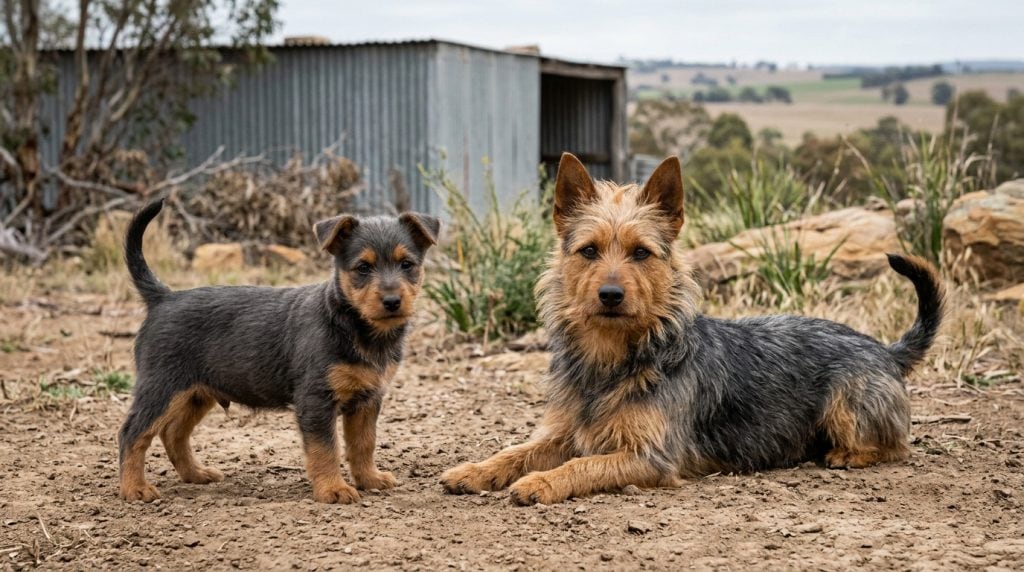
Living with an Australian Terrier often means sharing your space with a lively and curious companion. They are known for their spirited nature and eagerness to be involved in family activities. Despite their small size, they have a big personality that can fill a room with energy and affection.
At a glance
Core care
- Size: Small
- Energy: Moderate to high
- Grooming: Low
- Shedding: Low
Support style
- Sensitivity: Moderate
- Training style: Willing
Breed guide
Choose a section to explore. These notes describe common patterns, but individual dogs vary widely.
The Australian Terrier was originally bred to be a versatile working dog, adept at controlling vermin and providing companionship in the rugged Australian outback. This history of hard work and adaptability is still evident in the breed today, as they often display a keen intelligence and a spirited nature. These traits make them both engaging companions and effective watchdogs, always ready to alert their owners to any unusual happenings.
Physically, Australian Terriers are small but sturdy, with a weather-resistant coat that was developed to withstand the harsh elements of their homeland. This practical coat means they are well-suited to a variety of climates and require minimal grooming. Their small size makes them ideal for both city living and country life, as they can comfortably fit into smaller spaces while still enjoying outdoor adventures.
In terms of temperament, Australian Terriers are known for their lively and affectionate nature. They often form strong bonds with their families and enjoy being involved in daily activities. While they are generally friendly, they can be reserved with strangers, a trait that makes them excellent watchdogs. Their moderate sensitivity means they respond well to gentle training methods and thrive in environments where they feel secure and loved.
It’s important for potential owners to remember that, like all breeds, individual Australian Terriers can vary in personality and behaviour. Factors such as genetics, early socialisation, and environment all play a role in shaping each dog’s unique character. Prospective owners should be prepared for a dog that is both energetic and affectionate, with a strong desire to be part of family life.
Australian Terriers often display a delightful mix of independence and affection, making them unique companions. They are known for their spirited nature, which can manifest as a playful curiosity about their surroundings. Owners frequently notice their terrier’s eagerness to explore and engage with the world around them, whether that means investigating a new scent in the garden or enthusiastically greeting a visitor.
This breed’s social motivations are rooted in their history as both working dogs and companions. They tend to form strong bonds with their families and enjoy being involved in household activities. Their moderate sensitivity means they are generally attuned to the moods and emotions of their human companions, often providing comfort and companionship when needed.
Despite their small size, Australian Terriers can be quite assertive, especially when it comes to protecting their home and family. This protective streak is balanced by their generally friendly nature, making them approachable and engaging with those they know well. However, they can be a bit reserved with strangers, which is something owners often notice when introducing them to new people.
Training an Australian Terrier can be a rewarding experience due to their willingness to learn and their responsive nature. They thrive on positive reinforcement and enjoy the mental stimulation that training provides. While they are generally eager to please, it’s important for owners to remain patient and consistent, as each dog may have its own pace and preferences when it comes to learning new skills.
A typical day for an Australian Terrier often includes a mix of physical activity and mental stimulation. These dogs have moderate to high energy levels, which means they benefit from regular walks and play sessions. A brisk walk around the neighbourhood or a game of fetch in the garden can help satisfy their need for physical exercise. Owners often find that these activities not only tire out their terrier but also provide an opportunity for bonding.
Mental enrichment is equally important for this intelligent breed. Puzzle toys, training exercises, and interactive games can help keep their minds sharp and engaged. Many Australian Terriers enjoy activities that challenge their problem-solving skills, such as scent work or agility courses. These activities can be a fun way to channel their natural curiosity and prevent boredom.
As with any breed, the exercise needs of an Australian Terrier can change throughout their life. Puppies and young adults tend to have higher energy levels and may require more frequent activity to keep them content. As they age, their exercise routine may need to be adjusted to accommodate any health changes or mobility issues. It’s important for owners to be attuned to their dog’s needs and adapt their routine accordingly.
While Australian Terriers are generally adaptable, it’s important to avoid over-exercising them, especially in extreme weather conditions. Their small size means they can be sensitive to heat and cold, so it’s best to plan activities during milder parts of the day. By providing a balanced mix of physical and mental stimulation, owners can help ensure their Australian Terrier remains happy and healthy.
Training an Australian Terrier often feels like a partnership, as these dogs are both willing and eager to learn. Owners frequently find that positive reinforcement techniques work best, as this breed responds well to praise and rewards. The key to successful training is consistency and patience, as Australian Terriers can sometimes be a bit stubborn, a trait inherited from their terrier lineage.
Impulse control can be a challenge during the adolescent phase, as these spirited dogs may test boundaries and explore their independence. It’s during this time that consistent training and clear communication become crucial. By setting firm but fair boundaries, owners can help their terrier navigate this developmental stage with confidence.
Establishing a strong relationship with an Australian Terrier is essential for effective training. They thrive in environments where they feel secure and understood, and where their natural curiosity is encouraged. Training sessions that are short, engaging, and varied can help maintain their interest and prevent boredom.
For those new to the breed or dog training in general, enrolling in a course like ‘Puppy Beginnings: Building a Calm Start’ can provide valuable insights and techniques. This course can help owners build a solid foundation for their terrier’s training journey, ensuring they grow into well-mannered and confident adults. With the right approach and support, training an Australian Terrier can be a rewarding experience for both dog and owner.
Australian Terriers tend to adapt well to a variety of living environments, making them versatile companions. Whether in a bustling city flat or a spacious country home, they often find ways to make themselves comfortable. Their small size allows them to thrive in smaller spaces, but they still appreciate regular outdoor activities to satisfy their energetic nature.
Owners often find that Australian Terriers integrate well into family life, enjoying the company of both adults and children. While they are generally good with kids, it’s important to supervise interactions to ensure play remains safe and respectful. Their playful nature can make them delightful companions for older children who understand how to interact with dogs.
When it comes to other pets, Australian Terriers can coexist peacefully, especially if they are introduced to them from a young age. However, their terrier instincts may lead them to chase smaller animals, so careful introductions and supervision are recommended. With the right socialisation, they can learn to share their home with other pets.
Ultimately, the Australian Terrier’s adaptability and affectionate nature make them suitable for a range of lifestyles. Prospective owners should consider their own activity levels and living situation to ensure they can meet the needs of this lively breed. By providing a loving and engaging environment, owners can enjoy a rewarding relationship with their Australian Terrier.
The health of an Australian Terrier is closely linked to their overall wellbeing and quality of life. Like all breeds, they can be prone to certain health issues, so regular veterinary check-ups are essential to monitor their health and catch any potential problems early. Preventive care, such as vaccinations and parasite control, plays a crucial role in maintaining their health.
Some health considerations for Australian Terriers include patellar luxation, a condition affecting the kneecap, and certain skin issues. Being aware of these potential concerns can help owners take proactive steps to manage their dog’s health. Regular exercise and a balanced diet also contribute to their wellbeing, helping to maintain a healthy weight and prevent obesity-related issues.
Behavioural changes can sometimes be an indicator of health problems. Owners should be observant of any sudden changes in their terrier’s behaviour, such as lethargy, loss of appetite, or unusual aggression, as these may warrant a visit to the vet. Early intervention can often make a significant difference in the outcome of many health issues.
Overall, a proactive approach to health care, combined with a loving and attentive home environment, can help ensure that an Australian Terrier enjoys a long and healthy life. By staying informed and working closely with their veterinarian, owners can provide the best possible care for their canine companion.
The Australian Terrier’s history is deeply rooted in the rugged landscapes of Australia, where they were developed as versatile working dogs. Bred to control vermin and snakes, they were invaluable on farms and in homes, providing both companionship and protection. Their origins can be traced back to the early 19th century when settlers needed a hardy and adaptable dog to help manage the challenges of the Australian environment.
The breed was developed from a mix of terriers brought over from Britain, including the Cairn Terrier and the Dandie Dinmont Terrier. These breeds contributed to the Australian Terrier’s robust nature and keen hunting instincts. Over time, the breed was refined to suit the specific needs of the Australian settlers, resulting in a dog that was both a capable worker and a loyal companion.
The Australian Terrier’s history as a working dog is still evident in their behaviour today. They are known for their alertness and intelligence, traits that made them effective at their original tasks. This background helps explain their energetic nature and their tendency to be protective of their home and family.
Understanding the Australian Terrier’s history provides valuable insights into their modern-day characteristics. Their adaptability, resilience, and affectionate nature are all traits that have been shaped by their past. For owners, this means living with a dog that is both spirited and devoted, with a strong desire to be involved in family life.
What shapes individual dogs
- Early social experiences
- Training approach
- Environment & routine
- Genetics & breeding
- Health & pain
- Age / life stage
The Australian Terrier was originally bred to be a versatile working dog, adept at controlling vermin and providing companionship in the rugged Australian outback. This history of hard work and adaptability is still evident in the breed today, as they often display a keen intelligence and a spirited nature. These traits make them both engaging companions and effective watchdogs, always ready to alert their owners to any unusual happenings.
Physically, Australian Terriers are small but sturdy, with a weather-resistant coat that was developed to withstand the harsh elements of their homeland. This practical coat means they are well-suited to a variety of climates and require minimal grooming. Their small size makes them ideal for both city living and country life, as they can comfortably fit into smaller spaces while still enjoying outdoor adventures.
In terms of temperament, Australian Terriers are known for their lively and affectionate nature. They often form strong bonds with their families and enjoy being involved in daily activities. While they are generally friendly, they can be reserved with strangers, a trait that makes them excellent watchdogs. Their moderate sensitivity means they respond well to gentle training methods and thrive in environments where they feel secure and loved.
It’s important for potential owners to remember that, like all breeds, individual Australian Terriers can vary in personality and behaviour. Factors such as genetics, early socialisation, and environment all play a role in shaping each dog’s unique character. Prospective owners should be prepared for a dog that is both energetic and affectionate, with a strong desire to be part of family life.
Australian Terriers often display a delightful mix of independence and affection, making them unique companions. They are known for their spirited nature, which can manifest as a playful curiosity about their surroundings. Owners frequently notice their terrier’s eagerness to explore and engage with the world around them, whether that means investigating a new scent in the garden or enthusiastically greeting a visitor.
This breed’s social motivations are rooted in their history as both working dogs and companions. They tend to form strong bonds with their families and enjoy being involved in household activities. Their moderate sensitivity means they are generally attuned to the moods and emotions of their human companions, often providing comfort and companionship when needed.
Despite their small size, Australian Terriers can be quite assertive, especially when it comes to protecting their home and family. This protective streak is balanced by their generally friendly nature, making them approachable and engaging with those they know well. However, they can be a bit reserved with strangers, which is something owners often notice when introducing them to new people.
Training an Australian Terrier can be a rewarding experience due to their willingness to learn and their responsive nature. They thrive on positive reinforcement and enjoy the mental stimulation that training provides. While they are generally eager to please, it’s important for owners to remain patient and consistent, as each dog may have its own pace and preferences when it comes to learning new skills.
A typical day for an Australian Terrier often includes a mix of physical activity and mental stimulation. These dogs have moderate to high energy levels, which means they benefit from regular walks and play sessions. A brisk walk around the neighbourhood or a game of fetch in the garden can help satisfy their need for physical exercise. Owners often find that these activities not only tire out their terrier but also provide an opportunity for bonding.
Mental enrichment is equally important for this intelligent breed. Puzzle toys, training exercises, and interactive games can help keep their minds sharp and engaged. Many Australian Terriers enjoy activities that challenge their problem-solving skills, such as scent work or agility courses. These activities can be a fun way to channel their natural curiosity and prevent boredom.
As with any breed, the exercise needs of an Australian Terrier can change throughout their life. Puppies and young adults tend to have higher energy levels and may require more frequent activity to keep them content. As they age, their exercise routine may need to be adjusted to accommodate any health changes or mobility issues. It’s important for owners to be attuned to their dog’s needs and adapt their routine accordingly.
While Australian Terriers are generally adaptable, it’s important to avoid over-exercising them, especially in extreme weather conditions. Their small size means they can be sensitive to heat and cold, so it’s best to plan activities during milder parts of the day. By providing a balanced mix of physical and mental stimulation, owners can help ensure their Australian Terrier remains happy and healthy.
Training an Australian Terrier often feels like a partnership, as these dogs are both willing and eager to learn. Owners frequently find that positive reinforcement techniques work best, as this breed responds well to praise and rewards. The key to successful training is consistency and patience, as Australian Terriers can sometimes be a bit stubborn, a trait inherited from their terrier lineage.
Impulse control can be a challenge during the adolescent phase, as these spirited dogs may test boundaries and explore their independence. It’s during this time that consistent training and clear communication become crucial. By setting firm but fair boundaries, owners can help their terrier navigate this developmental stage with confidence.
Establishing a strong relationship with an Australian Terrier is essential for effective training. They thrive in environments where they feel secure and understood, and where their natural curiosity is encouraged. Training sessions that are short, engaging, and varied can help maintain their interest and prevent boredom.
For those new to the breed or dog training in general, enrolling in a course like ‘Puppy Beginnings: Building a Calm Start’ can provide valuable insights and techniques. This course can help owners build a solid foundation for their terrier’s training journey, ensuring they grow into well-mannered and confident adults. With the right approach and support, training an Australian Terrier can be a rewarding experience for both dog and owner.
Australian Terriers tend to adapt well to a variety of living environments, making them versatile companions. Whether in a bustling city flat or a spacious country home, they often find ways to make themselves comfortable. Their small size allows them to thrive in smaller spaces, but they still appreciate regular outdoor activities to satisfy their energetic nature.
Owners often find that Australian Terriers integrate well into family life, enjoying the company of both adults and children. While they are generally good with kids, it’s important to supervise interactions to ensure play remains safe and respectful. Their playful nature can make them delightful companions for older children who understand how to interact with dogs.
When it comes to other pets, Australian Terriers can coexist peacefully, especially if they are introduced to them from a young age. However, their terrier instincts may lead them to chase smaller animals, so careful introductions and supervision are recommended. With the right socialisation, they can learn to share their home with other pets.
Ultimately, the Australian Terrier’s adaptability and affectionate nature make them suitable for a range of lifestyles. Prospective owners should consider their own activity levels and living situation to ensure they can meet the needs of this lively breed. By providing a loving and engaging environment, owners can enjoy a rewarding relationship with their Australian Terrier.
The health of an Australian Terrier is closely linked to their overall wellbeing and quality of life. Like all breeds, they can be prone to certain health issues, so regular veterinary check-ups are essential to monitor their health and catch any potential problems early. Preventive care, such as vaccinations and parasite control, plays a crucial role in maintaining their health.
Some health considerations for Australian Terriers include patellar luxation, a condition affecting the kneecap, and certain skin issues. Being aware of these potential concerns can help owners take proactive steps to manage their dog’s health. Regular exercise and a balanced diet also contribute to their wellbeing, helping to maintain a healthy weight and prevent obesity-related issues.
Behavioural changes can sometimes be an indicator of health problems. Owners should be observant of any sudden changes in their terrier’s behaviour, such as lethargy, loss of appetite, or unusual aggression, as these may warrant a visit to the vet. Early intervention can often make a significant difference in the outcome of many health issues.
Overall, a proactive approach to health care, combined with a loving and attentive home environment, can help ensure that an Australian Terrier enjoys a long and healthy life. By staying informed and working closely with their veterinarian, owners can provide the best possible care for their canine companion.
The Australian Terrier’s history is deeply rooted in the rugged landscapes of Australia, where they were developed as versatile working dogs. Bred to control vermin and snakes, they were invaluable on farms and in homes, providing both companionship and protection. Their origins can be traced back to the early 19th century when settlers needed a hardy and adaptable dog to help manage the challenges of the Australian environment.
The breed was developed from a mix of terriers brought over from Britain, including the Cairn Terrier and the Dandie Dinmont Terrier. These breeds contributed to the Australian Terrier’s robust nature and keen hunting instincts. Over time, the breed was refined to suit the specific needs of the Australian settlers, resulting in a dog that was both a capable worker and a loyal companion.
The Australian Terrier’s history as a working dog is still evident in their behaviour today. They are known for their alertness and intelligence, traits that made them effective at their original tasks. This background helps explain their energetic nature and their tendency to be protective of their home and family.
Understanding the Australian Terrier’s history provides valuable insights into their modern-day characteristics. Their adaptability, resilience, and affectionate nature are all traits that have been shaped by their past. For owners, this means living with a dog that is both spirited and devoted, with a strong desire to be involved in family life.
What shapes individual dogs
- Early social experiences
- Training approach
- Environment & routine
- Genetics & breeding
- Health & pain
- Age / life stage
Want support with this?
This course is ideal for new Australian Terrier owners looking to establish a strong foundation in training and behaviour management.