
Affenpinscher
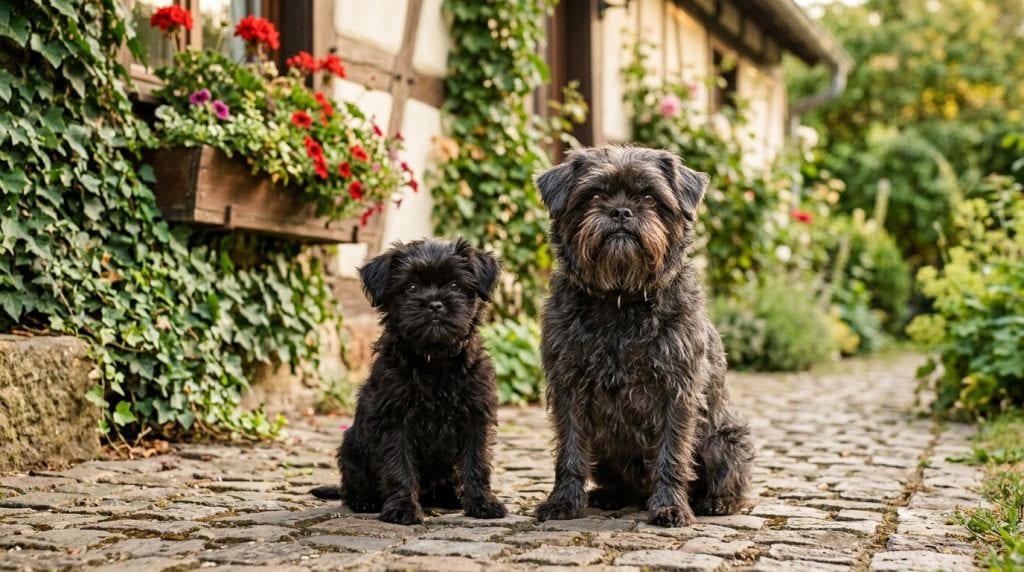
Living with an Affenpinscher is like sharing your space with a spirited little companion who often appears to have a mind of their own. Their distinct personality, marked by a mix of curiosity and independence, often leads them to explore their surroundings with a boldness that belies their small stature. Many owners find that their Affenpinscher is both a source of amusement and a steadfast friend, always ready to join in on whatever the day brings.
At a glance
Core care
- Size: Small
- Energy: Moderate
- Grooming: Low
- Shedding: Low
Support style
- Sensitivity: Moderate
- Training style: Independent
Breed guide
Choose a section to explore. These notes describe common patterns, but individual dogs vary widely.
The Affenpinscher, with its roots as a ratting dog in Germany, has a history that speaks to its tenacity and spirited nature. Originally bred to keep kitchens and stables free of rodents, this breed’s alertness and courage were essential traits. Today, these characteristics translate into a dog that is both lively and inquisitive, often keen to explore its environment and engage with its family. This historical backdrop sets the stage for a breed that is both entertaining and endearing to live with.
Physically, the Affenpinscher is a small dog, typically weighing between 3 and 6 kilograms, with a distinctive monkey-like face that often draws smiles and comments. Their wiry coat requires regular grooming to maintain its unique texture and appearance. Despite their diminutive size, they carry themselves with a certain dignity and confidence, often strutting around as if they are much larger than they appear. This physical presence, combined with their expressive eyes, makes them a captivating addition to any household.
In terms of temperament, Affenpinschers are known for their independence and sometimes stubborn streak. Owners often notice that their Affenpinscher can be quite determined, especially when they set their mind on something. However, this independence is often balanced by a playful and affectionate side, making them delightful companions. They are generally good with other pets, although their bold nature means they might try to assert themselves, regardless of size.
Living with an Affenpinscher requires an appreciation for their unique blend of independence and affection. While they are not always the easiest to train due to their independent nature, their loyalty and playful spirit are well worth the effort. It’s important for potential owners to remember that, like all breeds, individual Affenpinschers can vary in personality and behaviour, influenced by factors such as upbringing and environment.
Affenpinschers often exhibit a social nature that is both engaging and entertaining. Their curiosity about the world around them means they frequently want to be involved in whatever their family is doing. This social inclination stems from their history as companions and ratters, where being alert and engaged was part of their daily life. Owners often find that their Affenpinscher is happiest when they feel included in family activities, whether that’s a walk in the park or a quiet evening at home.
Despite their social tendencies, Affenpinschers are also known for their independent streak. This can sometimes manifest as stubbornness, especially when they are not in the mood to follow commands. Understanding this aspect of their personality is crucial for owners, as it requires a balance of patience and consistency in training. Many find that positive reinforcement techniques work well, as these dogs respond better to encouragement than to harsh corrections.
Sensitivity in Affenpinschers is moderate, meaning they can be quite perceptive of their owner’s moods and the environment around them. This sensitivity can be a double-edged sword; while it means they can be very attuned to their family’s emotions, it also means they may become anxious if there is too much chaos or tension. Owners often notice that a calm, structured environment helps their Affenpinscher feel secure and content.
Trainability in Affenpinschers is often described as independent, which can be both a challenge and a delight. They have the capacity to learn a variety of commands and tricks, but their willingness to do so often depends on their mood and the approach taken by the owner. Consistent, positive training methods that engage their curiosity and intelligence tend to yield the best results, helping to foster a well-behaved and happy companion.
A typical day for an Affenpinscher involves a mix of moderate activity and plenty of mental stimulation. While they don’t require the intense exercise needs of larger breeds, they do benefit from regular walks and play sessions that allow them to burn off energy and satisfy their natural curiosity. Owners often find that short, frequent walks combined with interactive playtime works well to keep their Affenpinscher happy and healthy.
In addition to physical exercise, mental enrichment is crucial for this intelligent breed. Puzzle toys, interactive games, and training sessions can help keep their minds sharp and engaged. Many owners enjoy teaching their Affenpinscher new tricks or commands, which not only provides mental stimulation but also strengthens the bond between dog and owner. It’s important to vary activities to prevent boredom, as Affenpinschers can become restless if not adequately challenged.
As Affenpinschers age, their exercise needs may change. Older dogs might not require as much physical activity but will still benefit from gentle walks and mental stimulation. It’s important to adjust their routine to accommodate any age-related changes in energy levels or mobility. Owners often find that maintaining a consistent but adaptable routine helps their Affenpinscher remain content and healthy throughout their life.
While Affenpinschers are generally adaptable, it’s important to avoid over-exercising them, especially in extreme weather conditions. Their small size makes them more susceptible to heat and cold, so it’s crucial to ensure they are comfortable and safe during outdoor activities. By paying attention to their individual needs and preferences, owners can create a balanced routine that supports their Affenpinscher’s overall wellbeing.
Training an Affenpinscher often feels like a dance between patience and persistence. Their independent nature can sometimes make them seem aloof to commands, but with the right approach, they can be quite responsive. Many owners find that training sessions that are short, fun, and varied tend to hold their dog’s interest better than long, repetitive drills. Positive reinforcement, using treats and praise, often works wonders in capturing their attention and encouraging good behaviour.
Impulse control can be a challenge for Affenpinschers, particularly during adolescence. This period can bring out a more mischievous side, where they may test boundaries and explore their environment with increased curiosity. Consistency in training and setting clear boundaries are key during this time. Owners often find that maintaining a calm and patient demeanour helps their Affenpinscher learn what is expected of them.
Building a strong relationship with an Affenpinscher is crucial for successful training. These dogs thrive on companionship and are more likely to respond positively when they feel connected to their owner. Regular interaction and involvement in daily activities can strengthen this bond, making training a more enjoyable and effective process for both dog and owner.
Consistency is vital when training an Affenpinscher. While they may not always be the most obedient, a consistent approach helps reinforce desired behaviours. It’s important to remember that each Affenpinscher is an individual, and what works for one may not work for another. By being flexible and attentive to their dog’s unique personality, owners can develop a training routine that suits their Affenpinscher’s needs and temperament.
The Affenpinscher’s small size and moderate energy levels make them well-suited to a variety of living environments. They often adapt well to apartment living, provided they receive regular exercise and mental stimulation. Their curious nature means they enjoy exploring their surroundings, so a home with a secure garden can provide additional opportunities for safe exploration.
Many owners find that Affenpinschers integrate well into family life, including homes with children. Their playful nature often makes them a hit with kids, although supervision is recommended to ensure interactions are safe and positive for both the dog and the children. Their bold personality means they are not easily intimidated, but it’s important to teach children how to interact respectfully with them.
Affenpinschers can also coexist peacefully with other pets, although their independent streak might lead them to assert themselves in multi-pet households. Early socialisation can help them develop positive relationships with other animals. Owners often notice that their Affenpinscher enjoys the company of other dogs, particularly those with similar energy levels and play styles.
Ultimately, the Affenpinscher thrives in a home where they are considered part of the family. They enjoy being involved in daily activities and appreciate companionship. While they are adaptable, they do best in environments where their needs for exercise, mental stimulation, and social interaction are met. By understanding and accommodating their unique personality, owners can create a harmonious and fulfilling home life for their Affenpinscher.
Health is a key component of an Affenpinscher’s overall wellbeing, and attentive care can help ensure they live a long and healthy life. Regular veterinary check-ups are essential to monitor their health and catch any potential issues early. Many owners find that maintaining a routine of preventive care, including vaccinations and parasite control, supports their dog’s health and happiness.
Certain health considerations are more prevalent in Affenpinschers, such as dental issues and patellar luxation. Regular dental care, including brushing and professional cleanings, can help prevent tooth decay and gum disease. Monitoring their movement and consulting a vet if any limping or discomfort is observed can help manage joint health.
The connection between health and behaviour is often noticeable in Affenpinschers. A healthy dog is typically more active and engaged, while health issues can lead to changes in behaviour, such as increased irritability or lethargy. Owners often find that being observant of their dog’s behaviour can provide early clues to potential health concerns.
Knowing when to seek veterinary advice is crucial for Affenpinscher owners. Any sudden changes in behaviour, appetite, or energy levels should be discussed with a vet. By staying informed and proactive about their dog’s health, owners can help ensure their Affenpinscher enjoys a vibrant and fulfilling life.
The Affenpinscher’s origins trace back to Germany, where they were initially bred as ratters in the 17th century. Their primary role was to keep homes, kitchens, and stables free from rodents, a task that required tenacity and courage. This working background has left a lasting imprint on the breed, contributing to their alert and spirited nature that owners still appreciate today.
As the breed developed, the Affenpinscher’s distinctive appearance and charming personality made them popular as companion dogs among European nobility. Their small size and engaging character made them ideal for life as a lap dog, while their history as a working breed ensured they retained a level of independence and curiosity.
The breed’s name, derived from the German word ‘Affe’ meaning monkey, reflects their unique appearance and lively nature. This monkey-like expression and playful demeanour have endeared them to dog lovers around the world. Despite their small size, Affenpinschers have always been known for their big personalities, a trait that continues to make them stand out among other toy breeds.
Understanding the Affenpinscher’s history helps explain many of the traits owners notice today. Their alertness, independence, and playful spirit are all rooted in their past as both working dogs and cherished companions. This rich history not only adds to their charm but also provides insight into how best to care for and appreciate these unique little dogs.
What shapes individual dogs
- Early social experiences
- Training approach
- Environment & routine
- Genetics & breeding
- Health & pain
- Age / life stage
The Affenpinscher, with its roots as a ratting dog in Germany, has a history that speaks to its tenacity and spirited nature. Originally bred to keep kitchens and stables free of rodents, this breed’s alertness and courage were essential traits. Today, these characteristics translate into a dog that is both lively and inquisitive, often keen to explore its environment and engage with its family. This historical backdrop sets the stage for a breed that is both entertaining and endearing to live with.
Physically, the Affenpinscher is a small dog, typically weighing between 3 and 6 kilograms, with a distinctive monkey-like face that often draws smiles and comments. Their wiry coat requires regular grooming to maintain its unique texture and appearance. Despite their diminutive size, they carry themselves with a certain dignity and confidence, often strutting around as if they are much larger than they appear. This physical presence, combined with their expressive eyes, makes them a captivating addition to any household.
In terms of temperament, Affenpinschers are known for their independence and sometimes stubborn streak. Owners often notice that their Affenpinscher can be quite determined, especially when they set their mind on something. However, this independence is often balanced by a playful and affectionate side, making them delightful companions. They are generally good with other pets, although their bold nature means they might try to assert themselves, regardless of size.
Living with an Affenpinscher requires an appreciation for their unique blend of independence and affection. While they are not always the easiest to train due to their independent nature, their loyalty and playful spirit are well worth the effort. It’s important for potential owners to remember that, like all breeds, individual Affenpinschers can vary in personality and behaviour, influenced by factors such as upbringing and environment.
Affenpinschers often exhibit a social nature that is both engaging and entertaining. Their curiosity about the world around them means they frequently want to be involved in whatever their family is doing. This social inclination stems from their history as companions and ratters, where being alert and engaged was part of their daily life. Owners often find that their Affenpinscher is happiest when they feel included in family activities, whether that’s a walk in the park or a quiet evening at home.
Despite their social tendencies, Affenpinschers are also known for their independent streak. This can sometimes manifest as stubbornness, especially when they are not in the mood to follow commands. Understanding this aspect of their personality is crucial for owners, as it requires a balance of patience and consistency in training. Many find that positive reinforcement techniques work well, as these dogs respond better to encouragement than to harsh corrections.
Sensitivity in Affenpinschers is moderate, meaning they can be quite perceptive of their owner’s moods and the environment around them. This sensitivity can be a double-edged sword; while it means they can be very attuned to their family’s emotions, it also means they may become anxious if there is too much chaos or tension. Owners often notice that a calm, structured environment helps their Affenpinscher feel secure and content.
Trainability in Affenpinschers is often described as independent, which can be both a challenge and a delight. They have the capacity to learn a variety of commands and tricks, but their willingness to do so often depends on their mood and the approach taken by the owner. Consistent, positive training methods that engage their curiosity and intelligence tend to yield the best results, helping to foster a well-behaved and happy companion.
A typical day for an Affenpinscher involves a mix of moderate activity and plenty of mental stimulation. While they don’t require the intense exercise needs of larger breeds, they do benefit from regular walks and play sessions that allow them to burn off energy and satisfy their natural curiosity. Owners often find that short, frequent walks combined with interactive playtime works well to keep their Affenpinscher happy and healthy.
In addition to physical exercise, mental enrichment is crucial for this intelligent breed. Puzzle toys, interactive games, and training sessions can help keep their minds sharp and engaged. Many owners enjoy teaching their Affenpinscher new tricks or commands, which not only provides mental stimulation but also strengthens the bond between dog and owner. It’s important to vary activities to prevent boredom, as Affenpinschers can become restless if not adequately challenged.
As Affenpinschers age, their exercise needs may change. Older dogs might not require as much physical activity but will still benefit from gentle walks and mental stimulation. It’s important to adjust their routine to accommodate any age-related changes in energy levels or mobility. Owners often find that maintaining a consistent but adaptable routine helps their Affenpinscher remain content and healthy throughout their life.
While Affenpinschers are generally adaptable, it’s important to avoid over-exercising them, especially in extreme weather conditions. Their small size makes them more susceptible to heat and cold, so it’s crucial to ensure they are comfortable and safe during outdoor activities. By paying attention to their individual needs and preferences, owners can create a balanced routine that supports their Affenpinscher’s overall wellbeing.
Training an Affenpinscher often feels like a dance between patience and persistence. Their independent nature can sometimes make them seem aloof to commands, but with the right approach, they can be quite responsive. Many owners find that training sessions that are short, fun, and varied tend to hold their dog’s interest better than long, repetitive drills. Positive reinforcement, using treats and praise, often works wonders in capturing their attention and encouraging good behaviour.
Impulse control can be a challenge for Affenpinschers, particularly during adolescence. This period can bring out a more mischievous side, where they may test boundaries and explore their environment with increased curiosity. Consistency in training and setting clear boundaries are key during this time. Owners often find that maintaining a calm and patient demeanour helps their Affenpinscher learn what is expected of them.
Building a strong relationship with an Affenpinscher is crucial for successful training. These dogs thrive on companionship and are more likely to respond positively when they feel connected to their owner. Regular interaction and involvement in daily activities can strengthen this bond, making training a more enjoyable and effective process for both dog and owner.
Consistency is vital when training an Affenpinscher. While they may not always be the most obedient, a consistent approach helps reinforce desired behaviours. It’s important to remember that each Affenpinscher is an individual, and what works for one may not work for another. By being flexible and attentive to their dog’s unique personality, owners can develop a training routine that suits their Affenpinscher’s needs and temperament.
The Affenpinscher’s small size and moderate energy levels make them well-suited to a variety of living environments. They often adapt well to apartment living, provided they receive regular exercise and mental stimulation. Their curious nature means they enjoy exploring their surroundings, so a home with a secure garden can provide additional opportunities for safe exploration.
Many owners find that Affenpinschers integrate well into family life, including homes with children. Their playful nature often makes them a hit with kids, although supervision is recommended to ensure interactions are safe and positive for both the dog and the children. Their bold personality means they are not easily intimidated, but it’s important to teach children how to interact respectfully with them.
Affenpinschers can also coexist peacefully with other pets, although their independent streak might lead them to assert themselves in multi-pet households. Early socialisation can help them develop positive relationships with other animals. Owners often notice that their Affenpinscher enjoys the company of other dogs, particularly those with similar energy levels and play styles.
Ultimately, the Affenpinscher thrives in a home where they are considered part of the family. They enjoy being involved in daily activities and appreciate companionship. While they are adaptable, they do best in environments where their needs for exercise, mental stimulation, and social interaction are met. By understanding and accommodating their unique personality, owners can create a harmonious and fulfilling home life for their Affenpinscher.
Health is a key component of an Affenpinscher’s overall wellbeing, and attentive care can help ensure they live a long and healthy life. Regular veterinary check-ups are essential to monitor their health and catch any potential issues early. Many owners find that maintaining a routine of preventive care, including vaccinations and parasite control, supports their dog’s health and happiness.
Certain health considerations are more prevalent in Affenpinschers, such as dental issues and patellar luxation. Regular dental care, including brushing and professional cleanings, can help prevent tooth decay and gum disease. Monitoring their movement and consulting a vet if any limping or discomfort is observed can help manage joint health.
The connection between health and behaviour is often noticeable in Affenpinschers. A healthy dog is typically more active and engaged, while health issues can lead to changes in behaviour, such as increased irritability or lethargy. Owners often find that being observant of their dog’s behaviour can provide early clues to potential health concerns.
Knowing when to seek veterinary advice is crucial for Affenpinscher owners. Any sudden changes in behaviour, appetite, or energy levels should be discussed with a vet. By staying informed and proactive about their dog’s health, owners can help ensure their Affenpinscher enjoys a vibrant and fulfilling life.
The Affenpinscher’s origins trace back to Germany, where they were initially bred as ratters in the 17th century. Their primary role was to keep homes, kitchens, and stables free from rodents, a task that required tenacity and courage. This working background has left a lasting imprint on the breed, contributing to their alert and spirited nature that owners still appreciate today.
As the breed developed, the Affenpinscher’s distinctive appearance and charming personality made them popular as companion dogs among European nobility. Their small size and engaging character made them ideal for life as a lap dog, while their history as a working breed ensured they retained a level of independence and curiosity.
The breed’s name, derived from the German word ‘Affe’ meaning monkey, reflects their unique appearance and lively nature. This monkey-like expression and playful demeanour have endeared them to dog lovers around the world. Despite their small size, Affenpinschers have always been known for their big personalities, a trait that continues to make them stand out among other toy breeds.
Understanding the Affenpinscher’s history helps explain many of the traits owners notice today. Their alertness, independence, and playful spirit are all rooted in their past as both working dogs and cherished companions. This rich history not only adds to their charm but also provides insight into how best to care for and appreciate these unique little dogs.
What shapes individual dogs
- Early social experiences
- Training approach
- Environment & routine
- Genetics & breeding
- Health & pain
- Age / life stage
Want support with this?
This course is ideal for understanding the Affenpinscher's unique temperament and independent nature, helping you build a strong relationship with your dog.