
Plott Hound
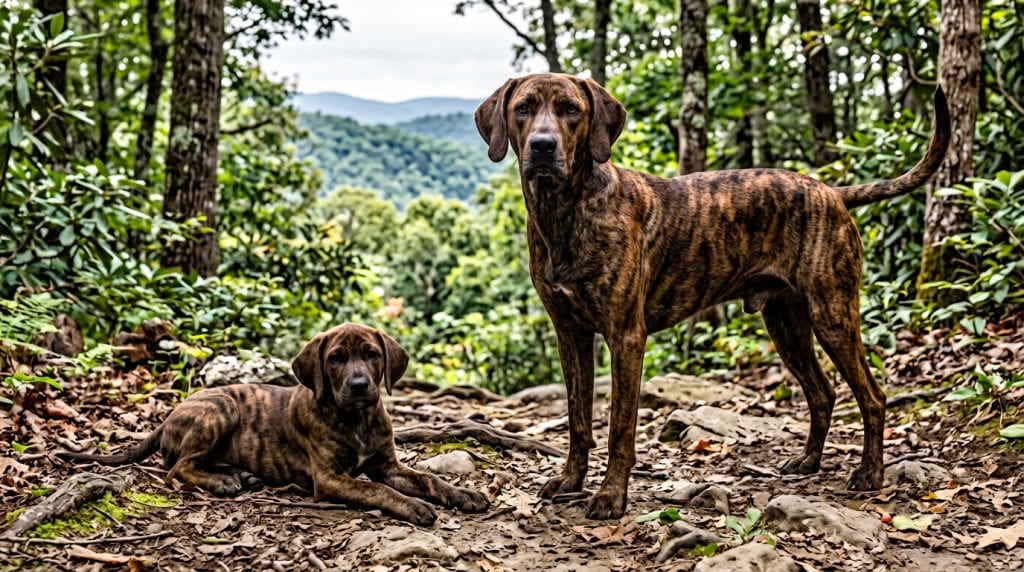
Living with a Plott Hound often means embracing their adventurous spirit and keen sense of smell. These dogs are known for their determination and energy, traits that stem from their history as hunting dogs. Owners frequently find that a Plott Hound is happiest when given plenty of opportunities to explore and engage with the world around them.
At a glance
Core care
- Size: Medium
- Energy: High
- Grooming: Low
- Shedding: Moderate
Support style
- Sensitivity: Moderate
- Training style: Moderate
Breed guide
Choose a section to explore. These notes describe common patterns, but individual dogs vary widely.
The Plott Hound’s origins trace back to Germany, where they were initially bred for hunting boar. This background has imbued them with a strong drive and a keen sense of smell, traits that are still evident in modern Plott Hounds. Today, they are known for their tenacity and intelligence, often displaying a remarkable ability to track scents over long distances. This history of working closely with humans has made them loyal companions who thrive on interaction and activity.
Physically, Plott Hounds are medium-sized dogs with a muscular build that reflects their working heritage. Their coats are typically smooth and come in a variety of brindle patterns, which are not only striking but also practical for their original hunting purposes. Owners often appreciate the low grooming needs of this breed, as their coats require minimal maintenance beyond regular brushing to manage moderate shedding.
In terms of temperament, Plott Hounds are known for their courage and determination. They tend to be alert and aware of their surroundings, which can make them excellent watchdogs. However, this same alertness means they can be vocal, often using their distinctive bay to communicate. While they are generally friendly, their independent nature can sometimes be mistaken for aloofness, though they are typically affectionate with their families.
It’s important for potential owners to understand that, like all breeds, individual Plott Hounds can vary widely in behaviour and temperament. Factors such as genetics, upbringing, and environment play significant roles in shaping each dog’s personality. Prospective owners should be prepared for a dog that may require consistent training and plenty of physical and mental stimulation to thrive.
Plott Hounds are often described as having a strong social nature, especially with their human families. They tend to form close bonds and are known for being loyal and protective. This loyalty often manifests in their desire to be near their people, whether that means following them around the house or joining in on outdoor adventures. Their social tendencies make them generally good companions, though they can be reserved with strangers until they feel comfortable.
The breed’s moderate sensitivity means they can be quite perceptive of their owner’s moods and emotions. This can be a double-edged sword, as they may become anxious if their environment is too chaotic or if they sense tension. Owners often notice that a calm and consistent approach works best when interacting with these dogs, fostering a sense of security and trust.
Training a Plott Hound can be a rewarding experience, though it requires patience and understanding. They are moderately trainable, meaning they can learn commands and tricks, but their independent streak might lead them to test boundaries. Positive reinforcement techniques, such as treats and praise, tend to work well, as these hounds respond better to encouragement than to harsh corrections.
While Plott Hounds are generally adaptable, they do have specific needs that must be met to ensure their well-being. They thrive in environments where they can engage their minds and bodies, and they often excel in activities that allow them to use their natural tracking abilities. Owners should be prepared to provide plenty of opportunities for exercise and mental enrichment to keep their Plott Hound happy and well-adjusted.
A typical day for a Plott Hound involves plenty of physical activity and mental stimulation. These dogs have high energy levels and require regular exercise to keep them content. Daily walks, ideally combined with opportunities to explore and sniff, are essential. Many owners find that their Plott Hounds enjoy activities like hiking or jogging, which allow them to expend energy while engaging their keen senses.
In addition to physical exercise, mental enrichment is crucial for a Plott Hound’s well-being. Puzzle toys, scent games, and training sessions that challenge their intelligence can be particularly beneficial. These activities not only provide mental stimulation but also help strengthen the bond between the dog and their owner. It’s important to vary these activities to keep the dog engaged and prevent boredom.
As Plott Hounds age, their exercise needs may change. While younger dogs typically require more vigorous activity, older dogs might benefit from gentler, more frequent walks. Owners should be mindful of their dog’s physical condition and adjust exercise routines accordingly to avoid overexertion, especially in hot weather, as their dark coats can make them prone to overheating.
It’s also important to avoid leaving a Plott Hound alone for extended periods, as their social nature means they can become bored or anxious without sufficient interaction. Providing plenty of toys and activities can help, but regular companionship and engagement are key to preventing behavioural issues. By understanding and meeting their exercise and enrichment needs, owners can ensure their Plott Hound remains a happy and well-adjusted companion.
Training a Plott Hound often feels like a balance between patience and persistence. These dogs are intelligent and capable of learning a variety of commands, but their independent nature means they may not always be immediately responsive. Owners frequently find success using positive reinforcement techniques, such as treats and praise, which encourage cooperation without creating resistance.
Impulse control can be a challenge, particularly during adolescence when Plott Hounds may test boundaries more frequently. Consistency is crucial during this stage, as it helps establish clear expectations and reinforces desired behaviours. Training sessions should be kept short and engaging to maintain the dog’s interest and prevent frustration.
Building a strong relationship based on trust and respect is essential for effective training. Plott Hounds respond well to calm and confident leadership, and they thrive in environments where they feel secure and understood. Owners should focus on creating a positive training atmosphere, avoiding harsh corrections that can undermine trust and lead to anxiety.
For those new to the breed or dog training in general, seeking guidance from a professional trainer can be beneficial. This support can provide valuable insights into breed-specific behaviours and help owners develop effective training strategies. With patience, consistency, and a focus on positive reinforcement, Plott Hound owners can successfully navigate the training process and enjoy a rewarding relationship with their dog.
Plott Hounds tend to thrive in homes where they have plenty of space to move and explore. They are well-suited to active households that can provide the exercise and mental stimulation they require. While they can adapt to various living situations, they often do best in environments where they have access to a garden or nearby outdoor spaces for regular exercise.
Owners often find that Plott Hounds are good with children, provided they are socialised from a young age. Their playful and energetic nature can make them great companions for older children who understand how to interact with dogs respectfully. However, supervision is always recommended to ensure positive interactions.
When it comes to living with other pets, Plott Hounds can coexist peacefully if introduced properly. Their hunting instincts may lead them to chase smaller animals, so careful introductions and ongoing supervision are important. Many Plott Hounds enjoy the company of other dogs, particularly if they have been raised together or socialised well.
Lifestyle fit is an important consideration for potential owners. Those who enjoy outdoor activities and have the time and energy to engage with their dog will likely find a Plott Hound to be a rewarding companion. However, individuals or families with less active lifestyles may need to consider whether they can meet the breed’s exercise and social needs before bringing a Plott Hound into their home.
Health and wellbeing are closely linked for Plott Hounds, as their active nature means they thrive when they are fit and healthy. Regular veterinary check-ups are important to monitor their overall health and catch any potential issues early. Preventive care, such as vaccinations and parasite control, is essential to keep them in good condition.
Some health considerations for Plott Hounds include hip dysplasia and ear infections, both of which can impact their quality of life. Owners should be vigilant about any signs of discomfort or changes in behaviour that might indicate a health issue. Early intervention and treatment can make a significant difference in managing these conditions.
Diet and exercise play crucial roles in maintaining a Plott Hound’s health. A balanced diet that supports their energy levels and a consistent exercise routine can help prevent obesity, which can exacerbate joint issues. Owners should consult with their vet to ensure their dog’s nutritional needs are being met.
Understanding the connection between health and behaviour is also important. A Plott Hound that is unwell may exhibit changes in temperament, such as increased irritability or lethargy. Being attuned to these changes and seeking veterinary advice when necessary can help ensure that any health issues are addressed promptly, supporting the dog’s overall wellbeing.
The Plott Hound’s history is a fascinating tale of resilience and adaptability. Originating in Germany, the breed was developed by the Plott family in the 18th century for the purpose of hunting boar. The family’s move to the United States brought the breed to the Appalachian Mountains, where they continued to refine the Plott Hound’s abilities, focusing on tracking and hunting larger game.
The breed’s development in the rugged terrain of the Appalachians honed their skills and endurance, traits that are still evident in today’s Plott Hounds. Known for their tenacity and ability to track scents over long distances, they became highly valued hunting companions. This background explains their strong prey drive and keen sense of smell, which are characteristic of the breed.
Throughout their history, Plott Hounds have been recognised for their courage and determination. These qualities made them indispensable to hunters, and they were often relied upon to track and hold game at bay until the hunters could arrive. This working heritage has contributed to their reputation as loyal and reliable companions.
Today, the Plott Hound is celebrated not only for their hunting prowess but also for their adaptability as family pets. While their history as a hunting breed influences their behaviour, many owners appreciate their loyalty and intelligence, finding them to be engaging and rewarding companions. Understanding their origins helps explain their modern traits, allowing owners to appreciate the unique qualities that make the Plott Hound a distinctive and valued breed.
What shapes individual dogs
- Early social experiences
- Training approach
- Environment & routine
- Genetics & breeding
- Health & pain
- Age / life stage
The Plott Hound’s origins trace back to Germany, where they were initially bred for hunting boar. This background has imbued them with a strong drive and a keen sense of smell, traits that are still evident in modern Plott Hounds. Today, they are known for their tenacity and intelligence, often displaying a remarkable ability to track scents over long distances. This history of working closely with humans has made them loyal companions who thrive on interaction and activity.
Physically, Plott Hounds are medium-sized dogs with a muscular build that reflects their working heritage. Their coats are typically smooth and come in a variety of brindle patterns, which are not only striking but also practical for their original hunting purposes. Owners often appreciate the low grooming needs of this breed, as their coats require minimal maintenance beyond regular brushing to manage moderate shedding.
In terms of temperament, Plott Hounds are known for their courage and determination. They tend to be alert and aware of their surroundings, which can make them excellent watchdogs. However, this same alertness means they can be vocal, often using their distinctive bay to communicate. While they are generally friendly, their independent nature can sometimes be mistaken for aloofness, though they are typically affectionate with their families.
It’s important for potential owners to understand that, like all breeds, individual Plott Hounds can vary widely in behaviour and temperament. Factors such as genetics, upbringing, and environment play significant roles in shaping each dog’s personality. Prospective owners should be prepared for a dog that may require consistent training and plenty of physical and mental stimulation to thrive.
Plott Hounds are often described as having a strong social nature, especially with their human families. They tend to form close bonds and are known for being loyal and protective. This loyalty often manifests in their desire to be near their people, whether that means following them around the house or joining in on outdoor adventures. Their social tendencies make them generally good companions, though they can be reserved with strangers until they feel comfortable.
The breed’s moderate sensitivity means they can be quite perceptive of their owner’s moods and emotions. This can be a double-edged sword, as they may become anxious if their environment is too chaotic or if they sense tension. Owners often notice that a calm and consistent approach works best when interacting with these dogs, fostering a sense of security and trust.
Training a Plott Hound can be a rewarding experience, though it requires patience and understanding. They are moderately trainable, meaning they can learn commands and tricks, but their independent streak might lead them to test boundaries. Positive reinforcement techniques, such as treats and praise, tend to work well, as these hounds respond better to encouragement than to harsh corrections.
While Plott Hounds are generally adaptable, they do have specific needs that must be met to ensure their well-being. They thrive in environments where they can engage their minds and bodies, and they often excel in activities that allow them to use their natural tracking abilities. Owners should be prepared to provide plenty of opportunities for exercise and mental enrichment to keep their Plott Hound happy and well-adjusted.
A typical day for a Plott Hound involves plenty of physical activity and mental stimulation. These dogs have high energy levels and require regular exercise to keep them content. Daily walks, ideally combined with opportunities to explore and sniff, are essential. Many owners find that their Plott Hounds enjoy activities like hiking or jogging, which allow them to expend energy while engaging their keen senses.
In addition to physical exercise, mental enrichment is crucial for a Plott Hound’s well-being. Puzzle toys, scent games, and training sessions that challenge their intelligence can be particularly beneficial. These activities not only provide mental stimulation but also help strengthen the bond between the dog and their owner. It’s important to vary these activities to keep the dog engaged and prevent boredom.
As Plott Hounds age, their exercise needs may change. While younger dogs typically require more vigorous activity, older dogs might benefit from gentler, more frequent walks. Owners should be mindful of their dog’s physical condition and adjust exercise routines accordingly to avoid overexertion, especially in hot weather, as their dark coats can make them prone to overheating.
It’s also important to avoid leaving a Plott Hound alone for extended periods, as their social nature means they can become bored or anxious without sufficient interaction. Providing plenty of toys and activities can help, but regular companionship and engagement are key to preventing behavioural issues. By understanding and meeting their exercise and enrichment needs, owners can ensure their Plott Hound remains a happy and well-adjusted companion.
Training a Plott Hound often feels like a balance between patience and persistence. These dogs are intelligent and capable of learning a variety of commands, but their independent nature means they may not always be immediately responsive. Owners frequently find success using positive reinforcement techniques, such as treats and praise, which encourage cooperation without creating resistance.
Impulse control can be a challenge, particularly during adolescence when Plott Hounds may test boundaries more frequently. Consistency is crucial during this stage, as it helps establish clear expectations and reinforces desired behaviours. Training sessions should be kept short and engaging to maintain the dog’s interest and prevent frustration.
Building a strong relationship based on trust and respect is essential for effective training. Plott Hounds respond well to calm and confident leadership, and they thrive in environments where they feel secure and understood. Owners should focus on creating a positive training atmosphere, avoiding harsh corrections that can undermine trust and lead to anxiety.
For those new to the breed or dog training in general, seeking guidance from a professional trainer can be beneficial. This support can provide valuable insights into breed-specific behaviours and help owners develop effective training strategies. With patience, consistency, and a focus on positive reinforcement, Plott Hound owners can successfully navigate the training process and enjoy a rewarding relationship with their dog.
Plott Hounds tend to thrive in homes where they have plenty of space to move and explore. They are well-suited to active households that can provide the exercise and mental stimulation they require. While they can adapt to various living situations, they often do best in environments where they have access to a garden or nearby outdoor spaces for regular exercise.
Owners often find that Plott Hounds are good with children, provided they are socialised from a young age. Their playful and energetic nature can make them great companions for older children who understand how to interact with dogs respectfully. However, supervision is always recommended to ensure positive interactions.
When it comes to living with other pets, Plott Hounds can coexist peacefully if introduced properly. Their hunting instincts may lead them to chase smaller animals, so careful introductions and ongoing supervision are important. Many Plott Hounds enjoy the company of other dogs, particularly if they have been raised together or socialised well.
Lifestyle fit is an important consideration for potential owners. Those who enjoy outdoor activities and have the time and energy to engage with their dog will likely find a Plott Hound to be a rewarding companion. However, individuals or families with less active lifestyles may need to consider whether they can meet the breed’s exercise and social needs before bringing a Plott Hound into their home.
Health and wellbeing are closely linked for Plott Hounds, as their active nature means they thrive when they are fit and healthy. Regular veterinary check-ups are important to monitor their overall health and catch any potential issues early. Preventive care, such as vaccinations and parasite control, is essential to keep them in good condition.
Some health considerations for Plott Hounds include hip dysplasia and ear infections, both of which can impact their quality of life. Owners should be vigilant about any signs of discomfort or changes in behaviour that might indicate a health issue. Early intervention and treatment can make a significant difference in managing these conditions.
Diet and exercise play crucial roles in maintaining a Plott Hound’s health. A balanced diet that supports their energy levels and a consistent exercise routine can help prevent obesity, which can exacerbate joint issues. Owners should consult with their vet to ensure their dog’s nutritional needs are being met.
Understanding the connection between health and behaviour is also important. A Plott Hound that is unwell may exhibit changes in temperament, such as increased irritability or lethargy. Being attuned to these changes and seeking veterinary advice when necessary can help ensure that any health issues are addressed promptly, supporting the dog’s overall wellbeing.
The Plott Hound’s history is a fascinating tale of resilience and adaptability. Originating in Germany, the breed was developed by the Plott family in the 18th century for the purpose of hunting boar. The family’s move to the United States brought the breed to the Appalachian Mountains, where they continued to refine the Plott Hound’s abilities, focusing on tracking and hunting larger game.
The breed’s development in the rugged terrain of the Appalachians honed their skills and endurance, traits that are still evident in today’s Plott Hounds. Known for their tenacity and ability to track scents over long distances, they became highly valued hunting companions. This background explains their strong prey drive and keen sense of smell, which are characteristic of the breed.
Throughout their history, Plott Hounds have been recognised for their courage and determination. These qualities made them indispensable to hunters, and they were often relied upon to track and hold game at bay until the hunters could arrive. This working heritage has contributed to their reputation as loyal and reliable companions.
Today, the Plott Hound is celebrated not only for their hunting prowess but also for their adaptability as family pets. While their history as a hunting breed influences their behaviour, many owners appreciate their loyalty and intelligence, finding them to be engaging and rewarding companions. Understanding their origins helps explain their modern traits, allowing owners to appreciate the unique qualities that make the Plott Hound a distinctive and valued breed.
What shapes individual dogs
- Early social experiences
- Training approach
- Environment & routine
- Genetics & breeding
- Health & pain
- Age / life stage
Want support with this?
This course offers valuable insights into the Plott Hound's complex temperament and helps owners build a deeper understanding of their dog's behaviour.