
Japanese Chin
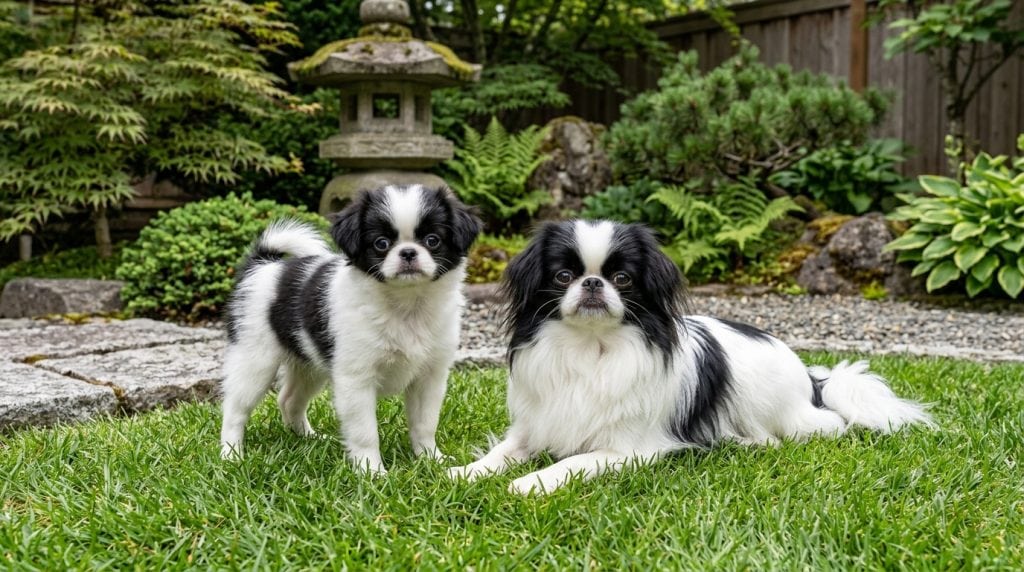
Living with a Japanese Chin is like having a small, elegant companion who often seems to understand the nuances of your day. Their gentle presence is frequently marked by a keen sense of awareness, making them sensitive to the moods and emotions of those around them. This breed often thrives on being part of the household, enjoying the company of their human family while maintaining a dignified independence.
At a glance
Core care
- Size: Small
- Energy: Moderate
- Grooming: Low
- Shedding: Moderate
Support style
- Sensitivity: High
- Training style: Independent
Breed guide
Choose a section to explore. These notes describe common patterns, but individual dogs vary widely.
The Japanese Chin has a storied past that dates back to ancient Asia, where they were cherished as companions for nobility. This history of being a lapdog to the elite is reflected in their present-day behaviour, where they often exhibit a regal yet approachable demeanour. Their role as cherished companions has shaped them into dogs that are deeply attuned to their human families, often displaying a unique blend of affection and independence.
Physically, the Japanese Chin is a small breed, typically weighing between 4 to 7 kilograms. Their compact size makes them ideal for apartment living, but they are equally at home in larger spaces. Their distinctive appearance, with a flowing coat and a distinctive pushed-in face, requires regular grooming to keep them looking their best. Owners often find that their Chin’s expressive eyes and silky coat become a focal point of admiration and care.
In terms of temperament, the Japanese Chin is known for its high sensitivity and independent nature. They are often described as cat-like, with a tendency to perch in high places and observe their surroundings. This breed can be reserved with strangers but is usually affectionate with family members. Owners often notice that their Chin has a playful side, enjoying short bursts of activity followed by periods of relaxation.
While the Japanese Chin has certain breed tendencies, it’s important to remember that each dog is an individual. Factors such as genetics, upbringing, and environment all play a role in shaping a dog’s personality. Prospective owners should be prepared for a dog that may have unique quirks and preferences, making the relationship with their Chin a truly personal journey.
The Japanese Chin is often described as a social yet independent breed, which can seem like a contradiction at first. They have a unique way of being part of the family while maintaining a certain aloofness. This breed tends to form strong bonds with their human companions, often choosing a favourite person to shadow throughout the day. Their sensitivity means they are usually very attuned to the emotions and routines of their household.
Owners frequently notice that their Japanese Chin has a playful and mischievous side. They enjoy interactive games and can be quite entertaining with their antics. However, they also appreciate their downtime and can often be found lounging in a sunny spot or perched on a high piece of furniture, observing the world around them. This blend of playfulness and calm makes them versatile companions.
Their high sensitivity often means that they are quick to pick up on changes in their environment or the moods of their family members. This can make them excellent companions for those who appreciate a dog that is in tune with their emotions. However, it also means that they can be easily stressed by loud noises or chaotic environments, so a calm and stable home is ideal.
Training a Japanese Chin can sometimes be a challenge due to their independent nature. They are intelligent but may not always be eager to please in the way some other breeds are. Positive reinforcement and patience are key, as they respond best to gentle guidance rather than harsh corrections. Understanding their unique temperament helps in building a strong, trusting relationship with these charming dogs.
A typical day for a Japanese Chin involves a balanced mix of moderate activity and relaxation. While they are not as high-energy as some breeds, they do enjoy regular walks and playtime. Short, brisk walks around the neighbourhood or a gentle play session in the garden can be sufficient to meet their exercise needs. They are not typically suited for long hikes or intense physical activities, but they do appreciate the opportunity to explore their surroundings at their own pace.
Mental enrichment is equally important for this breed. Puzzle toys and interactive games can keep their minds engaged, preventing boredom and promoting a healthy mental state. They enjoy activities that involve problem-solving, such as finding hidden treats or learning new tricks. Owners often find that their Chin relishes these moments of mental stimulation, which can be just as tiring as physical exercise.
As they age, the exercise needs of a Japanese Chin may decrease, but they still benefit from regular activity to maintain a healthy weight and muscle tone. Older Chins may prefer shorter, more frequent walks and gentler play sessions. It’s important to adjust their routine to accommodate any age-related changes in mobility or energy levels.
Owners should be mindful of their Chin’s sensitivity to temperature extremes. Due to their brachycephalic (short-nosed) nature, they can be prone to overheating, so exercise during cooler parts of the day is advisable. By tailoring their exercise and enrichment activities to their unique needs, owners can ensure their Japanese Chin remains healthy and content.
Training a Japanese Chin often feels like a dance between patience and creativity. Their independent nature means they may not always be eager to follow commands, but they are intelligent and capable of learning a variety of tricks and behaviours. Many owners find that using positive reinforcement techniques, such as treats and praise, is the most effective way to engage their Chin in training sessions.
Impulse control can be an area where Japanese Chins require extra guidance. They can be curious and may sometimes act on impulse, especially when something catches their interest. Consistent training and clear boundaries help them understand what is expected, while also allowing them to explore their environment safely.
Adolescence can bring its own set of challenges as this breed may test boundaries and exhibit a more pronounced independent streak. During this time, maintaining a consistent training routine and reinforcing positive behaviours is crucial. Owners often find that patience and understanding go a long way in helping their Chin navigate this developmental stage.
Building a strong relationship based on trust and mutual respect is key to successful training with a Japanese Chin. They respond well to a calm, patient approach and are more likely to engage when they feel secure and understood. By focusing on relationship-building and consistent, positive training methods, owners can foster a well-behaved and happy companion.
The Japanese Chin often fits well into a variety of home environments, provided they are calm and stable. They thrive in settings where they can be close to their human companions, whether that’s a small apartment or a larger home. Their small size makes them particularly well-suited to urban living, where space might be limited but companionship is plentiful.
Owners often find that their Chin adapts well to living with adults and older children who understand their sensitive nature. While they can live with younger children, it’s important to ensure that interactions are gentle and supervised to prevent accidental harm to this delicate breed. Their playful yet reserved nature often endears them to family members of all ages.
Living with other pets can be a positive experience for a Japanese Chin, especially if they are introduced gradually and with care. They can coexist peacefully with other dogs and even cats, provided their space and independence are respected. Owners often notice that their Chin enjoys the company of other animals but may prefer to observe rather than actively engage.
Ultimately, the best home for a Japanese Chin is one where they are valued as a cherished companion. They thrive on attention and affection, and their sensitive nature means they do best in environments that are calm and nurturing. By considering these factors, potential owners can ensure a harmonious living situation for both themselves and their Chin.
Health and wellbeing are closely linked for the Japanese Chin, as their physical condition often influences their behaviour and overall happiness. This breed is prone to certain health issues, such as brachycephalic airway syndrome, which can affect their breathing. Owners should be mindful of their Chin’s sensitivity to heat and avoid strenuous activities during hot weather to prevent overheating.
Regular veterinary check-ups are essential to monitor their health and address any concerns early. Dental care is particularly important, as small breeds like the Japanese Chin can be prone to dental issues. Routine teeth brushing and professional cleanings help maintain their oral health and prevent discomfort.
Preventive care, such as vaccinations and parasite control, plays a crucial role in keeping a Japanese Chin healthy. Owners should also be aware of signs of discomfort or illness, such as changes in appetite, behaviour, or energy levels, and seek veterinary advice when needed. Early intervention can often prevent minor issues from becoming major health concerns.
Overall, a proactive approach to health care, combined with a balanced diet and appropriate exercise, helps ensure that a Japanese Chin lives a long and healthy life. By understanding their specific health needs, owners can provide the best possible care for their beloved companion.
The Japanese Chin’s origins are steeped in mystery and intrigue, with roots tracing back to ancient China and Japan. It is believed that they were gifted to the Japanese royalty by Chinese emperors, where they quickly became a favourite among the nobility. Their role as a companion to the elite has influenced their modern-day temperament, where they often display a regal yet affectionate demeanour.
Throughout history, the Japanese Chin was bred to be a lapdog and companion, a role they continue to fulfil today. Their small size and charming appearance made them ideal for living in palaces and temples, where they were often seen as symbols of status and refinement. This history of being cherished companions is evident in their affectionate nature and desire to be close to their human family.
The breed’s development over the centuries has led to the distinctive characteristics we see today. Their expressive eyes, silky coat, and unique facial structure are all traits that have been carefully preserved through selective breeding. These features, combined with their sensitive and independent nature, make them a unique and beloved breed.
Understanding the Japanese Chin’s history provides insight into their behaviour and needs as modern companions. Their past as treasured lapdogs explains their affinity for human interaction and their preference for a calm, stable environment. By appreciating their historical significance, owners can better understand and meet the needs of their Japanese Chin in today’s world.
What shapes individual dogs
- Early social experiences
- Training approach
- Environment & routine
- Genetics & breeding
- Health & pain
- Age / life stage
The Japanese Chin has a storied past that dates back to ancient Asia, where they were cherished as companions for nobility. This history of being a lapdog to the elite is reflected in their present-day behaviour, where they often exhibit a regal yet approachable demeanour. Their role as cherished companions has shaped them into dogs that are deeply attuned to their human families, often displaying a unique blend of affection and independence.
Physically, the Japanese Chin is a small breed, typically weighing between 4 to 7 kilograms. Their compact size makes them ideal for apartment living, but they are equally at home in larger spaces. Their distinctive appearance, with a flowing coat and a distinctive pushed-in face, requires regular grooming to keep them looking their best. Owners often find that their Chin’s expressive eyes and silky coat become a focal point of admiration and care.
In terms of temperament, the Japanese Chin is known for its high sensitivity and independent nature. They are often described as cat-like, with a tendency to perch in high places and observe their surroundings. This breed can be reserved with strangers but is usually affectionate with family members. Owners often notice that their Chin has a playful side, enjoying short bursts of activity followed by periods of relaxation.
While the Japanese Chin has certain breed tendencies, it’s important to remember that each dog is an individual. Factors such as genetics, upbringing, and environment all play a role in shaping a dog’s personality. Prospective owners should be prepared for a dog that may have unique quirks and preferences, making the relationship with their Chin a truly personal journey.
The Japanese Chin is often described as a social yet independent breed, which can seem like a contradiction at first. They have a unique way of being part of the family while maintaining a certain aloofness. This breed tends to form strong bonds with their human companions, often choosing a favourite person to shadow throughout the day. Their sensitivity means they are usually very attuned to the emotions and routines of their household.
Owners frequently notice that their Japanese Chin has a playful and mischievous side. They enjoy interactive games and can be quite entertaining with their antics. However, they also appreciate their downtime and can often be found lounging in a sunny spot or perched on a high piece of furniture, observing the world around them. This blend of playfulness and calm makes them versatile companions.
Their high sensitivity often means that they are quick to pick up on changes in their environment or the moods of their family members. This can make them excellent companions for those who appreciate a dog that is in tune with their emotions. However, it also means that they can be easily stressed by loud noises or chaotic environments, so a calm and stable home is ideal.
Training a Japanese Chin can sometimes be a challenge due to their independent nature. They are intelligent but may not always be eager to please in the way some other breeds are. Positive reinforcement and patience are key, as they respond best to gentle guidance rather than harsh corrections. Understanding their unique temperament helps in building a strong, trusting relationship with these charming dogs.
A typical day for a Japanese Chin involves a balanced mix of moderate activity and relaxation. While they are not as high-energy as some breeds, they do enjoy regular walks and playtime. Short, brisk walks around the neighbourhood or a gentle play session in the garden can be sufficient to meet their exercise needs. They are not typically suited for long hikes or intense physical activities, but they do appreciate the opportunity to explore their surroundings at their own pace.
Mental enrichment is equally important for this breed. Puzzle toys and interactive games can keep their minds engaged, preventing boredom and promoting a healthy mental state. They enjoy activities that involve problem-solving, such as finding hidden treats or learning new tricks. Owners often find that their Chin relishes these moments of mental stimulation, which can be just as tiring as physical exercise.
As they age, the exercise needs of a Japanese Chin may decrease, but they still benefit from regular activity to maintain a healthy weight and muscle tone. Older Chins may prefer shorter, more frequent walks and gentler play sessions. It’s important to adjust their routine to accommodate any age-related changes in mobility or energy levels.
Owners should be mindful of their Chin’s sensitivity to temperature extremes. Due to their brachycephalic (short-nosed) nature, they can be prone to overheating, so exercise during cooler parts of the day is advisable. By tailoring their exercise and enrichment activities to their unique needs, owners can ensure their Japanese Chin remains healthy and content.
Training a Japanese Chin often feels like a dance between patience and creativity. Their independent nature means they may not always be eager to follow commands, but they are intelligent and capable of learning a variety of tricks and behaviours. Many owners find that using positive reinforcement techniques, such as treats and praise, is the most effective way to engage their Chin in training sessions.
Impulse control can be an area where Japanese Chins require extra guidance. They can be curious and may sometimes act on impulse, especially when something catches their interest. Consistent training and clear boundaries help them understand what is expected, while also allowing them to explore their environment safely.
Adolescence can bring its own set of challenges as this breed may test boundaries and exhibit a more pronounced independent streak. During this time, maintaining a consistent training routine and reinforcing positive behaviours is crucial. Owners often find that patience and understanding go a long way in helping their Chin navigate this developmental stage.
Building a strong relationship based on trust and mutual respect is key to successful training with a Japanese Chin. They respond well to a calm, patient approach and are more likely to engage when they feel secure and understood. By focusing on relationship-building and consistent, positive training methods, owners can foster a well-behaved and happy companion.
The Japanese Chin often fits well into a variety of home environments, provided they are calm and stable. They thrive in settings where they can be close to their human companions, whether that’s a small apartment or a larger home. Their small size makes them particularly well-suited to urban living, where space might be limited but companionship is plentiful.
Owners often find that their Chin adapts well to living with adults and older children who understand their sensitive nature. While they can live with younger children, it’s important to ensure that interactions are gentle and supervised to prevent accidental harm to this delicate breed. Their playful yet reserved nature often endears them to family members of all ages.
Living with other pets can be a positive experience for a Japanese Chin, especially if they are introduced gradually and with care. They can coexist peacefully with other dogs and even cats, provided their space and independence are respected. Owners often notice that their Chin enjoys the company of other animals but may prefer to observe rather than actively engage.
Ultimately, the best home for a Japanese Chin is one where they are valued as a cherished companion. They thrive on attention and affection, and their sensitive nature means they do best in environments that are calm and nurturing. By considering these factors, potential owners can ensure a harmonious living situation for both themselves and their Chin.
Health and wellbeing are closely linked for the Japanese Chin, as their physical condition often influences their behaviour and overall happiness. This breed is prone to certain health issues, such as brachycephalic airway syndrome, which can affect their breathing. Owners should be mindful of their Chin’s sensitivity to heat and avoid strenuous activities during hot weather to prevent overheating.
Regular veterinary check-ups are essential to monitor their health and address any concerns early. Dental care is particularly important, as small breeds like the Japanese Chin can be prone to dental issues. Routine teeth brushing and professional cleanings help maintain their oral health and prevent discomfort.
Preventive care, such as vaccinations and parasite control, plays a crucial role in keeping a Japanese Chin healthy. Owners should also be aware of signs of discomfort or illness, such as changes in appetite, behaviour, or energy levels, and seek veterinary advice when needed. Early intervention can often prevent minor issues from becoming major health concerns.
Overall, a proactive approach to health care, combined with a balanced diet and appropriate exercise, helps ensure that a Japanese Chin lives a long and healthy life. By understanding their specific health needs, owners can provide the best possible care for their beloved companion.
The Japanese Chin’s origins are steeped in mystery and intrigue, with roots tracing back to ancient China and Japan. It is believed that they were gifted to the Japanese royalty by Chinese emperors, where they quickly became a favourite among the nobility. Their role as a companion to the elite has influenced their modern-day temperament, where they often display a regal yet affectionate demeanour.
Throughout history, the Japanese Chin was bred to be a lapdog and companion, a role they continue to fulfil today. Their small size and charming appearance made them ideal for living in palaces and temples, where they were often seen as symbols of status and refinement. This history of being cherished companions is evident in their affectionate nature and desire to be close to their human family.
The breed’s development over the centuries has led to the distinctive characteristics we see today. Their expressive eyes, silky coat, and unique facial structure are all traits that have been carefully preserved through selective breeding. These features, combined with their sensitive and independent nature, make them a unique and beloved breed.
Understanding the Japanese Chin’s history provides insight into their behaviour and needs as modern companions. Their past as treasured lapdogs explains their affinity for human interaction and their preference for a calm, stable environment. By appreciating their historical significance, owners can better understand and meet the needs of their Japanese Chin in today’s world.
What shapes individual dogs
- Early social experiences
- Training approach
- Environment & routine
- Genetics & breeding
- Health & pain
- Age / life stage
Want support with this?
This course is relevant for Japanese Chin owners to better understand their dog's sensitive and independent nature.