
Appenzeller Sennenhund
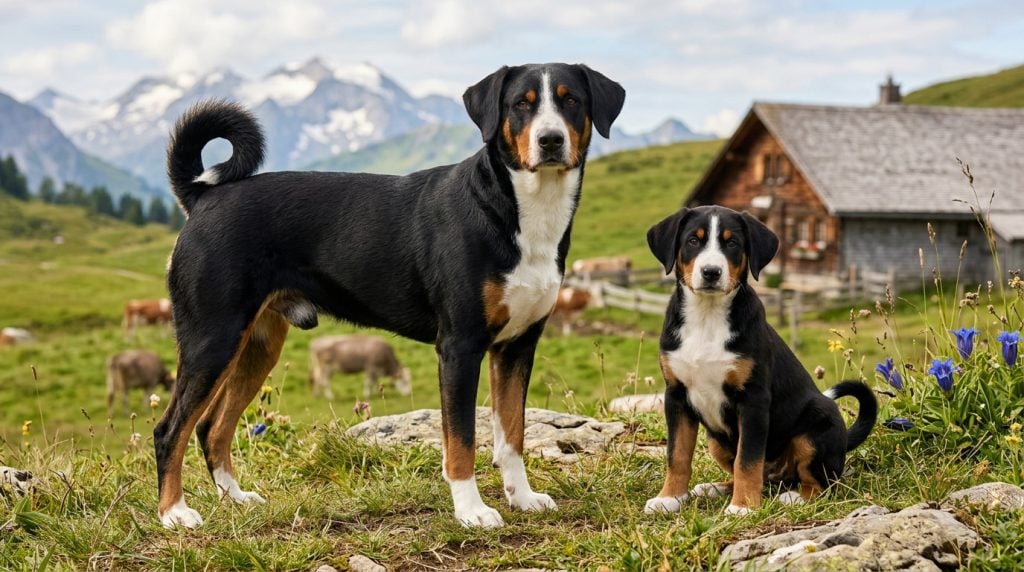
Living with an Appenzeller Sennenhund is like having a lively and attentive companion by your side. They are known for their energetic presence and keen awareness of their surroundings, often eager to join in on any activity. Their enthusiasm for life is matched by a loyal and affectionate nature, making them a cherished member of the family.
At a glance
Core care
- Size: Medium
- Energy: High
- Grooming: Low
- Shedding: Moderate
Support style
- Sensitivity: Moderate
- Training style: Willing
Breed guide
Choose a section to explore. These notes describe common patterns, but individual dogs vary widely.
The Appenzeller Sennenhund has its roots in the Swiss Alps, where it was originally bred as a versatile working dog. This breed was tasked with herding cattle, guarding farms, and even pulling carts, which required a combination of strength, intelligence, and independence. These historical roles have shaped the Appenzeller into a dog that is both energetic and highly alert, traits that are still evident in their behaviour today.
Physically, the Appenzeller is a medium-sized dog with a sturdy build, which reflects its working heritage. Their coat is short and dense, providing protection against harsh weather conditions, a necessity for their original alpine environment. In everyday life, this means an Appenzeller is well-suited to active outdoor lifestyles, often thriving in environments where they can run and explore.
Temperamentally, the Appenzeller Sennenhund is known for its lively and confident nature. Owners often notice their dog’s strong desire to be involved in family activities and their natural inclination to be protective. While they are generally good-natured, individual dogs may vary in their social tendencies, with some being more reserved around strangers. Their moderate sensitivity means they respond well to positive reinforcement and consistent training.
It’s important for potential owners to have realistic expectations about the breed. While Appenzellers are generally eager to please, their independent streak can sometimes make training a challenge. Understanding that each dog is an individual, shaped by genetics and upbringing, will help in creating a harmonious relationship. Prospective owners should be prepared for a dog that thrives on activity and engagement, appreciating the nuances that make each Appenzeller unique.
Appenzeller Sennenhunds often exhibit a social and engaging personality, making them a joy to have around. They tend to form strong bonds with their families and enjoy being in the thick of things, whether that means accompanying their owners on a hike or simply lounging in the living room. This social nature is rooted in their history as working dogs, where they needed to cooperate closely with humans.
Their behaviour often reflects a blend of independence and loyalty. While they are generally eager to please, Appenzellers can also show a degree of self-assuredness that might come across as stubbornness to some. This is not necessarily a negative trait; rather, it highlights their intelligence and ability to think independently, a valuable asset in their original herding roles.
Owners frequently notice that their Appenzeller is quite alert and responsive to changes in their environment. This sensitivity means they are quick to pick up on cues from their family, making them both excellent watchdogs and affectionate companions. However, this same sensitivity can mean they may need gentle handling, especially in new or stressful situations.
Training an Appenzeller often reveals their willingness to learn and their need for mental stimulation. They thrive on positive reinforcement and consistent routines, which help them understand what is expected. While they can be strong-willed, their trainability is generally high, provided they are engaged in a way that respects their intelligence and independence. Understanding these nuances helps in nurturing a well-rounded and content Appenzeller.
A typical day with an Appenzeller Sennenhund involves a good deal of physical activity. These dogs have high energy levels, and they thrive when they have ample opportunities to run, play, and explore. A long walk or a vigorous game of fetch in a secure area can be a great way to start the day, followed by interactive play sessions throughout.
Their need for exercise is not just about physical exertion but also mental stimulation. Appenzellers enjoy activities that challenge their minds, such as puzzle toys, scent work, or even agility training. These activities not only keep them entertained but also help prevent boredom, which can lead to unwanted behaviours.
As puppies, Appenzellers are particularly energetic and may require more frequent, shorter bursts of activity to match their developing bodies and attention spans. As they mature, their exercise needs may become more predictable, though they will still require plenty of engagement to remain happy and healthy.
Owners should be mindful of not over-exercising young Appenzellers, as their joints are still developing. It’s also important to adjust exercise routines as the dog ages, ensuring they remain active but not overexerted. Understanding and adapting to these needs helps in maintaining a well-balanced and content Appenzeller.
Training an Appenzeller Sennenhund can be a rewarding experience, as they are generally willing learners with a keen intelligence. Owners often find that these dogs respond well to positive reinforcement techniques, which help build a trusting relationship. Using treats, praise, and play as rewards can be particularly effective in capturing their interest and motivating them to learn.
Impulse control can be an area where Appenzellers require consistent guidance. Their natural enthusiasm and curiosity can sometimes lead them to act before thinking, especially in stimulating environments. Teaching basic commands like ‘sit’, ‘stay’, and ‘leave it’ can help manage these impulses and ensure they remain safe and well-behaved.
Adolescence can bring its own set of challenges, as Appenzellers may test boundaries and exhibit more independent behaviour. During this stage, maintaining consistency and patience is key. Regular training sessions that reinforce established commands and introduce new ones can help channel their energy and intelligence positively.
Building a strong relationship based on mutual respect and understanding is crucial. Appenzellers thrive in environments where they feel secure and valued, and where their natural abilities are recognised and nurtured. This approach not only enhances their trainability but also strengthens the bond between dog and owner, making for a harmonious living arrangement.
Appenzeller Sennenhunds tend to thrive in homes where they have space to move and explore. They are well-suited to rural or suburban environments where they can enjoy outdoor activities and engage with their surroundings. However, with sufficient exercise and mental stimulation, they can adapt to urban living, provided they have regular opportunities to expend their energy.
Owners often find that Appenzellers integrate well into family life, enjoying the company of both adults and children. Their lively nature means they are often eager participants in family activities, though supervision is recommended around younger children due to their exuberance. Their protective instincts can also make them cautious around new people, a trait that can be managed with early socialisation.
When it comes to other pets, Appenzellers may vary in their reactions. Some may get along well with other dogs and animals, while others might require careful introductions and management. Their herding background can sometimes lead to instinctual behaviours around smaller animals, which owners should be aware of.
Ultimately, the Appenzeller Sennenhund is a breed that benefits from an active and involved lifestyle. They thrive in environments where they can participate in daily activities and where their energetic and intelligent nature is appreciated. Prospective owners should be prepared for a dog that requires engagement and companionship, rewarding them with loyalty and affection.
The overall health of an Appenzeller Sennenhund is closely tied to their everyday wellbeing and activity levels. These dogs are generally robust, but like all breeds, they can be prone to certain health issues. Regular veterinary check-ups are essential to monitor their health and catch any potential problems early.
Common health considerations for Appenzellers include hip dysplasia and elbow dysplasia, conditions that can affect their mobility and comfort. Maintaining a healthy weight and providing appropriate exercise can help manage these risks. Owners should also be aware of any changes in their dog’s gait or reluctance to move, as these may be early signs of joint issues.
Preventive care, such as vaccinations and parasite control, is crucial in maintaining an Appenzeller’s health. Regular dental care is also important, as dental disease can lead to other health complications if left untreated. Keeping up with these routine aspects of care ensures that your Appenzeller remains healthy and happy.
If any unusual behaviours or symptoms arise, seeking veterinary advice is always recommended. Understanding the breed’s health tendencies and taking proactive measures can greatly enhance their quality of life, allowing them to remain active and vibrant members of the family.
The Appenzeller Sennenhund hails from the Swiss Alps, where it was developed as a versatile working dog. Originally bred to herd cattle, guard property, and pull carts, this breed needed to be both strong and intelligent. These roles required a dog that could think independently while also working closely with humans, shaping the Appenzeller’s character as we know it today.
The breed’s development was influenced by the harsh alpine environment, which demanded resilience and adaptability. The Appenzeller’s sturdy build and weather-resistant coat are direct results of these conditions, enabling them to perform their duties in challenging weather. This history of hard work and adaptability is still evident in their energetic and alert nature.
Throughout the years, the Appenzeller has maintained its status as a working dog, though its role has evolved. Today, they are not only valued for their herding abilities but also as loyal family companions. Their protective instincts and lively disposition are traits that have been passed down through generations, making them both reliable workers and cherished pets.
Understanding the Appenzeller’s origins provides insight into their behaviour and needs today. Their history as a working breed explains their high energy levels and strong desire for activity, as well as their loyalty and intelligence. These traits make them well-suited to active families who appreciate their heritage and vibrant personality.
What shapes individual dogs
- Early social experiences
- Training approach
- Environment & routine
- Genetics & breeding
- Health & pain
- Age / life stage
The Appenzeller Sennenhund has its roots in the Swiss Alps, where it was originally bred as a versatile working dog. This breed was tasked with herding cattle, guarding farms, and even pulling carts, which required a combination of strength, intelligence, and independence. These historical roles have shaped the Appenzeller into a dog that is both energetic and highly alert, traits that are still evident in their behaviour today.
Physically, the Appenzeller is a medium-sized dog with a sturdy build, which reflects its working heritage. Their coat is short and dense, providing protection against harsh weather conditions, a necessity for their original alpine environment. In everyday life, this means an Appenzeller is well-suited to active outdoor lifestyles, often thriving in environments where they can run and explore.
Temperamentally, the Appenzeller Sennenhund is known for its lively and confident nature. Owners often notice their dog’s strong desire to be involved in family activities and their natural inclination to be protective. While they are generally good-natured, individual dogs may vary in their social tendencies, with some being more reserved around strangers. Their moderate sensitivity means they respond well to positive reinforcement and consistent training.
It’s important for potential owners to have realistic expectations about the breed. While Appenzellers are generally eager to please, their independent streak can sometimes make training a challenge. Understanding that each dog is an individual, shaped by genetics and upbringing, will help in creating a harmonious relationship. Prospective owners should be prepared for a dog that thrives on activity and engagement, appreciating the nuances that make each Appenzeller unique.
Appenzeller Sennenhunds often exhibit a social and engaging personality, making them a joy to have around. They tend to form strong bonds with their families and enjoy being in the thick of things, whether that means accompanying their owners on a hike or simply lounging in the living room. This social nature is rooted in their history as working dogs, where they needed to cooperate closely with humans.
Their behaviour often reflects a blend of independence and loyalty. While they are generally eager to please, Appenzellers can also show a degree of self-assuredness that might come across as stubbornness to some. This is not necessarily a negative trait; rather, it highlights their intelligence and ability to think independently, a valuable asset in their original herding roles.
Owners frequently notice that their Appenzeller is quite alert and responsive to changes in their environment. This sensitivity means they are quick to pick up on cues from their family, making them both excellent watchdogs and affectionate companions. However, this same sensitivity can mean they may need gentle handling, especially in new or stressful situations.
Training an Appenzeller often reveals their willingness to learn and their need for mental stimulation. They thrive on positive reinforcement and consistent routines, which help them understand what is expected. While they can be strong-willed, their trainability is generally high, provided they are engaged in a way that respects their intelligence and independence. Understanding these nuances helps in nurturing a well-rounded and content Appenzeller.
A typical day with an Appenzeller Sennenhund involves a good deal of physical activity. These dogs have high energy levels, and they thrive when they have ample opportunities to run, play, and explore. A long walk or a vigorous game of fetch in a secure area can be a great way to start the day, followed by interactive play sessions throughout.
Their need for exercise is not just about physical exertion but also mental stimulation. Appenzellers enjoy activities that challenge their minds, such as puzzle toys, scent work, or even agility training. These activities not only keep them entertained but also help prevent boredom, which can lead to unwanted behaviours.
As puppies, Appenzellers are particularly energetic and may require more frequent, shorter bursts of activity to match their developing bodies and attention spans. As they mature, their exercise needs may become more predictable, though they will still require plenty of engagement to remain happy and healthy.
Owners should be mindful of not over-exercising young Appenzellers, as their joints are still developing. It’s also important to adjust exercise routines as the dog ages, ensuring they remain active but not overexerted. Understanding and adapting to these needs helps in maintaining a well-balanced and content Appenzeller.
Training an Appenzeller Sennenhund can be a rewarding experience, as they are generally willing learners with a keen intelligence. Owners often find that these dogs respond well to positive reinforcement techniques, which help build a trusting relationship. Using treats, praise, and play as rewards can be particularly effective in capturing their interest and motivating them to learn.
Impulse control can be an area where Appenzellers require consistent guidance. Their natural enthusiasm and curiosity can sometimes lead them to act before thinking, especially in stimulating environments. Teaching basic commands like ‘sit’, ‘stay’, and ‘leave it’ can help manage these impulses and ensure they remain safe and well-behaved.
Adolescence can bring its own set of challenges, as Appenzellers may test boundaries and exhibit more independent behaviour. During this stage, maintaining consistency and patience is key. Regular training sessions that reinforce established commands and introduce new ones can help channel their energy and intelligence positively.
Building a strong relationship based on mutual respect and understanding is crucial. Appenzellers thrive in environments where they feel secure and valued, and where their natural abilities are recognised and nurtured. This approach not only enhances their trainability but also strengthens the bond between dog and owner, making for a harmonious living arrangement.
Appenzeller Sennenhunds tend to thrive in homes where they have space to move and explore. They are well-suited to rural or suburban environments where they can enjoy outdoor activities and engage with their surroundings. However, with sufficient exercise and mental stimulation, they can adapt to urban living, provided they have regular opportunities to expend their energy.
Owners often find that Appenzellers integrate well into family life, enjoying the company of both adults and children. Their lively nature means they are often eager participants in family activities, though supervision is recommended around younger children due to their exuberance. Their protective instincts can also make them cautious around new people, a trait that can be managed with early socialisation.
When it comes to other pets, Appenzellers may vary in their reactions. Some may get along well with other dogs and animals, while others might require careful introductions and management. Their herding background can sometimes lead to instinctual behaviours around smaller animals, which owners should be aware of.
Ultimately, the Appenzeller Sennenhund is a breed that benefits from an active and involved lifestyle. They thrive in environments where they can participate in daily activities and where their energetic and intelligent nature is appreciated. Prospective owners should be prepared for a dog that requires engagement and companionship, rewarding them with loyalty and affection.
The overall health of an Appenzeller Sennenhund is closely tied to their everyday wellbeing and activity levels. These dogs are generally robust, but like all breeds, they can be prone to certain health issues. Regular veterinary check-ups are essential to monitor their health and catch any potential problems early.
Common health considerations for Appenzellers include hip dysplasia and elbow dysplasia, conditions that can affect their mobility and comfort. Maintaining a healthy weight and providing appropriate exercise can help manage these risks. Owners should also be aware of any changes in their dog’s gait or reluctance to move, as these may be early signs of joint issues.
Preventive care, such as vaccinations and parasite control, is crucial in maintaining an Appenzeller’s health. Regular dental care is also important, as dental disease can lead to other health complications if left untreated. Keeping up with these routine aspects of care ensures that your Appenzeller remains healthy and happy.
If any unusual behaviours or symptoms arise, seeking veterinary advice is always recommended. Understanding the breed’s health tendencies and taking proactive measures can greatly enhance their quality of life, allowing them to remain active and vibrant members of the family.
The Appenzeller Sennenhund hails from the Swiss Alps, where it was developed as a versatile working dog. Originally bred to herd cattle, guard property, and pull carts, this breed needed to be both strong and intelligent. These roles required a dog that could think independently while also working closely with humans, shaping the Appenzeller’s character as we know it today.
The breed’s development was influenced by the harsh alpine environment, which demanded resilience and adaptability. The Appenzeller’s sturdy build and weather-resistant coat are direct results of these conditions, enabling them to perform their duties in challenging weather. This history of hard work and adaptability is still evident in their energetic and alert nature.
Throughout the years, the Appenzeller has maintained its status as a working dog, though its role has evolved. Today, they are not only valued for their herding abilities but also as loyal family companions. Their protective instincts and lively disposition are traits that have been passed down through generations, making them both reliable workers and cherished pets.
Understanding the Appenzeller’s origins provides insight into their behaviour and needs today. Their history as a working breed explains their high energy levels and strong desire for activity, as well as their loyalty and intelligence. These traits make them well-suited to active families who appreciate their heritage and vibrant personality.
What shapes individual dogs
- Early social experiences
- Training approach
- Environment & routine
- Genetics & breeding
- Health & pain
- Age / life stage
Want support with this?
This course is valuable for understanding the Appenzeller's complex temperament and behaviour nuances.