
Afghan Hound
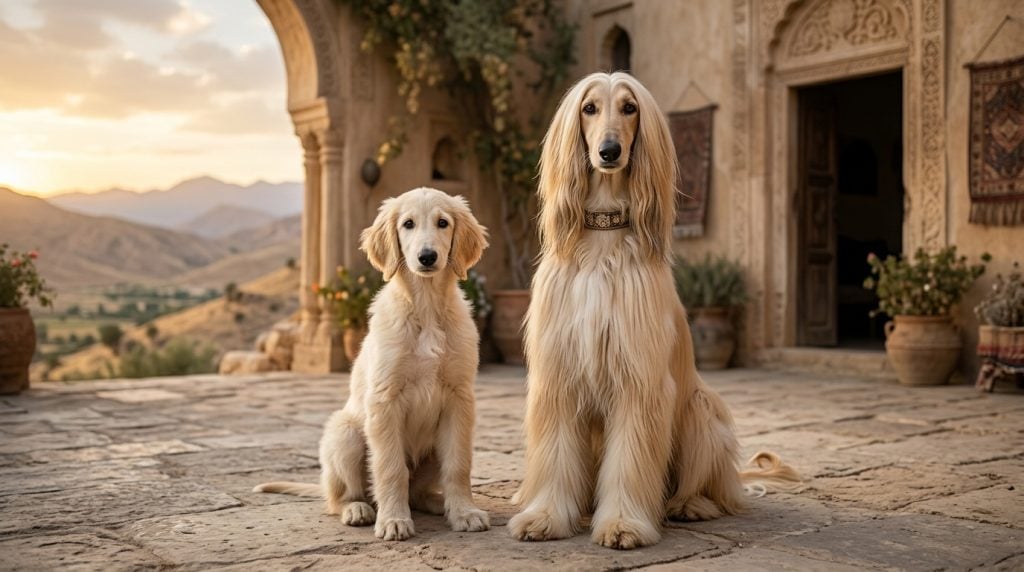
Living with an Afghan Hound is like sharing your home with a graceful, independent spirit. Their dignified presence and flowing coat often turn heads, but it's their unique personality that truly captivates. These dogs can be both aloof and affectionate, often forming deep bonds with their families while maintaining a distinct sense of autonomy.
At a glance
Core care
- Size: Large
- Energy: Moderate to high
- Grooming: Low
- Shedding: Moderate
Support style
- Sensitivity: High
- Training style: Independent
Breed guide
Choose a section to explore. These notes describe common patterns, but individual dogs vary widely.
The Afghan Hound’s history as a hunting dog in the rugged terrains of Afghanistan is still evident in their modern-day demeanour. Originally bred to chase game across challenging landscapes, these dogs developed a unique combination of speed, agility, and independence. Today, these traits manifest in a breed that is both elegant and self-reliant, often displaying a reserved nature with strangers but a deep loyalty to their family.
Physically, Afghan Hounds are known for their striking appearance, characterised by a long, flowing coat and a distinctive topknot. Their slender build and long legs give them an almost regal stance, which is both graceful and athletic. In everyday life, this translates to a dog that moves with an effortless elegance, often capturing the attention of onlookers during walks or playtime in the park.
Temperamentally, Afghan Hounds can be quite complex. They often exhibit a blend of aloofness and affection, which can be intriguing for their owners. While they may not always be the most outwardly demonstrative dogs, many Afghan Hounds form strong bonds with their families, showing their affection in subtle, meaningful ways. Their independent nature can sometimes be mistaken for aloofness, but it’s simply a reflection of their self-assured character.
Owning an Afghan Hound requires an appreciation for their unique personality and an understanding that each dog is an individual. While breed tendencies provide a general guide, every Afghan Hound will have its own quirks and preferences. Prospective owners should be prepared for a dog that combines elegance with independence, and be ready to embrace the distinct personality that each Afghan Hound brings into their home.
Afghan Hounds are often described as having a somewhat aloof nature, which can be surprising to those expecting a more traditionally affectionate dog. This aloofness is not a sign of disinterest but rather an expression of their independent spirit. Many owners find that their Afghan Hound is deeply loyal, forming strong bonds with their family while maintaining a dignified distance with strangers.
Their social motivations are quite unique. Afghan Hounds often enjoy being part of a family unit, but they do not necessarily seek constant attention or validation. This can be refreshing for owners who appreciate a dog that is content to spend time alone or observe from a distance. However, when they do choose to engage, their affection is genuine and heartfelt, making those moments particularly special.
The breed’s sensitivity is another notable aspect of their temperament. Afghan Hounds tend to be highly attuned to their environment and the emotions of their human companions. This sensitivity can make them more responsive to gentle training methods, as they often react better to positive reinforcement than harsh corrections. Their independent nature means they may not always follow commands immediately, but with patience and understanding, they can learn to respond well.
In real life, living with an Afghan Hound means embracing their unique blend of independence and sensitivity. They may not be the most eager to please, but their loyalty and occasional displays of affection more than make up for it. Understanding their temperament helps owners appreciate the breed’s distinct character, making the bond between dog and owner all the more rewarding.
A typical day for an Afghan Hound involves a balance of physical activity and quiet relaxation. These dogs have moderate to high energy levels, so they benefit from regular exercise that allows them to stretch their legs and enjoy the outdoors. A couple of brisk walks or a chance to run in a secure area can help satisfy their need for movement and exploration.
Mental enrichment is also important for Afghan Hounds, as their independent nature means they often enjoy activities that engage their minds. Puzzle toys, scent games, and interactive play can provide the mental stimulation they need to stay happy and healthy. Owners might notice that their Afghan Hound enjoys problem-solving tasks, which can be a great way to bond while keeping their minds active.
As Afghan Hounds age, their exercise needs may change. While younger dogs might require more vigorous activity, older Afghan Hounds might prefer gentler walks and more time spent relaxing at home. It’s important for owners to adjust their routines to accommodate these changes, ensuring their dog remains comfortable and content throughout their life stages.
Owners should avoid over-exercising their Afghan Hound, especially in extreme weather conditions. Their long coats can make them susceptible to overheating, so it’s best to plan activities during cooler parts of the day. By understanding their exercise and enrichment needs, owners can create a routine that keeps their Afghan Hound both physically and mentally fulfilled.
Training an Afghan Hound can sometimes feel like a dance between patience and persistence. Their independent nature means they may not always respond to commands immediately, but with the right approach, they can be taught to follow basic commands and even some more advanced tricks. Positive reinforcement tends to work best, as these dogs respond well to gentle encouragement and rewards.
Impulse control can be a challenge with Afghan Hounds, especially during adolescence. Their natural curiosity and hunting instincts can lead them to chase after anything that moves, so teaching recall and basic obedience from a young age is crucial. Consistency and patience are key, as these dogs may take a bit longer to grasp certain commands compared to more eager-to-please breeds.
Building a strong relationship with an Afghan Hound is essential for successful training. They thrive on trust and mutual respect, which means harsh training methods are unlikely to yield positive results. Instead, focusing on building a bond through consistent, reward-based training can help them understand what’s expected of them and encourage them to cooperate.
Owners should be prepared for some challenges during the adolescent phase, as Afghan Hounds can be particularly independent during this time. Enrolling in a course like “Understand Your Dog: Dog Psychology for Beginners” can provide valuable insights into their behaviour and help owners develop effective training strategies. With patience and understanding, Afghan Hounds can become well-mannered companions who respect their owner’s guidance.
Afghan Hounds tend to thrive in environments where they have space to move and explore. While they can adapt to various living situations, they often do best in homes with secure gardens or access to open spaces where they can run safely. Their independent nature means they can be content with periods of solitude, making them suitable for owners who may not be home all day.
Families with children often find that Afghan Hounds can be gentle and patient companions, although supervision is recommended, especially with younger children. Their size and energy levels mean they might inadvertently knock over small children, so teaching both the dog and children how to interact respectfully is important.
When it comes to other pets, Afghan Hounds can coexist peacefully with other dogs, especially if introduced properly. Their hunting instincts might make them less suited to homes with small animals like cats or rabbits, but individual temperament and early socialisation play a significant role in determining compatibility.
Ultimately, the Afghan Hound’s suitability for a particular home depends on the owner’s understanding of their needs and ability to provide a balanced lifestyle. Prospective owners should consider their own lifestyle and whether they can meet the breed’s exercise, grooming, and social needs. With the right environment and care, Afghan Hounds can make elegant and loyal companions.
Health and wellbeing are closely linked for Afghan Hounds, as with any breed. Regular veterinary check-ups and preventive care are essential to maintaining their health and quality of life. Afghan Hounds can be prone to certain health conditions, such as hip dysplasia and cataracts, so monitoring for any signs of discomfort or vision issues is important.
Their long ears require particular attention, as they can be susceptible to infections if not kept clean and dry. Regular ear checks and cleaning can help prevent issues, and owners should be vigilant for any signs of irritation or discomfort. Skin care is also important, as their long coat can hide potential skin problems if not regularly groomed and inspected.
Preventive care, including vaccinations and parasite control, is crucial for Afghan Hounds. Maintaining a healthy weight through a balanced diet and regular exercise can help prevent joint issues and other health concerns. Owners should work closely with their veterinarian to establish a health care routine that suits their dog’s specific needs.
Understanding the breed’s health tendencies can help owners recognise when to seek veterinary advice. If an Afghan Hound shows any signs of discomfort, changes in behaviour, or unusual symptoms, consulting a veterinarian promptly can help address potential issues before they become more serious. By staying informed and proactive, owners can help ensure their Afghan Hound leads a healthy and happy life.
The Afghan Hound’s origins trace back to the rugged mountains of Afghanistan, where they were bred as hunting dogs capable of chasing game over challenging terrain. Their speed, agility, and keen eyesight made them well-suited to this role, and these traits are still evident in the breed today. Their history as independent hunters helps explain their self-reliant nature and dignified demeanour.
These dogs were highly valued by Afghan tribes for their ability to hunt large prey, such as deer and leopards, which required both strength and endurance. The breed’s development was influenced by the need for a dog that could work independently, making decisions in the field without constant human direction. This independence is a hallmark of the breed, contributing to their unique personality.
The Afghan Hound’s distinctive appearance, with its long, flowing coat and elegant build, is a result of both functional and aesthetic breeding choices. The coat provided protection against harsh weather conditions, while their striking appearance made them a favourite among nobility and royalty. When the breed was introduced to the Western world in the early 20th century, their exotic looks quickly captured the imagination of dog enthusiasts.
Understanding the Afghan Hound’s history provides insight into their modern-day traits. Their independent spirit, combined with a deep loyalty to their family, reflects their heritage as both hunters and companions. For those who appreciate a dog with a storied past and a distinctive character, the Afghan Hound offers a unique blend of elegance and independence that is both captivating and rewarding.
What shapes individual dogs
- Early social experiences
- Training approach
- Environment & routine
- Genetics & breeding
- Health & pain
- Age / life stage
The Afghan Hound’s history as a hunting dog in the rugged terrains of Afghanistan is still evident in their modern-day demeanour. Originally bred to chase game across challenging landscapes, these dogs developed a unique combination of speed, agility, and independence. Today, these traits manifest in a breed that is both elegant and self-reliant, often displaying a reserved nature with strangers but a deep loyalty to their family.
Physically, Afghan Hounds are known for their striking appearance, characterised by a long, flowing coat and a distinctive topknot. Their slender build and long legs give them an almost regal stance, which is both graceful and athletic. In everyday life, this translates to a dog that moves with an effortless elegance, often capturing the attention of onlookers during walks or playtime in the park.
Temperamentally, Afghan Hounds can be quite complex. They often exhibit a blend of aloofness and affection, which can be intriguing for their owners. While they may not always be the most outwardly demonstrative dogs, many Afghan Hounds form strong bonds with their families, showing their affection in subtle, meaningful ways. Their independent nature can sometimes be mistaken for aloofness, but it’s simply a reflection of their self-assured character.
Owning an Afghan Hound requires an appreciation for their unique personality and an understanding that each dog is an individual. While breed tendencies provide a general guide, every Afghan Hound will have its own quirks and preferences. Prospective owners should be prepared for a dog that combines elegance with independence, and be ready to embrace the distinct personality that each Afghan Hound brings into their home.
Afghan Hounds are often described as having a somewhat aloof nature, which can be surprising to those expecting a more traditionally affectionate dog. This aloofness is not a sign of disinterest but rather an expression of their independent spirit. Many owners find that their Afghan Hound is deeply loyal, forming strong bonds with their family while maintaining a dignified distance with strangers.
Their social motivations are quite unique. Afghan Hounds often enjoy being part of a family unit, but they do not necessarily seek constant attention or validation. This can be refreshing for owners who appreciate a dog that is content to spend time alone or observe from a distance. However, when they do choose to engage, their affection is genuine and heartfelt, making those moments particularly special.
The breed’s sensitivity is another notable aspect of their temperament. Afghan Hounds tend to be highly attuned to their environment and the emotions of their human companions. This sensitivity can make them more responsive to gentle training methods, as they often react better to positive reinforcement than harsh corrections. Their independent nature means they may not always follow commands immediately, but with patience and understanding, they can learn to respond well.
In real life, living with an Afghan Hound means embracing their unique blend of independence and sensitivity. They may not be the most eager to please, but their loyalty and occasional displays of affection more than make up for it. Understanding their temperament helps owners appreciate the breed’s distinct character, making the bond between dog and owner all the more rewarding.
A typical day for an Afghan Hound involves a balance of physical activity and quiet relaxation. These dogs have moderate to high energy levels, so they benefit from regular exercise that allows them to stretch their legs and enjoy the outdoors. A couple of brisk walks or a chance to run in a secure area can help satisfy their need for movement and exploration.
Mental enrichment is also important for Afghan Hounds, as their independent nature means they often enjoy activities that engage their minds. Puzzle toys, scent games, and interactive play can provide the mental stimulation they need to stay happy and healthy. Owners might notice that their Afghan Hound enjoys problem-solving tasks, which can be a great way to bond while keeping their minds active.
As Afghan Hounds age, their exercise needs may change. While younger dogs might require more vigorous activity, older Afghan Hounds might prefer gentler walks and more time spent relaxing at home. It’s important for owners to adjust their routines to accommodate these changes, ensuring their dog remains comfortable and content throughout their life stages.
Owners should avoid over-exercising their Afghan Hound, especially in extreme weather conditions. Their long coats can make them susceptible to overheating, so it’s best to plan activities during cooler parts of the day. By understanding their exercise and enrichment needs, owners can create a routine that keeps their Afghan Hound both physically and mentally fulfilled.
Training an Afghan Hound can sometimes feel like a dance between patience and persistence. Their independent nature means they may not always respond to commands immediately, but with the right approach, they can be taught to follow basic commands and even some more advanced tricks. Positive reinforcement tends to work best, as these dogs respond well to gentle encouragement and rewards.
Impulse control can be a challenge with Afghan Hounds, especially during adolescence. Their natural curiosity and hunting instincts can lead them to chase after anything that moves, so teaching recall and basic obedience from a young age is crucial. Consistency and patience are key, as these dogs may take a bit longer to grasp certain commands compared to more eager-to-please breeds.
Building a strong relationship with an Afghan Hound is essential for successful training. They thrive on trust and mutual respect, which means harsh training methods are unlikely to yield positive results. Instead, focusing on building a bond through consistent, reward-based training can help them understand what’s expected of them and encourage them to cooperate.
Owners should be prepared for some challenges during the adolescent phase, as Afghan Hounds can be particularly independent during this time. Enrolling in a course like “Understand Your Dog: Dog Psychology for Beginners” can provide valuable insights into their behaviour and help owners develop effective training strategies. With patience and understanding, Afghan Hounds can become well-mannered companions who respect their owner’s guidance.
Afghan Hounds tend to thrive in environments where they have space to move and explore. While they can adapt to various living situations, they often do best in homes with secure gardens or access to open spaces where they can run safely. Their independent nature means they can be content with periods of solitude, making them suitable for owners who may not be home all day.
Families with children often find that Afghan Hounds can be gentle and patient companions, although supervision is recommended, especially with younger children. Their size and energy levels mean they might inadvertently knock over small children, so teaching both the dog and children how to interact respectfully is important.
When it comes to other pets, Afghan Hounds can coexist peacefully with other dogs, especially if introduced properly. Their hunting instincts might make them less suited to homes with small animals like cats or rabbits, but individual temperament and early socialisation play a significant role in determining compatibility.
Ultimately, the Afghan Hound’s suitability for a particular home depends on the owner’s understanding of their needs and ability to provide a balanced lifestyle. Prospective owners should consider their own lifestyle and whether they can meet the breed’s exercise, grooming, and social needs. With the right environment and care, Afghan Hounds can make elegant and loyal companions.
Health and wellbeing are closely linked for Afghan Hounds, as with any breed. Regular veterinary check-ups and preventive care are essential to maintaining their health and quality of life. Afghan Hounds can be prone to certain health conditions, such as hip dysplasia and cataracts, so monitoring for any signs of discomfort or vision issues is important.
Their long ears require particular attention, as they can be susceptible to infections if not kept clean and dry. Regular ear checks and cleaning can help prevent issues, and owners should be vigilant for any signs of irritation or discomfort. Skin care is also important, as their long coat can hide potential skin problems if not regularly groomed and inspected.
Preventive care, including vaccinations and parasite control, is crucial for Afghan Hounds. Maintaining a healthy weight through a balanced diet and regular exercise can help prevent joint issues and other health concerns. Owners should work closely with their veterinarian to establish a health care routine that suits their dog’s specific needs.
Understanding the breed’s health tendencies can help owners recognise when to seek veterinary advice. If an Afghan Hound shows any signs of discomfort, changes in behaviour, or unusual symptoms, consulting a veterinarian promptly can help address potential issues before they become more serious. By staying informed and proactive, owners can help ensure their Afghan Hound leads a healthy and happy life.
The Afghan Hound’s origins trace back to the rugged mountains of Afghanistan, where they were bred as hunting dogs capable of chasing game over challenging terrain. Their speed, agility, and keen eyesight made them well-suited to this role, and these traits are still evident in the breed today. Their history as independent hunters helps explain their self-reliant nature and dignified demeanour.
These dogs were highly valued by Afghan tribes for their ability to hunt large prey, such as deer and leopards, which required both strength and endurance. The breed’s development was influenced by the need for a dog that could work independently, making decisions in the field without constant human direction. This independence is a hallmark of the breed, contributing to their unique personality.
The Afghan Hound’s distinctive appearance, with its long, flowing coat and elegant build, is a result of both functional and aesthetic breeding choices. The coat provided protection against harsh weather conditions, while their striking appearance made them a favourite among nobility and royalty. When the breed was introduced to the Western world in the early 20th century, their exotic looks quickly captured the imagination of dog enthusiasts.
Understanding the Afghan Hound’s history provides insight into their modern-day traits. Their independent spirit, combined with a deep loyalty to their family, reflects their heritage as both hunters and companions. For those who appreciate a dog with a storied past and a distinctive character, the Afghan Hound offers a unique blend of elegance and independence that is both captivating and rewarding.
What shapes individual dogs
- Early social experiences
- Training approach
- Environment & routine
- Genetics & breeding
- Health & pain
- Age / life stage
Want support with this?
This course is relevant for Afghan Hound owners to better understand their dog's independent nature and unique behavioural traits.