
Tibetan Terrier
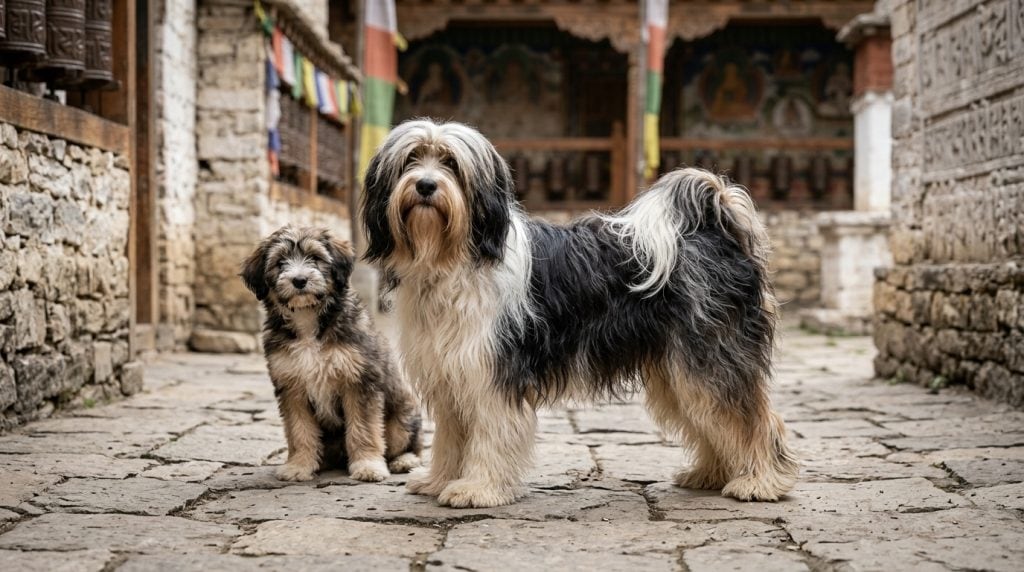
Tibetan Terriers often bring a sense of calm and companionship to their homes. Their gentle nature and moderate energy levels make them adaptable to various living situations. Owners frequently notice their affectionate yet independent spirit, making them both loving companions and self-assured dogs.
At a glance
Core care
- Size: Medium
- Energy: Moderate
- Grooming: Low
- Shedding: Low
Support style
- Sensitivity: Moderate
- Training style: Willing
Breed guide
Choose a section to explore. These notes describe common patterns, but individual dogs vary widely.
The Tibetan Terrier, despite its name, is not a true terrier but rather a breed developed in the monasteries of Tibet as a companion and sentinel. These dogs were highly valued by monks and villagers alike for their keen senses and loyalty. Today, this history of companionship and watchfulness translates into a dog that is both affectionate and alert, often forming strong bonds with their families.
Physically, Tibetan Terriers are medium-sized dogs with a distinct, shaggy coat that requires considerable grooming. Their compact build and sturdy frame make them well-suited for various activities, though they are not overly demanding in terms of exercise. Owners often find that their Tibetan Terrier’s physical presence is both comforting and manageable, fitting well into different home environments.
In terms of temperament, Tibetan Terriers are known for their friendly and gentle nature. They tend to be good-natured and sociable, enjoying the company of their human family members. However, they can also exhibit an independent streak, a trait that reflects their historical role as both companions and guardians. This balance of affection and independence is something owners frequently appreciate, as it allows for a harmonious household dynamic.
While Tibetan Terriers generally adapt well to various lifestyles, it’s important for potential owners to remember that each dog is an individual. Factors such as genetics, upbringing, and environment all play a role in shaping a dog’s personality and behaviour. As with any breed, understanding and accommodating these individual differences is key to a successful and rewarding relationship.
Tibetan Terriers are often described as having a social and engaging nature, which makes them a joy to have around. They tend to form close bonds with their family members, displaying a loyalty that is both endearing and reassuring. This social inclination means they often enjoy being involved in family activities, whether it’s a casual stroll in the park or simply lounging at home.
Their moderate sensitivity means that Tibetan Terriers are usually attuned to the emotions and moods of their owners. This can be a comforting trait, as they often seem to know when a gentle nuzzle or quiet companionship is needed. However, this sensitivity also means they may not respond well to harsh training methods, preferring a gentle and consistent approach that respects their intelligence and willingness to learn.
Owners often notice that Tibetan Terriers have a playful side, which can be a delightful part of their personality. They enjoy games and interactive play, which provides both physical and mental stimulation. This playfulness, combined with their moderate energy levels, means they can be both lively and relaxed, adapting their behaviour to suit the mood of the household.
While Tibetan Terriers generally exhibit these social and playful tendencies, it’s important to remember that individual dogs may vary. Some may be more reserved, while others might be more outgoing. Understanding and appreciating these differences is crucial for fostering a positive and fulfilling relationship with your Tibetan Terrier.
A typical day for a Tibetan Terrier involves a balance of moderate exercise and mental enrichment. These dogs enjoy daily walks, which help to satisfy their physical needs and provide opportunities for social interaction and exploration. While they may not require the intense exercise regimen of more energetic breeds, regular activity is essential to keep them healthy and content.
Mental enrichment is equally important for Tibetan Terriers, as they are intelligent dogs that thrive on mental challenges. Puzzle toys, training sessions, and interactive games are excellent ways to engage their minds and prevent boredom. Owners often find that a mix of physical and mental activities helps to keep their Tibetan Terrier well-rounded and happy.
As Tibetan Terriers age, their exercise needs may change. Puppies and young dogs typically have higher energy levels and may require more frequent play sessions to burn off excess energy. In contrast, older Tibetan Terriers may prefer shorter, more leisurely walks and gentler activities. Adjusting their routine to suit their life stage is crucial for their overall wellbeing.
While Tibetan Terriers generally adapt well to various activity levels, it’s important to avoid over-exercising them, especially in extreme weather conditions. Their thick coat can make them susceptible to overheating, so it’s best to schedule walks during cooler parts of the day and ensure they have access to plenty of water and shade.
Training a Tibetan Terrier often feels like a collaborative experience, as these dogs are both intelligent and willing to learn. They respond well to positive reinforcement techniques, which help to build a strong bond between the dog and owner. Consistency and patience are key, as Tibetan Terriers may sometimes exhibit an independent streak that requires gentle guidance.
Impulse control can be an area where Tibetan Terriers need support, particularly during adolescence. This is a time when they may test boundaries and explore their independence. Structured training sessions that focus on basic commands and impulse control exercises can be beneficial in helping them navigate this developmental stage.
Building a strong relationship with your Tibetan Terrier is essential for successful training. These dogs thrive on companionship and are more likely to respond positively when they feel secure and understood. Establishing a routine and setting clear expectations can help them feel more confident and eager to learn.
For those new to dog ownership or those facing challenges with their Tibetan Terrier’s training, seeking guidance from a professional trainer or enrolling in a course like “Puppy Beginnings: Building a Calm Start” can provide valuable insights and support. Understanding the nuances of their temperament and learning style can make the training process more enjoyable and effective for both dog and owner.
Tibetan Terriers tend to adapt well to various living environments, making them a versatile choice for different households. Their moderate energy levels and sociable nature mean they can thrive in both urban and rural settings, provided they receive adequate exercise and companionship.
Many owners find that Tibetan Terriers fit well into family life, often forming strong bonds with children and other pets. Their gentle and friendly disposition makes them a good match for homes with kids, though supervision is always recommended to ensure positive interactions. Their social nature also means they typically enjoy the company of other dogs, provided introductions are handled carefully.
While Tibetan Terriers are adaptable, they do appreciate a routine and a stable environment. They can be sensitive to changes in their surroundings, so providing a consistent schedule and a calm household can help them feel secure and content. This stability is particularly important for their emotional wellbeing.
Ultimately, the Tibetan Terrier’s suitability for a particular home depends on the individual dog’s personality and the owner’s lifestyle. Prospective owners should consider their own ability to meet the breed’s grooming and companionship needs, as well as their willingness to invest time in training and socialisation. Understanding these factors can help ensure a harmonious and fulfilling relationship.
The health and wellbeing of a Tibetan Terrier are closely linked to their overall quality of life. Regular veterinary check-ups and preventive care are essential for maintaining their health and catching any potential issues early. This proactive approach helps ensure they remain happy and active throughout their lives.
Tibetan Terriers can be prone to certain health conditions, such as hip dysplasia and eye disorders. Being aware of these potential issues allows owners to monitor their dogs for any signs of discomfort or changes in behaviour. Early intervention and treatment can often make a significant difference in managing these conditions.
Preventive care, including a balanced diet and regular exercise, plays a crucial role in supporting a Tibetan Terrier’s health. Ensuring they receive the right nutrients and maintaining a healthy weight can help prevent many common health problems. Additionally, regular grooming and dental care contribute to their overall wellbeing.
If any health concerns arise, seeking veterinary advice promptly is important. Tibetan Terriers, like all dogs, benefit from a supportive and attentive owner who is committed to their care. Understanding the breed’s specific health needs and being proactive in addressing them can help ensure a long and healthy life for your Tibetan Terrier.
The Tibetan Terrier’s origins are deeply rooted in the mountainous regions of Tibet, where they were bred by monks and villagers as companions and watchdogs. Despite their name, they are not true terriers but were so named by early Western visitors due to their size and appearance. These dogs were highly valued for their loyalty and keen senses, often serving as sentinels in monasteries and homes.
Their historical role in Tibet was multifaceted, as they were not only companions but also helped with herding and guarding livestock. This versatility is reflected in their modern temperament, where they exhibit both affection and alertness. Their ability to adapt to different roles and environments has made them a beloved breed across the world.
The breed’s development was influenced by the harsh conditions of their native land, which required a resilient and adaptable dog. Tibetan Terriers possess a thick, weather-resistant coat that protected them from the cold, and their sturdy build enabled them to navigate the rugged terrain. These physical traits continue to be appreciated by owners today, as they contribute to the breed’s unique appearance and capabilities.
Understanding the Tibetan Terrier’s history provides insight into their modern behaviour and characteristics. Their strong bonds with humans, alert nature, and adaptability can all be traced back to their origins in Tibet. This rich history not only adds to their charm but also helps owners appreciate the breed’s unique qualities and the legacy they carry.
What shapes individual dogs
- Early social experiences
- Training approach
- Environment & routine
- Genetics & breeding
- Health & pain
- Age / life stage
The Tibetan Terrier, despite its name, is not a true terrier but rather a breed developed in the monasteries of Tibet as a companion and sentinel. These dogs were highly valued by monks and villagers alike for their keen senses and loyalty. Today, this history of companionship and watchfulness translates into a dog that is both affectionate and alert, often forming strong bonds with their families.
Physically, Tibetan Terriers are medium-sized dogs with a distinct, shaggy coat that requires considerable grooming. Their compact build and sturdy frame make them well-suited for various activities, though they are not overly demanding in terms of exercise. Owners often find that their Tibetan Terrier’s physical presence is both comforting and manageable, fitting well into different home environments.
In terms of temperament, Tibetan Terriers are known for their friendly and gentle nature. They tend to be good-natured and sociable, enjoying the company of their human family members. However, they can also exhibit an independent streak, a trait that reflects their historical role as both companions and guardians. This balance of affection and independence is something owners frequently appreciate, as it allows for a harmonious household dynamic.
While Tibetan Terriers generally adapt well to various lifestyles, it’s important for potential owners to remember that each dog is an individual. Factors such as genetics, upbringing, and environment all play a role in shaping a dog’s personality and behaviour. As with any breed, understanding and accommodating these individual differences is key to a successful and rewarding relationship.
Tibetan Terriers are often described as having a social and engaging nature, which makes them a joy to have around. They tend to form close bonds with their family members, displaying a loyalty that is both endearing and reassuring. This social inclination means they often enjoy being involved in family activities, whether it’s a casual stroll in the park or simply lounging at home.
Their moderate sensitivity means that Tibetan Terriers are usually attuned to the emotions and moods of their owners. This can be a comforting trait, as they often seem to know when a gentle nuzzle or quiet companionship is needed. However, this sensitivity also means they may not respond well to harsh training methods, preferring a gentle and consistent approach that respects their intelligence and willingness to learn.
Owners often notice that Tibetan Terriers have a playful side, which can be a delightful part of their personality. They enjoy games and interactive play, which provides both physical and mental stimulation. This playfulness, combined with their moderate energy levels, means they can be both lively and relaxed, adapting their behaviour to suit the mood of the household.
While Tibetan Terriers generally exhibit these social and playful tendencies, it’s important to remember that individual dogs may vary. Some may be more reserved, while others might be more outgoing. Understanding and appreciating these differences is crucial for fostering a positive and fulfilling relationship with your Tibetan Terrier.
A typical day for a Tibetan Terrier involves a balance of moderate exercise and mental enrichment. These dogs enjoy daily walks, which help to satisfy their physical needs and provide opportunities for social interaction and exploration. While they may not require the intense exercise regimen of more energetic breeds, regular activity is essential to keep them healthy and content.
Mental enrichment is equally important for Tibetan Terriers, as they are intelligent dogs that thrive on mental challenges. Puzzle toys, training sessions, and interactive games are excellent ways to engage their minds and prevent boredom. Owners often find that a mix of physical and mental activities helps to keep their Tibetan Terrier well-rounded and happy.
As Tibetan Terriers age, their exercise needs may change. Puppies and young dogs typically have higher energy levels and may require more frequent play sessions to burn off excess energy. In contrast, older Tibetan Terriers may prefer shorter, more leisurely walks and gentler activities. Adjusting their routine to suit their life stage is crucial for their overall wellbeing.
While Tibetan Terriers generally adapt well to various activity levels, it’s important to avoid over-exercising them, especially in extreme weather conditions. Their thick coat can make them susceptible to overheating, so it’s best to schedule walks during cooler parts of the day and ensure they have access to plenty of water and shade.
Training a Tibetan Terrier often feels like a collaborative experience, as these dogs are both intelligent and willing to learn. They respond well to positive reinforcement techniques, which help to build a strong bond between the dog and owner. Consistency and patience are key, as Tibetan Terriers may sometimes exhibit an independent streak that requires gentle guidance.
Impulse control can be an area where Tibetan Terriers need support, particularly during adolescence. This is a time when they may test boundaries and explore their independence. Structured training sessions that focus on basic commands and impulse control exercises can be beneficial in helping them navigate this developmental stage.
Building a strong relationship with your Tibetan Terrier is essential for successful training. These dogs thrive on companionship and are more likely to respond positively when they feel secure and understood. Establishing a routine and setting clear expectations can help them feel more confident and eager to learn.
For those new to dog ownership or those facing challenges with their Tibetan Terrier’s training, seeking guidance from a professional trainer or enrolling in a course like “Puppy Beginnings: Building a Calm Start” can provide valuable insights and support. Understanding the nuances of their temperament and learning style can make the training process more enjoyable and effective for both dog and owner.
Tibetan Terriers tend to adapt well to various living environments, making them a versatile choice for different households. Their moderate energy levels and sociable nature mean they can thrive in both urban and rural settings, provided they receive adequate exercise and companionship.
Many owners find that Tibetan Terriers fit well into family life, often forming strong bonds with children and other pets. Their gentle and friendly disposition makes them a good match for homes with kids, though supervision is always recommended to ensure positive interactions. Their social nature also means they typically enjoy the company of other dogs, provided introductions are handled carefully.
While Tibetan Terriers are adaptable, they do appreciate a routine and a stable environment. They can be sensitive to changes in their surroundings, so providing a consistent schedule and a calm household can help them feel secure and content. This stability is particularly important for their emotional wellbeing.
Ultimately, the Tibetan Terrier’s suitability for a particular home depends on the individual dog’s personality and the owner’s lifestyle. Prospective owners should consider their own ability to meet the breed’s grooming and companionship needs, as well as their willingness to invest time in training and socialisation. Understanding these factors can help ensure a harmonious and fulfilling relationship.
The health and wellbeing of a Tibetan Terrier are closely linked to their overall quality of life. Regular veterinary check-ups and preventive care are essential for maintaining their health and catching any potential issues early. This proactive approach helps ensure they remain happy and active throughout their lives.
Tibetan Terriers can be prone to certain health conditions, such as hip dysplasia and eye disorders. Being aware of these potential issues allows owners to monitor their dogs for any signs of discomfort or changes in behaviour. Early intervention and treatment can often make a significant difference in managing these conditions.
Preventive care, including a balanced diet and regular exercise, plays a crucial role in supporting a Tibetan Terrier’s health. Ensuring they receive the right nutrients and maintaining a healthy weight can help prevent many common health problems. Additionally, regular grooming and dental care contribute to their overall wellbeing.
If any health concerns arise, seeking veterinary advice promptly is important. Tibetan Terriers, like all dogs, benefit from a supportive and attentive owner who is committed to their care. Understanding the breed’s specific health needs and being proactive in addressing them can help ensure a long and healthy life for your Tibetan Terrier.
The Tibetan Terrier’s origins are deeply rooted in the mountainous regions of Tibet, where they were bred by monks and villagers as companions and watchdogs. Despite their name, they are not true terriers but were so named by early Western visitors due to their size and appearance. These dogs were highly valued for their loyalty and keen senses, often serving as sentinels in monasteries and homes.
Their historical role in Tibet was multifaceted, as they were not only companions but also helped with herding and guarding livestock. This versatility is reflected in their modern temperament, where they exhibit both affection and alertness. Their ability to adapt to different roles and environments has made them a beloved breed across the world.
The breed’s development was influenced by the harsh conditions of their native land, which required a resilient and adaptable dog. Tibetan Terriers possess a thick, weather-resistant coat that protected them from the cold, and their sturdy build enabled them to navigate the rugged terrain. These physical traits continue to be appreciated by owners today, as they contribute to the breed’s unique appearance and capabilities.
Understanding the Tibetan Terrier’s history provides insight into their modern behaviour and characteristics. Their strong bonds with humans, alert nature, and adaptability can all be traced back to their origins in Tibet. This rich history not only adds to their charm but also helps owners appreciate the breed’s unique qualities and the legacy they carry.
What shapes individual dogs
- Early social experiences
- Training approach
- Environment & routine
- Genetics & breeding
- Health & pain
- Age / life stage
Want support with this?
This course offers valuable insights into raising a well-adjusted Tibetan Terrier, especially useful for new owners or those facing training challenges.