
Tibetan Mastiff
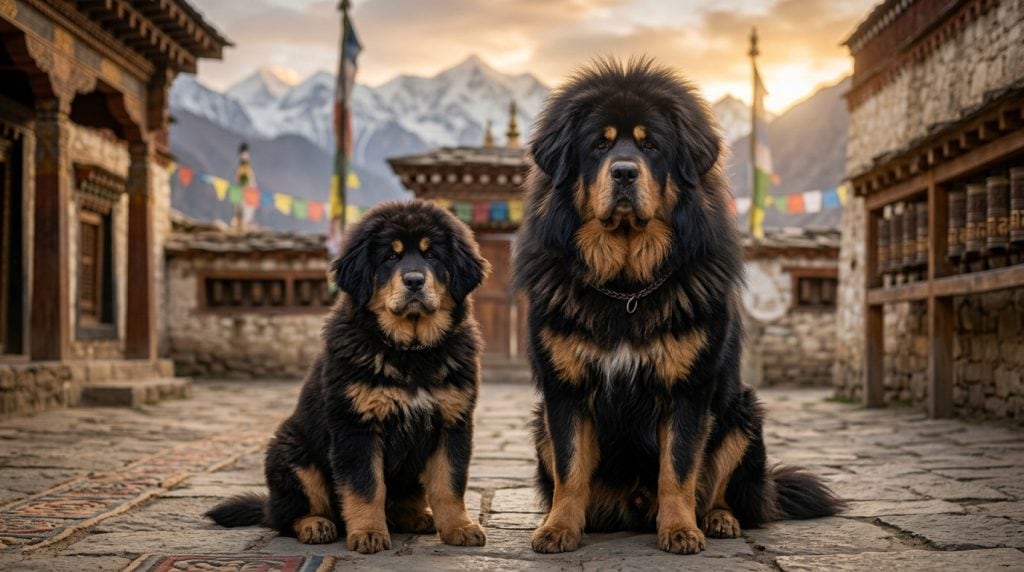
Living with a Tibetan Mastiff often feels like sharing your space with a gentle giant. Their imposing presence is matched by a calm demeanour, though they do have a strong sense of independence. Many owners appreciate their watchful nature, as these dogs tend to be protective of their home and family, yet they can also be surprisingly affectionate with those they trust.
At a glance
Core care
- Size: Giant
- Energy: Moderate
- Grooming: Low
- Shedding: Moderate
Support style
- Sensitivity: Moderate
- Training style: Independent
Breed guide
Choose a section to explore. These notes describe common patterns, but individual dogs vary widely.
The Tibetan Mastiff’s origins as a guardian of livestock in the harsh terrains of the Himalayas have shaped its character into what we see today. This breed was developed to be independent and protective, traits necessary for surviving and thriving in the rugged mountains. Today, these dogs retain their strong protective instincts, often watching over their family with a calm but vigilant presence. Their history as working dogs means they are naturally inclined to be alert and aware of their surroundings.
Physically, the Tibetan Mastiff is a giant breed, known for its impressive size and strength. This can be both a blessing and a challenge in everyday life. Their large stature means they require ample space to move around comfortably. Owners often note their dog’s majestic appearance, with a thick double coat that adds to their imposing look. This coat serves as protection against harsh weather, a nod to their origins, but also requires regular maintenance to keep it in good condition.
In terms of temperament, Tibetan Mastiffs are known for their independent nature. They are not the type of dog that will follow commands blindly; rather, they think for themselves and make decisions based on their understanding of a situation. This independence can sometimes be mistaken for stubbornness, but it is a reflection of their intelligence and self-reliance. Owners often find that these dogs are loyal and devoted to their families, forming strong bonds with those they trust.
While the breed has distinct characteristics, it’s important to remember that each Tibetan Mastiff is an individual. Factors such as upbringing, training, and socialisation play significant roles in shaping their behaviour. Prospective owners should be prepared for a dog that may not fit the typical mould, and should embrace the unique personality of their Tibetan Mastiff.
Tibetan Mastiffs are often described as aloof with strangers, yet deeply loyal to their family. This breed tends to form strong bonds with those they trust, showing a protective nature that comes from their history as guardians. Owners frequently observe that their Tibetan Mastiff will keep a watchful eye on the household, always alert to any changes in their environment.
This breed’s independent nature means they may not always seek out human companionship in the same way more social breeds do. However, this doesn’t mean they don’t enjoy being around their family. Many Tibetan Mastiffs prefer to be near their loved ones, often choosing to lie quietly in the same room, content with just being part of the family dynamic. Their independence can sometimes be mistaken for aloofness, but it’s simply a part of their character.
Sensitivity in Tibetan Mastiffs is moderate, which means they can be perceptive to the emotions and moods of their owners. This sensitivity, combined with their intelligence, allows them to pick up on cues and respond accordingly, though they may not always do so immediately. Training requires patience and understanding, as these dogs often need time to process commands and decide on their response.
Trainability can vary among individuals, with some Tibetan Mastiffs showing a more eager-to-please attitude than others. Consistency and positive reinforcement are key to successful training, as these dogs respond better to encouragement than to harsh methods. Owners often find that building a strong, trusting relationship with their Tibetan Mastiff is essential to navigating their independent streak and ensuring a harmonious living situation.
A typical day for a Tibetan Mastiff involves moderate exercise, which is essential to keep them healthy and content. While they are not as high-energy as some other working breeds, they do benefit from daily walks and time spent outdoors. Many owners find that a couple of leisurely walks each day, combined with some playtime in a secure garden, is sufficient to meet their exercise needs.
Mental enrichment is just as important as physical activity for this intelligent breed. Tibetan Mastiffs enjoy problem-solving activities and games that challenge their minds. Puzzle toys, scent work, and interactive games can be great ways to keep them mentally stimulated. Owners often notice that their dogs enjoy tasks that allow them to use their natural instincts, such as guarding or watching over their home.
It’s important to avoid over-exercising young Tibetan Mastiffs, as their growing joints can be susceptible to strain. Gradually increasing their activity level as they mature helps prevent injury and ensures they develop strong, healthy muscles and bones. Adult dogs generally enjoy a more consistent routine, but it’s always wise to adjust based on the individual dog’s energy levels and health needs.
As Tibetan Mastiffs age, their exercise requirements may decrease, but they still benefit from regular, gentle activity to maintain their health and mobility. Owners should be mindful of their dog’s changing needs and adjust their routines accordingly. Keeping a Tibetan Mastiff engaged, both physically and mentally, contributes to their overall wellbeing and helps prevent boredom-related behaviours.
Training a Tibetan Mastiff can feel like a balancing act between encouraging their independent spirit and guiding them towards desired behaviours. Owners often find that these dogs require a patient and consistent approach, as their independent nature means they may not respond immediately to commands. Building a trusting relationship is crucial, as Tibetan Mastiffs are more likely to cooperate when they feel respected and understood.
Positive reinforcement tends to be the most effective training method for this breed. Rewarding desired behaviours with treats, praise, or playtime helps motivate them to repeat those actions. It’s important to be consistent with commands and expectations, as Tibetan Mastiffs can be quick to notice inconsistencies and may test boundaries if they sense uncertainty.
During adolescence, Tibetan Mastiffs may exhibit more challenging behaviours as they test their limits and explore their independence. This phase requires extra patience and understanding, as well as a firm but gentle approach. Owners often find that maintaining a calm and composed demeanour helps prevent power struggles and encourages cooperation.
The importance of early socialisation cannot be overstated for Tibetan Mastiffs. Exposing them to a variety of people, animals, and environments from a young age helps them develop into well-rounded adults. This exposure, combined with consistent training, supports their ability to adapt to different situations and reduces the likelihood of fear-based reactions. Overall, training a Tibetan Mastiff is a rewarding journey that strengthens the bond between dog and owner.
Tibetan Mastiffs tend to thrive in homes where they have space to move and explore. Their large size means they are better suited to houses with gardens rather than small apartments. Many owners find that a secure, fenced garden provides an ideal environment for their dog to enjoy some freedom while staying safe.
This breed can coexist well with children and other pets, provided they are introduced and socialised properly. Tibetan Mastiffs are often protective of their family, including younger members, but supervision is always recommended to ensure harmonious interactions. Their guarding instincts mean they may be wary of unfamiliar animals, so gradual introductions are key.
Owners often notice that Tibetan Mastiffs are happiest when they have a job to do, even if that job is simply watching over the household. They appreciate having a routine and can become restless if left alone for extended periods. A family that can provide companionship and engage with their Tibetan Mastiff regularly is likely to find a more content and well-behaved dog.
Ultimately, the Tibetan Mastiff is a breed that requires a thoughtful approach to lifestyle matching. Prospective owners should consider their ability to meet the breed’s needs for space, companionship, and mental stimulation. While these dogs can be adaptable, they are best suited to homes that understand and appreciate their unique characteristics.
The health and wellbeing of a Tibetan Mastiff are closely linked to their everyday care and lifestyle. Like many giant breeds, they can be prone to certain health issues, but with attentive care, they can lead healthy lives. Regular veterinary check-ups are essential to monitor their health and catch any potential problems early.
Common health considerations for Tibetan Mastiffs include hip and elbow dysplasia, which can affect their mobility. Maintaining a healthy weight and providing appropriate exercise can help manage these conditions. Owners should also be aware of the signs of joint discomfort and seek veterinary advice if they notice any changes in their dog’s movement or behaviour.
Preventive care plays a crucial role in the overall health of a Tibetan Mastiff. Regular vaccinations, parasite control, and dental care are all important aspects of their health routine. Many owners find that a balanced diet tailored to their dog’s specific needs supports their health and vitality.
It’s important for owners to be observant and responsive to any changes in their Tibetan Mastiff’s behaviour or physical condition. Early intervention can make a significant difference in managing health issues. By staying informed and proactive, owners can help ensure their Tibetan Mastiff enjoys a long, healthy life.
The Tibetan Mastiff’s history is deeply rooted in the mountainous regions of Tibet, where they served as guardians of livestock and property. These dogs were bred by nomadic cultures to protect their flocks from predators such as wolves and leopards. Their role as protectors required them to be independent, strong, and fearless, traits that are still evident in the breed today.
Over centuries, the Tibetan Mastiff developed into a breed capable of withstanding harsh climates and rugged terrain. Their thick double coat provided insulation against the cold, while their size and strength enabled them to deter threats effectively. This background as a working dog has contributed to their modern-day characteristics, including their protective nature and independence.
The breed’s journey from the remote areas of Tibet to the rest of the world began in the 19th century when they were introduced to Europe and later to other parts of the globe. Their unique appearance and impressive guarding abilities caught the attention of dog enthusiasts, leading to their gradual spread and recognition as a distinct breed.
Today, the Tibetan Mastiff is appreciated not only for its historical significance but also for its loyal and protective nature. While they may no longer need to guard livestock, their instincts remain strong, making them devoted family companions. Understanding their history helps owners appreciate the breed’s unique traits and the role they can play in a modern household.
What shapes individual dogs
- Early social experiences
- Training approach
- Environment & routine
- Genetics & breeding
- Health & pain
- Age / life stage
The Tibetan Mastiff’s origins as a guardian of livestock in the harsh terrains of the Himalayas have shaped its character into what we see today. This breed was developed to be independent and protective, traits necessary for surviving and thriving in the rugged mountains. Today, these dogs retain their strong protective instincts, often watching over their family with a calm but vigilant presence. Their history as working dogs means they are naturally inclined to be alert and aware of their surroundings.
Physically, the Tibetan Mastiff is a giant breed, known for its impressive size and strength. This can be both a blessing and a challenge in everyday life. Their large stature means they require ample space to move around comfortably. Owners often note their dog’s majestic appearance, with a thick double coat that adds to their imposing look. This coat serves as protection against harsh weather, a nod to their origins, but also requires regular maintenance to keep it in good condition.
In terms of temperament, Tibetan Mastiffs are known for their independent nature. They are not the type of dog that will follow commands blindly; rather, they think for themselves and make decisions based on their understanding of a situation. This independence can sometimes be mistaken for stubbornness, but it is a reflection of their intelligence and self-reliance. Owners often find that these dogs are loyal and devoted to their families, forming strong bonds with those they trust.
While the breed has distinct characteristics, it’s important to remember that each Tibetan Mastiff is an individual. Factors such as upbringing, training, and socialisation play significant roles in shaping their behaviour. Prospective owners should be prepared for a dog that may not fit the typical mould, and should embrace the unique personality of their Tibetan Mastiff.
Tibetan Mastiffs are often described as aloof with strangers, yet deeply loyal to their family. This breed tends to form strong bonds with those they trust, showing a protective nature that comes from their history as guardians. Owners frequently observe that their Tibetan Mastiff will keep a watchful eye on the household, always alert to any changes in their environment.
This breed’s independent nature means they may not always seek out human companionship in the same way more social breeds do. However, this doesn’t mean they don’t enjoy being around their family. Many Tibetan Mastiffs prefer to be near their loved ones, often choosing to lie quietly in the same room, content with just being part of the family dynamic. Their independence can sometimes be mistaken for aloofness, but it’s simply a part of their character.
Sensitivity in Tibetan Mastiffs is moderate, which means they can be perceptive to the emotions and moods of their owners. This sensitivity, combined with their intelligence, allows them to pick up on cues and respond accordingly, though they may not always do so immediately. Training requires patience and understanding, as these dogs often need time to process commands and decide on their response.
Trainability can vary among individuals, with some Tibetan Mastiffs showing a more eager-to-please attitude than others. Consistency and positive reinforcement are key to successful training, as these dogs respond better to encouragement than to harsh methods. Owners often find that building a strong, trusting relationship with their Tibetan Mastiff is essential to navigating their independent streak and ensuring a harmonious living situation.
A typical day for a Tibetan Mastiff involves moderate exercise, which is essential to keep them healthy and content. While they are not as high-energy as some other working breeds, they do benefit from daily walks and time spent outdoors. Many owners find that a couple of leisurely walks each day, combined with some playtime in a secure garden, is sufficient to meet their exercise needs.
Mental enrichment is just as important as physical activity for this intelligent breed. Tibetan Mastiffs enjoy problem-solving activities and games that challenge their minds. Puzzle toys, scent work, and interactive games can be great ways to keep them mentally stimulated. Owners often notice that their dogs enjoy tasks that allow them to use their natural instincts, such as guarding or watching over their home.
It’s important to avoid over-exercising young Tibetan Mastiffs, as their growing joints can be susceptible to strain. Gradually increasing their activity level as they mature helps prevent injury and ensures they develop strong, healthy muscles and bones. Adult dogs generally enjoy a more consistent routine, but it’s always wise to adjust based on the individual dog’s energy levels and health needs.
As Tibetan Mastiffs age, their exercise requirements may decrease, but they still benefit from regular, gentle activity to maintain their health and mobility. Owners should be mindful of their dog’s changing needs and adjust their routines accordingly. Keeping a Tibetan Mastiff engaged, both physically and mentally, contributes to their overall wellbeing and helps prevent boredom-related behaviours.
Training a Tibetan Mastiff can feel like a balancing act between encouraging their independent spirit and guiding them towards desired behaviours. Owners often find that these dogs require a patient and consistent approach, as their independent nature means they may not respond immediately to commands. Building a trusting relationship is crucial, as Tibetan Mastiffs are more likely to cooperate when they feel respected and understood.
Positive reinforcement tends to be the most effective training method for this breed. Rewarding desired behaviours with treats, praise, or playtime helps motivate them to repeat those actions. It’s important to be consistent with commands and expectations, as Tibetan Mastiffs can be quick to notice inconsistencies and may test boundaries if they sense uncertainty.
During adolescence, Tibetan Mastiffs may exhibit more challenging behaviours as they test their limits and explore their independence. This phase requires extra patience and understanding, as well as a firm but gentle approach. Owners often find that maintaining a calm and composed demeanour helps prevent power struggles and encourages cooperation.
The importance of early socialisation cannot be overstated for Tibetan Mastiffs. Exposing them to a variety of people, animals, and environments from a young age helps them develop into well-rounded adults. This exposure, combined with consistent training, supports their ability to adapt to different situations and reduces the likelihood of fear-based reactions. Overall, training a Tibetan Mastiff is a rewarding journey that strengthens the bond between dog and owner.
Tibetan Mastiffs tend to thrive in homes where they have space to move and explore. Their large size means they are better suited to houses with gardens rather than small apartments. Many owners find that a secure, fenced garden provides an ideal environment for their dog to enjoy some freedom while staying safe.
This breed can coexist well with children and other pets, provided they are introduced and socialised properly. Tibetan Mastiffs are often protective of their family, including younger members, but supervision is always recommended to ensure harmonious interactions. Their guarding instincts mean they may be wary of unfamiliar animals, so gradual introductions are key.
Owners often notice that Tibetan Mastiffs are happiest when they have a job to do, even if that job is simply watching over the household. They appreciate having a routine and can become restless if left alone for extended periods. A family that can provide companionship and engage with their Tibetan Mastiff regularly is likely to find a more content and well-behaved dog.
Ultimately, the Tibetan Mastiff is a breed that requires a thoughtful approach to lifestyle matching. Prospective owners should consider their ability to meet the breed’s needs for space, companionship, and mental stimulation. While these dogs can be adaptable, they are best suited to homes that understand and appreciate their unique characteristics.
The health and wellbeing of a Tibetan Mastiff are closely linked to their everyday care and lifestyle. Like many giant breeds, they can be prone to certain health issues, but with attentive care, they can lead healthy lives. Regular veterinary check-ups are essential to monitor their health and catch any potential problems early.
Common health considerations for Tibetan Mastiffs include hip and elbow dysplasia, which can affect their mobility. Maintaining a healthy weight and providing appropriate exercise can help manage these conditions. Owners should also be aware of the signs of joint discomfort and seek veterinary advice if they notice any changes in their dog’s movement or behaviour.
Preventive care plays a crucial role in the overall health of a Tibetan Mastiff. Regular vaccinations, parasite control, and dental care are all important aspects of their health routine. Many owners find that a balanced diet tailored to their dog’s specific needs supports their health and vitality.
It’s important for owners to be observant and responsive to any changes in their Tibetan Mastiff’s behaviour or physical condition. Early intervention can make a significant difference in managing health issues. By staying informed and proactive, owners can help ensure their Tibetan Mastiff enjoys a long, healthy life.
The Tibetan Mastiff’s history is deeply rooted in the mountainous regions of Tibet, where they served as guardians of livestock and property. These dogs were bred by nomadic cultures to protect their flocks from predators such as wolves and leopards. Their role as protectors required them to be independent, strong, and fearless, traits that are still evident in the breed today.
Over centuries, the Tibetan Mastiff developed into a breed capable of withstanding harsh climates and rugged terrain. Their thick double coat provided insulation against the cold, while their size and strength enabled them to deter threats effectively. This background as a working dog has contributed to their modern-day characteristics, including their protective nature and independence.
The breed’s journey from the remote areas of Tibet to the rest of the world began in the 19th century when they were introduced to Europe and later to other parts of the globe. Their unique appearance and impressive guarding abilities caught the attention of dog enthusiasts, leading to their gradual spread and recognition as a distinct breed.
Today, the Tibetan Mastiff is appreciated not only for its historical significance but also for its loyal and protective nature. While they may no longer need to guard livestock, their instincts remain strong, making them devoted family companions. Understanding their history helps owners appreciate the breed’s unique traits and the role they can play in a modern household.
What shapes individual dogs
- Early social experiences
- Training approach
- Environment & routine
- Genetics & breeding
- Health & pain
- Age / life stage
Want support with this?
This course is relevant for owners of Tibetan Mastiffs because it helps in understanding the breed's complex temperament and independent nature.