
Soft Coated Wheaten Terrier
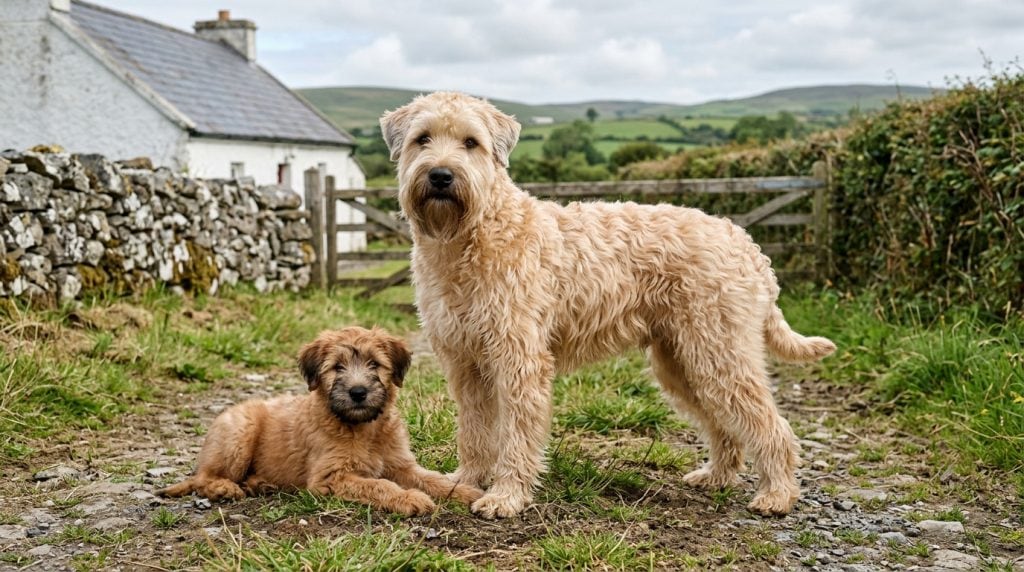
Living with a Soft Coated Wheaten Terrier often means having a companion that's both lively and affectionate. Their spirited nature can bring a joyful energy to the home, while their loyalty often means they enjoy being part of family activities. Owners frequently appreciate their playful yet gentle demeanor, which can make them delightful company.
At a glance
Core care
- Size: Medium
- Energy: Moderate to high
- Grooming: Low
- Shedding: Low
Support style
- Sensitivity: Moderate
- Training style: Willing
Breed guide
Choose a section to explore. These notes describe common patterns, but individual dogs vary widely.
The Soft Coated Wheaten Terrier has its roots in Ireland, where it was bred as a versatile farm dog, adept at herding, guarding, and hunting vermin. This background explains why many Wheatens today are known for their agility and alertness. They often have a keen sense of their surroundings and a readiness to engage, traits that are deeply embedded in their working heritage.
Physically, the Wheaten is a medium-sized dog with a distinctive soft, silky coat that sets it apart from other terriers. This coat, which requires regular grooming to maintain its texture and prevent matting, is low-shedding, making them a popular choice for those who prefer less hair around the house. Their expressive eyes and lively stance often reflect their curious and engaging nature.
In terms of temperament, Wheatens are typically spirited and friendly. They often form strong bonds with their families and enjoy being involved in daily activities. While they generally have a moderate sensitivity, their willingness to please can make them relatively easy to train. However, like any breed, individual personalities can vary, with some Wheatens being more independent or reserved.
It’s important for potential owners to recognize that while breed traits provide a general guide, each Wheaten is unique. Factors such as genetics, upbringing, and environment play significant roles in shaping their behavior. Thus, while many Wheatens share common traits, there is always room for individual variation, making each dog a unique companion.
Soft Coated Wheaten Terriers are often noted for their sociable nature, making them a warm presence in many homes. They tend to enjoy being around people and can often be found following their owners from room to room, eager to be part of the action. This social inclination is likely rooted in their history as farm dogs, where being attuned to human cues was essential.
Their behaviour often reflects a blend of playfulness and attentiveness. Many owners find that Wheatens are quick to engage in games or activities, displaying a zest for life that can be infectious. This playful spirit is balanced by a moderate sensitivity, meaning they can be quite perceptive to their owner’s moods and changes in the environment.
Wheatens are generally known for their willingness to learn, which can make training a rewarding experience. Their trainability often shines through in their eagerness to please, though they may occasionally show a streak of independence. This blend of traits means that while they are generally cooperative, they may also appreciate a varied training approach to keep them engaged.
Overall, living with a Wheaten can be a joyful experience, filled with moments of companionship and fun. However, it’s important to remember that each dog is an individual. While many Wheatens share these social and trainable tendencies, there will always be variations influenced by their unique experiences and personalities.
A typical day with a Soft Coated Wheaten Terrier often involves a good mix of physical activity and mental stimulation. With their moderate to high energy levels, they usually enjoy a couple of brisk walks or play sessions each day. Activities such as fetch or agility exercises can be particularly enjoyable for them, tapping into their natural agility and enthusiasm.
Mental enrichment is equally important for Wheatens, as their intelligent nature thrives on challenges. Puzzle toys, scent games, or basic obedience training can provide them with the mental stimulation they need. Owners often find that engaging their Wheaten’s mind helps to prevent boredom and the potential for mischievous behaviour.
As Wheatens age, their exercise needs may change. While puppies and young adults often require more vigorous activity, older Wheatens might appreciate gentler walks and more relaxed play. It’s important to adjust their routine to match their life stage, ensuring they remain healthy and happy throughout their lives.
Avoiding excessive exercise is also key, as overexertion can lead to joint issues or fatigue. Striking a balance between activity and rest helps maintain their wellbeing. Owners who understand and cater to their Wheaten’s exercise and enrichment needs often find they have a content and well-adjusted companion.
Training a Soft Coated Wheaten Terrier often feels like a collaborative effort, as these dogs are typically eager to engage and learn. Their willingness to please can make training sessions enjoyable and productive. Many owners find that positive reinforcement methods, such as treats and praise, work well with this breed, encouraging them to repeat desired behaviours.
Impulse control can be a focus during training, as Wheatens, with their lively nature, may occasionally act on their instincts. Teaching commands like ‘wait’ or ‘leave it’ can help manage their impulses, particularly in stimulating environments. Consistency and patience are key, as these dogs respond well to a steady and encouraging approach.
Adolescence can bring its own set of challenges, as Wheatens may test boundaries during this stage. It’s a time when maintaining a strong relationship and consistent training routine is crucial. Owners often find that continuing socialisation and training through adolescence helps reinforce good manners and strengthens the bond between dog and owner.
Overall, training a Wheaten can be a rewarding journey. Their natural intelligence and eagerness to please often make them quick learners. By fostering a positive and consistent training environment, owners can help their Wheaten develop into a well-mannered and happy companion.
Soft Coated Wheaten Terriers often thrive in homes where they can be active participants in family life. Their social nature means they typically enjoy being around people and can adapt well to various living environments, whether it’s a house with a garden or an apartment with regular outdoor access. Their moderate size makes them versatile in different settings.
Many owners find that Wheatens do well in homes with children, as their playful and gentle disposition can make them good companions for kids. However, as with any breed, supervision and teaching children how to interact respectfully with dogs are important to ensure positive interactions.
When it comes to living with other pets, Wheatens can generally coexist peacefully, especially if they are introduced to other animals from a young age. Their friendly nature often extends to other dogs, though their terrier instincts may occasionally come into play, particularly with smaller animals.
Ultimately, a home that can provide the right balance of activity, companionship, and mental stimulation tends to suit a Wheaten well. Prospective owners should consider their own lifestyle and how a Wheaten’s needs align with it, ensuring a harmonious and fulfilling relationship.
The overall health of a Soft Coated Wheaten Terrier is closely tied to their everyday wellbeing. Like any breed, they can be prone to certain health issues, but proactive care can make a significant difference. Regular veterinary check-ups are essential to monitor their health and catch any potential issues early.
Some Wheatens may be predisposed to conditions such as protein-losing nephropathy (PLN) and protein-losing enteropathy (PLE), which affect the kidneys and intestines, respectively. Awareness of these conditions and working closely with a vet can help manage their health effectively. Regular screenings and a balanced diet can support their overall wellbeing.
Preventive care, including vaccinations, parasite control, and dental hygiene, plays a crucial role in maintaining a Wheaten’s health. Owners often find that keeping up with these routine care measures helps prevent common health problems and contributes to a longer, healthier life.
It’s important for owners to be observant of any changes in their Wheaten’s behaviour or physical condition and seek veterinary advice when necessary. By staying informed and attentive, owners can ensure their Wheaten remains a healthy and happy member of the family.
The Soft Coated Wheaten Terrier hails from Ireland, where it was developed as an all-purpose farm dog. Its origins date back over 200 years, with the breed serving as a versatile worker, adept at herding livestock, guarding the homestead, and hunting vermin. This multifunctional role required a dog that was both agile and intelligent, traits that remain evident in Wheatens today.
The breed’s development was shaped by necessity, as Irish farmers needed a reliable and resilient dog that could handle various tasks. The Wheaten’s adaptability and keen instincts were highly valued, and these characteristics have been preserved through careful breeding. Their soft, silky coat, which sets them apart from other terriers, was also a practical choice for working in Ireland’s often damp climate.
As the breed gained recognition, it was eventually brought to other countries, including the United States and the UK, where it became appreciated not only for its working abilities but also for its friendly and engaging personality. The Wheaten’s transition from a working farm dog to a beloved companion animal highlights its versatility and enduring appeal.
Today, the Soft Coated Wheaten Terrier is cherished for its spirited nature and strong bond with its family. Its history as a hardworking and adaptable breed is reflected in its modern-day traits, making it a unique and cherished member of the terrier group.
What shapes individual dogs
- Early social experiences
- Training approach
- Environment & routine
- Genetics & breeding
- Health & pain
- Age / life stage
The Soft Coated Wheaten Terrier has its roots in Ireland, where it was bred as a versatile farm dog, adept at herding, guarding, and hunting vermin. This background explains why many Wheatens today are known for their agility and alertness. They often have a keen sense of their surroundings and a readiness to engage, traits that are deeply embedded in their working heritage.
Physically, the Wheaten is a medium-sized dog with a distinctive soft, silky coat that sets it apart from other terriers. This coat, which requires regular grooming to maintain its texture and prevent matting, is low-shedding, making them a popular choice for those who prefer less hair around the house. Their expressive eyes and lively stance often reflect their curious and engaging nature.
In terms of temperament, Wheatens are typically spirited and friendly. They often form strong bonds with their families and enjoy being involved in daily activities. While they generally have a moderate sensitivity, their willingness to please can make them relatively easy to train. However, like any breed, individual personalities can vary, with some Wheatens being more independent or reserved.
It’s important for potential owners to recognize that while breed traits provide a general guide, each Wheaten is unique. Factors such as genetics, upbringing, and environment play significant roles in shaping their behavior. Thus, while many Wheatens share common traits, there is always room for individual variation, making each dog a unique companion.
Soft Coated Wheaten Terriers are often noted for their sociable nature, making them a warm presence in many homes. They tend to enjoy being around people and can often be found following their owners from room to room, eager to be part of the action. This social inclination is likely rooted in their history as farm dogs, where being attuned to human cues was essential.
Their behaviour often reflects a blend of playfulness and attentiveness. Many owners find that Wheatens are quick to engage in games or activities, displaying a zest for life that can be infectious. This playful spirit is balanced by a moderate sensitivity, meaning they can be quite perceptive to their owner’s moods and changes in the environment.
Wheatens are generally known for their willingness to learn, which can make training a rewarding experience. Their trainability often shines through in their eagerness to please, though they may occasionally show a streak of independence. This blend of traits means that while they are generally cooperative, they may also appreciate a varied training approach to keep them engaged.
Overall, living with a Wheaten can be a joyful experience, filled with moments of companionship and fun. However, it’s important to remember that each dog is an individual. While many Wheatens share these social and trainable tendencies, there will always be variations influenced by their unique experiences and personalities.
A typical day with a Soft Coated Wheaten Terrier often involves a good mix of physical activity and mental stimulation. With their moderate to high energy levels, they usually enjoy a couple of brisk walks or play sessions each day. Activities such as fetch or agility exercises can be particularly enjoyable for them, tapping into their natural agility and enthusiasm.
Mental enrichment is equally important for Wheatens, as their intelligent nature thrives on challenges. Puzzle toys, scent games, or basic obedience training can provide them with the mental stimulation they need. Owners often find that engaging their Wheaten’s mind helps to prevent boredom and the potential for mischievous behaviour.
As Wheatens age, their exercise needs may change. While puppies and young adults often require more vigorous activity, older Wheatens might appreciate gentler walks and more relaxed play. It’s important to adjust their routine to match their life stage, ensuring they remain healthy and happy throughout their lives.
Avoiding excessive exercise is also key, as overexertion can lead to joint issues or fatigue. Striking a balance between activity and rest helps maintain their wellbeing. Owners who understand and cater to their Wheaten’s exercise and enrichment needs often find they have a content and well-adjusted companion.
Training a Soft Coated Wheaten Terrier often feels like a collaborative effort, as these dogs are typically eager to engage and learn. Their willingness to please can make training sessions enjoyable and productive. Many owners find that positive reinforcement methods, such as treats and praise, work well with this breed, encouraging them to repeat desired behaviours.
Impulse control can be a focus during training, as Wheatens, with their lively nature, may occasionally act on their instincts. Teaching commands like ‘wait’ or ‘leave it’ can help manage their impulses, particularly in stimulating environments. Consistency and patience are key, as these dogs respond well to a steady and encouraging approach.
Adolescence can bring its own set of challenges, as Wheatens may test boundaries during this stage. It’s a time when maintaining a strong relationship and consistent training routine is crucial. Owners often find that continuing socialisation and training through adolescence helps reinforce good manners and strengthens the bond between dog and owner.
Overall, training a Wheaten can be a rewarding journey. Their natural intelligence and eagerness to please often make them quick learners. By fostering a positive and consistent training environment, owners can help their Wheaten develop into a well-mannered and happy companion.
Soft Coated Wheaten Terriers often thrive in homes where they can be active participants in family life. Their social nature means they typically enjoy being around people and can adapt well to various living environments, whether it’s a house with a garden or an apartment with regular outdoor access. Their moderate size makes them versatile in different settings.
Many owners find that Wheatens do well in homes with children, as their playful and gentle disposition can make them good companions for kids. However, as with any breed, supervision and teaching children how to interact respectfully with dogs are important to ensure positive interactions.
When it comes to living with other pets, Wheatens can generally coexist peacefully, especially if they are introduced to other animals from a young age. Their friendly nature often extends to other dogs, though their terrier instincts may occasionally come into play, particularly with smaller animals.
Ultimately, a home that can provide the right balance of activity, companionship, and mental stimulation tends to suit a Wheaten well. Prospective owners should consider their own lifestyle and how a Wheaten’s needs align with it, ensuring a harmonious and fulfilling relationship.
The overall health of a Soft Coated Wheaten Terrier is closely tied to their everyday wellbeing. Like any breed, they can be prone to certain health issues, but proactive care can make a significant difference. Regular veterinary check-ups are essential to monitor their health and catch any potential issues early.
Some Wheatens may be predisposed to conditions such as protein-losing nephropathy (PLN) and protein-losing enteropathy (PLE), which affect the kidneys and intestines, respectively. Awareness of these conditions and working closely with a vet can help manage their health effectively. Regular screenings and a balanced diet can support their overall wellbeing.
Preventive care, including vaccinations, parasite control, and dental hygiene, plays a crucial role in maintaining a Wheaten’s health. Owners often find that keeping up with these routine care measures helps prevent common health problems and contributes to a longer, healthier life.
It’s important for owners to be observant of any changes in their Wheaten’s behaviour or physical condition and seek veterinary advice when necessary. By staying informed and attentive, owners can ensure their Wheaten remains a healthy and happy member of the family.
The Soft Coated Wheaten Terrier hails from Ireland, where it was developed as an all-purpose farm dog. Its origins date back over 200 years, with the breed serving as a versatile worker, adept at herding livestock, guarding the homestead, and hunting vermin. This multifunctional role required a dog that was both agile and intelligent, traits that remain evident in Wheatens today.
The breed’s development was shaped by necessity, as Irish farmers needed a reliable and resilient dog that could handle various tasks. The Wheaten’s adaptability and keen instincts were highly valued, and these characteristics have been preserved through careful breeding. Their soft, silky coat, which sets them apart from other terriers, was also a practical choice for working in Ireland’s often damp climate.
As the breed gained recognition, it was eventually brought to other countries, including the United States and the UK, where it became appreciated not only for its working abilities but also for its friendly and engaging personality. The Wheaten’s transition from a working farm dog to a beloved companion animal highlights its versatility and enduring appeal.
Today, the Soft Coated Wheaten Terrier is cherished for its spirited nature and strong bond with its family. Its history as a hardworking and adaptable breed is reflected in its modern-day traits, making it a unique and cherished member of the terrier group.
What shapes individual dogs
- Early social experiences
- Training approach
- Environment & routine
- Genetics & breeding
- Health & pain
- Age / life stage
Want support with this?
This course is relevant for Wheaten owners to better understand their dog's complex temperament and social nature.