
Silky Terrier
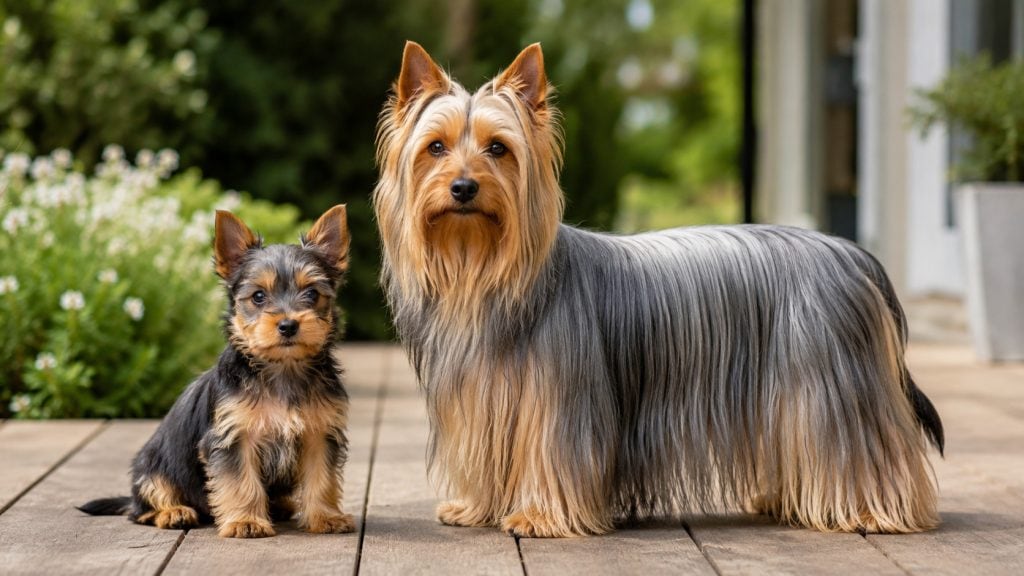
Living with a Silky Terrier often feels like sharing your home with a lively yet affectionate companion. They have a knack for balancing their spirited nature with moments of calm, often curling up beside you after a playful romp. Their silky coat and alert expression are just the beginning of their charm, as many owners find their Silky Terrier to be a loyal and engaging presence in everyday life.
At a glance
Core care
- Size: Small
- Energy: Moderate to high
- Grooming: Low
- Shedding: Low
Support style
- Sensitivity: Moderate
- Training style: Willing
Breed guide
Choose a section to explore. These notes describe common patterns, but individual dogs vary widely.
The Silky Terrier, originally bred in Australia for hunting small vermin, carries its working roots into modern life through its lively and inquisitive nature. These dogs were developed by crossing the Australian Terrier with the Yorkshire Terrier, resulting in a breed that is both spirited and elegant. Today, they are known for their keen senses and alertness, traits that make them excellent watchdogs despite their small size.
Physically, the Silky Terrier is a small dog, typically weighing between 3.5 to 4.5 kilograms, with a distinctive long, silky coat that gives the breed its name. This coat, while beautiful, requires regular grooming to maintain its condition and prevent tangles. Their compact size makes them well-suited to urban living, but they are equally at home in rural settings, provided they have opportunities to explore and satisfy their curious nature.
In terms of temperament, Silky Terriers are known for their friendly and outgoing personalities. They tend to form strong bonds with their families and often enjoy being the centre of attention. While they are generally good with children, their energetic nature means they are best suited to families where playtime is supervised. Owners often notice their Silky’s keen intelligence and willingness to learn, making training a rewarding experience.
It’s important to remember that, like all breeds, individual Silky Terriers can vary in temperament and behaviour. Factors such as genetics, socialisation, and training all play a role in shaping a dog’s personality. Prospective owners should be prepared for a lively companion that thrives on interaction and enjoys being a part of family activities.
Silky Terriers are often noted for their social and engaging nature, making them delightful companions in many households. They tend to form strong bonds with their families and enjoy being involved in daily activities. This breed’s social nature means they often greet visitors with enthusiasm, although they can be reserved with strangers until they feel comfortable.
The breed’s moderate sensitivity means they are generally attuned to their owner’s emotions and environment. This sensitivity can make them responsive to training, as they often seek to please their human companions. Owners frequently observe that their Silky Terrier is quick to pick up on cues and commands, which can be both a joy and a challenge, particularly if they sense inconsistency in training.
Silky Terriers are known for their willingness to learn, which makes training an enjoyable process for many. They respond well to positive reinforcement techniques, and their intelligence means they often excel in obedience training. However, their lively nature can sometimes lead to impulsive behaviour, so consistent training and clear boundaries are important.
While many Silky Terriers are affectionate and enjoy attention, it’s essential to recognise that individual dogs may vary. Some may be more independent or reserved, while others are constantly seeking interaction. Understanding these tendencies can help owners create a harmonious environment where their Silky Terrier can thrive.
A typical day for a Silky Terrier involves a healthy mix of activity and relaxation. These dogs have moderate to high energy levels, so they benefit from regular walks and play sessions. A brisk walk around the neighbourhood or a game of fetch in the garden can help burn off their energy and keep them content.
Beyond physical exercise, mental enrichment is crucial for this intelligent breed. Puzzle toys, interactive games, and training sessions can provide the mental stimulation they crave. Many owners find that their Silky Terrier enjoys learning new tricks or participating in agility courses, which can be a fun way to bond and challenge their minds.
As with any breed, exercise needs can vary with age. Puppies and young adults often require more frequent activity to channel their energy positively, while older Silky Terriers might prefer shorter, more leisurely outings. It’s important to tailor exercise routines to the individual dog’s needs and capabilities, ensuring they remain healthy and engaged throughout their life.
While Silky Terriers enjoy activity, it’s essential to avoid over-exercising them, especially in extreme weather conditions. Their small size means they can be susceptible to overheating or exhaustion, so always monitor their comfort and adjust activities accordingly. Providing a balance of physical and mental enrichment will help maintain their overall wellbeing and happiness.
Training a Silky Terrier often feels like working with a bright and eager student. Their willingness to learn and respond to positive reinforcement makes them enjoyable to train. Many owners find that using treats, praise, and play as rewards helps to motivate their Silky Terrier and maintain their interest during training sessions.
Impulse control can be an area to focus on, as their lively nature sometimes leads to impulsive actions. Teaching basic commands such as ‘sit’, ‘stay’, and ‘come’ can help manage their energy and improve their focus. Consistency is key, as Silky Terriers are quick to pick up on any inconsistencies in training, which can lead to confusion.
Adolescence can present challenges, as with many breeds, where testing boundaries becomes common. During this phase, maintaining a structured routine and reinforcing training can help guide them through this period. It’s also a time to be patient and understanding, recognising that this is a natural part of their development.
Building a strong relationship based on trust and respect is essential in training a Silky Terrier. They thrive in environments where they feel secure and understood, and where their natural curiosity is encouraged. With the right approach, training can be a rewarding experience that strengthens the bond between owner and dog.
Silky Terriers can adapt well to a variety of living environments, from city apartments to country homes. Their small size makes them particularly well-suited to urban living, where space might be limited. However, they do require regular opportunities to exercise and explore, so access to a garden or nearby park can be beneficial.
Many owners find that Silky Terriers thrive in homes where they are included in family activities. They enjoy being part of the action and can often be found following their owners around the house. While they are generally good with children, it’s important to supervise interactions to ensure play remains gentle and respectful.
When it comes to other pets, Silky Terriers can coexist peacefully, especially if they are introduced properly and socialised from a young age. Their terrier instincts may lead them to chase smaller animals, so care should be taken in multi-pet households to manage these tendencies.
Ultimately, the Silky Terrier’s adaptable nature means they can fit into various lifestyles, provided their need for companionship and activity is met. Prospective owners should consider whether they can offer the time and attention this breed thrives on, ensuring a harmonious and fulfilling relationship.
Health and wellbeing are closely linked in the Silky Terrier, as in all breeds. Maintaining good health involves regular veterinary check-ups and a balanced diet to support their active lifestyle. While generally healthy, Silky Terriers can be prone to certain breed-specific issues, such as patellar luxation and dental problems.
Owners often notice that a healthy Silky Terrier is a lively and engaged companion, while health issues can sometimes manifest as changes in behaviour or energy levels. Regular preventive care, including dental hygiene and weight management, can help mitigate some common health concerns and promote longevity.
It’s important to be aware of any changes in your Silky Terrier’s behaviour or physical condition, as these can be early indicators of health issues. Seeking veterinary advice promptly can help address potential problems before they become more serious. Regular grooming also provides an opportunity to check for any unusual lumps, bumps, or skin changes.
By staying informed about breed-specific health considerations and maintaining a proactive approach to care, owners can help ensure their Silky Terrier enjoys a happy and healthy life. This approach not only supports their physical health but also contributes to their overall quality of life.
The Silky Terrier’s history begins in Australia, where the breed was developed in the early 20th century. By crossing the Australian Terrier with the Yorkshire Terrier, breeders aimed to create a dog that combined the best traits of both breeds. The result was a small, elegant terrier with a distinctive silky coat and a spirited personality.
Originally, Silky Terriers were bred for their ability to hunt and control vermin, a task they performed with enthusiasm and skill. Their keen senses and alert nature made them effective hunters, while their size and temperament made them suitable companions for urban dwellers. Over time, their role shifted from working dog to cherished family pet, though their terrier instincts remain evident today.
The breed’s development continued as it gained popularity beyond Australia, particularly in the United States and the United Kingdom. As their reputation as lively and affectionate companions grew, so did their appeal to a wider audience. Today, the Silky Terrier is known for its adaptability and charm, traits that have endeared it to many dog lovers.
Understanding the Silky Terrier’s history helps explain some of the traits owners see today. Their inquisitive nature, alertness, and desire to be involved in family life all harken back to their origins as both hunters and companions. This blend of history and modern adaptability makes the Silky Terrier a unique and engaging breed.
What shapes individual dogs
- Early social experiences
- Training approach
- Environment & routine
- Genetics & breeding
- Health & pain
- Age / life stage
The Silky Terrier, originally bred in Australia for hunting small vermin, carries its working roots into modern life through its lively and inquisitive nature. These dogs were developed by crossing the Australian Terrier with the Yorkshire Terrier, resulting in a breed that is both spirited and elegant. Today, they are known for their keen senses and alertness, traits that make them excellent watchdogs despite their small size.
Physically, the Silky Terrier is a small dog, typically weighing between 3.5 to 4.5 kilograms, with a distinctive long, silky coat that gives the breed its name. This coat, while beautiful, requires regular grooming to maintain its condition and prevent tangles. Their compact size makes them well-suited to urban living, but they are equally at home in rural settings, provided they have opportunities to explore and satisfy their curious nature.
In terms of temperament, Silky Terriers are known for their friendly and outgoing personalities. They tend to form strong bonds with their families and often enjoy being the centre of attention. While they are generally good with children, their energetic nature means they are best suited to families where playtime is supervised. Owners often notice their Silky’s keen intelligence and willingness to learn, making training a rewarding experience.
It’s important to remember that, like all breeds, individual Silky Terriers can vary in temperament and behaviour. Factors such as genetics, socialisation, and training all play a role in shaping a dog’s personality. Prospective owners should be prepared for a lively companion that thrives on interaction and enjoys being a part of family activities.
Silky Terriers are often noted for their social and engaging nature, making them delightful companions in many households. They tend to form strong bonds with their families and enjoy being involved in daily activities. This breed’s social nature means they often greet visitors with enthusiasm, although they can be reserved with strangers until they feel comfortable.
The breed’s moderate sensitivity means they are generally attuned to their owner’s emotions and environment. This sensitivity can make them responsive to training, as they often seek to please their human companions. Owners frequently observe that their Silky Terrier is quick to pick up on cues and commands, which can be both a joy and a challenge, particularly if they sense inconsistency in training.
Silky Terriers are known for their willingness to learn, which makes training an enjoyable process for many. They respond well to positive reinforcement techniques, and their intelligence means they often excel in obedience training. However, their lively nature can sometimes lead to impulsive behaviour, so consistent training and clear boundaries are important.
While many Silky Terriers are affectionate and enjoy attention, it’s essential to recognise that individual dogs may vary. Some may be more independent or reserved, while others are constantly seeking interaction. Understanding these tendencies can help owners create a harmonious environment where their Silky Terrier can thrive.
A typical day for a Silky Terrier involves a healthy mix of activity and relaxation. These dogs have moderate to high energy levels, so they benefit from regular walks and play sessions. A brisk walk around the neighbourhood or a game of fetch in the garden can help burn off their energy and keep them content.
Beyond physical exercise, mental enrichment is crucial for this intelligent breed. Puzzle toys, interactive games, and training sessions can provide the mental stimulation they crave. Many owners find that their Silky Terrier enjoys learning new tricks or participating in agility courses, which can be a fun way to bond and challenge their minds.
As with any breed, exercise needs can vary with age. Puppies and young adults often require more frequent activity to channel their energy positively, while older Silky Terriers might prefer shorter, more leisurely outings. It’s important to tailor exercise routines to the individual dog’s needs and capabilities, ensuring they remain healthy and engaged throughout their life.
While Silky Terriers enjoy activity, it’s essential to avoid over-exercising them, especially in extreme weather conditions. Their small size means they can be susceptible to overheating or exhaustion, so always monitor their comfort and adjust activities accordingly. Providing a balance of physical and mental enrichment will help maintain their overall wellbeing and happiness.
Training a Silky Terrier often feels like working with a bright and eager student. Their willingness to learn and respond to positive reinforcement makes them enjoyable to train. Many owners find that using treats, praise, and play as rewards helps to motivate their Silky Terrier and maintain their interest during training sessions.
Impulse control can be an area to focus on, as their lively nature sometimes leads to impulsive actions. Teaching basic commands such as ‘sit’, ‘stay’, and ‘come’ can help manage their energy and improve their focus. Consistency is key, as Silky Terriers are quick to pick up on any inconsistencies in training, which can lead to confusion.
Adolescence can present challenges, as with many breeds, where testing boundaries becomes common. During this phase, maintaining a structured routine and reinforcing training can help guide them through this period. It’s also a time to be patient and understanding, recognising that this is a natural part of their development.
Building a strong relationship based on trust and respect is essential in training a Silky Terrier. They thrive in environments where they feel secure and understood, and where their natural curiosity is encouraged. With the right approach, training can be a rewarding experience that strengthens the bond between owner and dog.
Silky Terriers can adapt well to a variety of living environments, from city apartments to country homes. Their small size makes them particularly well-suited to urban living, where space might be limited. However, they do require regular opportunities to exercise and explore, so access to a garden or nearby park can be beneficial.
Many owners find that Silky Terriers thrive in homes where they are included in family activities. They enjoy being part of the action and can often be found following their owners around the house. While they are generally good with children, it’s important to supervise interactions to ensure play remains gentle and respectful.
When it comes to other pets, Silky Terriers can coexist peacefully, especially if they are introduced properly and socialised from a young age. Their terrier instincts may lead them to chase smaller animals, so care should be taken in multi-pet households to manage these tendencies.
Ultimately, the Silky Terrier’s adaptable nature means they can fit into various lifestyles, provided their need for companionship and activity is met. Prospective owners should consider whether they can offer the time and attention this breed thrives on, ensuring a harmonious and fulfilling relationship.
Health and wellbeing are closely linked in the Silky Terrier, as in all breeds. Maintaining good health involves regular veterinary check-ups and a balanced diet to support their active lifestyle. While generally healthy, Silky Terriers can be prone to certain breed-specific issues, such as patellar luxation and dental problems.
Owners often notice that a healthy Silky Terrier is a lively and engaged companion, while health issues can sometimes manifest as changes in behaviour or energy levels. Regular preventive care, including dental hygiene and weight management, can help mitigate some common health concerns and promote longevity.
It’s important to be aware of any changes in your Silky Terrier’s behaviour or physical condition, as these can be early indicators of health issues. Seeking veterinary advice promptly can help address potential problems before they become more serious. Regular grooming also provides an opportunity to check for any unusual lumps, bumps, or skin changes.
By staying informed about breed-specific health considerations and maintaining a proactive approach to care, owners can help ensure their Silky Terrier enjoys a happy and healthy life. This approach not only supports their physical health but also contributes to their overall quality of life.
The Silky Terrier’s history begins in Australia, where the breed was developed in the early 20th century. By crossing the Australian Terrier with the Yorkshire Terrier, breeders aimed to create a dog that combined the best traits of both breeds. The result was a small, elegant terrier with a distinctive silky coat and a spirited personality.
Originally, Silky Terriers were bred for their ability to hunt and control vermin, a task they performed with enthusiasm and skill. Their keen senses and alert nature made them effective hunters, while their size and temperament made them suitable companions for urban dwellers. Over time, their role shifted from working dog to cherished family pet, though their terrier instincts remain evident today.
The breed’s development continued as it gained popularity beyond Australia, particularly in the United States and the United Kingdom. As their reputation as lively and affectionate companions grew, so did their appeal to a wider audience. Today, the Silky Terrier is known for its adaptability and charm, traits that have endeared it to many dog lovers.
Understanding the Silky Terrier’s history helps explain some of the traits owners see today. Their inquisitive nature, alertness, and desire to be involved in family life all harken back to their origins as both hunters and companions. This blend of history and modern adaptability makes the Silky Terrier a unique and engaging breed.
What shapes individual dogs
- Early social experiences
- Training approach
- Environment & routine
- Genetics & breeding
- Health & pain
- Age / life stage
Want support with this?
This course is ideal for new Silky Terrier owners looking to establish a calm and positive foundation for their puppy.