
Sealyham Terrier
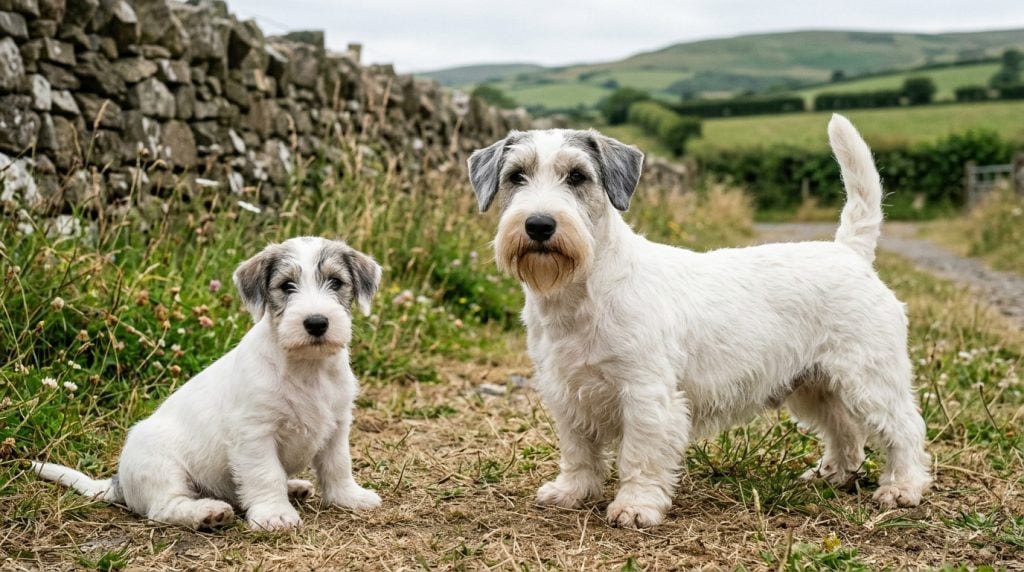
Living with a Sealyham Terrier often feels like sharing your home with a small, spirited companion who brings a delightful mix of independence and affection. Their curious nature and keen sense of adventure make them engaging pets, while their moderate energy levels mean they are as happy with a brisk walk as they are with a cosy nap by your side. Owners frequently notice their Sealyham's distinctive personality, which can range from charmingly stubborn to endearingly loyal.
At a glance
Core care
- Size: Small
- Energy: Moderate
- Grooming: Low
- Shedding: Low
Support style
- Sensitivity: Moderate
- Training style: Independent
Breed guide
Choose a section to explore. These notes describe common patterns, but individual dogs vary widely.
The Sealyham Terrier’s roots run deep in the working dog world, originally bred in Wales for hunting small game like otters and badgers. This history of tenacity and courage is still evident today in their spirited nature. Sealyhams were expected to work independently, making decisions on the fly, a trait that translates into their modern-day independence. This background helps explain why many Sealyhams exhibit a confident demeanor, often showing a mix of curiosity and self-assuredness in their daily interactions.
Physically, Sealyham Terriers are small but sturdy, with a compact build that belies their strength. Their distinctive white coat, often accented with markings, is more than just a charming feature; it’s a practical trait from their hunting days, making them visible in the field. In everyday life, this means a dog that is easy to spot during outdoor adventures, yet their size makes them well-suited to both apartment living and larger homes with gardens. Their moderate grooming needs are manageable, often requiring regular brushing to keep their coat in good condition.
Temperamentally, Sealyhams are known for their blend of independence and affection. Many owners notice that while their Sealyham enjoys companionship, they also appreciate having their own space. This balance can make them delightful housemates, as they are not overly demanding of attention but are always ready for a bit of play or a walk. Their moderate sensitivity means they can adapt well to various environments, though they may exhibit a bit of stubbornness, a nod to their independent working past.
It’s important for potential owners to remember that while breed traits provide a general guide, individual Sealyhams can vary widely. Factors such as upbringing, environment, and individual personality all play roles in shaping the dog you bring home. This means that while you can expect certain tendencies, each Sealyham will have its unique quirks and charms, making them a truly personal companion.
Sealyham Terriers often exhibit a charming blend of independence and sociability, which can be quite endearing to those who understand their unique character. They are not the type to constantly seek attention, yet they enjoy being part of the family dynamic. This balance means that while they might not be glued to your side, they are never too far away, often keeping a watchful eye on household activities. Their social nature is rooted in their history as working dogs, where they needed to be both independent and cooperative.
Owners often notice that Sealyhams have a certain stubborn streak, a trait that can be traced back to their days of hunting where making quick, independent decisions was crucial. This can sometimes translate into a dog that seems to have its own agenda, but with patience and understanding, this independence can be managed effectively. It’s important to approach training with a sense of humour and flexibility, as Sealyhams respond best to positive reinforcement rather than strict discipline.
Their moderate sensitivity means that Sealyhams can adapt to different environments, but they do appreciate a stable routine. They tend to thrive in homes where they can predict the flow of the day, yet they are resilient enough to handle changes when needed. This adaptability makes them suitable for a variety of living situations, from bustling family homes to quieter, single-person households.
While Sealyhams are generally good-natured, they do have a terrier’s instinct for alertness, which can make them effective watchdogs. They are likely to alert their owners to new or unusual occurrences, though they are not typically excessive barkers. Understanding these nuances in temperament can help potential owners create a harmonious living environment where both the dog and the family thrive.
A typical day for a Sealyham Terrier includes a balanced mix of moderate exercise and mental enrichment. While they don’t require the extensive exercise of some larger breeds, they do benefit from regular walks and play sessions that engage both their bodies and minds. A brisk walk around the neighbourhood or a game of fetch in the garden often suffices to keep them physically satisfied, but they also enjoy exploring new environments, which can be a great way to engage their curious nature.
Mental stimulation is equally important for Sealyhams, given their intelligent and independent minds. Puzzle toys, interactive games, and training sessions can provide the mental challenge they crave. Owners often find that these activities not only keep their Sealyham entertained but also help to strengthen the bond between dog and owner. It’s important to vary these activities to prevent boredom and to keep their interest piqued.
As Sealyhams age, their exercise needs may change. Puppies and younger dogs typically have bursts of energy and require more frequent play sessions, while older Sealyhams might prefer shorter, more leisurely walks. It’s crucial to adjust their routine according to their life stage and individual energy levels, ensuring they remain healthy and happy throughout their lives.
Owners should be mindful not to over-exercise their Sealyham, as their small size means they can tire more easily than larger breeds. It’s about finding the right balance that keeps them active without overexertion. By paying attention to their cues and adjusting activities accordingly, owners can ensure their Sealyham Terrier remains a content and well-adjusted companion.
Training a Sealyham Terrier can feel like a delightful challenge, as their independent nature often shines through. They are intelligent dogs, capable of learning a variety of commands, but they may not always see the point of repetitive tasks. Owners often find that a varied and engaging approach works best, incorporating plenty of positive reinforcement and rewards to keep their Sealyham motivated and interested.
Given their independent streak, impulse control can sometimes be a hurdle. Sealyhams might decide to follow their own instincts rather than immediate commands, especially if something more interesting catches their attention. Patience and consistency are key here, as is understanding that this behaviour is part of their terrier heritage. Building a strong, trusting relationship with your Sealyham can help mitigate these tendencies, as they are more likely to respond to someone they respect and trust.
Adolescence can be a particularly trying time, as Sealyhams may test boundaries more than usual. During this stage, maintaining a consistent training routine is crucial. Owners often find that attending a training class can be beneficial, not only for the dog but also for the owner, providing a structured environment to reinforce good behaviours and socialisation skills.
Overall, training a Sealyham Terrier is about embracing their unique personality and working with, rather than against, their natural tendencies. By focusing on positive interactions and understanding their motivations, owners can foster a well-behaved and happy companion. For those new to this breed, or to dog ownership in general, the course ‘Understand Your Dog: Dog Psychology for Beginners’ can offer valuable insights into nurturing a strong bond and effective communication.
Sealyham Terriers can adapt to a variety of living environments, making them a versatile choice for many households. Their small size and moderate energy levels mean they are well-suited to both apartment living and homes with gardens. They appreciate having a secure outdoor space to explore, but they are equally content with indoor play and activities, provided they receive regular walks and mental stimulation.
In homes with children, Sealyhams often thrive, enjoying the playfulness and energy that children bring. However, as with any breed, interactions between dogs and young children should be supervised to ensure positive experiences for both. Sealyhams can be quite tolerant, but they also appreciate respectful handling and space when needed.
When it comes to other pets, Sealyhams may exhibit varying degrees of compatibility. Their terrier instincts might lead them to be more assertive with smaller animals, so introductions should be handled carefully. With proper socialisation, many Sealyhams can learn to coexist peacefully with other dogs and even cats, especially if they are raised together from a young age.
Ultimately, the Sealyham Terrier’s adaptability makes them a good fit for many different lifestyles. They tend to do well in homes where they are considered part of the family, enjoying both companionship and independence. Understanding their needs and providing a balanced environment can lead to a rewarding relationship with this charming breed.
Maintaining the health of a Sealyham Terrier is integral to their overall wellbeing and happiness. Like all breeds, they have specific health considerations that owners should be aware of to ensure a long, healthy life. Regular veterinary check-ups are crucial for monitoring their health and catching any potential issues early.
Sealyhams are generally robust dogs, but they can be prone to certain genetic conditions like lens luxation and hip dysplasia. Being informed about these potential issues can help owners take preventive measures, such as regular eye examinations and maintaining a healthy weight to reduce stress on joints.
In addition to genetic considerations, dental care is important for Sealyhams. Regular brushing and dental check-ups can prevent periodontal disease, which is common in smaller breeds. Owners should also be vigilant about their Sealyham’s diet, as obesity can exacerbate health issues and reduce their quality of life.
Overall, a proactive approach to health care, including a balanced diet, regular exercise, and preventive veterinary care, can help ensure that a Sealyham Terrier remains a healthy and happy member of the family. Knowing when to seek veterinary advice and keeping up with routine care are key components of responsible ownership.
The Sealyham Terrier hails from the Pembrokeshire region of Wales, where they were developed in the mid-19th century by Captain John Edwardes. Edwardes sought to create a small, fearless terrier capable of hunting otters, badgers, and foxes. By selectively breeding various terrier types, including the now-extinct Cheshire Terrier and Dandie Dinmont Terrier, he crafted a dog with the tenacity and courage needed for the task.
The breed’s working origins are reflected in their robust, compact build and their distinctive white coat, which made them easily visible during hunts. This practical trait continues to be an asset today, not only for their visibility but also for their charming appearance. The Sealyham’s development was focused on creating a dog that could work independently yet remain loyal and responsive to its handler.
As time passed, the Sealyham Terrier gained popularity beyond its working roots, becoming a favourite among dog fanciers and even making its way into the show ring. Their unique blend of independence and loyalty, coupled with their striking appearance, endeared them to many, leading to a rise in their popularity during the early 20th century.
Today, while they may no longer be used for hunting, the Sealyham Terrier’s history is still evident in their spirited and independent nature. Understanding their origins helps owners appreciate their unique traits and provides insight into why they behave the way they do. This historical context enriches the experience of living with a Sealyham, as owners can see the echoes of their past in their everyday behaviours.
What shapes individual dogs
- Early social experiences
- Training approach
- Environment & routine
- Genetics & breeding
- Health & pain
- Age / life stage
The Sealyham Terrier’s roots run deep in the working dog world, originally bred in Wales for hunting small game like otters and badgers. This history of tenacity and courage is still evident today in their spirited nature. Sealyhams were expected to work independently, making decisions on the fly, a trait that translates into their modern-day independence. This background helps explain why many Sealyhams exhibit a confident demeanor, often showing a mix of curiosity and self-assuredness in their daily interactions.
Physically, Sealyham Terriers are small but sturdy, with a compact build that belies their strength. Their distinctive white coat, often accented with markings, is more than just a charming feature; it’s a practical trait from their hunting days, making them visible in the field. In everyday life, this means a dog that is easy to spot during outdoor adventures, yet their size makes them well-suited to both apartment living and larger homes with gardens. Their moderate grooming needs are manageable, often requiring regular brushing to keep their coat in good condition.
Temperamentally, Sealyhams are known for their blend of independence and affection. Many owners notice that while their Sealyham enjoys companionship, they also appreciate having their own space. This balance can make them delightful housemates, as they are not overly demanding of attention but are always ready for a bit of play or a walk. Their moderate sensitivity means they can adapt well to various environments, though they may exhibit a bit of stubbornness, a nod to their independent working past.
It’s important for potential owners to remember that while breed traits provide a general guide, individual Sealyhams can vary widely. Factors such as upbringing, environment, and individual personality all play roles in shaping the dog you bring home. This means that while you can expect certain tendencies, each Sealyham will have its unique quirks and charms, making them a truly personal companion.
Sealyham Terriers often exhibit a charming blend of independence and sociability, which can be quite endearing to those who understand their unique character. They are not the type to constantly seek attention, yet they enjoy being part of the family dynamic. This balance means that while they might not be glued to your side, they are never too far away, often keeping a watchful eye on household activities. Their social nature is rooted in their history as working dogs, where they needed to be both independent and cooperative.
Owners often notice that Sealyhams have a certain stubborn streak, a trait that can be traced back to their days of hunting where making quick, independent decisions was crucial. This can sometimes translate into a dog that seems to have its own agenda, but with patience and understanding, this independence can be managed effectively. It’s important to approach training with a sense of humour and flexibility, as Sealyhams respond best to positive reinforcement rather than strict discipline.
Their moderate sensitivity means that Sealyhams can adapt to different environments, but they do appreciate a stable routine. They tend to thrive in homes where they can predict the flow of the day, yet they are resilient enough to handle changes when needed. This adaptability makes them suitable for a variety of living situations, from bustling family homes to quieter, single-person households.
While Sealyhams are generally good-natured, they do have a terrier’s instinct for alertness, which can make them effective watchdogs. They are likely to alert their owners to new or unusual occurrences, though they are not typically excessive barkers. Understanding these nuances in temperament can help potential owners create a harmonious living environment where both the dog and the family thrive.
A typical day for a Sealyham Terrier includes a balanced mix of moderate exercise and mental enrichment. While they don’t require the extensive exercise of some larger breeds, they do benefit from regular walks and play sessions that engage both their bodies and minds. A brisk walk around the neighbourhood or a game of fetch in the garden often suffices to keep them physically satisfied, but they also enjoy exploring new environments, which can be a great way to engage their curious nature.
Mental stimulation is equally important for Sealyhams, given their intelligent and independent minds. Puzzle toys, interactive games, and training sessions can provide the mental challenge they crave. Owners often find that these activities not only keep their Sealyham entertained but also help to strengthen the bond between dog and owner. It’s important to vary these activities to prevent boredom and to keep their interest piqued.
As Sealyhams age, their exercise needs may change. Puppies and younger dogs typically have bursts of energy and require more frequent play sessions, while older Sealyhams might prefer shorter, more leisurely walks. It’s crucial to adjust their routine according to their life stage and individual energy levels, ensuring they remain healthy and happy throughout their lives.
Owners should be mindful not to over-exercise their Sealyham, as their small size means they can tire more easily than larger breeds. It’s about finding the right balance that keeps them active without overexertion. By paying attention to their cues and adjusting activities accordingly, owners can ensure their Sealyham Terrier remains a content and well-adjusted companion.
Training a Sealyham Terrier can feel like a delightful challenge, as their independent nature often shines through. They are intelligent dogs, capable of learning a variety of commands, but they may not always see the point of repetitive tasks. Owners often find that a varied and engaging approach works best, incorporating plenty of positive reinforcement and rewards to keep their Sealyham motivated and interested.
Given their independent streak, impulse control can sometimes be a hurdle. Sealyhams might decide to follow their own instincts rather than immediate commands, especially if something more interesting catches their attention. Patience and consistency are key here, as is understanding that this behaviour is part of their terrier heritage. Building a strong, trusting relationship with your Sealyham can help mitigate these tendencies, as they are more likely to respond to someone they respect and trust.
Adolescence can be a particularly trying time, as Sealyhams may test boundaries more than usual. During this stage, maintaining a consistent training routine is crucial. Owners often find that attending a training class can be beneficial, not only for the dog but also for the owner, providing a structured environment to reinforce good behaviours and socialisation skills.
Overall, training a Sealyham Terrier is about embracing their unique personality and working with, rather than against, their natural tendencies. By focusing on positive interactions and understanding their motivations, owners can foster a well-behaved and happy companion. For those new to this breed, or to dog ownership in general, the course ‘Understand Your Dog: Dog Psychology for Beginners’ can offer valuable insights into nurturing a strong bond and effective communication.
Sealyham Terriers can adapt to a variety of living environments, making them a versatile choice for many households. Their small size and moderate energy levels mean they are well-suited to both apartment living and homes with gardens. They appreciate having a secure outdoor space to explore, but they are equally content with indoor play and activities, provided they receive regular walks and mental stimulation.
In homes with children, Sealyhams often thrive, enjoying the playfulness and energy that children bring. However, as with any breed, interactions between dogs and young children should be supervised to ensure positive experiences for both. Sealyhams can be quite tolerant, but they also appreciate respectful handling and space when needed.
When it comes to other pets, Sealyhams may exhibit varying degrees of compatibility. Their terrier instincts might lead them to be more assertive with smaller animals, so introductions should be handled carefully. With proper socialisation, many Sealyhams can learn to coexist peacefully with other dogs and even cats, especially if they are raised together from a young age.
Ultimately, the Sealyham Terrier’s adaptability makes them a good fit for many different lifestyles. They tend to do well in homes where they are considered part of the family, enjoying both companionship and independence. Understanding their needs and providing a balanced environment can lead to a rewarding relationship with this charming breed.
Maintaining the health of a Sealyham Terrier is integral to their overall wellbeing and happiness. Like all breeds, they have specific health considerations that owners should be aware of to ensure a long, healthy life. Regular veterinary check-ups are crucial for monitoring their health and catching any potential issues early.
Sealyhams are generally robust dogs, but they can be prone to certain genetic conditions like lens luxation and hip dysplasia. Being informed about these potential issues can help owners take preventive measures, such as regular eye examinations and maintaining a healthy weight to reduce stress on joints.
In addition to genetic considerations, dental care is important for Sealyhams. Regular brushing and dental check-ups can prevent periodontal disease, which is common in smaller breeds. Owners should also be vigilant about their Sealyham’s diet, as obesity can exacerbate health issues and reduce their quality of life.
Overall, a proactive approach to health care, including a balanced diet, regular exercise, and preventive veterinary care, can help ensure that a Sealyham Terrier remains a healthy and happy member of the family. Knowing when to seek veterinary advice and keeping up with routine care are key components of responsible ownership.
The Sealyham Terrier hails from the Pembrokeshire region of Wales, where they were developed in the mid-19th century by Captain John Edwardes. Edwardes sought to create a small, fearless terrier capable of hunting otters, badgers, and foxes. By selectively breeding various terrier types, including the now-extinct Cheshire Terrier and Dandie Dinmont Terrier, he crafted a dog with the tenacity and courage needed for the task.
The breed’s working origins are reflected in their robust, compact build and their distinctive white coat, which made them easily visible during hunts. This practical trait continues to be an asset today, not only for their visibility but also for their charming appearance. The Sealyham’s development was focused on creating a dog that could work independently yet remain loyal and responsive to its handler.
As time passed, the Sealyham Terrier gained popularity beyond its working roots, becoming a favourite among dog fanciers and even making its way into the show ring. Their unique blend of independence and loyalty, coupled with their striking appearance, endeared them to many, leading to a rise in their popularity during the early 20th century.
Today, while they may no longer be used for hunting, the Sealyham Terrier’s history is still evident in their spirited and independent nature. Understanding their origins helps owners appreciate their unique traits and provides insight into why they behave the way they do. This historical context enriches the experience of living with a Sealyham, as owners can see the echoes of their past in their everyday behaviours.
What shapes individual dogs
- Early social experiences
- Training approach
- Environment & routine
- Genetics & breeding
- Health & pain
- Age / life stage
Want support with this?
This course offers valuable insights into understanding the unique personality and independent nature of Sealyham Terriers.