
Schipperke
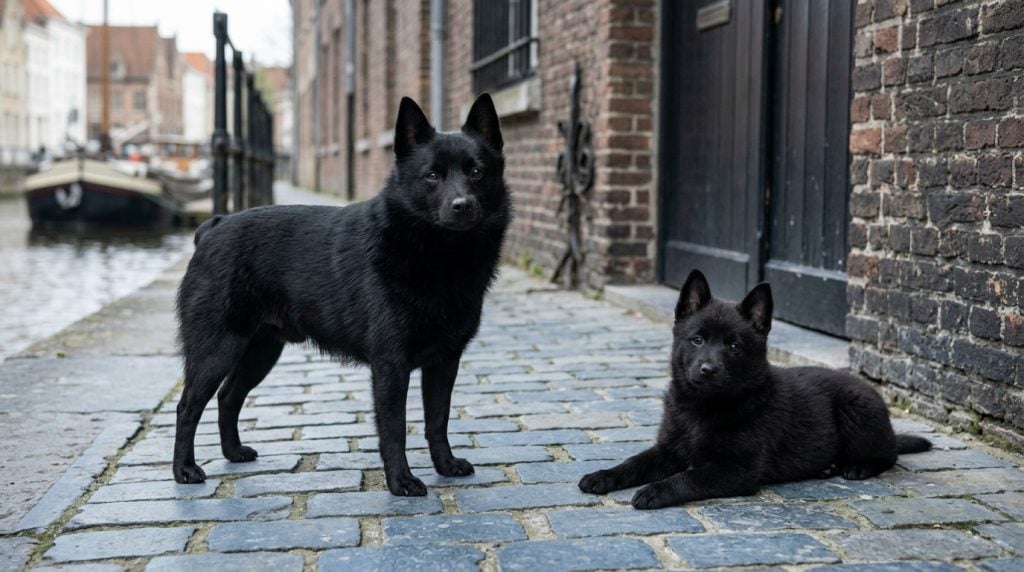
A Schipperke is often described as a small dog with a big personality. Known for their curious and lively nature, they tend to be alert and ever-watchful, making them a unique presence in any home. Owners frequently notice their independence paired with a playful spirit, which can make daily life both entertaining and a bit of a challenge.
At a glance
Core care
- Size: Small
- Energy: High
- Grooming: Low
- Shedding: Moderate
Support style
- Sensitivity: Moderate
- Training style: Independent
Breed guide
Choose a section to explore. These notes describe common patterns, but individual dogs vary widely.
The Schipperke has its roots in Belgium, where it was originally bred as a small working dog on the canals. This breed’s history as a watchdog and ratter is evident in its modern-day behaviour, as many Schipperkes remain vigilant and attentive, often acting as a self-appointed guardian of their home. This background helps explain their alertness and the tendency to be quite vocal when something catches their attention.
Physically, the Schipperke is compact and sturdy, a characteristic that makes them well-suited to various living environments. Their small size means they can comfortably fit into apartment living, but their robust nature also allows them to enjoy more active pursuits. Owners often find that their Schipperke’s size makes them easy to manage while still providing the energy and enthusiasm of a larger dog.
Temperamentally, Schipperkes are known for their independence and spirited nature. They can be quite headstrong, which is a trait that many owners notice. This independence can sometimes be mistaken for stubbornness, but it often simply reflects their intelligent and curious disposition. While they are loyal and affectionate with their families, they might take a little longer to warm up to strangers.
It’s important for potential owners to remember that while breed traits can provide a general guide, each Schipperke is an individual. Factors such as genetics, early socialisation, and the environment all play a role in shaping a dog’s personality. As such, while many Schipperkes share common characteristics, they can also vary widely in their behaviours and preferences.
Schipperkes are often described as having a lively and inquisitive nature, which can make them both charming and a bit of a handful. Their social motivations are rooted in their history as watchdogs, where being alert and responsive was crucial. This means that many Schipperkes are naturally inclined to be aware of their surroundings and may bark to alert their owners of any unusual activity.
Despite their independent streak, Schipperkes often form strong bonds with their families. This loyalty can manifest in a desire to be involved in family activities, whether it’s following you around the house or eagerly participating in playtime. Their moderate sensitivity means they can pick up on the moods of their human companions, sometimes offering comfort when they sense someone is upset.
Training a Schipperke can sometimes be a test of patience due to their independent nature. They are intelligent and capable of learning a variety of commands, but they might not always be eager to comply. Positive reinforcement and consistency are key to working with this breed, as they respond better to encouragement than to harsh corrections.
While Schipperkes are generally good with children and can coexist with other pets, early socialisation is important to ensure they develop into well-rounded companions. As with any breed, individual personalities can vary, and some Schipperkes may be more reserved or more outgoing than others. Understanding these nuances can help potential owners create a harmonious home environment.
A typical day for a Schipperke involves a good mix of physical activity and mental stimulation. With their high energy levels, they benefit from regular walks, play sessions, and opportunities to explore their environment. Owners often find that interactive games, such as fetch or hide and seek, can help burn off some of that energy while also engaging their minds.
Mental enrichment is just as important as physical exercise for this intelligent breed. Puzzle toys, training sessions, and scent games can provide the mental challenges that Schipperkes often crave. These activities can help prevent boredom, which can sometimes lead to mischievous behaviour if their energy isn’t properly channelled.
As Schipperkes age, their exercise needs may change. While young Schipperkes are often bundles of energy, older dogs might appreciate more leisurely walks and gentler activities. It’s important to tailor their exercise routine to their life stage, ensuring they remain healthy and happy throughout their lives.
Owners should be mindful of the breed’s independent nature, which sometimes means they might try to wander off if something piques their curiosity. Secure gardens and supervised playtimes are recommended to ensure their safety. By providing a balanced mix of physical and mental activities, Schipperkes can thrive and remain content companions.
Training a Schipperke can sometimes feel like a dance between their independent spirit and their eagerness to please. While they are intelligent and capable of learning a wide range of commands, their independent nature means they may not always be immediately compliant. Owners often find success with positive reinforcement techniques that reward desired behaviours with treats or praise.
Consistency is key when training a Schipperke. They respond well to routines and clear expectations, which help them understand what is required of them. Impulse control can be a challenge, especially during their adolescent phase, when their curiosity and energy levels are at their peak. Patience and persistence are essential during this time.
Building a strong relationship based on trust and mutual respect can greatly enhance training outcomes. Schipperkes are more likely to respond positively when they feel connected to their owner. Establishing this bond early on can make training a more enjoyable and rewarding experience for both the dog and the owner.
For those new to the breed, enrolling in a training class can provide valuable support and guidance. Understanding the nuances of their trainability can help owners tailor their approach, ensuring that training sessions are productive and enjoyable. With the right techniques and a bit of patience, Schipperkes can become well-mannered and obedient companions.
Schipperkes tend to adapt well to a variety of living environments, from city apartments to country homes. Their small size and moderate grooming needs make them suitable for apartment living, provided they receive enough exercise and mental stimulation. Owners often find that their Schipperke’s alert nature makes them excellent watchdogs, regardless of the size of their home.
Families with children often appreciate the Schipperke’s playful and energetic nature. While they can be a bit independent, they typically enjoy engaging with kids and can form strong bonds with them. Supervision is recommended, especially with younger children, to ensure that interactions remain positive and safe for both the dog and the child.
When it comes to living with other pets, Schipperkes can coexist peacefully with other animals, especially if they are introduced and socialised from a young age. Their history as ratters means they might have a strong prey drive, so care should be taken when introducing them to smaller pets.
Ultimately, a Schipperke’s suitability for a particular home depends on the individual dog’s personality and the owner’s lifestyle. Those who can provide the necessary exercise, mental stimulation, and companionship will likely find a Schipperke to be a delightful and rewarding addition to their household.
The health of a Schipperke is closely tied to their overall wellbeing and quality of life. Like many breeds, they can be prone to certain genetic health issues, so regular veterinary check-ups are important to catch any potential problems early. Maintaining a healthy weight through proper diet and exercise is crucial to prevent common issues such as obesity.
Owners should be aware of breed-specific health concerns, such as hip dysplasia and eye disorders. Regular screenings and preventive care can help manage these risks. Dental health is another area that requires attention, as small breeds can be prone to dental issues. Regular brushing and dental check-ups can help keep their teeth and gums healthy.
Behavioural changes can sometimes be linked to health issues, so it’s important to monitor your Schipperke for any signs of discomfort or distress. If they suddenly become less active or show signs of pain, a visit to the vet is advisable to rule out any underlying health problems.
Overall, with proper care and attention to their health needs, Schipperkes can live long and healthy lives. Being proactive about their health can ensure they remain happy and energetic companions for many years.
The Schipperke’s history is deeply rooted in Belgium, where they were originally bred as small working dogs. Their name, which translates to ‘little captain’, reflects their role on the canals, where they served as watchdogs and ratters on barges. This working background has shaped their vigilant and alert nature, traits that are still evident in the breed today.
Throughout history, Schipperkes were prized for their ability to guard and protect, despite their small size. Their keen senses and quick reflexes made them ideal companions for bargemen who needed a reliable and efficient dog to keep their boats free of pests. This heritage explains their natural inclination to be watchful and their tendency to bark at unfamiliar sounds.
As the breed gained popularity, Schipperkes found their way into homes beyond the canals, where they continued to serve as loyal protectors and companions. Their adaptability and spirited nature made them popular among families and individuals looking for a small yet capable dog.
Today, the Schipperke’s history as a working dog is still evident in their behaviour. Their alertness, independence, and loyalty are traits that have been passed down through generations, making them a unique and cherished breed. Understanding their origins helps owners appreciate the characteristics that make Schipperkes such distinctive and engaging companions.
What shapes individual dogs
- Early social experiences
- Training approach
- Environment & routine
- Genetics & breeding
- Health & pain
- Age / life stage
The Schipperke has its roots in Belgium, where it was originally bred as a small working dog on the canals. This breed’s history as a watchdog and ratter is evident in its modern-day behaviour, as many Schipperkes remain vigilant and attentive, often acting as a self-appointed guardian of their home. This background helps explain their alertness and the tendency to be quite vocal when something catches their attention.
Physically, the Schipperke is compact and sturdy, a characteristic that makes them well-suited to various living environments. Their small size means they can comfortably fit into apartment living, but their robust nature also allows them to enjoy more active pursuits. Owners often find that their Schipperke’s size makes them easy to manage while still providing the energy and enthusiasm of a larger dog.
Temperamentally, Schipperkes are known for their independence and spirited nature. They can be quite headstrong, which is a trait that many owners notice. This independence can sometimes be mistaken for stubbornness, but it often simply reflects their intelligent and curious disposition. While they are loyal and affectionate with their families, they might take a little longer to warm up to strangers.
It’s important for potential owners to remember that while breed traits can provide a general guide, each Schipperke is an individual. Factors such as genetics, early socialisation, and the environment all play a role in shaping a dog’s personality. As such, while many Schipperkes share common characteristics, they can also vary widely in their behaviours and preferences.
Schipperkes are often described as having a lively and inquisitive nature, which can make them both charming and a bit of a handful. Their social motivations are rooted in their history as watchdogs, where being alert and responsive was crucial. This means that many Schipperkes are naturally inclined to be aware of their surroundings and may bark to alert their owners of any unusual activity.
Despite their independent streak, Schipperkes often form strong bonds with their families. This loyalty can manifest in a desire to be involved in family activities, whether it’s following you around the house or eagerly participating in playtime. Their moderate sensitivity means they can pick up on the moods of their human companions, sometimes offering comfort when they sense someone is upset.
Training a Schipperke can sometimes be a test of patience due to their independent nature. They are intelligent and capable of learning a variety of commands, but they might not always be eager to comply. Positive reinforcement and consistency are key to working with this breed, as they respond better to encouragement than to harsh corrections.
While Schipperkes are generally good with children and can coexist with other pets, early socialisation is important to ensure they develop into well-rounded companions. As with any breed, individual personalities can vary, and some Schipperkes may be more reserved or more outgoing than others. Understanding these nuances can help potential owners create a harmonious home environment.
A typical day for a Schipperke involves a good mix of physical activity and mental stimulation. With their high energy levels, they benefit from regular walks, play sessions, and opportunities to explore their environment. Owners often find that interactive games, such as fetch or hide and seek, can help burn off some of that energy while also engaging their minds.
Mental enrichment is just as important as physical exercise for this intelligent breed. Puzzle toys, training sessions, and scent games can provide the mental challenges that Schipperkes often crave. These activities can help prevent boredom, which can sometimes lead to mischievous behaviour if their energy isn’t properly channelled.
As Schipperkes age, their exercise needs may change. While young Schipperkes are often bundles of energy, older dogs might appreciate more leisurely walks and gentler activities. It’s important to tailor their exercise routine to their life stage, ensuring they remain healthy and happy throughout their lives.
Owners should be mindful of the breed’s independent nature, which sometimes means they might try to wander off if something piques their curiosity. Secure gardens and supervised playtimes are recommended to ensure their safety. By providing a balanced mix of physical and mental activities, Schipperkes can thrive and remain content companions.
Training a Schipperke can sometimes feel like a dance between their independent spirit and their eagerness to please. While they are intelligent and capable of learning a wide range of commands, their independent nature means they may not always be immediately compliant. Owners often find success with positive reinforcement techniques that reward desired behaviours with treats or praise.
Consistency is key when training a Schipperke. They respond well to routines and clear expectations, which help them understand what is required of them. Impulse control can be a challenge, especially during their adolescent phase, when their curiosity and energy levels are at their peak. Patience and persistence are essential during this time.
Building a strong relationship based on trust and mutual respect can greatly enhance training outcomes. Schipperkes are more likely to respond positively when they feel connected to their owner. Establishing this bond early on can make training a more enjoyable and rewarding experience for both the dog and the owner.
For those new to the breed, enrolling in a training class can provide valuable support and guidance. Understanding the nuances of their trainability can help owners tailor their approach, ensuring that training sessions are productive and enjoyable. With the right techniques and a bit of patience, Schipperkes can become well-mannered and obedient companions.
Schipperkes tend to adapt well to a variety of living environments, from city apartments to country homes. Their small size and moderate grooming needs make them suitable for apartment living, provided they receive enough exercise and mental stimulation. Owners often find that their Schipperke’s alert nature makes them excellent watchdogs, regardless of the size of their home.
Families with children often appreciate the Schipperke’s playful and energetic nature. While they can be a bit independent, they typically enjoy engaging with kids and can form strong bonds with them. Supervision is recommended, especially with younger children, to ensure that interactions remain positive and safe for both the dog and the child.
When it comes to living with other pets, Schipperkes can coexist peacefully with other animals, especially if they are introduced and socialised from a young age. Their history as ratters means they might have a strong prey drive, so care should be taken when introducing them to smaller pets.
Ultimately, a Schipperke’s suitability for a particular home depends on the individual dog’s personality and the owner’s lifestyle. Those who can provide the necessary exercise, mental stimulation, and companionship will likely find a Schipperke to be a delightful and rewarding addition to their household.
The health of a Schipperke is closely tied to their overall wellbeing and quality of life. Like many breeds, they can be prone to certain genetic health issues, so regular veterinary check-ups are important to catch any potential problems early. Maintaining a healthy weight through proper diet and exercise is crucial to prevent common issues such as obesity.
Owners should be aware of breed-specific health concerns, such as hip dysplasia and eye disorders. Regular screenings and preventive care can help manage these risks. Dental health is another area that requires attention, as small breeds can be prone to dental issues. Regular brushing and dental check-ups can help keep their teeth and gums healthy.
Behavioural changes can sometimes be linked to health issues, so it’s important to monitor your Schipperke for any signs of discomfort or distress. If they suddenly become less active or show signs of pain, a visit to the vet is advisable to rule out any underlying health problems.
Overall, with proper care and attention to their health needs, Schipperkes can live long and healthy lives. Being proactive about their health can ensure they remain happy and energetic companions for many years.
The Schipperke’s history is deeply rooted in Belgium, where they were originally bred as small working dogs. Their name, which translates to ‘little captain’, reflects their role on the canals, where they served as watchdogs and ratters on barges. This working background has shaped their vigilant and alert nature, traits that are still evident in the breed today.
Throughout history, Schipperkes were prized for their ability to guard and protect, despite their small size. Their keen senses and quick reflexes made them ideal companions for bargemen who needed a reliable and efficient dog to keep their boats free of pests. This heritage explains their natural inclination to be watchful and their tendency to bark at unfamiliar sounds.
As the breed gained popularity, Schipperkes found their way into homes beyond the canals, where they continued to serve as loyal protectors and companions. Their adaptability and spirited nature made them popular among families and individuals looking for a small yet capable dog.
Today, the Schipperke’s history as a working dog is still evident in their behaviour. Their alertness, independence, and loyalty are traits that have been passed down through generations, making them a unique and cherished breed. Understanding their origins helps owners appreciate the characteristics that make Schipperkes such distinctive and engaging companions.
What shapes individual dogs
- Early social experiences
- Training approach
- Environment & routine
- Genetics & breeding
- Health & pain
- Age / life stage
Want support with this?
This course can help Schipperke owners better understand their dog's independent and spirited nature, enhancing their relationship.