
Saluki
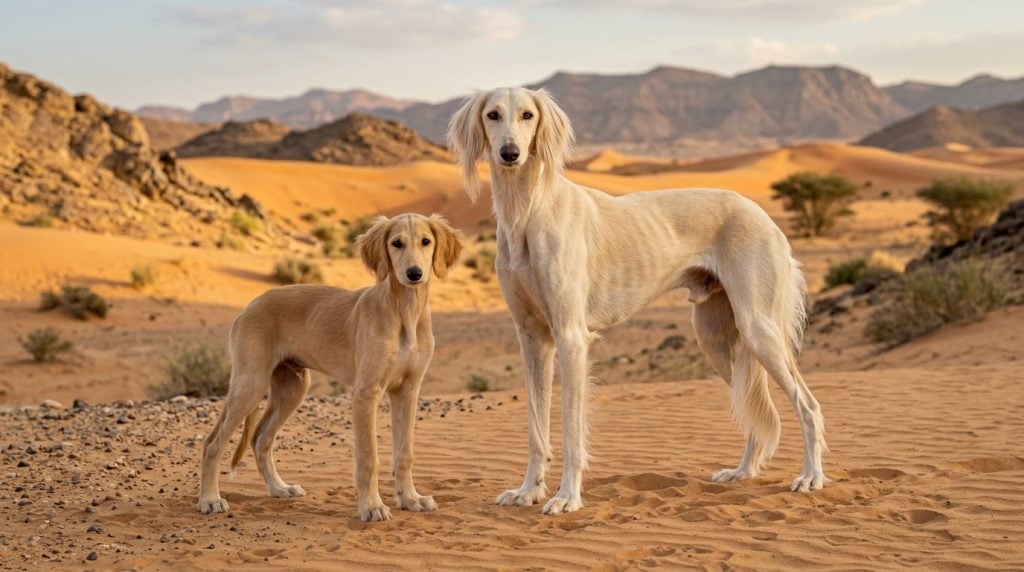
Living with a Saluki is like sharing your home with a graceful, independent spirit. They often carry themselves with an elegant aloofness, yet they form deep bonds with their families. Owners frequently notice their Saluki's penchant for lounging in sunny spots, a testament to their laid-back nature, punctuated by bursts of energy when the mood strikes.
At a glance
Core care
- Size: Large
- Energy: Moderate to high
- Grooming: Low
- Shedding: Low
Support style
- Sensitivity: High
- Training style: Independent
Breed guide
Choose a section to explore. These notes describe common patterns, but individual dogs vary widely.
The Saluki’s roots stretch back thousands of years, often revered as the royal dog of Egypt. Bred for hunting in the harsh desert climates, these dogs developed incredible speed and endurance. This history of coursing and hunting explains their modern-day love for running and their ability to cover ground swiftly. Many owners find that their Saluki retains a touch of this ancient nobility, often moving with a dignified grace that harks back to their storied past.
Physically, Salukis are built for speed. Their long legs, deep chests, and slender bodies allow them to move with a fluidity that is both beautiful and functional. In everyday life, this means they can be seen stretching out on a sofa, their long limbs taking up more space than one might expect. Their coat is smooth and silky, requiring minimal grooming, but their skin is sensitive, needing protection from harsh weather.
Temperamentally, Salukis are known for their independence. They can be quite reserved with strangers, often observing from a distance before deciding to engage. However, they are deeply loyal to their families, often forming strong bonds with those they trust. Owners may notice their Saluki’s sensitivity, as they tend to pick up on the emotions of those around them, responding with a gentle presence.
Living with a Saluki requires an understanding of their unique blend of independence and affection. They are not a breed that demands constant attention, yet they thrive on companionship. Each Saluki is an individual, and while some may be more outgoing, others might prefer a quieter life. Understanding these nuances helps in fostering a fulfilling relationship with these elegant hounds.
Salukis are often described as aloof yet affectionate, a combination that can be intriguing for those who live with them. They tend to form strong bonds with their families, often choosing a favourite person to shadow around the house. This loyalty, however, is balanced by their independent nature, which means they appreciate their own space and time to themselves.
Their sensitivity is a notable trait, making them attuned to the emotions of those around them. This can be both a blessing and a challenge, as they may become anxious in chaotic environments. Owners often find that a calm, predictable routine helps their Saluki feel secure and content. Despite their reserved nature, they can be quite playful with those they trust, displaying bursts of energy that are delightful to watch.
Training a Saluki requires patience and understanding of their independent streak. They are not as eager to please as some breeds, which can make training a more nuanced experience. Positive reinforcement and gentle guidance work best, as they respond poorly to harsh methods. Owners often notice that consistency and patience are key, as Salukis are intelligent and capable of learning, albeit at their own pace.
Socially, Salukis can be reserved with strangers, often preferring to observe from a distance before deciding to interact. This can sometimes be mistaken for aloofness, but it is simply their way of assessing new situations. With other dogs, they can be quite social, especially if they have been well-socialized from a young age. As with any breed, individual personalities vary, and understanding these tendencies helps in creating a harmonious home environment.
A typical day for a Saluki involves a mix of leisurely lounging and energetic bursts of activity. They enjoy a good run, and many owners find that a securely fenced area is ideal for allowing them to stretch their legs safely. Despite their moderate to high energy levels, they are not hyperactive, often content with a couple of brisk walks and a chance to sprint.
Mental enrichment is also important for Salukis, as they are intelligent and can become bored without adequate stimulation. Puzzle toys, scent games, and interactive play can help keep their minds engaged. Owners often find that a combination of physical and mental activities helps maintain a balanced lifestyle for their Saluki.
As they age, their exercise needs may change, with older Salukis often preferring more gentle walks and less vigorous play. It’s important to adjust their routine to accommodate these changes, ensuring they remain comfortable and happy. Puppies, on the other hand, may require more frequent, shorter bursts of activity to match their youthful energy.
It’s crucial to avoid over-exercising young Salukis, as their growing bodies need time to develop properly. Owners should be mindful of their dog’s limits, gradually increasing activity levels as they mature. Each Saluki is unique, and understanding their individual needs helps in providing the right balance of exercise and rest.
Training a Saluki often feels like a dance of patience and understanding. Their independent nature means they may not always be eager to follow commands, but with the right approach, they can learn effectively. Owners often find that positive reinforcement, such as treats and praise, works well, as it aligns with their gentle temperament.
Impulse control can be a challenge, especially given their history as hunting dogs. Teaching commands like ‘stay’ and ‘come’ can be particularly important, especially in environments where their prey drive might be triggered. Consistency is key, and many owners find that short, regular training sessions keep their Saluki engaged without overwhelming them.
Adolescence can bring its own set of challenges, as Salukis may test boundaries and become more independent. During this time, maintaining a routine and reinforcing training can help guide them through this developmental stage. Building a strong relationship based on trust and respect is crucial, as Salukis respond best to those they feel connected to.
Understanding that each Saluki is an individual helps in tailoring training approaches. Some may be more stubborn, while others might be more eager to learn. Adapting to their unique personality and being patient with their learning process fosters a positive training experience for both dog and owner.
Salukis tend to thrive in environments that offer a balance of activity and relaxation. They enjoy having space to stretch out and run, making a home with a secure garden ideal. However, they are adaptable and can live in smaller spaces if they receive adequate exercise and mental stimulation.
Owners often find that Salukis do well in homes where they can be part of the family activities, yet also have quiet spaces to retreat to. They are generally good with children, especially if they have been raised with them, but their sensitive nature means they appreciate gentle handling and respect.
With other pets, Salukis can get along well, particularly if they have been socialized from a young age. Their prey drive should be considered, especially with smaller animals, and introductions should be managed carefully. Many owners find that Salukis enjoy the company of other dogs, especially those with similar energy levels.
Ultimately, living with a Saluki means understanding their need for both companionship and independence. They are not overly demanding, but they do appreciate a home where their unique blend of traits is understood and respected. Each Saluki is an individual, and finding the right fit involves considering their personality and needs.
Salukis are generally healthy dogs, but like all breeds, they have certain health considerations that owners should be aware of. Their slim build and athletic nature mean they are prone to injuries if not exercised properly. Ensuring they have safe spaces to run and play can help prevent accidents.
Common health issues in Salukis include heart conditions and eye problems, so regular veterinary check-ups are important to monitor their health. Owners often find that keeping an eye on their dog’s weight and ensuring a balanced diet helps maintain overall wellbeing.
Their sensitive skin requires attention, especially in harsh weather conditions. Using protective clothing or sunscreen can help prevent sunburn, while moisturising products can alleviate dryness. Regular grooming and skin checks are part of preventive care that keeps them comfortable.
Being observant of any changes in behaviour or physical condition is crucial. Early detection of health issues can make a significant difference, and consulting a vet when concerns arise ensures that Salukis receive the care they need. Understanding their health needs helps in providing a happy, healthy life for these elegant hounds.
The Saluki is one of the oldest dog breeds, with a history that dates back thousands of years. Originating in the Middle East, they were bred by nomadic tribes for hunting game across vast desert landscapes. Their speed and endurance made them invaluable companions in these harsh environments, where they were often seen as symbols of nobility and grace.
As the breed developed, Salukis became known for their ability to hunt by sight, a trait that remains evident in their modern descendants. Their keen eyesight and swift running ability allowed them to pursue prey over long distances, a skill that is still admired today. This history of coursing and hunting is reflected in their sleek, aerodynamic build.
Throughout history, Salukis have been treasured by royalty and commoners alike, often depicted in ancient art and literature. Their presence in tombs and palaces signifies their esteemed status, and this reverence has carried through to modern times. Today, they are cherished for their elegance and gentle nature, qualities that have been honed over centuries of selective breeding.
Understanding the Saluki’s history provides insight into their unique traits and behaviours. Their independent spirit and sensitivity are rooted in their past, where survival depended on keen instincts and adaptability. This rich heritage is part of what makes living with a Saluki a rewarding experience, as their ancient lineage continues to influence their modern-day character.
What shapes individual dogs
- Early social experiences
- Training approach
- Environment & routine
- Genetics & breeding
- Health & pain
- Age / life stage
The Saluki’s roots stretch back thousands of years, often revered as the royal dog of Egypt. Bred for hunting in the harsh desert climates, these dogs developed incredible speed and endurance. This history of coursing and hunting explains their modern-day love for running and their ability to cover ground swiftly. Many owners find that their Saluki retains a touch of this ancient nobility, often moving with a dignified grace that harks back to their storied past.
Physically, Salukis are built for speed. Their long legs, deep chests, and slender bodies allow them to move with a fluidity that is both beautiful and functional. In everyday life, this means they can be seen stretching out on a sofa, their long limbs taking up more space than one might expect. Their coat is smooth and silky, requiring minimal grooming, but their skin is sensitive, needing protection from harsh weather.
Temperamentally, Salukis are known for their independence. They can be quite reserved with strangers, often observing from a distance before deciding to engage. However, they are deeply loyal to their families, often forming strong bonds with those they trust. Owners may notice their Saluki’s sensitivity, as they tend to pick up on the emotions of those around them, responding with a gentle presence.
Living with a Saluki requires an understanding of their unique blend of independence and affection. They are not a breed that demands constant attention, yet they thrive on companionship. Each Saluki is an individual, and while some may be more outgoing, others might prefer a quieter life. Understanding these nuances helps in fostering a fulfilling relationship with these elegant hounds.
Salukis are often described as aloof yet affectionate, a combination that can be intriguing for those who live with them. They tend to form strong bonds with their families, often choosing a favourite person to shadow around the house. This loyalty, however, is balanced by their independent nature, which means they appreciate their own space and time to themselves.
Their sensitivity is a notable trait, making them attuned to the emotions of those around them. This can be both a blessing and a challenge, as they may become anxious in chaotic environments. Owners often find that a calm, predictable routine helps their Saluki feel secure and content. Despite their reserved nature, they can be quite playful with those they trust, displaying bursts of energy that are delightful to watch.
Training a Saluki requires patience and understanding of their independent streak. They are not as eager to please as some breeds, which can make training a more nuanced experience. Positive reinforcement and gentle guidance work best, as they respond poorly to harsh methods. Owners often notice that consistency and patience are key, as Salukis are intelligent and capable of learning, albeit at their own pace.
Socially, Salukis can be reserved with strangers, often preferring to observe from a distance before deciding to interact. This can sometimes be mistaken for aloofness, but it is simply their way of assessing new situations. With other dogs, they can be quite social, especially if they have been well-socialized from a young age. As with any breed, individual personalities vary, and understanding these tendencies helps in creating a harmonious home environment.
A typical day for a Saluki involves a mix of leisurely lounging and energetic bursts of activity. They enjoy a good run, and many owners find that a securely fenced area is ideal for allowing them to stretch their legs safely. Despite their moderate to high energy levels, they are not hyperactive, often content with a couple of brisk walks and a chance to sprint.
Mental enrichment is also important for Salukis, as they are intelligent and can become bored without adequate stimulation. Puzzle toys, scent games, and interactive play can help keep their minds engaged. Owners often find that a combination of physical and mental activities helps maintain a balanced lifestyle for their Saluki.
As they age, their exercise needs may change, with older Salukis often preferring more gentle walks and less vigorous play. It’s important to adjust their routine to accommodate these changes, ensuring they remain comfortable and happy. Puppies, on the other hand, may require more frequent, shorter bursts of activity to match their youthful energy.
It’s crucial to avoid over-exercising young Salukis, as their growing bodies need time to develop properly. Owners should be mindful of their dog’s limits, gradually increasing activity levels as they mature. Each Saluki is unique, and understanding their individual needs helps in providing the right balance of exercise and rest.
Training a Saluki often feels like a dance of patience and understanding. Their independent nature means they may not always be eager to follow commands, but with the right approach, they can learn effectively. Owners often find that positive reinforcement, such as treats and praise, works well, as it aligns with their gentle temperament.
Impulse control can be a challenge, especially given their history as hunting dogs. Teaching commands like ‘stay’ and ‘come’ can be particularly important, especially in environments where their prey drive might be triggered. Consistency is key, and many owners find that short, regular training sessions keep their Saluki engaged without overwhelming them.
Adolescence can bring its own set of challenges, as Salukis may test boundaries and become more independent. During this time, maintaining a routine and reinforcing training can help guide them through this developmental stage. Building a strong relationship based on trust and respect is crucial, as Salukis respond best to those they feel connected to.
Understanding that each Saluki is an individual helps in tailoring training approaches. Some may be more stubborn, while others might be more eager to learn. Adapting to their unique personality and being patient with their learning process fosters a positive training experience for both dog and owner.
Salukis tend to thrive in environments that offer a balance of activity and relaxation. They enjoy having space to stretch out and run, making a home with a secure garden ideal. However, they are adaptable and can live in smaller spaces if they receive adequate exercise and mental stimulation.
Owners often find that Salukis do well in homes where they can be part of the family activities, yet also have quiet spaces to retreat to. They are generally good with children, especially if they have been raised with them, but their sensitive nature means they appreciate gentle handling and respect.
With other pets, Salukis can get along well, particularly if they have been socialized from a young age. Their prey drive should be considered, especially with smaller animals, and introductions should be managed carefully. Many owners find that Salukis enjoy the company of other dogs, especially those with similar energy levels.
Ultimately, living with a Saluki means understanding their need for both companionship and independence. They are not overly demanding, but they do appreciate a home where their unique blend of traits is understood and respected. Each Saluki is an individual, and finding the right fit involves considering their personality and needs.
Salukis are generally healthy dogs, but like all breeds, they have certain health considerations that owners should be aware of. Their slim build and athletic nature mean they are prone to injuries if not exercised properly. Ensuring they have safe spaces to run and play can help prevent accidents.
Common health issues in Salukis include heart conditions and eye problems, so regular veterinary check-ups are important to monitor their health. Owners often find that keeping an eye on their dog’s weight and ensuring a balanced diet helps maintain overall wellbeing.
Their sensitive skin requires attention, especially in harsh weather conditions. Using protective clothing or sunscreen can help prevent sunburn, while moisturising products can alleviate dryness. Regular grooming and skin checks are part of preventive care that keeps them comfortable.
Being observant of any changes in behaviour or physical condition is crucial. Early detection of health issues can make a significant difference, and consulting a vet when concerns arise ensures that Salukis receive the care they need. Understanding their health needs helps in providing a happy, healthy life for these elegant hounds.
The Saluki is one of the oldest dog breeds, with a history that dates back thousands of years. Originating in the Middle East, they were bred by nomadic tribes for hunting game across vast desert landscapes. Their speed and endurance made them invaluable companions in these harsh environments, where they were often seen as symbols of nobility and grace.
As the breed developed, Salukis became known for their ability to hunt by sight, a trait that remains evident in their modern descendants. Their keen eyesight and swift running ability allowed them to pursue prey over long distances, a skill that is still admired today. This history of coursing and hunting is reflected in their sleek, aerodynamic build.
Throughout history, Salukis have been treasured by royalty and commoners alike, often depicted in ancient art and literature. Their presence in tombs and palaces signifies their esteemed status, and this reverence has carried through to modern times. Today, they are cherished for their elegance and gentle nature, qualities that have been honed over centuries of selective breeding.
Understanding the Saluki’s history provides insight into their unique traits and behaviours. Their independent spirit and sensitivity are rooted in their past, where survival depended on keen instincts and adaptability. This rich heritage is part of what makes living with a Saluki a rewarding experience, as their ancient lineage continues to influence their modern-day character.
What shapes individual dogs
- Early social experiences
- Training approach
- Environment & routine
- Genetics & breeding
- Health & pain
- Age / life stage
Want support with this?
This course is relevant for Saluki owners to better understand their dog's complex temperament and independent nature.