
Old English Sheepdog
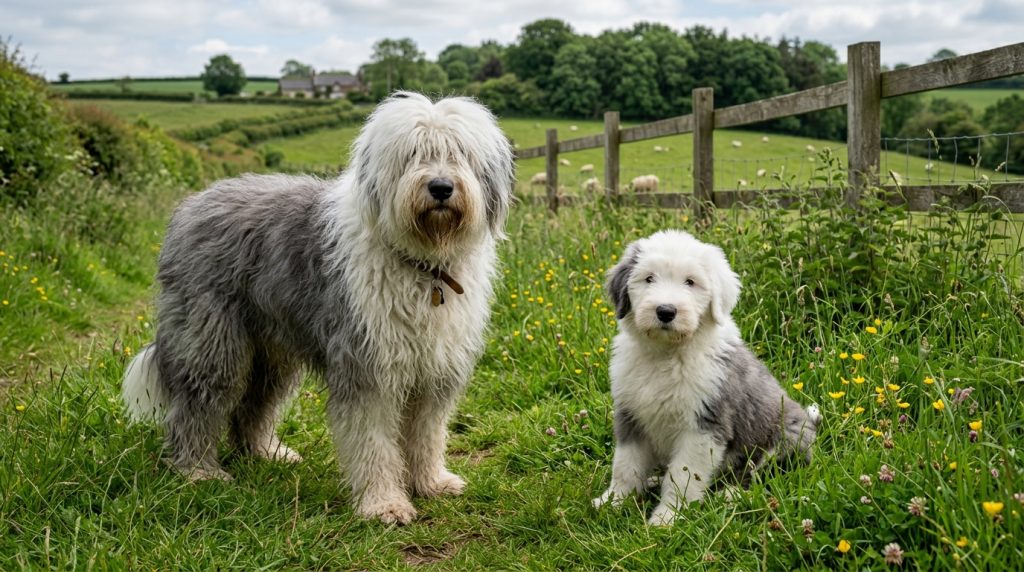
Living with an Old English Sheepdog often feels like sharing your home with a gentle giant. Their endearing shaggy appearance is matched by a friendly and adaptable nature, making them a beloved companion in many households. Owners frequently note their dog's eagerness to be part of the family, whether it's joining in on a walk or simply lounging in the living room.
At a glance
Core care
- Size: Large
- Energy: Moderate to high
- Grooming: Low
- Shedding: Moderate
Support style
- Sensitivity: Moderate
- Training style: Willing
Breed guide
Choose a section to explore. These notes describe common patterns, but individual dogs vary widely.
The Old English Sheepdog, with its origins rooted in herding, embodies a blend of strength and gentleness that has been cherished for generations. Historically, these dogs were tasked with driving cattle and sheep to market, a job that required not just physical endurance but also a keen intelligence and cooperative spirit. Today, these traits manifest in a dog that is both hardworking and affectionate, often forming strong bonds with their human families.
Physically, the Old English Sheepdog is known for its distinctive shaggy coat and large size. This coat, while iconic, requires significant upkeep to prevent matting and tangling. Owners often find themselves dedicating time to regular grooming sessions, which can become a bonding experience. Their size means they are quite noticeable in any room, and they often enjoy being the centre of attention, whether it’s through play or simply being part of the family activities.
Temperamentally, these dogs are known for their friendly and sociable nature. Many owners describe their Old English Sheepdog as a gentle giant, with a calm disposition that makes them well-suited to family life. They are typically good with children and other pets, though their herding instincts may occasionally come into play. This can lead to some playful nudging or rounding up of family members, a behaviour that is usually more endearing than problematic.
While the breed has many consistent traits, individual dogs can vary significantly. Some may be more energetic and require more exercise, while others might be content with a more relaxed lifestyle. It’s important for potential owners to spend time with different dogs to understand the range of personalities within the breed. This ensures that they find a dog whose temperament and energy level match their own lifestyle.
Old English Sheepdogs are often described as social butterflies, thriving in environments where they can interact with both people and other animals. Their history as herding dogs contributes to their strong desire to be part of a group, whether that’s a family or a pack of other dogs. This social nature means they typically enjoy being involved in family activities and can become quite attached to their human companions.
Their moderate sensitivity makes them responsive to their owner’s emotions and moods, which can be both a blessing and a challenge. Owners often notice that their Old English Sheepdog is particularly attuned to household dynamics, sometimes offering comfort when someone is upset or joining in on celebrations. This sensitivity, combined with their willingness to learn, makes them relatively easy to train, as they are eager to please and respond well to positive reinforcement.
However, their social nature also means they may not enjoy being left alone for long periods. Some owners find that their Sheepdog can become anxious or bored if not given enough companionship and mental stimulation. This is where their trainability comes in handy, as they can be taught to enjoy solo activities like puzzle toys or interactive games that keep their minds engaged when family members are busy.
It’s important to remember that, like all breeds, individual Old English Sheepdogs will have their own unique personalities. While many are outgoing and friendly, others might be more reserved or independent. Understanding these variations and being prepared to adapt to your dog’s specific needs will ensure a harmonious relationship, allowing both dog and owner to thrive together.
A typical day for an Old English Sheepdog involves a good balance of physical exercise and mental stimulation. With their moderate to high energy levels, these dogs benefit from regular walks, playtime, and opportunities to run off-leash in a safe, enclosed area. Many owners find that a couple of brisk walks each day, combined with some interactive play sessions, help keep their Sheepdog happy and healthy.
Mental enrichment is equally important for this intelligent breed. Puzzle toys, training sessions, and even canine sports like agility can provide the mental challenges they crave. These activities not only keep their minds sharp but also strengthen the bond between dog and owner. It’s essential to vary these activities to prevent boredom and to cater to the individual preferences of each dog.
As they age, the exercise needs of an Old English Sheepdog may change. While younger dogs often have boundless energy and require more vigorous activity, older Sheepdogs might prefer gentler walks and more relaxed play sessions. It’s important to adjust their routine based on their energy levels and physical capabilities, ensuring they remain active without overexertion.
Owners should be mindful of the weather, as the Sheepdog’s thick coat can make them prone to overheating in hot conditions. Ensuring they have access to shade and water during outdoor activities is crucial. By understanding and catering to their exercise and enrichment needs, owners can help their Old English Sheepdog lead a fulfilling and contented life.
Training an Old English Sheepdog often feels like a rewarding journey, thanks to their eager-to-please nature and willingness to learn. Many owners find that positive reinforcement techniques, such as treats and praise, work particularly well with this breed. These dogs respond best to training methods that are consistent, patient, and encouraging, allowing them to build confidence and trust in their handlers.
Impulse control can be an area where some Old English Sheepdogs need extra support. Their herding instincts might lead to behaviours like chasing or nipping, especially during play. Training sessions that focus on impulse control, such as teaching a reliable ‘leave it’ or ‘stay’ command, can be beneficial. These exercises help them learn to manage their instincts in a way that fits within a family setting.
Adolescence can bring its own set of challenges, as with many breeds. During this period, some Sheepdogs may test boundaries or become more independent. Maintaining consistency in training and reinforcing established behaviours is crucial during this stage. Enrolling in a training class can provide additional support and socialisation opportunities, helping them navigate this developmental phase.
Building a strong relationship with your Old English Sheepdog is key to successful training. They thrive on companionship and enjoy being part of a team, so incorporating training into everyday activities can be both effective and enjoyable. By focusing on positive interactions and clear communication, owners can foster a well-behaved and happy companion.
Old English Sheepdogs tend to thrive in homes where they can be an active part of family life. Their size and energy levels mean they are often best suited to homes with ample space, such as those with a garden or access to nearby parks. However, they can adapt to various living situations as long as their exercise and companionship needs are met.
Many owners find that their Sheepdog gets along well with children and other pets, thanks to their gentle and sociable nature. Their herding instincts might lead to some playful nudging, but this is generally more amusing than problematic. Supervision around young children is always recommended to ensure interactions remain positive and safe for everyone involved.
In terms of lifestyle, Old English Sheepdogs appreciate a balance of activity and relaxation. They enjoy being part of family outings and adventures but are equally content to lounge around the house when it’s time to unwind. This adaptability makes them a versatile companion for families who enjoy both active and quiet times.
It’s important for potential owners to consider their ability to meet the grooming and exercise needs of this breed. While they are affectionate and loyal companions, their care requirements can be demanding. Ensuring that you have the time and resources to dedicate to their upkeep will help ensure a happy and harmonious relationship.
Health is a crucial aspect of an Old English Sheepdog’s overall wellbeing, impacting their quality of life and behaviour. Like many large breeds, they can be prone to certain health issues, such as hip dysplasia and eye conditions. Regular veterinary check-ups and preventive care are essential to catch any potential problems early and maintain their health.
Owners often notice that a healthy Sheepdog is a happy and active one, with a zest for life that is infectious. Ensuring they receive a balanced diet, regular exercise, and mental stimulation is key to their overall health. These factors not only keep them physically fit but also support their mental wellbeing, reducing the likelihood of behavioural issues.
Preventive care, such as vaccinations, flea and tick control, and dental hygiene, should be part of their regular routine. Many owners find that establishing a relationship with a trusted veterinarian helps them navigate the health needs of their Sheepdog, providing peace of mind and expert guidance.
If any changes in behaviour or physical condition are noticed, seeking veterinary advice promptly is important. Early intervention can often prevent more serious issues from developing. By staying informed and proactive about their Sheepdog’s health, owners can help ensure their beloved pet enjoys a long and fulfilling life.
The Old English Sheepdog’s history is as rich and textured as its iconic coat. Originating in England during the early 19th century, these dogs were primarily used for herding sheep and cattle. Their role required intelligence, stamina, and a cooperative nature, traits that continue to define the breed today.
Early Sheepdogs were valued for their ability to drive livestock to market, a task that demanded both physical strength and a gentle touch. This duality is reflected in their modern-day temperament, where they balance playfulness with a calm, steady demeanor. Their working past is evident in their herding instincts, which can sometimes manifest in playful nudging or rounding up family members.
As the breed developed, their distinctive shaggy coat became a hallmark, providing protection against harsh weather conditions. This coat, while beautiful, requires significant maintenance, a factor that potential owners should consider. The breed’s appearance and temperament made them popular beyond their working roots, eventually becoming beloved family companions and show dogs.
Today, the Old English Sheepdog is cherished not only for its historical significance but also for its gentle and affectionate nature. Understanding their origins helps owners appreciate the breed’s unique characteristics and the role they can play in a modern family setting. Their history is a testament to their adaptability and enduring appeal.
What shapes individual dogs
- Early social experiences
- Training approach
- Environment & routine
- Genetics & breeding
- Health & pain
- Age / life stage
The Old English Sheepdog, with its origins rooted in herding, embodies a blend of strength and gentleness that has been cherished for generations. Historically, these dogs were tasked with driving cattle and sheep to market, a job that required not just physical endurance but also a keen intelligence and cooperative spirit. Today, these traits manifest in a dog that is both hardworking and affectionate, often forming strong bonds with their human families.
Physically, the Old English Sheepdog is known for its distinctive shaggy coat and large size. This coat, while iconic, requires significant upkeep to prevent matting and tangling. Owners often find themselves dedicating time to regular grooming sessions, which can become a bonding experience. Their size means they are quite noticeable in any room, and they often enjoy being the centre of attention, whether it’s through play or simply being part of the family activities.
Temperamentally, these dogs are known for their friendly and sociable nature. Many owners describe their Old English Sheepdog as a gentle giant, with a calm disposition that makes them well-suited to family life. They are typically good with children and other pets, though their herding instincts may occasionally come into play. This can lead to some playful nudging or rounding up of family members, a behaviour that is usually more endearing than problematic.
While the breed has many consistent traits, individual dogs can vary significantly. Some may be more energetic and require more exercise, while others might be content with a more relaxed lifestyle. It’s important for potential owners to spend time with different dogs to understand the range of personalities within the breed. This ensures that they find a dog whose temperament and energy level match their own lifestyle.
Old English Sheepdogs are often described as social butterflies, thriving in environments where they can interact with both people and other animals. Their history as herding dogs contributes to their strong desire to be part of a group, whether that’s a family or a pack of other dogs. This social nature means they typically enjoy being involved in family activities and can become quite attached to their human companions.
Their moderate sensitivity makes them responsive to their owner’s emotions and moods, which can be both a blessing and a challenge. Owners often notice that their Old English Sheepdog is particularly attuned to household dynamics, sometimes offering comfort when someone is upset or joining in on celebrations. This sensitivity, combined with their willingness to learn, makes them relatively easy to train, as they are eager to please and respond well to positive reinforcement.
However, their social nature also means they may not enjoy being left alone for long periods. Some owners find that their Sheepdog can become anxious or bored if not given enough companionship and mental stimulation. This is where their trainability comes in handy, as they can be taught to enjoy solo activities like puzzle toys or interactive games that keep their minds engaged when family members are busy.
It’s important to remember that, like all breeds, individual Old English Sheepdogs will have their own unique personalities. While many are outgoing and friendly, others might be more reserved or independent. Understanding these variations and being prepared to adapt to your dog’s specific needs will ensure a harmonious relationship, allowing both dog and owner to thrive together.
A typical day for an Old English Sheepdog involves a good balance of physical exercise and mental stimulation. With their moderate to high energy levels, these dogs benefit from regular walks, playtime, and opportunities to run off-leash in a safe, enclosed area. Many owners find that a couple of brisk walks each day, combined with some interactive play sessions, help keep their Sheepdog happy and healthy.
Mental enrichment is equally important for this intelligent breed. Puzzle toys, training sessions, and even canine sports like agility can provide the mental challenges they crave. These activities not only keep their minds sharp but also strengthen the bond between dog and owner. It’s essential to vary these activities to prevent boredom and to cater to the individual preferences of each dog.
As they age, the exercise needs of an Old English Sheepdog may change. While younger dogs often have boundless energy and require more vigorous activity, older Sheepdogs might prefer gentler walks and more relaxed play sessions. It’s important to adjust their routine based on their energy levels and physical capabilities, ensuring they remain active without overexertion.
Owners should be mindful of the weather, as the Sheepdog’s thick coat can make them prone to overheating in hot conditions. Ensuring they have access to shade and water during outdoor activities is crucial. By understanding and catering to their exercise and enrichment needs, owners can help their Old English Sheepdog lead a fulfilling and contented life.
Training an Old English Sheepdog often feels like a rewarding journey, thanks to their eager-to-please nature and willingness to learn. Many owners find that positive reinforcement techniques, such as treats and praise, work particularly well with this breed. These dogs respond best to training methods that are consistent, patient, and encouraging, allowing them to build confidence and trust in their handlers.
Impulse control can be an area where some Old English Sheepdogs need extra support. Their herding instincts might lead to behaviours like chasing or nipping, especially during play. Training sessions that focus on impulse control, such as teaching a reliable ‘leave it’ or ‘stay’ command, can be beneficial. These exercises help them learn to manage their instincts in a way that fits within a family setting.
Adolescence can bring its own set of challenges, as with many breeds. During this period, some Sheepdogs may test boundaries or become more independent. Maintaining consistency in training and reinforcing established behaviours is crucial during this stage. Enrolling in a training class can provide additional support and socialisation opportunities, helping them navigate this developmental phase.
Building a strong relationship with your Old English Sheepdog is key to successful training. They thrive on companionship and enjoy being part of a team, so incorporating training into everyday activities can be both effective and enjoyable. By focusing on positive interactions and clear communication, owners can foster a well-behaved and happy companion.
Old English Sheepdogs tend to thrive in homes where they can be an active part of family life. Their size and energy levels mean they are often best suited to homes with ample space, such as those with a garden or access to nearby parks. However, they can adapt to various living situations as long as their exercise and companionship needs are met.
Many owners find that their Sheepdog gets along well with children and other pets, thanks to their gentle and sociable nature. Their herding instincts might lead to some playful nudging, but this is generally more amusing than problematic. Supervision around young children is always recommended to ensure interactions remain positive and safe for everyone involved.
In terms of lifestyle, Old English Sheepdogs appreciate a balance of activity and relaxation. They enjoy being part of family outings and adventures but are equally content to lounge around the house when it’s time to unwind. This adaptability makes them a versatile companion for families who enjoy both active and quiet times.
It’s important for potential owners to consider their ability to meet the grooming and exercise needs of this breed. While they are affectionate and loyal companions, their care requirements can be demanding. Ensuring that you have the time and resources to dedicate to their upkeep will help ensure a happy and harmonious relationship.
Health is a crucial aspect of an Old English Sheepdog’s overall wellbeing, impacting their quality of life and behaviour. Like many large breeds, they can be prone to certain health issues, such as hip dysplasia and eye conditions. Regular veterinary check-ups and preventive care are essential to catch any potential problems early and maintain their health.
Owners often notice that a healthy Sheepdog is a happy and active one, with a zest for life that is infectious. Ensuring they receive a balanced diet, regular exercise, and mental stimulation is key to their overall health. These factors not only keep them physically fit but also support their mental wellbeing, reducing the likelihood of behavioural issues.
Preventive care, such as vaccinations, flea and tick control, and dental hygiene, should be part of their regular routine. Many owners find that establishing a relationship with a trusted veterinarian helps them navigate the health needs of their Sheepdog, providing peace of mind and expert guidance.
If any changes in behaviour or physical condition are noticed, seeking veterinary advice promptly is important. Early intervention can often prevent more serious issues from developing. By staying informed and proactive about their Sheepdog’s health, owners can help ensure their beloved pet enjoys a long and fulfilling life.
The Old English Sheepdog’s history is as rich and textured as its iconic coat. Originating in England during the early 19th century, these dogs were primarily used for herding sheep and cattle. Their role required intelligence, stamina, and a cooperative nature, traits that continue to define the breed today.
Early Sheepdogs were valued for their ability to drive livestock to market, a task that demanded both physical strength and a gentle touch. This duality is reflected in their modern-day temperament, where they balance playfulness with a calm, steady demeanor. Their working past is evident in their herding instincts, which can sometimes manifest in playful nudging or rounding up family members.
As the breed developed, their distinctive shaggy coat became a hallmark, providing protection against harsh weather conditions. This coat, while beautiful, requires significant maintenance, a factor that potential owners should consider. The breed’s appearance and temperament made them popular beyond their working roots, eventually becoming beloved family companions and show dogs.
Today, the Old English Sheepdog is cherished not only for its historical significance but also for its gentle and affectionate nature. Understanding their origins helps owners appreciate the breed’s unique characteristics and the role they can play in a modern family setting. Their history is a testament to their adaptability and enduring appeal.
What shapes individual dogs
- Early social experiences
- Training approach
- Environment & routine
- Genetics & breeding
- Health & pain
- Age / life stage
Want support with this?
Understanding the psychology of your Old English Sheepdog can enhance your relationship and help manage their herding instincts effectively.