
Norfolk Terrier
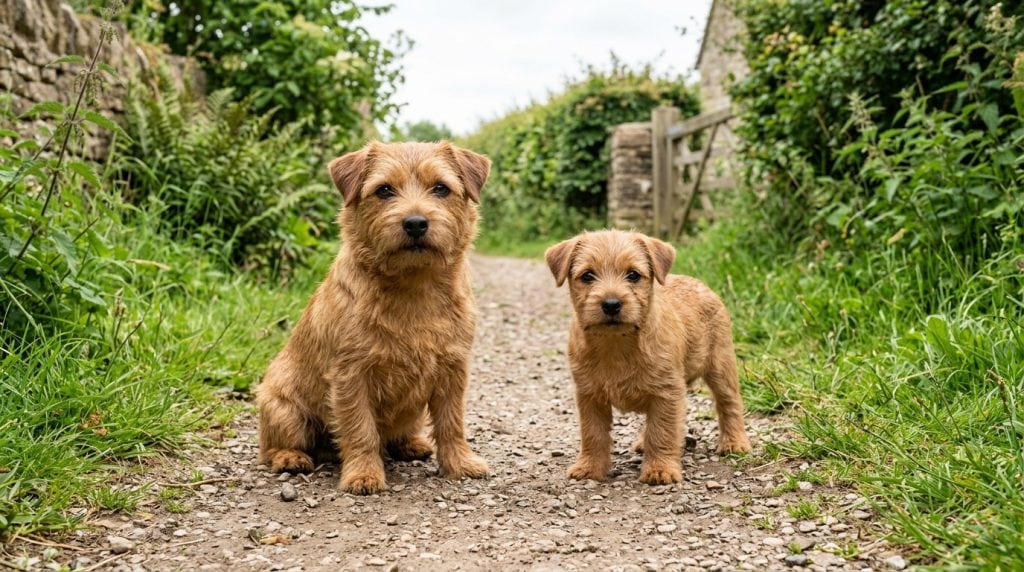
Living with a Norfolk Terrier is like having a lively, compact companion who’s always ready for an adventure. These little dogs are full of character, often displaying a spirited personality that endears them to their families. Despite their small size, they have a big presence, often making themselves known with their curious and engaging nature.
At a glance
Core care
- Size: Small
- Energy: Moderate to high
- Grooming: Low
- Shedding: Low
Support style
- Sensitivity: Moderate
- Training style: Willing
Breed guide
Choose a section to explore. These notes describe common patterns, but individual dogs vary widely.
Originally bred for hunting small vermin, the Norfolk Terrier’s history as a working dog is evident in its modern-day behaviour. These dogs were developed to be tenacious and independent, traits that remain integral to their character. Today, many Norfolk Terriers still exhibit the determination and alertness that made them effective hunters, often showing a keen interest in their surroundings and a readiness to explore.
Physically, Norfolk Terriers are small but robust, with a compact build that belies their strength and agility. Their wiry coat is not just for show; it provides protection against the elements, a nod to their origins in the English countryside. Owners often find that these dogs are well-suited to a variety of activities, from brisk walks to playful romps in the garden, thanks to their sturdy physique.
Temperamentally, Norfolk Terriers are known for their lively and affectionate nature. They tend to form strong bonds with their families, often seeking out companionship and play. While they are generally friendly, their terrier instincts can sometimes lead to a bit of stubbornness, especially if they catch an interesting scent. Owners often notice a mix of independence and loyalty, which can make for a charming but occasionally challenging combination.
As with any breed, individual Norfolk Terriers can vary widely in personality and behaviour. While some may be more outgoing and sociable, others might be a bit reserved. It’s important for potential owners to remember that each dog is unique, shaped by its genetics, environment, and upbringing. Understanding and appreciating these differences can lead to a more fulfilling relationship with these spirited little dogs.
Norfolk Terriers are often described as spirited and affectionate, traits that make them delightful companions for many families. Their social nature means they typically enjoy being around people and can often be found following their owners from room to room. This tendency to stay close is not just about companionship; it also reflects their curious nature and desire to be involved in family activities.
Their moderate sensitivity means that while they are generally adaptable, they can be somewhat aware of changes in their environment or routine. This sensitivity often manifests in their keen observation skills, allowing them to pick up on subtle cues from their human companions. Owners may notice that their Norfolk Terrier is quick to respond to changes in tone or mood, which can be both endearing and a reminder of their perceptive nature.
Trainability in Norfolk Terriers is generally high, thanks to their willingness to please and engage with their owners. However, their independent streak can sometimes make training a bit of a balancing act. Positive reinforcement techniques tend to work best, as these dogs respond well to encouragement and rewards. Consistency and patience are key, as their curious nature might lead them to test boundaries occasionally.
Living with a Norfolk Terrier often involves a blend of lively engagement and affectionate companionship. While they are generally good-natured, individual personalities can vary, with some dogs being more reserved or independent than others. Understanding these nuances helps owners appreciate the unique character of their Norfolk Terrier, fostering a deeper bond and more harmonious relationship.
A typical day with a Norfolk Terrier involves a healthy mix of physical activity and mental stimulation. These dogs have moderate to high energy levels, so they thrive on regular walks and play sessions. A brisk walk in the morning can set a positive tone for the day, allowing them to burn off energy and satisfy their curiosity about the world around them.
In addition to physical exercise, Norfolk Terriers benefit greatly from mental enrichment. Puzzle toys, scent games, and interactive play are excellent ways to keep their minds engaged. These activities not only provide mental stimulation but also help reinforce the bond between dog and owner. Given their hunting background, games that tap into their natural instincts, like hide and seek, can be particularly enjoyable.
As Norfolk Terriers age, their exercise needs may change. While younger dogs might require more frequent and intense activity, older dogs may appreciate shorter, gentler walks and more relaxed playtime. It’s important for owners to adjust their routines to accommodate these changes, ensuring that their dog remains healthy and happy at every life stage.
Owners should be mindful not to over-exercise their Norfolk Terrier, especially in extreme weather conditions. These dogs are resilient, but their small size means they can tire more quickly than larger breeds. Balancing activity with rest is crucial, allowing them to recharge and maintain their spirited nature. By understanding their exercise needs, owners can help their Norfolk Terrier lead a balanced and fulfilling life.
Training a Norfolk Terrier often feels like a rewarding journey of mutual learning and understanding. These dogs are generally eager to please, which makes them receptive to training efforts. However, their independent nature can sometimes present challenges, requiring a thoughtful approach that balances firmness with encouragement.
Positive reinforcement is particularly effective with Norfolk Terriers. They respond well to praise, treats, and play, which can be used to reinforce desired behaviours. Consistency is key, as these dogs thrive on routine and clear expectations. Owners often find that short, engaging training sessions work best, keeping the dog’s attention and enthusiasm high.
During adolescence, Norfolk Terriers might test boundaries more frequently, a common phase for many breeds. Patience and consistency are crucial during this period, as is maintaining a strong relationship based on trust and respect. Training should remain a positive experience, reinforcing the bond between dog and owner and helping the dog navigate this challenging stage.
For those new to the breed, or dog ownership in general, enrolling in a course like “Puppy Beginnings: Building a Calm Start” can provide valuable insights and support. Understanding the unique training needs of a Norfolk Terrier can lead to a more harmonious relationship, allowing both dog and owner to enjoy the journey of learning and growth together.
Norfolk Terriers tend to adapt well to a variety of living environments, making them a versatile choice for many households. Whether in a bustling city flat or a quiet country home, they often find ways to thrive as long as their social and exercise needs are met. Their small size makes them particularly well-suited to urban living, though they do appreciate access to outdoor spaces for play and exploration.
Owners often find that Norfolk Terriers integrate well into family life, enjoying the company of children and adults alike. Their playful nature makes them fun companions for kids, though supervision is always recommended to ensure interactions remain safe and positive. While they are generally friendly, their terrier instincts might lead them to be a bit more reserved around unfamiliar animals.
Living with other pets can be successful, but it often depends on the individual dog’s temperament and early socialisation experiences. Norfolk Terriers can coexist with other dogs and even cats, especially if introduced gradually and with care. Their hunting background, however, means they might not be the best fit for homes with small pets like rodents or birds.
Ultimately, the Norfolk Terrier’s adaptability and spirited nature mean they can fit into a wide range of lifestyles. Prospective owners should consider their own activity levels and living situations to ensure a good match. By understanding the breed’s needs and characteristics, families can create a harmonious environment where both the dog and its human companions can thrive.
The health of a Norfolk Terrier is closely tied to their overall wellbeing and quality of life. Like all breeds, they have specific health considerations that owners should be aware of to ensure their dog remains healthy and happy. Regular veterinary check-ups are essential for monitoring their health and catching any potential issues early.
Common health concerns for Norfolk Terriers include hip dysplasia, patellar luxation, and certain eye conditions. While not all dogs will experience these issues, being informed allows owners to take preventive measures. Maintaining a healthy weight through proper diet and exercise can help reduce the risk of joint problems, while regular eye checks can catch issues before they become serious.
Preventive care is a cornerstone of keeping a Norfolk Terrier healthy. This includes routine vaccinations, parasite prevention, and dental care. Regular brushing and professional cleanings can help prevent dental disease, which is common in small breeds. Owners should also be attentive to any changes in behaviour or appetite, as these can be early indicators of health issues.
When in doubt, seeking veterinary advice is always the best course of action. A good relationship with a trusted vet can provide peace of mind and ensure that any health concerns are addressed promptly. By staying proactive and informed, owners can help their Norfolk Terrier lead a long, healthy life.
The Norfolk Terrier’s origins can be traced back to the English countryside, where they were bred to hunt small vermin. This practical purpose shaped their tenacious and independent nature, traits that are still evident in the breed today. Originally part of the same group as the Norwich Terrier, the Norfolk was distinguished by its drop ears, a feature that became a defining characteristic.
Developed in the late 19th and early 20th centuries, these terriers were prized for their ability to control rat populations on farms and in homes. Their small size and agile build made them ideal for this task, allowing them to navigate tight spaces with ease. This history of hard work and determination is still reflected in their behaviour, as many Norfolk Terriers retain a strong prey drive and a keen interest in their surroundings.
As the breed developed, it gained popularity not only for its working abilities but also for its charming personality. The Norfolk Terrier’s friendly and spirited nature endeared it to many, leading to its recognition as a distinct breed in the 1960s. Since then, it has continued to be a beloved companion, known for its lively disposition and affectionate nature.
Understanding the Norfolk Terrier’s history helps explain many of the traits owners observe today. Their alertness, curiosity, and independence all stem from their origins as working dogs. This background provides valuable insight into how to engage and care for them, ensuring that they remain happy, healthy, and fulfilled in their modern roles as family pets.
What shapes individual dogs
- Early social experiences
- Training approach
- Environment & routine
- Genetics & breeding
- Health & pain
- Age / life stage
Originally bred for hunting small vermin, the Norfolk Terrier’s history as a working dog is evident in its modern-day behaviour. These dogs were developed to be tenacious and independent, traits that remain integral to their character. Today, many Norfolk Terriers still exhibit the determination and alertness that made them effective hunters, often showing a keen interest in their surroundings and a readiness to explore.
Physically, Norfolk Terriers are small but robust, with a compact build that belies their strength and agility. Their wiry coat is not just for show; it provides protection against the elements, a nod to their origins in the English countryside. Owners often find that these dogs are well-suited to a variety of activities, from brisk walks to playful romps in the garden, thanks to their sturdy physique.
Temperamentally, Norfolk Terriers are known for their lively and affectionate nature. They tend to form strong bonds with their families, often seeking out companionship and play. While they are generally friendly, their terrier instincts can sometimes lead to a bit of stubbornness, especially if they catch an interesting scent. Owners often notice a mix of independence and loyalty, which can make for a charming but occasionally challenging combination.
As with any breed, individual Norfolk Terriers can vary widely in personality and behaviour. While some may be more outgoing and sociable, others might be a bit reserved. It’s important for potential owners to remember that each dog is unique, shaped by its genetics, environment, and upbringing. Understanding and appreciating these differences can lead to a more fulfilling relationship with these spirited little dogs.
Norfolk Terriers are often described as spirited and affectionate, traits that make them delightful companions for many families. Their social nature means they typically enjoy being around people and can often be found following their owners from room to room. This tendency to stay close is not just about companionship; it also reflects their curious nature and desire to be involved in family activities.
Their moderate sensitivity means that while they are generally adaptable, they can be somewhat aware of changes in their environment or routine. This sensitivity often manifests in their keen observation skills, allowing them to pick up on subtle cues from their human companions. Owners may notice that their Norfolk Terrier is quick to respond to changes in tone or mood, which can be both endearing and a reminder of their perceptive nature.
Trainability in Norfolk Terriers is generally high, thanks to their willingness to please and engage with their owners. However, their independent streak can sometimes make training a bit of a balancing act. Positive reinforcement techniques tend to work best, as these dogs respond well to encouragement and rewards. Consistency and patience are key, as their curious nature might lead them to test boundaries occasionally.
Living with a Norfolk Terrier often involves a blend of lively engagement and affectionate companionship. While they are generally good-natured, individual personalities can vary, with some dogs being more reserved or independent than others. Understanding these nuances helps owners appreciate the unique character of their Norfolk Terrier, fostering a deeper bond and more harmonious relationship.
A typical day with a Norfolk Terrier involves a healthy mix of physical activity and mental stimulation. These dogs have moderate to high energy levels, so they thrive on regular walks and play sessions. A brisk walk in the morning can set a positive tone for the day, allowing them to burn off energy and satisfy their curiosity about the world around them.
In addition to physical exercise, Norfolk Terriers benefit greatly from mental enrichment. Puzzle toys, scent games, and interactive play are excellent ways to keep their minds engaged. These activities not only provide mental stimulation but also help reinforce the bond between dog and owner. Given their hunting background, games that tap into their natural instincts, like hide and seek, can be particularly enjoyable.
As Norfolk Terriers age, their exercise needs may change. While younger dogs might require more frequent and intense activity, older dogs may appreciate shorter, gentler walks and more relaxed playtime. It’s important for owners to adjust their routines to accommodate these changes, ensuring that their dog remains healthy and happy at every life stage.
Owners should be mindful not to over-exercise their Norfolk Terrier, especially in extreme weather conditions. These dogs are resilient, but their small size means they can tire more quickly than larger breeds. Balancing activity with rest is crucial, allowing them to recharge and maintain their spirited nature. By understanding their exercise needs, owners can help their Norfolk Terrier lead a balanced and fulfilling life.
Training a Norfolk Terrier often feels like a rewarding journey of mutual learning and understanding. These dogs are generally eager to please, which makes them receptive to training efforts. However, their independent nature can sometimes present challenges, requiring a thoughtful approach that balances firmness with encouragement.
Positive reinforcement is particularly effective with Norfolk Terriers. They respond well to praise, treats, and play, which can be used to reinforce desired behaviours. Consistency is key, as these dogs thrive on routine and clear expectations. Owners often find that short, engaging training sessions work best, keeping the dog’s attention and enthusiasm high.
During adolescence, Norfolk Terriers might test boundaries more frequently, a common phase for many breeds. Patience and consistency are crucial during this period, as is maintaining a strong relationship based on trust and respect. Training should remain a positive experience, reinforcing the bond between dog and owner and helping the dog navigate this challenging stage.
For those new to the breed, or dog ownership in general, enrolling in a course like “Puppy Beginnings: Building a Calm Start” can provide valuable insights and support. Understanding the unique training needs of a Norfolk Terrier can lead to a more harmonious relationship, allowing both dog and owner to enjoy the journey of learning and growth together.
Norfolk Terriers tend to adapt well to a variety of living environments, making them a versatile choice for many households. Whether in a bustling city flat or a quiet country home, they often find ways to thrive as long as their social and exercise needs are met. Their small size makes them particularly well-suited to urban living, though they do appreciate access to outdoor spaces for play and exploration.
Owners often find that Norfolk Terriers integrate well into family life, enjoying the company of children and adults alike. Their playful nature makes them fun companions for kids, though supervision is always recommended to ensure interactions remain safe and positive. While they are generally friendly, their terrier instincts might lead them to be a bit more reserved around unfamiliar animals.
Living with other pets can be successful, but it often depends on the individual dog’s temperament and early socialisation experiences. Norfolk Terriers can coexist with other dogs and even cats, especially if introduced gradually and with care. Their hunting background, however, means they might not be the best fit for homes with small pets like rodents or birds.
Ultimately, the Norfolk Terrier’s adaptability and spirited nature mean they can fit into a wide range of lifestyles. Prospective owners should consider their own activity levels and living situations to ensure a good match. By understanding the breed’s needs and characteristics, families can create a harmonious environment where both the dog and its human companions can thrive.
The health of a Norfolk Terrier is closely tied to their overall wellbeing and quality of life. Like all breeds, they have specific health considerations that owners should be aware of to ensure their dog remains healthy and happy. Regular veterinary check-ups are essential for monitoring their health and catching any potential issues early.
Common health concerns for Norfolk Terriers include hip dysplasia, patellar luxation, and certain eye conditions. While not all dogs will experience these issues, being informed allows owners to take preventive measures. Maintaining a healthy weight through proper diet and exercise can help reduce the risk of joint problems, while regular eye checks can catch issues before they become serious.
Preventive care is a cornerstone of keeping a Norfolk Terrier healthy. This includes routine vaccinations, parasite prevention, and dental care. Regular brushing and professional cleanings can help prevent dental disease, which is common in small breeds. Owners should also be attentive to any changes in behaviour or appetite, as these can be early indicators of health issues.
When in doubt, seeking veterinary advice is always the best course of action. A good relationship with a trusted vet can provide peace of mind and ensure that any health concerns are addressed promptly. By staying proactive and informed, owners can help their Norfolk Terrier lead a long, healthy life.
The Norfolk Terrier’s origins can be traced back to the English countryside, where they were bred to hunt small vermin. This practical purpose shaped their tenacious and independent nature, traits that are still evident in the breed today. Originally part of the same group as the Norwich Terrier, the Norfolk was distinguished by its drop ears, a feature that became a defining characteristic.
Developed in the late 19th and early 20th centuries, these terriers were prized for their ability to control rat populations on farms and in homes. Their small size and agile build made them ideal for this task, allowing them to navigate tight spaces with ease. This history of hard work and determination is still reflected in their behaviour, as many Norfolk Terriers retain a strong prey drive and a keen interest in their surroundings.
As the breed developed, it gained popularity not only for its working abilities but also for its charming personality. The Norfolk Terrier’s friendly and spirited nature endeared it to many, leading to its recognition as a distinct breed in the 1960s. Since then, it has continued to be a beloved companion, known for its lively disposition and affectionate nature.
Understanding the Norfolk Terrier’s history helps explain many of the traits owners observe today. Their alertness, curiosity, and independence all stem from their origins as working dogs. This background provides valuable insight into how to engage and care for them, ensuring that they remain happy, healthy, and fulfilled in their modern roles as family pets.
What shapes individual dogs
- Early social experiences
- Training approach
- Environment & routine
- Genetics & breeding
- Health & pain
- Age / life stage
Want support with this?
This course offers valuable insights into raising a well-adjusted Norfolk Terrier, helping owners navigate the unique challenges of this spirited breed.