
Manchester Terrier
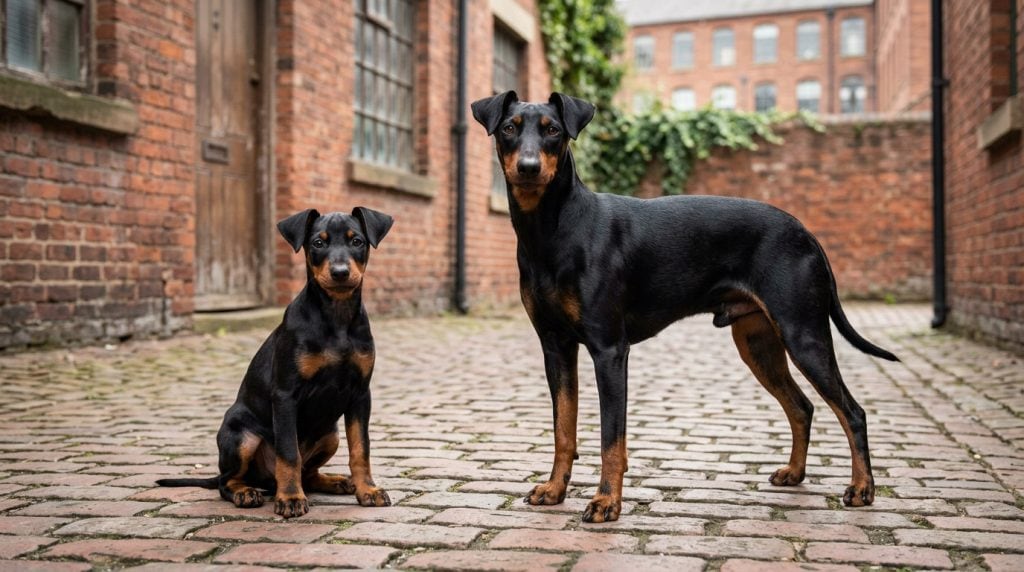
Living with a Manchester Terrier means embracing a lively and spirited companion. Known for their keen intelligence and alertness, these dogs often keep their owners on their toes. Their curious nature and strong bond with their family make them a delightful presence in any home.
At a glance
Core care
- Size: Small
- Energy: Moderate to high
- Grooming: Low
- Shedding: Low
Support style
- Sensitivity: Moderate
- Training style: Willing
Breed guide
Choose a section to explore. These notes describe common patterns, but individual dogs vary widely.
The Manchester Terrier has its roots in the 19th century, bred in England to control the rat population and assist in hunting. This history of working closely with humans has shaped the breed into a keen, alert companion today. Their past as vermin hunters explains their agility and quick reflexes, traits that remain evident in their playful and energetic behaviour.
Physically, the Manchester Terrier is small yet sturdy, with a sleek, black and tan coat that is both striking and easy to maintain. Their compact size makes them well-suited for both urban and rural living, and their athletic build allows them to enjoy a variety of activities. Owners often appreciate their low-maintenance grooming needs, as their short coat requires minimal care beyond regular brushing.
In terms of temperament, Manchester Terriers are known for their intelligence and loyalty. They tend to form strong bonds with their families, often displaying a protective nature. While they can be reserved with strangers, they are usually affectionate and playful with those they trust. This breed’s moderate sensitivity means they respond well to gentle guidance and positive reinforcement, making training a rewarding experience.
It’s important for potential owners to understand that, like all breeds, Manchester Terriers can vary in personality and behaviour. Some may be more outgoing, while others might display a more reserved temperament. Factors such as genetics, early socialisation, and individual experiences play a significant role in shaping each dog’s unique character. Prospective owners should be prepared to invest time in understanding and nurturing their Manchester Terrier’s distinct personality.
Manchester Terriers are often described as spirited and intelligent, traits that make them engaging companions. Their social nature means they usually enjoy being involved in family activities and are quick to pick up on the dynamics of their household. Owners frequently notice their dog’s alertness and keen interest in their surroundings, which can be both charming and occasionally challenging.
The breed’s moderate sensitivity means they are generally attuned to the emotions and actions of their family members. This can make them responsive to training and eager to please, though it also means they may require a thoughtful approach to new situations and environments. Many owners find that their Manchester Terrier benefits from a calm and consistent training style that respects their intelligence and willingness to learn.
In everyday life, Manchester Terriers often display a playful and curious nature. They are known for their love of games and activities that challenge their minds and bodies. This playful streak, coupled with their terrier tenacity, means they can sometimes become fixated on tasks or toys, requiring gentle redirection to keep them balanced.
While they are generally friendly, Manchester Terriers can be reserved with strangers, a trait that reflects their protective instincts. Socialisation from a young age can help them become well-adjusted adults who are comfortable in a variety of settings. It’s important for owners to remember that each dog is an individual, and while breed tendencies provide a guide, personal experiences and upbringing will shape their unique personality.
A typical day for a Manchester Terrier often involves a mix of physical exercise and mental stimulation. These energetic dogs thrive on regular walks, play sessions, and opportunities to explore their environment. Their moderate to high energy levels mean they usually enjoy activities that challenge both their bodies and minds, such as agility courses or interactive games.
Physical exercise is crucial for this breed, helping to channel their natural energy and prevent boredom. Owners often find that a couple of brisk walks each day, combined with some playtime in a secure area, keeps their Manchester Terrier happy and healthy. It’s also beneficial to vary their routine with different routes and activities to keep things interesting.
Mental enrichment is equally important for Manchester Terriers, given their intelligence and curiosity. Puzzle toys, scent games, and training exercises can provide the mental challenge they crave. These activities not only keep their minds sharp but also help strengthen the bond between dog and owner. Many Manchester Terriers enjoy learning new tricks or participating in dog sports, which can be a fun way to engage their problem-solving skills.
As with any breed, exercise needs can change throughout a Manchester Terrier’s life. Puppies and young adults often require more activity to burn off their abundant energy, while older dogs may prefer gentler, shorter outings. It’s important to tailor their exercise routine to their age and health, ensuring they remain active and content throughout their lives.
Training a Manchester Terrier can be a rewarding experience for owners who appreciate their intelligence and eagerness to learn. These dogs are generally willing participants in training sessions, especially when positive reinforcement techniques are used. Owners often find that their Manchester Terrier responds well to treats, praise, and play as rewards for good behaviour.
Consistency and patience are key when training this breed. While they are intelligent and quick to learn, Manchester Terriers can also be independent thinkers. This means they may occasionally test boundaries, especially during adolescence. Establishing a routine and clear expectations can help them understand what is expected and reinforce their training.
Impulse control can be an area where Manchester Terriers need extra support. Their natural curiosity and prey drive may lead them to chase small animals or become distracted by interesting scents. Training exercises that focus on recall and attention can be particularly beneficial in helping them manage these impulses.
Building a strong relationship based on trust and mutual respect is crucial for successful training. Manchester Terriers thrive in environments where they feel secure and understood. By fostering a positive and encouraging atmosphere, owners can help their dog develop into a well-mannered and confident companion. For those new to dog training, enrolling in a course like “Understand Your Dog: Dog Psychology for Beginners” can provide valuable insights into effective training techniques.
Manchester Terriers can adapt well to a variety of living environments, whether it’s a bustling city flat or a quiet country home. Their small size and moderate exercise needs make them suitable for urban living, provided they receive adequate daily walks and playtime. Many owners find that their Manchester Terrier thrives in a home where they can be part of the family activities.
While they are generally good with children, it’s important to supervise interactions, especially with younger kids who may not yet understand how to handle dogs gently. Manchester Terriers can be playful and affectionate with children, but they also appreciate having their own space to retreat to when they need a break.
When it comes to other pets, Manchester Terriers can coexist peacefully with other dogs, particularly if they are socialised from a young age. Their terrier instincts may lead them to chase smaller animals, so introductions to cats or small pets should be managed carefully. Owners often find success with gradual introductions and positive reinforcement to encourage harmonious relationships.
Ultimately, Manchester Terriers tend to do best in homes where they are included in daily life and receive plenty of attention and mental stimulation. They are loyal and loving companions who thrive in environments where they feel secure and valued. Prospective owners should consider their ability to meet these needs when deciding if a Manchester Terrier is the right fit for their lifestyle.
The health of a Manchester Terrier is closely tied to their overall wellbeing and quality of life. While generally a robust breed, they can be prone to certain health issues such as patellar luxation and eye conditions. Regular veterinary check-ups are essential to monitor their health and catch any potential problems early.
Owners often notice that a healthy Manchester Terrier is an active and engaged dog, eager to participate in family activities. Maintaining a balanced diet and regular exercise routine is crucial in supporting their health. It’s also important to be mindful of their weight, as obesity can exacerbate joint issues and other health concerns.
Preventive care, such as vaccinations and parasite control, plays a vital role in keeping a Manchester Terrier healthy. Regular dental care is also important, as small breeds can be prone to dental issues. Brushing their teeth regularly and providing dental chews can help maintain oral health.
If any changes in behaviour or physical condition are observed, it’s always best to seek veterinary advice. Early intervention can make a significant difference in managing health issues. By staying informed and proactive about their dog’s health, owners can help ensure their Manchester Terrier leads a long, happy, and healthy life.
The Manchester Terrier’s history dates back to 19th century England, where they were bred to control rats and assist in hunting. Their origins can be traced to the Black and Tan Terrier, a breed known for its hunting prowess and tenacity. The Manchester Terrier was developed to combine these qualities with a more refined appearance, suitable for both work and companionship.
Originally, these dogs were prized for their ability to keep homes and businesses free of vermin, a crucial task in urban areas during the Industrial Revolution. Their agility and keen senses made them excellent ratters, and they quickly gained popularity among city dwellers. The breed was named after the city of Manchester, where they were particularly favoured.
As the breed developed, emphasis was placed on refining their appearance and temperament, leading to the sleek and elegant dog we know today. Despite their smaller size, Manchester Terriers retained their working instincts and energetic nature, traits that continue to be evident in modern representatives of the breed.
Understanding the Manchester Terrier’s history helps explain their lively and alert nature. Their past as working dogs has instilled in them a strong desire to be active and engaged, making them excellent companions for those who appreciate their spirited personality. This historical context enriches the experience of living with a Manchester Terrier, as owners can appreciate the breed’s unique blend of elegance and tenacity.
What shapes individual dogs
- Early social experiences
- Training approach
- Environment & routine
- Genetics & breeding
- Health & pain
- Age / life stage
The Manchester Terrier has its roots in the 19th century, bred in England to control the rat population and assist in hunting. This history of working closely with humans has shaped the breed into a keen, alert companion today. Their past as vermin hunters explains their agility and quick reflexes, traits that remain evident in their playful and energetic behaviour.
Physically, the Manchester Terrier is small yet sturdy, with a sleek, black and tan coat that is both striking and easy to maintain. Their compact size makes them well-suited for both urban and rural living, and their athletic build allows them to enjoy a variety of activities. Owners often appreciate their low-maintenance grooming needs, as their short coat requires minimal care beyond regular brushing.
In terms of temperament, Manchester Terriers are known for their intelligence and loyalty. They tend to form strong bonds with their families, often displaying a protective nature. While they can be reserved with strangers, they are usually affectionate and playful with those they trust. This breed’s moderate sensitivity means they respond well to gentle guidance and positive reinforcement, making training a rewarding experience.
It’s important for potential owners to understand that, like all breeds, Manchester Terriers can vary in personality and behaviour. Some may be more outgoing, while others might display a more reserved temperament. Factors such as genetics, early socialisation, and individual experiences play a significant role in shaping each dog’s unique character. Prospective owners should be prepared to invest time in understanding and nurturing their Manchester Terrier’s distinct personality.
Manchester Terriers are often described as spirited and intelligent, traits that make them engaging companions. Their social nature means they usually enjoy being involved in family activities and are quick to pick up on the dynamics of their household. Owners frequently notice their dog’s alertness and keen interest in their surroundings, which can be both charming and occasionally challenging.
The breed’s moderate sensitivity means they are generally attuned to the emotions and actions of their family members. This can make them responsive to training and eager to please, though it also means they may require a thoughtful approach to new situations and environments. Many owners find that their Manchester Terrier benefits from a calm and consistent training style that respects their intelligence and willingness to learn.
In everyday life, Manchester Terriers often display a playful and curious nature. They are known for their love of games and activities that challenge their minds and bodies. This playful streak, coupled with their terrier tenacity, means they can sometimes become fixated on tasks or toys, requiring gentle redirection to keep them balanced.
While they are generally friendly, Manchester Terriers can be reserved with strangers, a trait that reflects their protective instincts. Socialisation from a young age can help them become well-adjusted adults who are comfortable in a variety of settings. It’s important for owners to remember that each dog is an individual, and while breed tendencies provide a guide, personal experiences and upbringing will shape their unique personality.
A typical day for a Manchester Terrier often involves a mix of physical exercise and mental stimulation. These energetic dogs thrive on regular walks, play sessions, and opportunities to explore their environment. Their moderate to high energy levels mean they usually enjoy activities that challenge both their bodies and minds, such as agility courses or interactive games.
Physical exercise is crucial for this breed, helping to channel their natural energy and prevent boredom. Owners often find that a couple of brisk walks each day, combined with some playtime in a secure area, keeps their Manchester Terrier happy and healthy. It’s also beneficial to vary their routine with different routes and activities to keep things interesting.
Mental enrichment is equally important for Manchester Terriers, given their intelligence and curiosity. Puzzle toys, scent games, and training exercises can provide the mental challenge they crave. These activities not only keep their minds sharp but also help strengthen the bond between dog and owner. Many Manchester Terriers enjoy learning new tricks or participating in dog sports, which can be a fun way to engage their problem-solving skills.
As with any breed, exercise needs can change throughout a Manchester Terrier’s life. Puppies and young adults often require more activity to burn off their abundant energy, while older dogs may prefer gentler, shorter outings. It’s important to tailor their exercise routine to their age and health, ensuring they remain active and content throughout their lives.
Training a Manchester Terrier can be a rewarding experience for owners who appreciate their intelligence and eagerness to learn. These dogs are generally willing participants in training sessions, especially when positive reinforcement techniques are used. Owners often find that their Manchester Terrier responds well to treats, praise, and play as rewards for good behaviour.
Consistency and patience are key when training this breed. While they are intelligent and quick to learn, Manchester Terriers can also be independent thinkers. This means they may occasionally test boundaries, especially during adolescence. Establishing a routine and clear expectations can help them understand what is expected and reinforce their training.
Impulse control can be an area where Manchester Terriers need extra support. Their natural curiosity and prey drive may lead them to chase small animals or become distracted by interesting scents. Training exercises that focus on recall and attention can be particularly beneficial in helping them manage these impulses.
Building a strong relationship based on trust and mutual respect is crucial for successful training. Manchester Terriers thrive in environments where they feel secure and understood. By fostering a positive and encouraging atmosphere, owners can help their dog develop into a well-mannered and confident companion. For those new to dog training, enrolling in a course like “Understand Your Dog: Dog Psychology for Beginners” can provide valuable insights into effective training techniques.
Manchester Terriers can adapt well to a variety of living environments, whether it’s a bustling city flat or a quiet country home. Their small size and moderate exercise needs make them suitable for urban living, provided they receive adequate daily walks and playtime. Many owners find that their Manchester Terrier thrives in a home where they can be part of the family activities.
While they are generally good with children, it’s important to supervise interactions, especially with younger kids who may not yet understand how to handle dogs gently. Manchester Terriers can be playful and affectionate with children, but they also appreciate having their own space to retreat to when they need a break.
When it comes to other pets, Manchester Terriers can coexist peacefully with other dogs, particularly if they are socialised from a young age. Their terrier instincts may lead them to chase smaller animals, so introductions to cats or small pets should be managed carefully. Owners often find success with gradual introductions and positive reinforcement to encourage harmonious relationships.
Ultimately, Manchester Terriers tend to do best in homes where they are included in daily life and receive plenty of attention and mental stimulation. They are loyal and loving companions who thrive in environments where they feel secure and valued. Prospective owners should consider their ability to meet these needs when deciding if a Manchester Terrier is the right fit for their lifestyle.
The health of a Manchester Terrier is closely tied to their overall wellbeing and quality of life. While generally a robust breed, they can be prone to certain health issues such as patellar luxation and eye conditions. Regular veterinary check-ups are essential to monitor their health and catch any potential problems early.
Owners often notice that a healthy Manchester Terrier is an active and engaged dog, eager to participate in family activities. Maintaining a balanced diet and regular exercise routine is crucial in supporting their health. It’s also important to be mindful of their weight, as obesity can exacerbate joint issues and other health concerns.
Preventive care, such as vaccinations and parasite control, plays a vital role in keeping a Manchester Terrier healthy. Regular dental care is also important, as small breeds can be prone to dental issues. Brushing their teeth regularly and providing dental chews can help maintain oral health.
If any changes in behaviour or physical condition are observed, it’s always best to seek veterinary advice. Early intervention can make a significant difference in managing health issues. By staying informed and proactive about their dog’s health, owners can help ensure their Manchester Terrier leads a long, happy, and healthy life.
The Manchester Terrier’s history dates back to 19th century England, where they were bred to control rats and assist in hunting. Their origins can be traced to the Black and Tan Terrier, a breed known for its hunting prowess and tenacity. The Manchester Terrier was developed to combine these qualities with a more refined appearance, suitable for both work and companionship.
Originally, these dogs were prized for their ability to keep homes and businesses free of vermin, a crucial task in urban areas during the Industrial Revolution. Their agility and keen senses made them excellent ratters, and they quickly gained popularity among city dwellers. The breed was named after the city of Manchester, where they were particularly favoured.
As the breed developed, emphasis was placed on refining their appearance and temperament, leading to the sleek and elegant dog we know today. Despite their smaller size, Manchester Terriers retained their working instincts and energetic nature, traits that continue to be evident in modern representatives of the breed.
Understanding the Manchester Terrier’s history helps explain their lively and alert nature. Their past as working dogs has instilled in them a strong desire to be active and engaged, making them excellent companions for those who appreciate their spirited personality. This historical context enriches the experience of living with a Manchester Terrier, as owners can appreciate the breed’s unique blend of elegance and tenacity.
What shapes individual dogs
- Early social experiences
- Training approach
- Environment & routine
- Genetics & breeding
- Health & pain
- Age / life stage
Want support with this?
This course offers valuable insights into understanding and training your Manchester Terrier, enhancing your bond and communication.