
Lowchen
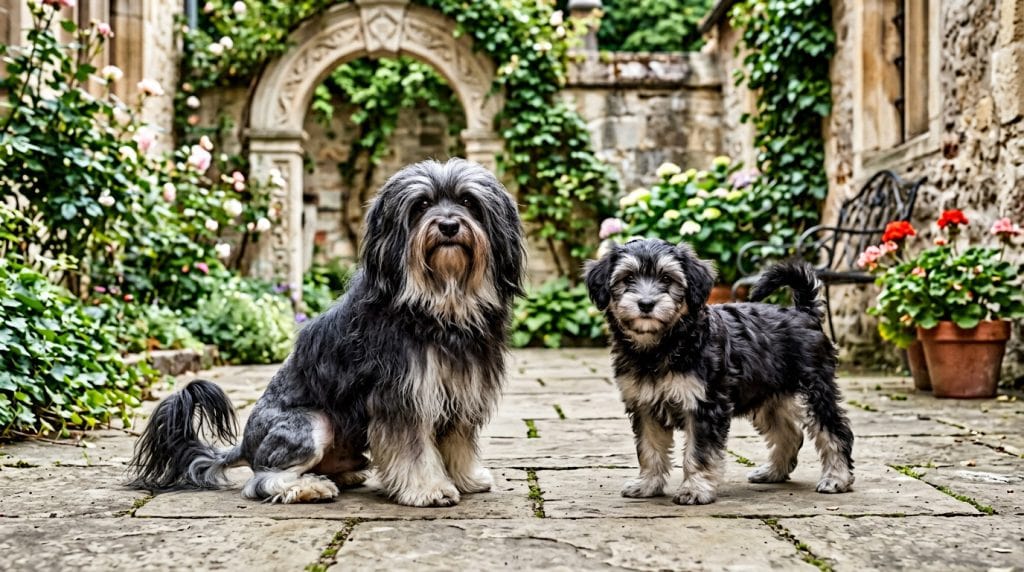
Living with a Lowchen often feels like having a little lion by your side. They exude a charming presence with their lively personality and affectionate nature. Many owners find that their Lowchen enjoys being part of the family action, whether it's a walk in the park or a quiet evening at home.
At a glance
Core care
- Size: Small
- Energy: Moderate
- Grooming: Low
- Shedding: Low
Support style
- Sensitivity: Moderate
- Training style: Willing
Breed guide
Choose a section to explore. These notes describe common patterns, but individual dogs vary widely.
The Lowchen, often referred to as the ‘Little Lion Dog,’ has a history that dates back several centuries, with roots in Europe. Originally bred as companions for nobility, their primary role was to provide warmth and companionship, which explains their strong bond with humans today. This historical background contributes to their affectionate and social nature, making them delightful companions in modern households.
Physically, Lowchens are small and sturdy, with a distinctive lion-like appearance due to their traditional grooming style. This unique look is more than just an aesthetic choice; it reflects their history as cherished pets of the European elite. In everyday life, their compact size makes them well-suited for apartment living, although they are equally at home in larger spaces.
Temperamentally, Lowchens are known for their cheerful disposition and eagerness to please. Owners often notice their playful antics and their tendency to form close bonds with family members. While generally friendly, they can be reserved with strangers, a trait that likely harks back to their role as personal companions. Their moderate sensitivity means they respond well to gentle guidance and positive reinforcement.
As with any breed, individual Lowchens can vary in behaviour and personality. While many are outgoing and sociable, others might be more reserved. This variation is influenced by factors such as genetics, early socialisation, and individual experiences. Prospective owners should be prepared for these differences and embrace the unique personality of their Lowchen.
The Lowchen is often described as a social butterfly in the dog world. They thrive on human interaction and enjoy being part of family activities. This social nature is rooted in their history as companion dogs, bred to be close to their human counterparts. Owners frequently observe their Lowchen following them from room to room, eager to be involved in whatever is happening.
Their willingness to please makes them quite trainable, and many owners find that their Lowchen picks up new commands with enthusiasm. This eagerness to learn is complemented by their moderate sensitivity, meaning they respond best to positive reinforcement and gentle correction. Harsh training methods are generally unnecessary and can be counterproductive.
In terms of social motivations, Lowchens often display a strong desire to be around people and can become quite attached to their families. This attachment sometimes leads to separation anxiety if they are left alone for extended periods. Owners typically notice that their Lowchen is happiest when they have company, whether human or another pet.
Despite their social nature, Lowchens can be a bit reserved with strangers. This initial caution is usually short-lived, as they quickly warm up to new people once they feel comfortable. This blend of friendliness and caution makes them excellent watchdogs, alerting their owners to any unusual activity without being overly aggressive.
A typical day for a Lowchen involves moderate exercise, which suits their energy level. A couple of short walks combined with some playtime in the garden or living room usually suffice to keep them content. They enjoy interactive games like fetch or tug-of-war, which not only provide physical exercise but also mental stimulation.
While they don’t require extensive exercise, it’s important to keep their minds engaged. Puzzle toys and training sessions can be excellent ways to provide mental enrichment. These activities help prevent boredom, which can lead to unwanted behaviours. Owners often find that their Lowchen enjoys learning new tricks, which can be a fun way to bond and keep their minds sharp.
As Lowchens age, their exercise needs may change. Older Lowchens might prefer shorter, more frequent walks and less intense play sessions. It’s important for owners to adjust their routines to accommodate these changes, ensuring their Lowchen remains healthy and happy throughout their life.
It’s worth noting that while Lowchens are adaptable, they thrive in environments where they receive regular attention and stimulation. Owners should avoid leaving them alone for long periods, as they can become anxious or bored. A balanced routine of physical and mental activities helps maintain their wellbeing and strengthens the bond between dog and owner.
Training a Lowchen is often a rewarding experience due to their eager-to-please nature. Many owners find that their Lowchen responds well to positive reinforcement techniques, such as treats and praise. This breed tends to enjoy the training process, viewing it as an opportunity to engage with their favourite humans.
Consistency is key when training a Lowchen. They benefit from clear and consistent cues, which help them understand what is expected. Due to their moderate sensitivity, they respond best to gentle guidance rather than harsh corrections. Building a strong relationship based on trust and understanding is crucial for successful training.
During adolescence, Lowchens, like many breeds, may test boundaries. This is a normal part of their development, and patience is essential. Owners often find that maintaining a consistent training routine helps navigate this challenging phase. It’s also beneficial to continue socialisation during this period to ensure they remain well-adjusted adults.
For those new to dog ownership, or those experiencing challenges, enrolling in a course like ‘Puppy Beginnings: Building a Calm Start’ can provide valuable insights and support. This course offers guidance on establishing a solid foundation for training and behaviour, tailored to the needs of breeds like the Lowchen.
Lowchens are adaptable dogs that can thrive in a variety of living environments. Their small size and moderate energy levels make them well-suited for apartment living, though they are equally happy in larger homes with gardens. What matters most is the presence of their human companions, as they thrive on interaction and companionship.
Owners often find that Lowchens integrate well into family life, enjoying the hustle and bustle of a busy household. They tend to get along well with children, especially when properly socialised from a young age. However, as with any breed, interactions between dogs and young children should always be supervised to ensure safety for both parties.
When it comes to other pets, Lowchens generally do well, particularly if they are introduced properly and given time to adjust. Their friendly nature often extends to other animals, though individual personalities can vary. Some Lowchens may be more reserved initially, but with patience, they usually warm up to new furry friends.
For prospective owners, it’s important to consider the time and attention a Lowchen requires. They are not a breed that enjoys being left alone for long periods and may develop separation anxiety if not given enough companionship. A household where someone is often at home or where they can accompany their owners on outings tends to suit them best.
The health of a Lowchen is closely tied to their overall wellbeing and quality of life. Like all breeds, they have specific health considerations that owners should be aware of. Regular veterinary check-ups are essential to monitor their health and catch any potential issues early.
Common health concerns for Lowchens include patellar luxation and eye problems. Owners should be vigilant for signs of discomfort or changes in behaviour that might indicate health issues. Preventative care, such as maintaining a healthy weight and providing a balanced diet, plays a crucial role in keeping them healthy.
Lowchens’ moderate sensitivity means they can be affected by stress or changes in their environment. Owners often notice that maintaining a stable routine helps keep their Lowchen calm and content. Ensuring they receive adequate exercise and mental stimulation also contributes to their overall health.
If health concerns arise, it’s important to seek veterinary advice promptly. Early intervention can often prevent minor issues from becoming major problems. By staying informed and proactive about their Lowchen’s health, owners can help ensure their furry companion enjoys a long, happy life.
The Lowchen’s history is as charming as the breed itself. Originating in Europe, these ‘Little Lion Dogs’ have been depicted in art and literature for centuries, often associated with nobility and wealth. Their primary role was to serve as companions, providing warmth and affection to their human counterparts.
As companion dogs, Lowchens were bred to be close to people, a trait that remains evident today. Their affectionate nature and desire for companionship are deeply rooted in their history. This background explains why they often form strong bonds with their families and enjoy being involved in daily activities.
Throughout history, the Lowchen’s distinctive appearance, particularly the lion-like clip, was a symbol of status. This grooming style not only highlighted their unique look but also served a practical purpose, keeping them cool in warmer climates. Today, this traditional grooming is still popular among Lowchen enthusiasts, maintaining a link to their storied past.
Despite their noble origins, Lowchens are not just about looks. Their history as cherished companions has shaped their personality, making them loving and loyal pets. Understanding their background helps owners appreciate the breed’s nuances and the special role they can play in a modern family.
What shapes individual dogs
- Early social experiences
- Training approach
- Environment & routine
- Genetics & breeding
- Health & pain
- Age / life stage
The Lowchen, often referred to as the ‘Little Lion Dog,’ has a history that dates back several centuries, with roots in Europe. Originally bred as companions for nobility, their primary role was to provide warmth and companionship, which explains their strong bond with humans today. This historical background contributes to their affectionate and social nature, making them delightful companions in modern households.
Physically, Lowchens are small and sturdy, with a distinctive lion-like appearance due to their traditional grooming style. This unique look is more than just an aesthetic choice; it reflects their history as cherished pets of the European elite. In everyday life, their compact size makes them well-suited for apartment living, although they are equally at home in larger spaces.
Temperamentally, Lowchens are known for their cheerful disposition and eagerness to please. Owners often notice their playful antics and their tendency to form close bonds with family members. While generally friendly, they can be reserved with strangers, a trait that likely harks back to their role as personal companions. Their moderate sensitivity means they respond well to gentle guidance and positive reinforcement.
As with any breed, individual Lowchens can vary in behaviour and personality. While many are outgoing and sociable, others might be more reserved. This variation is influenced by factors such as genetics, early socialisation, and individual experiences. Prospective owners should be prepared for these differences and embrace the unique personality of their Lowchen.
The Lowchen is often described as a social butterfly in the dog world. They thrive on human interaction and enjoy being part of family activities. This social nature is rooted in their history as companion dogs, bred to be close to their human counterparts. Owners frequently observe their Lowchen following them from room to room, eager to be involved in whatever is happening.
Their willingness to please makes them quite trainable, and many owners find that their Lowchen picks up new commands with enthusiasm. This eagerness to learn is complemented by their moderate sensitivity, meaning they respond best to positive reinforcement and gentle correction. Harsh training methods are generally unnecessary and can be counterproductive.
In terms of social motivations, Lowchens often display a strong desire to be around people and can become quite attached to their families. This attachment sometimes leads to separation anxiety if they are left alone for extended periods. Owners typically notice that their Lowchen is happiest when they have company, whether human or another pet.
Despite their social nature, Lowchens can be a bit reserved with strangers. This initial caution is usually short-lived, as they quickly warm up to new people once they feel comfortable. This blend of friendliness and caution makes them excellent watchdogs, alerting their owners to any unusual activity without being overly aggressive.
A typical day for a Lowchen involves moderate exercise, which suits their energy level. A couple of short walks combined with some playtime in the garden or living room usually suffice to keep them content. They enjoy interactive games like fetch or tug-of-war, which not only provide physical exercise but also mental stimulation.
While they don’t require extensive exercise, it’s important to keep their minds engaged. Puzzle toys and training sessions can be excellent ways to provide mental enrichment. These activities help prevent boredom, which can lead to unwanted behaviours. Owners often find that their Lowchen enjoys learning new tricks, which can be a fun way to bond and keep their minds sharp.
As Lowchens age, their exercise needs may change. Older Lowchens might prefer shorter, more frequent walks and less intense play sessions. It’s important for owners to adjust their routines to accommodate these changes, ensuring their Lowchen remains healthy and happy throughout their life.
It’s worth noting that while Lowchens are adaptable, they thrive in environments where they receive regular attention and stimulation. Owners should avoid leaving them alone for long periods, as they can become anxious or bored. A balanced routine of physical and mental activities helps maintain their wellbeing and strengthens the bond between dog and owner.
Training a Lowchen is often a rewarding experience due to their eager-to-please nature. Many owners find that their Lowchen responds well to positive reinforcement techniques, such as treats and praise. This breed tends to enjoy the training process, viewing it as an opportunity to engage with their favourite humans.
Consistency is key when training a Lowchen. They benefit from clear and consistent cues, which help them understand what is expected. Due to their moderate sensitivity, they respond best to gentle guidance rather than harsh corrections. Building a strong relationship based on trust and understanding is crucial for successful training.
During adolescence, Lowchens, like many breeds, may test boundaries. This is a normal part of their development, and patience is essential. Owners often find that maintaining a consistent training routine helps navigate this challenging phase. It’s also beneficial to continue socialisation during this period to ensure they remain well-adjusted adults.
For those new to dog ownership, or those experiencing challenges, enrolling in a course like ‘Puppy Beginnings: Building a Calm Start’ can provide valuable insights and support. This course offers guidance on establishing a solid foundation for training and behaviour, tailored to the needs of breeds like the Lowchen.
Lowchens are adaptable dogs that can thrive in a variety of living environments. Their small size and moderate energy levels make them well-suited for apartment living, though they are equally happy in larger homes with gardens. What matters most is the presence of their human companions, as they thrive on interaction and companionship.
Owners often find that Lowchens integrate well into family life, enjoying the hustle and bustle of a busy household. They tend to get along well with children, especially when properly socialised from a young age. However, as with any breed, interactions between dogs and young children should always be supervised to ensure safety for both parties.
When it comes to other pets, Lowchens generally do well, particularly if they are introduced properly and given time to adjust. Their friendly nature often extends to other animals, though individual personalities can vary. Some Lowchens may be more reserved initially, but with patience, they usually warm up to new furry friends.
For prospective owners, it’s important to consider the time and attention a Lowchen requires. They are not a breed that enjoys being left alone for long periods and may develop separation anxiety if not given enough companionship. A household where someone is often at home or where they can accompany their owners on outings tends to suit them best.
The health of a Lowchen is closely tied to their overall wellbeing and quality of life. Like all breeds, they have specific health considerations that owners should be aware of. Regular veterinary check-ups are essential to monitor their health and catch any potential issues early.
Common health concerns for Lowchens include patellar luxation and eye problems. Owners should be vigilant for signs of discomfort or changes in behaviour that might indicate health issues. Preventative care, such as maintaining a healthy weight and providing a balanced diet, plays a crucial role in keeping them healthy.
Lowchens’ moderate sensitivity means they can be affected by stress or changes in their environment. Owners often notice that maintaining a stable routine helps keep their Lowchen calm and content. Ensuring they receive adequate exercise and mental stimulation also contributes to their overall health.
If health concerns arise, it’s important to seek veterinary advice promptly. Early intervention can often prevent minor issues from becoming major problems. By staying informed and proactive about their Lowchen’s health, owners can help ensure their furry companion enjoys a long, happy life.
The Lowchen’s history is as charming as the breed itself. Originating in Europe, these ‘Little Lion Dogs’ have been depicted in art and literature for centuries, often associated with nobility and wealth. Their primary role was to serve as companions, providing warmth and affection to their human counterparts.
As companion dogs, Lowchens were bred to be close to people, a trait that remains evident today. Their affectionate nature and desire for companionship are deeply rooted in their history. This background explains why they often form strong bonds with their families and enjoy being involved in daily activities.
Throughout history, the Lowchen’s distinctive appearance, particularly the lion-like clip, was a symbol of status. This grooming style not only highlighted their unique look but also served a practical purpose, keeping them cool in warmer climates. Today, this traditional grooming is still popular among Lowchen enthusiasts, maintaining a link to their storied past.
Despite their noble origins, Lowchens are not just about looks. Their history as cherished companions has shaped their personality, making them loving and loyal pets. Understanding their background helps owners appreciate the breed’s nuances and the special role they can play in a modern family.
What shapes individual dogs
- Early social experiences
- Training approach
- Environment & routine
- Genetics & breeding
- Health & pain
- Age / life stage
Want support with this?
This course is perfect for Lowchen owners looking to establish a strong foundation in training and behaviour from the start.