
Curly-Coated Retriever
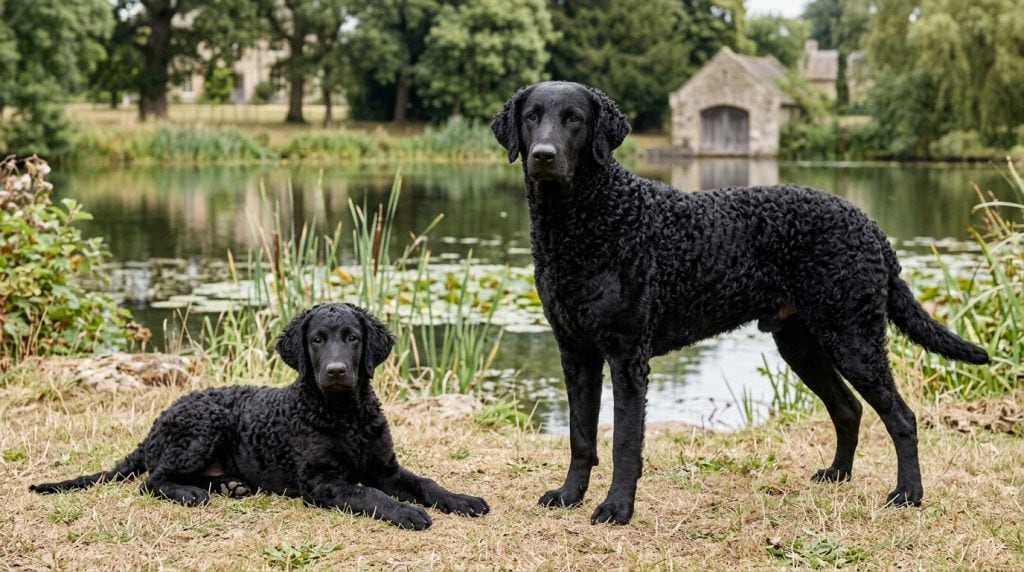
Living with a Curly-Coated Retriever often means sharing your space with a dog that is both independent and affectionate. Their unique curly coat sets them apart visually, but it's their lively spirit and willingness to engage with family activities that truly define them. They are known for their intelligence and can be quite inquisitive, often exploring their surroundings with a keen sense of curiosity.
At a glance
Core care
- Size: Large
- Energy: High
- Grooming: Low
- Shedding: Moderate
Support style
- Sensitivity: Moderate
- Training style: Willing
Breed guide
Choose a section to explore. These notes describe common patterns, but individual dogs vary widely.
The Curly-Coated Retriever has its roots deeply embedded in the world of hunting and retrieving, where its skills were honed to perfection. Originally bred in England, this breed was designed to retrieve game from both land and water, a task that required intelligence, stamina, and a strong work ethic. Today, these traits manifest in a dog that is eager to participate in family activities, whether it’s a game of fetch or a long walk in the countryside.
Physically, the Curly-Coated Retriever is notable for its distinctive tight curls that cover its body, giving it a unique appearance among retrievers. These curls are not just for show; they provide protection against harsh weather conditions, a nod to their working past. Owners often find that their Curly-Coated Retriever’s coat requires regular maintenance to keep it looking its best, but it’s a manageable task with the right routine.
In terms of temperament, Curly-Coated Retrievers are known for their independence and intelligence. They enjoy being part of the family but also appreciate having some time to themselves. This balance makes them adaptable to various household dynamics. Owners often notice their dog’s keen sense of awareness and problem-solving abilities, which can be both entertaining and challenging.
While they possess a strong working drive, Curly-Coated Retrievers are also known for their gentle and patient nature. It’s important for potential owners to understand that while these dogs have common traits, individual personalities can vary significantly. Factors such as upbringing, training, and environment all play a role in shaping a Curly-Coated Retriever’s character, making each one a unique companion.
Curly-Coated Retrievers are often described as having a friendly yet independent nature. They enjoy social interactions and can be quite affectionate with their family members, but they also possess a streak of independence that sets them apart from some other retriever breeds. This balance means they can be both engaging and content to entertain themselves when necessary.
Their intelligence is one of their standout traits, and it often shows in their quick learning abilities and problem-solving skills. Many owners find that their Curly-Coated Retriever is quick to pick up on new commands and enjoys the mental challenge of training sessions. This intelligence, coupled with their willingness to please, makes them a joy to train, though they may occasionally test boundaries out of curiosity.
Sensitivity in Curly-Coated Retrievers is moderate, which means they are generally resilient but can be affected by harsh treatment or environments. They respond best to positive reinforcement and a calm, consistent approach. Owners often notice that their dog thrives in a supportive and understanding household where their needs are met with patience and care.
While they are generally good-natured, individual Curly-Coated Retrievers can vary in their social preferences. Some may be more outgoing and eager to meet new people and dogs, while others might be more reserved. This variability is normal and part of what makes each dog unique. Understanding and respecting these differences can help foster a strong bond between owner and dog.
A typical day for a Curly-Coated Retriever involves plenty of physical activity and mental stimulation. These dogs have high energy levels, so they benefit from regular, vigorous exercise. Long walks, runs, and games of fetch are excellent ways to keep them physically satisfied. Many owners find that their Curly-Coated Retriever enjoys activities that challenge both their body and mind, such as agility courses or advanced obedience training.
Mental enrichment is equally important for this breed, given their intelligence and curiosity. Puzzle toys, scent games, and interactive play can help keep their minds sharp and prevent boredom. Owners often discover that their Curly-Coated Retriever thrives when given tasks that allow them to use their problem-solving skills, which can also help reduce any unwanted behaviours that might arise from boredom.
As they age, the exercise needs of a Curly-Coated Retriever may change. While they remain active throughout their lives, older dogs might require shorter, less intense exercise sessions. It’s important for owners to adjust their routines to accommodate their dog’s changing needs, ensuring they remain healthy and happy in their senior years.
Avoiding excessive repetitive activities is wise, as it can lead to joint strain or injury. Instead, varying the types of exercise and enrichment activities can help maintain their enthusiasm and physical health. Owners who invest time in understanding and meeting their Curly-Coated Retriever’s exercise needs often find themselves with a content and well-adjusted companion.
Training a Curly-Coated Retriever often feels like a rewarding experience due to their intelligence and willingness to learn. These dogs tend to respond well to positive reinforcement techniques, where praise and rewards are used to encourage desired behaviours. Many owners find that their Curly-Coated Retriever is eager to please, making training sessions enjoyable and productive.
Impulse control can be an area where Curly-Coated Retrievers require extra attention, particularly during their adolescent phase. This is a time when they might test boundaries and exhibit more independent behaviour. Consistent training and clear communication can help guide them through this stage, ensuring they develop into well-mannered adults.
Building a strong relationship based on trust and respect is crucial for successful training. Curly-Coated Retrievers thrive in environments where they feel understood and supported. Owners often notice that their dog is more responsive and engaged when training is approached with patience and encouragement rather than harsh corrections.
Consistency is key when training this breed. Regular training sessions that reinforce basic commands and introduce new challenges can keep a Curly-Coated Retriever mentally stimulated and focused. Owners who maintain a consistent training routine often find that their dog develops into a confident and obedient companion, ready to take on new adventures together.
Curly-Coated Retrievers can adapt to a variety of living environments, but they tend to thrive in homes where they have space to move and explore. A house with a garden or access to open spaces is ideal, as it allows them to expend their energy and satisfy their natural curiosity. Many owners find that their Curly-Coated Retriever enjoys being part of family activities, whether indoors or outdoors.
This breed can do well with children, often displaying a gentle and patient nature. However, as with any dog, interactions should be supervised to ensure safety for both the dog and the child. Curly-Coated Retrievers can also coexist peacefully with other pets, especially if they are introduced to them at a young age. Their social nature often means they enjoy the company of other animals.
While they are adaptable, Curly-Coated Retrievers do best in homes where they are not left alone for long periods. They enjoy companionship and can become bored or anxious if isolated. Owners who can provide regular interaction and engagement often find that their dog is happier and more well-adjusted.
Realistically, potential owners should consider whether they can meet the exercise and social needs of a Curly-Coated Retriever. Those who enjoy an active lifestyle and are willing to invest time in training and socialisation are likely to find this breed a rewarding and loyal companion.
The health of a Curly-Coated Retriever is closely tied to their overall wellbeing and quality of life. Regular veterinary check-ups and preventive care are essential to catch any potential health issues early and to maintain their health. This breed is generally robust, but like all dogs, they can be prone to certain health conditions.
Hip dysplasia and some eye conditions are known to occur in Curly-Coated Retrievers, so regular screenings and monitoring are advisable. Owners often find that maintaining a healthy weight and providing appropriate exercise can help mitigate some of these risks. A balanced diet and regular activity are key components of preventive care.
Health can also influence behaviour, as a dog that feels unwell may be less active or more irritable. Owners should be attentive to changes in their dog’s behaviour, as these can sometimes indicate underlying health issues. Seeking veterinary advice when something seems amiss is always a wise course of action.
Overall, a proactive approach to health care, including vaccinations, parasite control, and dental care, can help ensure that a Curly-Coated Retriever remains healthy and happy throughout their life. Owners who prioritise their dog’s health often find that it leads to a more fulfilling and joyful companionship.
The Curly-Coated Retriever is one of the oldest retriever breeds, with a history that dates back to the late 18th century in England. Developed primarily for hunting and retrieving game, this breed was valued for its ability to work in both water and rough terrain. The breed’s distinctive curly coat provided protection against the elements, making it well-suited for the challenging conditions often encountered during hunts.
The origins of the Curly-Coated Retriever are believed to include influences from the now-extinct English Water Spaniel, the St. John’s Newfoundland, and possibly the Poodle. These breeds contributed to the Curly-Coated Retriever’s intelligence, swimming ability, and distinctive coat, traits that are still evident today.
Throughout the 19th century, the Curly-Coated Retriever gained popularity among hunters and gamekeepers for its versatility and reliability. Its ability to retrieve game from both land and water made it an invaluable asset during hunting expeditions. This working background has shaped the breed’s modern characteristics, including its intelligence, independence, and strong retrieving instinct.
Today, while they may not be as common as some other retriever breeds, Curly-Coated Retrievers are appreciated by those who understand and value their unique qualities. Their history as a working dog continues to influence their behaviour, making them active, intelligent companions who thrive when given a purpose and plenty of opportunities for exercise and mental stimulation.
What shapes individual dogs
- Early social experiences
- Training approach
- Environment & routine
- Genetics & breeding
- Health & pain
- Age / life stage
The Curly-Coated Retriever has its roots deeply embedded in the world of hunting and retrieving, where its skills were honed to perfection. Originally bred in England, this breed was designed to retrieve game from both land and water, a task that required intelligence, stamina, and a strong work ethic. Today, these traits manifest in a dog that is eager to participate in family activities, whether it’s a game of fetch or a long walk in the countryside.
Physically, the Curly-Coated Retriever is notable for its distinctive tight curls that cover its body, giving it a unique appearance among retrievers. These curls are not just for show; they provide protection against harsh weather conditions, a nod to their working past. Owners often find that their Curly-Coated Retriever’s coat requires regular maintenance to keep it looking its best, but it’s a manageable task with the right routine.
In terms of temperament, Curly-Coated Retrievers are known for their independence and intelligence. They enjoy being part of the family but also appreciate having some time to themselves. This balance makes them adaptable to various household dynamics. Owners often notice their dog’s keen sense of awareness and problem-solving abilities, which can be both entertaining and challenging.
While they possess a strong working drive, Curly-Coated Retrievers are also known for their gentle and patient nature. It’s important for potential owners to understand that while these dogs have common traits, individual personalities can vary significantly. Factors such as upbringing, training, and environment all play a role in shaping a Curly-Coated Retriever’s character, making each one a unique companion.
Curly-Coated Retrievers are often described as having a friendly yet independent nature. They enjoy social interactions and can be quite affectionate with their family members, but they also possess a streak of independence that sets them apart from some other retriever breeds. This balance means they can be both engaging and content to entertain themselves when necessary.
Their intelligence is one of their standout traits, and it often shows in their quick learning abilities and problem-solving skills. Many owners find that their Curly-Coated Retriever is quick to pick up on new commands and enjoys the mental challenge of training sessions. This intelligence, coupled with their willingness to please, makes them a joy to train, though they may occasionally test boundaries out of curiosity.
Sensitivity in Curly-Coated Retrievers is moderate, which means they are generally resilient but can be affected by harsh treatment or environments. They respond best to positive reinforcement and a calm, consistent approach. Owners often notice that their dog thrives in a supportive and understanding household where their needs are met with patience and care.
While they are generally good-natured, individual Curly-Coated Retrievers can vary in their social preferences. Some may be more outgoing and eager to meet new people and dogs, while others might be more reserved. This variability is normal and part of what makes each dog unique. Understanding and respecting these differences can help foster a strong bond between owner and dog.
A typical day for a Curly-Coated Retriever involves plenty of physical activity and mental stimulation. These dogs have high energy levels, so they benefit from regular, vigorous exercise. Long walks, runs, and games of fetch are excellent ways to keep them physically satisfied. Many owners find that their Curly-Coated Retriever enjoys activities that challenge both their body and mind, such as agility courses or advanced obedience training.
Mental enrichment is equally important for this breed, given their intelligence and curiosity. Puzzle toys, scent games, and interactive play can help keep their minds sharp and prevent boredom. Owners often discover that their Curly-Coated Retriever thrives when given tasks that allow them to use their problem-solving skills, which can also help reduce any unwanted behaviours that might arise from boredom.
As they age, the exercise needs of a Curly-Coated Retriever may change. While they remain active throughout their lives, older dogs might require shorter, less intense exercise sessions. It’s important for owners to adjust their routines to accommodate their dog’s changing needs, ensuring they remain healthy and happy in their senior years.
Avoiding excessive repetitive activities is wise, as it can lead to joint strain or injury. Instead, varying the types of exercise and enrichment activities can help maintain their enthusiasm and physical health. Owners who invest time in understanding and meeting their Curly-Coated Retriever’s exercise needs often find themselves with a content and well-adjusted companion.
Training a Curly-Coated Retriever often feels like a rewarding experience due to their intelligence and willingness to learn. These dogs tend to respond well to positive reinforcement techniques, where praise and rewards are used to encourage desired behaviours. Many owners find that their Curly-Coated Retriever is eager to please, making training sessions enjoyable and productive.
Impulse control can be an area where Curly-Coated Retrievers require extra attention, particularly during their adolescent phase. This is a time when they might test boundaries and exhibit more independent behaviour. Consistent training and clear communication can help guide them through this stage, ensuring they develop into well-mannered adults.
Building a strong relationship based on trust and respect is crucial for successful training. Curly-Coated Retrievers thrive in environments where they feel understood and supported. Owners often notice that their dog is more responsive and engaged when training is approached with patience and encouragement rather than harsh corrections.
Consistency is key when training this breed. Regular training sessions that reinforce basic commands and introduce new challenges can keep a Curly-Coated Retriever mentally stimulated and focused. Owners who maintain a consistent training routine often find that their dog develops into a confident and obedient companion, ready to take on new adventures together.
Curly-Coated Retrievers can adapt to a variety of living environments, but they tend to thrive in homes where they have space to move and explore. A house with a garden or access to open spaces is ideal, as it allows them to expend their energy and satisfy their natural curiosity. Many owners find that their Curly-Coated Retriever enjoys being part of family activities, whether indoors or outdoors.
This breed can do well with children, often displaying a gentle and patient nature. However, as with any dog, interactions should be supervised to ensure safety for both the dog and the child. Curly-Coated Retrievers can also coexist peacefully with other pets, especially if they are introduced to them at a young age. Their social nature often means they enjoy the company of other animals.
While they are adaptable, Curly-Coated Retrievers do best in homes where they are not left alone for long periods. They enjoy companionship and can become bored or anxious if isolated. Owners who can provide regular interaction and engagement often find that their dog is happier and more well-adjusted.
Realistically, potential owners should consider whether they can meet the exercise and social needs of a Curly-Coated Retriever. Those who enjoy an active lifestyle and are willing to invest time in training and socialisation are likely to find this breed a rewarding and loyal companion.
The health of a Curly-Coated Retriever is closely tied to their overall wellbeing and quality of life. Regular veterinary check-ups and preventive care are essential to catch any potential health issues early and to maintain their health. This breed is generally robust, but like all dogs, they can be prone to certain health conditions.
Hip dysplasia and some eye conditions are known to occur in Curly-Coated Retrievers, so regular screenings and monitoring are advisable. Owners often find that maintaining a healthy weight and providing appropriate exercise can help mitigate some of these risks. A balanced diet and regular activity are key components of preventive care.
Health can also influence behaviour, as a dog that feels unwell may be less active or more irritable. Owners should be attentive to changes in their dog’s behaviour, as these can sometimes indicate underlying health issues. Seeking veterinary advice when something seems amiss is always a wise course of action.
Overall, a proactive approach to health care, including vaccinations, parasite control, and dental care, can help ensure that a Curly-Coated Retriever remains healthy and happy throughout their life. Owners who prioritise their dog’s health often find that it leads to a more fulfilling and joyful companionship.
The Curly-Coated Retriever is one of the oldest retriever breeds, with a history that dates back to the late 18th century in England. Developed primarily for hunting and retrieving game, this breed was valued for its ability to work in both water and rough terrain. The breed’s distinctive curly coat provided protection against the elements, making it well-suited for the challenging conditions often encountered during hunts.
The origins of the Curly-Coated Retriever are believed to include influences from the now-extinct English Water Spaniel, the St. John’s Newfoundland, and possibly the Poodle. These breeds contributed to the Curly-Coated Retriever’s intelligence, swimming ability, and distinctive coat, traits that are still evident today.
Throughout the 19th century, the Curly-Coated Retriever gained popularity among hunters and gamekeepers for its versatility and reliability. Its ability to retrieve game from both land and water made it an invaluable asset during hunting expeditions. This working background has shaped the breed’s modern characteristics, including its intelligence, independence, and strong retrieving instinct.
Today, while they may not be as common as some other retriever breeds, Curly-Coated Retrievers are appreciated by those who understand and value their unique qualities. Their history as a working dog continues to influence their behaviour, making them active, intelligent companions who thrive when given a purpose and plenty of opportunities for exercise and mental stimulation.
What shapes individual dogs
- Early social experiences
- Training approach
- Environment & routine
- Genetics & breeding
- Health & pain
- Age / life stage
Want support with this?
This course is ideal for understanding the unique temperament and behaviour of the Curly-Coated Retriever, helping you build a strong bond.