
Borzoi
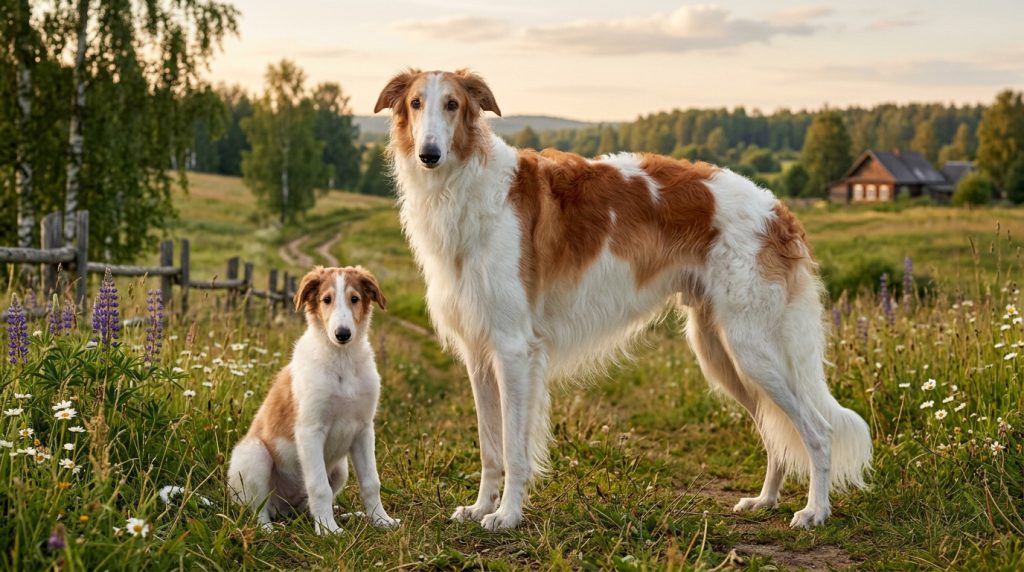
Living with a Borzoi is like sharing your home with a graceful and gentle giant. They carry themselves with an elegance that belies their powerful hunting heritage. Many owners find that Borzois are quietly affectionate, often enjoying a peaceful presence in the home rather than seeking constant attention.
At a glance
Core care
- Size: Large
- Energy: Moderate
- Grooming: Low
- Shedding: Moderate
Support style
- Sensitivity: High
- Training style: Independent
Breed guide
Choose a section to explore. These notes describe common patterns, but individual dogs vary widely.
The Borzoi, originally bred in Russia for hunting wolves, has a rich history that shapes its modern-day character. These dogs were valued for their speed, agility, and keen sight, traits that are still evident today. While they may no longer chase wolves, many Borzois retain a strong prey drive and a love for running, which can be seen when they are given the chance to stretch their legs in a safe, enclosed area.
Physically, Borzois are striking with their long, flowing coats and slender, athletic build. This elegant appearance is matched by their impressive speed and grace. In everyday life, this means a Borzoi may be seen lounging around the house with a regal air, only to burst into action when the opportunity arises. Their size and strength are balanced by a gentle nature, making them a unique presence in any home.
Temperamentally, Borzois are known for their independent streak. They can be aloof with strangers but often form deep bonds with their families. This independence can sometimes be mistaken for aloofness, but many owners appreciate the Borzoi’s calm and composed nature. They are not typically demanding of attention, preferring to observe the world around them with quiet dignity.
While Borzois have certain breed tendencies, it’s important to remember that individual dogs can vary widely. Factors like early socialisation, training, and personal experiences play significant roles in shaping each Borzoi’s personality. Prospective owners should be prepared for a dog that may not fit the typical mould, embracing the unique quirks and traits of their individual Borzoi.
Borzoi owners often notice the breed’s gentle and somewhat reserved nature. These dogs are typically quiet and calm, preferring to observe their surroundings rather than dive headfirst into new situations. This reserved demeanor can make them seem aloof, but it’s more a reflection of their independent spirit and thoughtful nature.
Socially, Borzois may not be the most outgoing breed, but they do form strong bonds with their families. They tend to be affectionate with those they trust, often showing their love through subtle gestures rather than overt displays. Their sensitivity means they can be quite attuned to their owner’s emotions, providing comfort and companionship when needed.
The Borzoi’s high sensitivity also means they can be easily affected by changes in their environment or routine. They thrive in calm, stable households where they can feel secure. This sensitivity, combined with their independent nature, can sometimes make training a challenge, as they may not respond well to harsh methods or environments.
Despite their independent streak, Borzois can be trained with patience and positive reinforcement. Many owners find that building a strong relationship based on trust and respect is key to successful training. Understanding their unique temperament and working with it, rather than against it, can lead to a harmonious and rewarding companionship.
A typical day for a Borzoi involves a mix of leisurely lounging and bursts of activity. While they enjoy their downtime, they also need opportunities to run and stretch their legs. This breed benefits from regular walks and, if possible, access to a secure area where they can safely sprint. Their history as sighthounds means they have a natural love for chasing, so activities like lure coursing can be particularly satisfying.
Despite their size and speed, Borzois have moderate energy levels. They don’t require constant exercise but do appreciate a good run or play session. Mental enrichment is also important, as their intelligence can lead to boredom if not properly stimulated. Puzzle toys, scent games, and training sessions can help keep their minds engaged.
As Borzois age, their exercise needs may change. Older Borzois might prefer shorter, more frequent walks and less intense play. It’s important to adjust their routine to suit their changing abilities and ensure they remain comfortable and healthy.
Owners should be mindful of their Borzoi’s sensitivity to extreme temperatures, as their coat provides some protection, but they can still be affected by heat and cold. Ensuring they have a comfortable environment and avoiding exercise during peak temperatures can help keep them safe and happy.
Training a Borzoi often feels like a delicate dance between respecting their independence and encouraging cooperation. These dogs are intelligent but can be quite independent-minded, which means traditional training methods might not always be effective. Positive reinforcement, patience, and consistency are key to successfully training a Borzoi.
Owners often find that building a strong bond with their Borzoi is crucial. This breed responds well to gentle guidance and encouragement, rather than forceful commands. Establishing a routine and using rewards that truly motivate them, such as treats or praise, can make a significant difference in their responsiveness.
Impulse control can be a challenge, especially during adolescence when Borzois may test boundaries. Providing clear and consistent rules, along with plenty of opportunities for physical and mental exercise, can help manage these tendencies. It’s important to remain patient and understanding, as pushing too hard can lead to resistance.
For first-time Borzoi owners, enrolling in a training class or seeking guidance from a professional trainer familiar with the breed can be beneficial. Understanding their unique temperament and working with it, rather than against it, can lead to a harmonious and rewarding companionship. The course “Understand Your Dog: Dog Psychology for Beginners” can be particularly helpful for those looking to deepen their understanding of Borzoi behaviour.
Borzois tend to thrive in homes where they have space to move and a calm environment to relax. While they are adaptable, they often do best in homes with access to a secure outdoor area where they can safely run. Apartments can work if owners are committed to providing ample exercise opportunities.
This breed’s gentle nature makes them a good fit for families, including those with children. They are typically patient and tolerant, though supervision is always recommended with young kids. Borzois can coexist with other pets, but their strong prey drive means introductions should be managed carefully, especially with smaller animals.
Owners often find that Borzois enjoy a quiet lifestyle. They are not typically demanding of attention but appreciate being part of the family. Their independent nature means they can be left alone for reasonable periods, though they do enjoy companionship and may become attached to their owners.
When considering a Borzoi, it’s important to match their needs with your lifestyle. They are not high-energy dogs, but they do require regular exercise and mental stimulation. Prospective owners should be prepared for a dog that enjoys both relaxation and bursts of activity, fitting well into a variety of home settings with the right preparation.
A Borzoi’s health is closely tied to their overall wellbeing and quality of life. Like many large breeds, they can be prone to certain health issues, so regular veterinary check-ups are important. Keeping an eye on their weight and ensuring they have a balanced diet can help prevent common problems such as joint issues.
Borzoi owners should be aware of their breed’s predisposition to bloat, a serious condition that requires immediate veterinary attention. Feeding them smaller, more frequent meals and avoiding vigorous exercise around meal times can help reduce the risk.
Their sensitive nature means that Borzois can be more affected by stress, which can manifest in their behaviour and health. Providing a stable and calm environment can help mitigate these effects, ensuring they remain happy and healthy.
Preventive care, including regular dental check-ups, vaccinations, and parasite control, is crucial for maintaining a Borzoi’s health. Owners should be vigilant about any changes in behaviour or physical condition and seek veterinary advice when necessary. Understanding their unique health needs can lead to a long and fulfilling life for these elegant dogs.
The Borzoi, also known as the Russian Wolfhound, has a storied past that dates back to the Russian aristocracy. Originally bred for hunting wolves, these dogs were prized for their speed, agility, and keen sight. Their ability to chase down and hold wolves until the hunters arrived made them invaluable companions in the vast Russian landscapes.
The breed’s development was heavily influenced by the Russian nobility, who bred them for both function and beauty. This dual purpose is evident in the Borzoi’s elegant appearance and impressive physical capabilities. Their long, flowing coats and graceful build were as much a part of their appeal as their hunting prowess.
As the breed spread beyond Russia, Borzois became popular in Europe and America, admired for their beauty and gentle nature. Their transition from hunting companions to cherished pets was smooth, as their calm demeanor and loyalty endeared them to many.
Today, the Borzoi’s history is reflected in their modern traits. Their independent spirit, love of running, and gentle nature all harken back to their origins. Understanding this history helps owners appreciate the unique characteristics of the Borzoi, from their elegant appearance to their dignified temperament.
What shapes individual dogs
- Early social experiences
- Training approach
- Environment & routine
- Genetics & breeding
- Health & pain
- Age / life stage
The Borzoi, originally bred in Russia for hunting wolves, has a rich history that shapes its modern-day character. These dogs were valued for their speed, agility, and keen sight, traits that are still evident today. While they may no longer chase wolves, many Borzois retain a strong prey drive and a love for running, which can be seen when they are given the chance to stretch their legs in a safe, enclosed area.
Physically, Borzois are striking with their long, flowing coats and slender, athletic build. This elegant appearance is matched by their impressive speed and grace. In everyday life, this means a Borzoi may be seen lounging around the house with a regal air, only to burst into action when the opportunity arises. Their size and strength are balanced by a gentle nature, making them a unique presence in any home.
Temperamentally, Borzois are known for their independent streak. They can be aloof with strangers but often form deep bonds with their families. This independence can sometimes be mistaken for aloofness, but many owners appreciate the Borzoi’s calm and composed nature. They are not typically demanding of attention, preferring to observe the world around them with quiet dignity.
While Borzois have certain breed tendencies, it’s important to remember that individual dogs can vary widely. Factors like early socialisation, training, and personal experiences play significant roles in shaping each Borzoi’s personality. Prospective owners should be prepared for a dog that may not fit the typical mould, embracing the unique quirks and traits of their individual Borzoi.
Borzoi owners often notice the breed’s gentle and somewhat reserved nature. These dogs are typically quiet and calm, preferring to observe their surroundings rather than dive headfirst into new situations. This reserved demeanor can make them seem aloof, but it’s more a reflection of their independent spirit and thoughtful nature.
Socially, Borzois may not be the most outgoing breed, but they do form strong bonds with their families. They tend to be affectionate with those they trust, often showing their love through subtle gestures rather than overt displays. Their sensitivity means they can be quite attuned to their owner’s emotions, providing comfort and companionship when needed.
The Borzoi’s high sensitivity also means they can be easily affected by changes in their environment or routine. They thrive in calm, stable households where they can feel secure. This sensitivity, combined with their independent nature, can sometimes make training a challenge, as they may not respond well to harsh methods or environments.
Despite their independent streak, Borzois can be trained with patience and positive reinforcement. Many owners find that building a strong relationship based on trust and respect is key to successful training. Understanding their unique temperament and working with it, rather than against it, can lead to a harmonious and rewarding companionship.
A typical day for a Borzoi involves a mix of leisurely lounging and bursts of activity. While they enjoy their downtime, they also need opportunities to run and stretch their legs. This breed benefits from regular walks and, if possible, access to a secure area where they can safely sprint. Their history as sighthounds means they have a natural love for chasing, so activities like lure coursing can be particularly satisfying.
Despite their size and speed, Borzois have moderate energy levels. They don’t require constant exercise but do appreciate a good run or play session. Mental enrichment is also important, as their intelligence can lead to boredom if not properly stimulated. Puzzle toys, scent games, and training sessions can help keep their minds engaged.
As Borzois age, their exercise needs may change. Older Borzois might prefer shorter, more frequent walks and less intense play. It’s important to adjust their routine to suit their changing abilities and ensure they remain comfortable and healthy.
Owners should be mindful of their Borzoi’s sensitivity to extreme temperatures, as their coat provides some protection, but they can still be affected by heat and cold. Ensuring they have a comfortable environment and avoiding exercise during peak temperatures can help keep them safe and happy.
Training a Borzoi often feels like a delicate dance between respecting their independence and encouraging cooperation. These dogs are intelligent but can be quite independent-minded, which means traditional training methods might not always be effective. Positive reinforcement, patience, and consistency are key to successfully training a Borzoi.
Owners often find that building a strong bond with their Borzoi is crucial. This breed responds well to gentle guidance and encouragement, rather than forceful commands. Establishing a routine and using rewards that truly motivate them, such as treats or praise, can make a significant difference in their responsiveness.
Impulse control can be a challenge, especially during adolescence when Borzois may test boundaries. Providing clear and consistent rules, along with plenty of opportunities for physical and mental exercise, can help manage these tendencies. It’s important to remain patient and understanding, as pushing too hard can lead to resistance.
For first-time Borzoi owners, enrolling in a training class or seeking guidance from a professional trainer familiar with the breed can be beneficial. Understanding their unique temperament and working with it, rather than against it, can lead to a harmonious and rewarding companionship. The course “Understand Your Dog: Dog Psychology for Beginners” can be particularly helpful for those looking to deepen their understanding of Borzoi behaviour.
Borzois tend to thrive in homes where they have space to move and a calm environment to relax. While they are adaptable, they often do best in homes with access to a secure outdoor area where they can safely run. Apartments can work if owners are committed to providing ample exercise opportunities.
This breed’s gentle nature makes them a good fit for families, including those with children. They are typically patient and tolerant, though supervision is always recommended with young kids. Borzois can coexist with other pets, but their strong prey drive means introductions should be managed carefully, especially with smaller animals.
Owners often find that Borzois enjoy a quiet lifestyle. They are not typically demanding of attention but appreciate being part of the family. Their independent nature means they can be left alone for reasonable periods, though they do enjoy companionship and may become attached to their owners.
When considering a Borzoi, it’s important to match their needs with your lifestyle. They are not high-energy dogs, but they do require regular exercise and mental stimulation. Prospective owners should be prepared for a dog that enjoys both relaxation and bursts of activity, fitting well into a variety of home settings with the right preparation.
A Borzoi’s health is closely tied to their overall wellbeing and quality of life. Like many large breeds, they can be prone to certain health issues, so regular veterinary check-ups are important. Keeping an eye on their weight and ensuring they have a balanced diet can help prevent common problems such as joint issues.
Borzoi owners should be aware of their breed’s predisposition to bloat, a serious condition that requires immediate veterinary attention. Feeding them smaller, more frequent meals and avoiding vigorous exercise around meal times can help reduce the risk.
Their sensitive nature means that Borzois can be more affected by stress, which can manifest in their behaviour and health. Providing a stable and calm environment can help mitigate these effects, ensuring they remain happy and healthy.
Preventive care, including regular dental check-ups, vaccinations, and parasite control, is crucial for maintaining a Borzoi’s health. Owners should be vigilant about any changes in behaviour or physical condition and seek veterinary advice when necessary. Understanding their unique health needs can lead to a long and fulfilling life for these elegant dogs.
The Borzoi, also known as the Russian Wolfhound, has a storied past that dates back to the Russian aristocracy. Originally bred for hunting wolves, these dogs were prized for their speed, agility, and keen sight. Their ability to chase down and hold wolves until the hunters arrived made them invaluable companions in the vast Russian landscapes.
The breed’s development was heavily influenced by the Russian nobility, who bred them for both function and beauty. This dual purpose is evident in the Borzoi’s elegant appearance and impressive physical capabilities. Their long, flowing coats and graceful build were as much a part of their appeal as their hunting prowess.
As the breed spread beyond Russia, Borzois became popular in Europe and America, admired for their beauty and gentle nature. Their transition from hunting companions to cherished pets was smooth, as their calm demeanor and loyalty endeared them to many.
Today, the Borzoi’s history is reflected in their modern traits. Their independent spirit, love of running, and gentle nature all harken back to their origins. Understanding this history helps owners appreciate the unique characteristics of the Borzoi, from their elegant appearance to their dignified temperament.
What shapes individual dogs
- Early social experiences
- Training approach
- Environment & routine
- Genetics & breeding
- Health & pain
- Age / life stage
Want support with this?
This course is ideal for Borzoi owners looking to deepen their understanding of their dog's unique temperament and behaviour.