
Black Russian Terrier
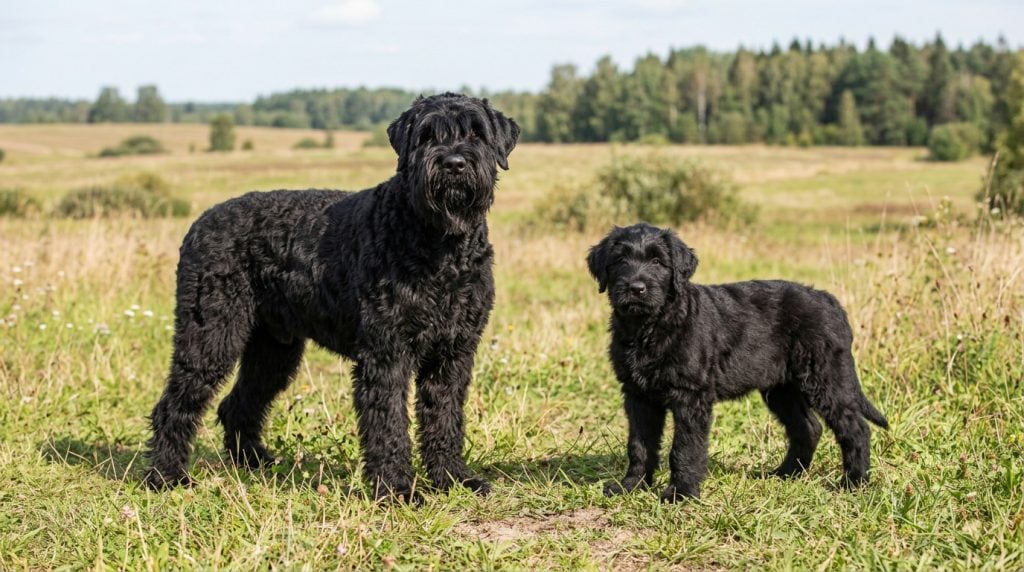
Living with a Black Russian Terrier often feels like having a loyal guardian by your side. These dogs are known for their protective instincts and strong bonds with their families, making them both vigilant and affectionate companions. Their presence is felt in the home as they tend to keep a watchful eye on their surroundings, always ready to be involved in family activities.
At a glance
Core care
- Size: Giant
- Energy: Moderate to high
- Grooming: Low
- Shedding: Low
Support style
- Sensitivity: Moderate
- Training style: Moderate
Breed guide
Choose a section to explore. These notes describe common patterns, but individual dogs vary widely.
The Black Russian Terrier, originally bred for military and working purposes, carries its history into modern life with a strong sense of duty and loyalty. Developed in Russia during the mid-20th century, this breed was designed to endure harsh climates and perform various tasks, including guarding and protection. Today, these traits manifest in a dog that is both vigilant and devoted, often forming deep bonds with their families and displaying a natural protective instinct.
Physically, the Black Russian Terrier is a giant breed, with a robust and muscular build that commands attention. Their size and strength are apparent in everyday life, as they require ample space to move comfortably. Despite their imposing stature, these dogs are known for their grace and agility, often surprising owners with their ability to navigate their environment with ease. Their thick, black coat adds to their striking appearance, requiring regular grooming to maintain its health and appearance.
Temperamentally, Black Russian Terriers are known for their intelligence and independence. Owners often notice their dog’s keen awareness of their surroundings and an instinct to protect their home and loved ones. While they can be aloof with strangers, they are typically affectionate and playful with their families. Sensitivity levels can vary, but many Black Russian Terriers respond well to consistent and positive reinforcement training methods.
It’s important for potential owners to understand that while breed traits provide a general guide, individual dogs can vary significantly. Factors such as genetics, early socialisation, and environment all play a role in shaping a dog’s personality and behaviour. This means that while many Black Russian Terriers may exhibit certain tendencies, each dog will have its own unique quirks and characteristics.
Black Russian Terriers often exhibit a strong social nature, particularly with their families. Many owners notice that their dog thrives on being part of family activities, whether it’s joining a walk or simply lounging nearby. This social inclination is rooted in their history as working dogs, where close cooperation with humans was essential.
Their protective instincts are one of the most notable behavioural tendencies. Black Russian Terriers are often vigilant and aware of their surroundings, which can make them excellent watchdogs. However, this means they may be reserved or cautious around new people until they feel confident in the situation. This behaviour is not aggression but rather a reflection of their natural guarding instincts.
Sensitivity in Black Russian Terriers can vary, but many are moderately sensitive to their environment and the emotions of their family members. This sensitivity can make them responsive to training, especially when positive reinforcement techniques are used. Owners often find that their dogs respond well to consistency and clear communication, helping to build a strong bond based on trust and understanding.
Trainability in Black Russian Terriers is generally moderate, with many dogs showing a willingness to learn and engage in training activities. However, their independent streak means that training requires patience and persistence. Owners who invest time in understanding their dog’s motivations and working with their natural instincts often find success in training, leading to a well-behaved and confident companion.
A typical day for a Black Russian Terrier involves a balance of physical exercise and mental enrichment. Given their moderate to high energy levels, these dogs benefit from regular walks, play sessions, and opportunities to explore their environment. Owners often find that their dog enjoys activities that challenge both body and mind, such as agility or obedience training.
While physical exercise is important, mental stimulation is equally crucial for this intelligent breed. Puzzle toys, scent games, and training exercises can help keep their minds active and engaged. Owners often notice that a mentally stimulated Black Russian Terrier is more relaxed and content, reducing the likelihood of boredom-related behaviours.
As Black Russian Terriers age, their exercise needs may change. Puppies and young adults tend to have higher energy levels and may require more frequent activity, while older dogs might appreciate shorter, more leisurely walks. It’s important for owners to adjust their routines based on their dog’s life stage and individual needs.
Care should be taken to avoid over-exercising young dogs, as their growing joints can be susceptible to injury. Instead, focus on low-impact activities that promote healthy development. Owners who provide a balanced routine of physical and mental enrichment often find their Black Russian Terrier to be a well-adjusted and happy companion.
Training a Black Russian Terrier can feel like a rewarding challenge for many owners. These dogs are intelligent and capable learners but may also display an independent streak. Patience and consistency are key, as these dogs respond best to training methods that are positive and engaging.
Owners often find that building a strong relationship with their Black Russian Terrier is crucial for successful training. This breed tends to thrive on trust and mutual respect, making it important to approach training with empathy and understanding. Positive reinforcement techniques, such as treats and praise, can be particularly effective in motivating these dogs.
Adolescence can be a challenging time for Black Russian Terriers, as their natural independence may become more pronounced. During this stage, maintaining consistent training routines and reinforcing good behaviours is essential. Owners who remain patient and persistent often find that their efforts pay off as their dog matures into a well-behaved adult.
Impulse control is another area where Black Russian Terriers may require guidance. Training exercises that focus on self-control, such as waiting for a command before eating or sitting calmly before going for a walk, can help reinforce desirable behaviours. With time and dedication, many owners find that their Black Russian Terrier becomes a reliable and obedient companion.
Black Russian Terriers tend to thrive in homes where they have space to move and explore. Their giant size and energy levels mean that a larger living environment, such as a house with a garden, can be beneficial. However, they can adapt to different settings as long as their exercise and mental stimulation needs are met.
Many owners find that Black Russian Terriers are well-suited to families, often forming strong bonds with children and being protective of them. While they can be gentle and patient, supervision is always recommended to ensure positive interactions. Their size and strength mean that they may not be ideal for very young children, but older children often enjoy their playful and loyal nature.
When it comes to other pets, Black Russian Terriers can coexist peacefully if properly socialised from a young age. Early exposure to different animals can help them develop positive relationships, although their natural guarding instincts may require management around unfamiliar animals. Owners often find that with the right introduction and training, these dogs can live harmoniously with other pets.
Ultimately, the Black Russian Terrier’s suitability for a particular home depends on the owner’s ability to meet their needs. Those who can provide ample exercise, mental enrichment, and consistent training often find that this breed becomes a cherished member of the family, offering loyalty and companionship in return.
Health is a key aspect of a Black Russian Terrier’s overall wellbeing, influencing their behaviour and quality of life. Regular veterinary check-ups and preventive care are essential for maintaining their health. Owners often find that staying proactive about their dog’s health helps prevent potential issues and ensures a long, happy life.
Some health considerations for Black Russian Terriers include hip and elbow dysplasia, common in larger breeds. Regular exercise and maintaining a healthy weight can help mitigate the risk of joint issues. Owners should be mindful of their dog’s activity levels and provide appropriate support as needed.
Eye conditions, such as cataracts, can also occur in this breed. Regular eye checks and monitoring for any changes in vision or eye health are important. If any concerns arise, seeking veterinary advice promptly can help address issues before they become more serious.
Understanding the connection between health and behaviour is also important. A healthy Black Russian Terrier is more likely to be active, engaged, and responsive to training. Owners who prioritise their dog’s health through balanced nutrition, regular exercise, and preventive care often find that their dog is a happier and more content companion.
The Black Russian Terrier’s origins are deeply rooted in the need for a versatile working dog that could withstand the harsh climates of Russia. Developed in the mid-20th century by the Russian military, this breed was created by crossing several breeds, including the Giant Schnauzer, Rottweiler, and Airedale Terrier, among others. The goal was to produce a robust, intelligent dog capable of performing a variety of tasks, from guarding to search and rescue.
The breed’s development was overseen by the Red Star Kennel, a state-operated facility dedicated to producing dogs for military and police work. The Black Russian Terrier was bred for its strength, endurance, and ability to work closely with humans, traits that are still evident in the breed today. Their adaptability and resilience made them ideal for the demanding roles they were intended to fill.
As the breed gained recognition, its popularity spread beyond military circles, eventually reaching civilian homes. Black Russian Terriers began to be appreciated not only for their working capabilities but also for their loyalty and protective nature. These traits have made them appealing to families seeking a devoted and watchful companion.
Today, the Black Russian Terrier is recognised globally, valued for its unique combination of strength, intelligence, and loyalty. Their history as a working breed continues to influence their behaviour and temperament, making them a distinctive and cherished breed for those who understand their needs and appreciate their heritage.
What shapes individual dogs
- Early social experiences
- Training approach
- Environment & routine
- Genetics & breeding
- Health & pain
- Age / life stage
The Black Russian Terrier, originally bred for military and working purposes, carries its history into modern life with a strong sense of duty and loyalty. Developed in Russia during the mid-20th century, this breed was designed to endure harsh climates and perform various tasks, including guarding and protection. Today, these traits manifest in a dog that is both vigilant and devoted, often forming deep bonds with their families and displaying a natural protective instinct.
Physically, the Black Russian Terrier is a giant breed, with a robust and muscular build that commands attention. Their size and strength are apparent in everyday life, as they require ample space to move comfortably. Despite their imposing stature, these dogs are known for their grace and agility, often surprising owners with their ability to navigate their environment with ease. Their thick, black coat adds to their striking appearance, requiring regular grooming to maintain its health and appearance.
Temperamentally, Black Russian Terriers are known for their intelligence and independence. Owners often notice their dog’s keen awareness of their surroundings and an instinct to protect their home and loved ones. While they can be aloof with strangers, they are typically affectionate and playful with their families. Sensitivity levels can vary, but many Black Russian Terriers respond well to consistent and positive reinforcement training methods.
It’s important for potential owners to understand that while breed traits provide a general guide, individual dogs can vary significantly. Factors such as genetics, early socialisation, and environment all play a role in shaping a dog’s personality and behaviour. This means that while many Black Russian Terriers may exhibit certain tendencies, each dog will have its own unique quirks and characteristics.
Black Russian Terriers often exhibit a strong social nature, particularly with their families. Many owners notice that their dog thrives on being part of family activities, whether it’s joining a walk or simply lounging nearby. This social inclination is rooted in their history as working dogs, where close cooperation with humans was essential.
Their protective instincts are one of the most notable behavioural tendencies. Black Russian Terriers are often vigilant and aware of their surroundings, which can make them excellent watchdogs. However, this means they may be reserved or cautious around new people until they feel confident in the situation. This behaviour is not aggression but rather a reflection of their natural guarding instincts.
Sensitivity in Black Russian Terriers can vary, but many are moderately sensitive to their environment and the emotions of their family members. This sensitivity can make them responsive to training, especially when positive reinforcement techniques are used. Owners often find that their dogs respond well to consistency and clear communication, helping to build a strong bond based on trust and understanding.
Trainability in Black Russian Terriers is generally moderate, with many dogs showing a willingness to learn and engage in training activities. However, their independent streak means that training requires patience and persistence. Owners who invest time in understanding their dog’s motivations and working with their natural instincts often find success in training, leading to a well-behaved and confident companion.
A typical day for a Black Russian Terrier involves a balance of physical exercise and mental enrichment. Given their moderate to high energy levels, these dogs benefit from regular walks, play sessions, and opportunities to explore their environment. Owners often find that their dog enjoys activities that challenge both body and mind, such as agility or obedience training.
While physical exercise is important, mental stimulation is equally crucial for this intelligent breed. Puzzle toys, scent games, and training exercises can help keep their minds active and engaged. Owners often notice that a mentally stimulated Black Russian Terrier is more relaxed and content, reducing the likelihood of boredom-related behaviours.
As Black Russian Terriers age, their exercise needs may change. Puppies and young adults tend to have higher energy levels and may require more frequent activity, while older dogs might appreciate shorter, more leisurely walks. It’s important for owners to adjust their routines based on their dog’s life stage and individual needs.
Care should be taken to avoid over-exercising young dogs, as their growing joints can be susceptible to injury. Instead, focus on low-impact activities that promote healthy development. Owners who provide a balanced routine of physical and mental enrichment often find their Black Russian Terrier to be a well-adjusted and happy companion.
Training a Black Russian Terrier can feel like a rewarding challenge for many owners. These dogs are intelligent and capable learners but may also display an independent streak. Patience and consistency are key, as these dogs respond best to training methods that are positive and engaging.
Owners often find that building a strong relationship with their Black Russian Terrier is crucial for successful training. This breed tends to thrive on trust and mutual respect, making it important to approach training with empathy and understanding. Positive reinforcement techniques, such as treats and praise, can be particularly effective in motivating these dogs.
Adolescence can be a challenging time for Black Russian Terriers, as their natural independence may become more pronounced. During this stage, maintaining consistent training routines and reinforcing good behaviours is essential. Owners who remain patient and persistent often find that their efforts pay off as their dog matures into a well-behaved adult.
Impulse control is another area where Black Russian Terriers may require guidance. Training exercises that focus on self-control, such as waiting for a command before eating or sitting calmly before going for a walk, can help reinforce desirable behaviours. With time and dedication, many owners find that their Black Russian Terrier becomes a reliable and obedient companion.
Black Russian Terriers tend to thrive in homes where they have space to move and explore. Their giant size and energy levels mean that a larger living environment, such as a house with a garden, can be beneficial. However, they can adapt to different settings as long as their exercise and mental stimulation needs are met.
Many owners find that Black Russian Terriers are well-suited to families, often forming strong bonds with children and being protective of them. While they can be gentle and patient, supervision is always recommended to ensure positive interactions. Their size and strength mean that they may not be ideal for very young children, but older children often enjoy their playful and loyal nature.
When it comes to other pets, Black Russian Terriers can coexist peacefully if properly socialised from a young age. Early exposure to different animals can help them develop positive relationships, although their natural guarding instincts may require management around unfamiliar animals. Owners often find that with the right introduction and training, these dogs can live harmoniously with other pets.
Ultimately, the Black Russian Terrier’s suitability for a particular home depends on the owner’s ability to meet their needs. Those who can provide ample exercise, mental enrichment, and consistent training often find that this breed becomes a cherished member of the family, offering loyalty and companionship in return.
Health is a key aspect of a Black Russian Terrier’s overall wellbeing, influencing their behaviour and quality of life. Regular veterinary check-ups and preventive care are essential for maintaining their health. Owners often find that staying proactive about their dog’s health helps prevent potential issues and ensures a long, happy life.
Some health considerations for Black Russian Terriers include hip and elbow dysplasia, common in larger breeds. Regular exercise and maintaining a healthy weight can help mitigate the risk of joint issues. Owners should be mindful of their dog’s activity levels and provide appropriate support as needed.
Eye conditions, such as cataracts, can also occur in this breed. Regular eye checks and monitoring for any changes in vision or eye health are important. If any concerns arise, seeking veterinary advice promptly can help address issues before they become more serious.
Understanding the connection between health and behaviour is also important. A healthy Black Russian Terrier is more likely to be active, engaged, and responsive to training. Owners who prioritise their dog’s health through balanced nutrition, regular exercise, and preventive care often find that their dog is a happier and more content companion.
The Black Russian Terrier’s origins are deeply rooted in the need for a versatile working dog that could withstand the harsh climates of Russia. Developed in the mid-20th century by the Russian military, this breed was created by crossing several breeds, including the Giant Schnauzer, Rottweiler, and Airedale Terrier, among others. The goal was to produce a robust, intelligent dog capable of performing a variety of tasks, from guarding to search and rescue.
The breed’s development was overseen by the Red Star Kennel, a state-operated facility dedicated to producing dogs for military and police work. The Black Russian Terrier was bred for its strength, endurance, and ability to work closely with humans, traits that are still evident in the breed today. Their adaptability and resilience made them ideal for the demanding roles they were intended to fill.
As the breed gained recognition, its popularity spread beyond military circles, eventually reaching civilian homes. Black Russian Terriers began to be appreciated not only for their working capabilities but also for their loyalty and protective nature. These traits have made them appealing to families seeking a devoted and watchful companion.
Today, the Black Russian Terrier is recognised globally, valued for its unique combination of strength, intelligence, and loyalty. Their history as a working breed continues to influence their behaviour and temperament, making them a distinctive and cherished breed for those who understand their needs and appreciate their heritage.
What shapes individual dogs
- Early social experiences
- Training approach
- Environment & routine
- Genetics & breeding
- Health & pain
- Age / life stage
Want support with this?
This course is relevant for owners of Black Russian Terriers due to their complex temperament and protective instincts.