
Bichon Frise
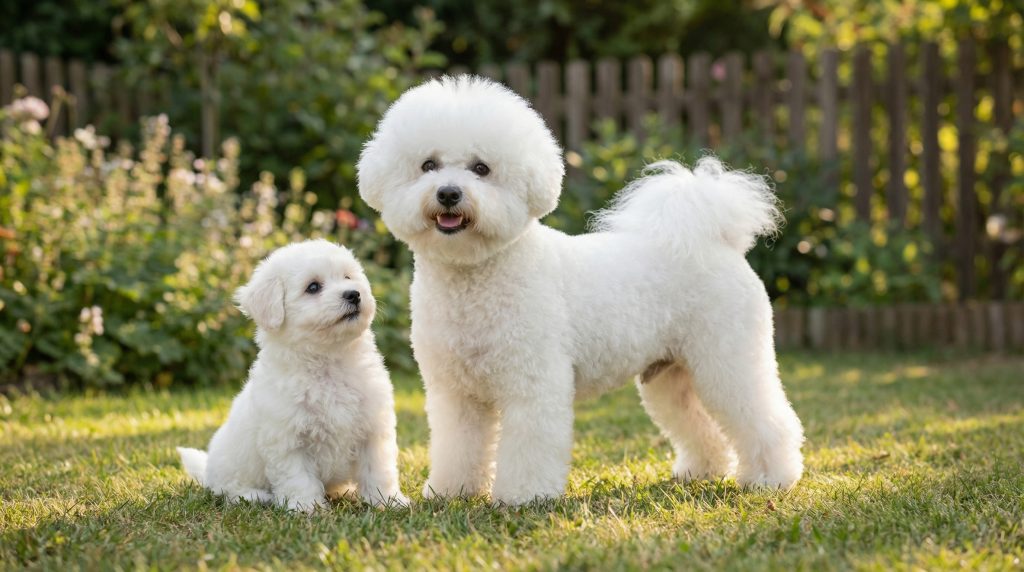
A Bichon Frise rarely goes unnoticed for long. With their bright expression and soft white coat, they often attract attention wherever they go. But beyond their charming appearance lies a dog that thrives on companionship. Many owners quickly discover that a Bichon prefers to be involved in everyday life, happily joining walks, playtime, or simply relaxing nearby.
At a glance
Core care
- Size: Small
- Energy: Moderate
- Grooming: Low
- Shedding: Low
Support style
- Sensitivity: High
- Training style: Willing
Breed guide
Choose a section to explore. These notes describe common patterns, but individual dogs vary widely.
The Bichon Frise has a rich history that traces back to its origins as a companion dog for sailors and nobility. This background of being a cherished pet is evident in their modern-day behaviour. Bichons are known for their cheerful disposition and love for human company, traits that have been nurtured over centuries. Their history as companions is still very much alive today, as they continue to thrive in environments where they can be close to their families.
Physically, the Bichon Frise is small yet sturdy, with a distinctive fluffy white coat that requires regular grooming. This coat is not just for show; it serves as a protective layer against the elements, which was particularly useful in their early days as ship dogs. In a home setting, this means regular grooming sessions to keep their coat in top condition, as well as to prevent matting and tangling.
Temperament-wise, Bichons are often described as affectionate and playful. They tend to form strong bonds with their families and can be quite sensitive to changes in their environment. Owners often notice their Bichons seeking attention and affection, and they can become quite attached to their routines. However, like any breed, individual personalities can vary, with some Bichons being more independent than others.
When considering a Bichon Frise, it’s important to remember that while they have common breed traits, each dog is unique. Factors such as genetics, upbringing, and environment play significant roles in shaping their behaviour. Prospective owners should be prepared for a dog that enjoys being part of the family and requires consistent care and companionship.
Bichon Frises are known for their social nature, often seeking out companionship and interaction. This breed tends to thrive in environments where they are included in daily activities and can be close to their human family members. Many owners find that their Bichon enjoys being involved in everything from household chores to leisurely walks, often following them from room to room.
The Bichon’s sensitivity is a notable trait, as they often respond keenly to the emotions and moods of their owners. This can make them particularly attuned to changes in their environment or routine, and they may require reassurance and consistency to feel secure. Their high sensitivity also means they can be quite responsive to training, as they are eager to please and enjoy positive reinforcement.
In terms of trainability, Bichons are generally willing learners, though they can have a playful stubbornness at times. Owners often notice that their Bichon responds well to gentle, consistent training methods that incorporate praise and rewards. Their eagerness to learn and please makes them suitable for various training activities, from basic obedience to more advanced tricks.
Despite their social and trainable nature, Bichons can vary in their individual temperaments. Some may be more outgoing and sociable, while others might be a bit more reserved or cautious. It’s important for owners to take the time to understand their Bichon’s unique personality and adapt their approach to suit their dog’s individual needs and preferences.
A typical day with a Bichon Frise involves moderate exercise, as they have a balanced energy level that doesn’t require excessive physical activity. A couple of short walks each day, combined with some playtime in the garden or living room, usually suffice to keep them happy and healthy. They enjoy interactive games and activities that engage their minds as well as their bodies.
Mental enrichment is equally important for Bichons, given their intelligent and curious nature. Puzzle toys, training sessions, and interactive play can help keep their minds stimulated. Owners often find that incorporating variety into their daily routine helps prevent boredom and keeps their Bichon engaged. It’s also a great way to strengthen the bond between the dog and their owner.
As Bichons age, their exercise needs may change. Puppies and young adults tend to be more energetic and may require more frequent play sessions, while older Bichons might prefer gentler activities. It’s important for owners to adjust their exercise routine according to their dog’s age and health, ensuring they remain active without overexerting them.
While Bichons enjoy being active, it’s crucial to avoid over-exercising them, especially in extreme weather conditions. Their small size and fluffy coat can make them susceptible to overheating, so it’s best to exercise them during cooler parts of the day and ensure they have access to water and shade. By tailoring their exercise and enrichment activities to their individual needs, owners can help their Bichon lead a balanced and fulfilling life.
Training a Bichon Frise often feels like a rewarding experience for many owners. Their willingness to learn and eagerness to please make them relatively easy to train, especially when positive reinforcement techniques are used. Owners often find that their Bichon responds well to praise, treats, and play as rewards for good behaviour.
Consistency is key when training a Bichon. Establishing a routine and clear expectations helps them understand what is expected of them. Due to their sensitive nature, harsh training methods can be counterproductive and may lead to anxiety or confusion. Instead, a calm and patient approach tends to yield the best results, reinforcing the bond between dog and owner.
During adolescence, Bichons may exhibit some typical teenage behaviours, such as testing boundaries or becoming a bit more stubborn. This is a normal phase and can be managed with continued training and patience. Owners often find that maintaining consistency and reinforcing positive behaviours helps guide their Bichon through this developmental stage.
Building a strong relationship with a Bichon is essential for successful training. They thrive on companionship and enjoy being part of the family, so incorporating training into daily interactions can be beneficial. By understanding their unique personality and adapting training methods to suit their individual needs, owners can help their Bichon become a well-behaved and happy companion.
The Bichon Frise tends to adapt well to various living environments, making them a versatile choice for many households. Their small size and moderate energy level mean they can thrive in both apartments and larger homes, as long as they receive adequate attention and exercise. Many owners find that their Bichon is happiest when they are included in family activities and not left alone for extended periods.
Bichons often get along well with children, making them a popular choice for families. Their playful and gentle nature means they can be great companions for kids, though supervision is always recommended to ensure interactions are safe and positive for both the dog and the child. Teaching children how to interact respectfully with the dog can help foster a harmonious relationship.
When it comes to other pets, Bichons can be quite sociable and may enjoy the company of other dogs or even cats. Early socialisation and gradual introductions can help ensure they coexist peacefully with other animals in the home. However, individual personalities vary, and some Bichons may prefer being the only pet.
Overall, the Bichon Frise is well-suited to a variety of lifestyles, as long as their need for companionship and attention is met. Prospective owners should consider their ability to provide a stable and loving environment, as well as the time required for grooming and regular interaction, to ensure a good match for both the dog and the family.
Health is closely tied to the everyday wellbeing of a Bichon Frise. Like many breeds, they have specific health considerations that owners should be aware of to ensure their dog leads a healthy life. Regular veterinary check-ups and preventive care are essential to monitor their health and catch any potential issues early.
Bichons can be prone to certain genetic conditions, such as patellar luxation and dental issues. Regular dental care, including brushing and professional cleanings, can help maintain their oral health and prevent related problems. Keeping an eye on their mobility and seeking veterinary advice if any issues arise can help manage joint health.
Allergies and skin sensitivities are also common in Bichons, which can manifest as itching or irritation. Owners often find that using hypoallergenic grooming products and maintaining a clean living environment can help minimise these issues. Monitoring their diet and consulting with a vet for any dietary adjustments can also support their overall health.
Being proactive about their health and understanding the breed’s specific needs can help owners provide the best care for their Bichon. Knowing when to seek veterinary advice and being attentive to any changes in behaviour or health can ensure that their Bichon remains a happy and healthy member of the family.
The Bichon Frise’s history is as charming as the breed itself, with roots that trace back to the Mediterranean region. Originally, they were beloved companions of sailors, who valued them for their cheerful disposition and ability to adapt to life at sea. This maritime history is reflected in their modern adaptability and love for human company.
As time went on, the Bichon Frise found favour among European nobility, particularly in France and Spain, where they became a symbol of status and elegance. Their role as lapdogs for the elite helped shape their affectionate and sociable nature, traits that continue to define the breed today.
The breed’s development over the years has focused on enhancing their companionable traits, resulting in the friendly and outgoing dogs we know now. Despite their noble past, Bichons have always been approachable and eager to please, making them popular pets across various social classes.
Today, the Bichon Frise is cherished for its delightful personality and adaptability. Their history as cherished companions has cemented their place as beloved family pets, and their enduring popularity is a testament to their timeless appeal. Understanding their rich history helps explain why they are such devoted and affectionate companions in the modern world.
What shapes individual dogs
- Early social experiences
- Training approach
- Environment & routine
- Genetics & breeding
- Health & pain
- Age / life stage
The Bichon Frise has a rich history that traces back to its origins as a companion dog for sailors and nobility. This background of being a cherished pet is evident in their modern-day behaviour. Bichons are known for their cheerful disposition and love for human company, traits that have been nurtured over centuries. Their history as companions is still very much alive today, as they continue to thrive in environments where they can be close to their families.
Physically, the Bichon Frise is small yet sturdy, with a distinctive fluffy white coat that requires regular grooming. This coat is not just for show; it serves as a protective layer against the elements, which was particularly useful in their early days as ship dogs. In a home setting, this means regular grooming sessions to keep their coat in top condition, as well as to prevent matting and tangling.
Temperament-wise, Bichons are often described as affectionate and playful. They tend to form strong bonds with their families and can be quite sensitive to changes in their environment. Owners often notice their Bichons seeking attention and affection, and they can become quite attached to their routines. However, like any breed, individual personalities can vary, with some Bichons being more independent than others.
When considering a Bichon Frise, it’s important to remember that while they have common breed traits, each dog is unique. Factors such as genetics, upbringing, and environment play significant roles in shaping their behaviour. Prospective owners should be prepared for a dog that enjoys being part of the family and requires consistent care and companionship.
Bichon Frises are known for their social nature, often seeking out companionship and interaction. This breed tends to thrive in environments where they are included in daily activities and can be close to their human family members. Many owners find that their Bichon enjoys being involved in everything from household chores to leisurely walks, often following them from room to room.
The Bichon’s sensitivity is a notable trait, as they often respond keenly to the emotions and moods of their owners. This can make them particularly attuned to changes in their environment or routine, and they may require reassurance and consistency to feel secure. Their high sensitivity also means they can be quite responsive to training, as they are eager to please and enjoy positive reinforcement.
In terms of trainability, Bichons are generally willing learners, though they can have a playful stubbornness at times. Owners often notice that their Bichon responds well to gentle, consistent training methods that incorporate praise and rewards. Their eagerness to learn and please makes them suitable for various training activities, from basic obedience to more advanced tricks.
Despite their social and trainable nature, Bichons can vary in their individual temperaments. Some may be more outgoing and sociable, while others might be a bit more reserved or cautious. It’s important for owners to take the time to understand their Bichon’s unique personality and adapt their approach to suit their dog’s individual needs and preferences.
A typical day with a Bichon Frise involves moderate exercise, as they have a balanced energy level that doesn’t require excessive physical activity. A couple of short walks each day, combined with some playtime in the garden or living room, usually suffice to keep them happy and healthy. They enjoy interactive games and activities that engage their minds as well as their bodies.
Mental enrichment is equally important for Bichons, given their intelligent and curious nature. Puzzle toys, training sessions, and interactive play can help keep their minds stimulated. Owners often find that incorporating variety into their daily routine helps prevent boredom and keeps their Bichon engaged. It’s also a great way to strengthen the bond between the dog and their owner.
As Bichons age, their exercise needs may change. Puppies and young adults tend to be more energetic and may require more frequent play sessions, while older Bichons might prefer gentler activities. It’s important for owners to adjust their exercise routine according to their dog’s age and health, ensuring they remain active without overexerting them.
While Bichons enjoy being active, it’s crucial to avoid over-exercising them, especially in extreme weather conditions. Their small size and fluffy coat can make them susceptible to overheating, so it’s best to exercise them during cooler parts of the day and ensure they have access to water and shade. By tailoring their exercise and enrichment activities to their individual needs, owners can help their Bichon lead a balanced and fulfilling life.
Training a Bichon Frise often feels like a rewarding experience for many owners. Their willingness to learn and eagerness to please make them relatively easy to train, especially when positive reinforcement techniques are used. Owners often find that their Bichon responds well to praise, treats, and play as rewards for good behaviour.
Consistency is key when training a Bichon. Establishing a routine and clear expectations helps them understand what is expected of them. Due to their sensitive nature, harsh training methods can be counterproductive and may lead to anxiety or confusion. Instead, a calm and patient approach tends to yield the best results, reinforcing the bond between dog and owner.
During adolescence, Bichons may exhibit some typical teenage behaviours, such as testing boundaries or becoming a bit more stubborn. This is a normal phase and can be managed with continued training and patience. Owners often find that maintaining consistency and reinforcing positive behaviours helps guide their Bichon through this developmental stage.
Building a strong relationship with a Bichon is essential for successful training. They thrive on companionship and enjoy being part of the family, so incorporating training into daily interactions can be beneficial. By understanding their unique personality and adapting training methods to suit their individual needs, owners can help their Bichon become a well-behaved and happy companion.
The Bichon Frise tends to adapt well to various living environments, making them a versatile choice for many households. Their small size and moderate energy level mean they can thrive in both apartments and larger homes, as long as they receive adequate attention and exercise. Many owners find that their Bichon is happiest when they are included in family activities and not left alone for extended periods.
Bichons often get along well with children, making them a popular choice for families. Their playful and gentle nature means they can be great companions for kids, though supervision is always recommended to ensure interactions are safe and positive for both the dog and the child. Teaching children how to interact respectfully with the dog can help foster a harmonious relationship.
When it comes to other pets, Bichons can be quite sociable and may enjoy the company of other dogs or even cats. Early socialisation and gradual introductions can help ensure they coexist peacefully with other animals in the home. However, individual personalities vary, and some Bichons may prefer being the only pet.
Overall, the Bichon Frise is well-suited to a variety of lifestyles, as long as their need for companionship and attention is met. Prospective owners should consider their ability to provide a stable and loving environment, as well as the time required for grooming and regular interaction, to ensure a good match for both the dog and the family.
Health is closely tied to the everyday wellbeing of a Bichon Frise. Like many breeds, they have specific health considerations that owners should be aware of to ensure their dog leads a healthy life. Regular veterinary check-ups and preventive care are essential to monitor their health and catch any potential issues early.
Bichons can be prone to certain genetic conditions, such as patellar luxation and dental issues. Regular dental care, including brushing and professional cleanings, can help maintain their oral health and prevent related problems. Keeping an eye on their mobility and seeking veterinary advice if any issues arise can help manage joint health.
Allergies and skin sensitivities are also common in Bichons, which can manifest as itching or irritation. Owners often find that using hypoallergenic grooming products and maintaining a clean living environment can help minimise these issues. Monitoring their diet and consulting with a vet for any dietary adjustments can also support their overall health.
Being proactive about their health and understanding the breed’s specific needs can help owners provide the best care for their Bichon. Knowing when to seek veterinary advice and being attentive to any changes in behaviour or health can ensure that their Bichon remains a happy and healthy member of the family.
The Bichon Frise’s history is as charming as the breed itself, with roots that trace back to the Mediterranean region. Originally, they were beloved companions of sailors, who valued them for their cheerful disposition and ability to adapt to life at sea. This maritime history is reflected in their modern adaptability and love for human company.
As time went on, the Bichon Frise found favour among European nobility, particularly in France and Spain, where they became a symbol of status and elegance. Their role as lapdogs for the elite helped shape their affectionate and sociable nature, traits that continue to define the breed today.
The breed’s development over the years has focused on enhancing their companionable traits, resulting in the friendly and outgoing dogs we know now. Despite their noble past, Bichons have always been approachable and eager to please, making them popular pets across various social classes.
Today, the Bichon Frise is cherished for its delightful personality and adaptability. Their history as cherished companions has cemented their place as beloved family pets, and their enduring popularity is a testament to their timeless appeal. Understanding their rich history helps explain why they are such devoted and affectionate companions in the modern world.
What shapes individual dogs
- Early social experiences
- Training approach
- Environment & routine
- Genetics & breeding
- Health & pain
- Age / life stage
Want support with this?
This course is relevant for Bichon Frise owners to better understand their dog's sensitive and social nature.