
American Staffordshire Terrier
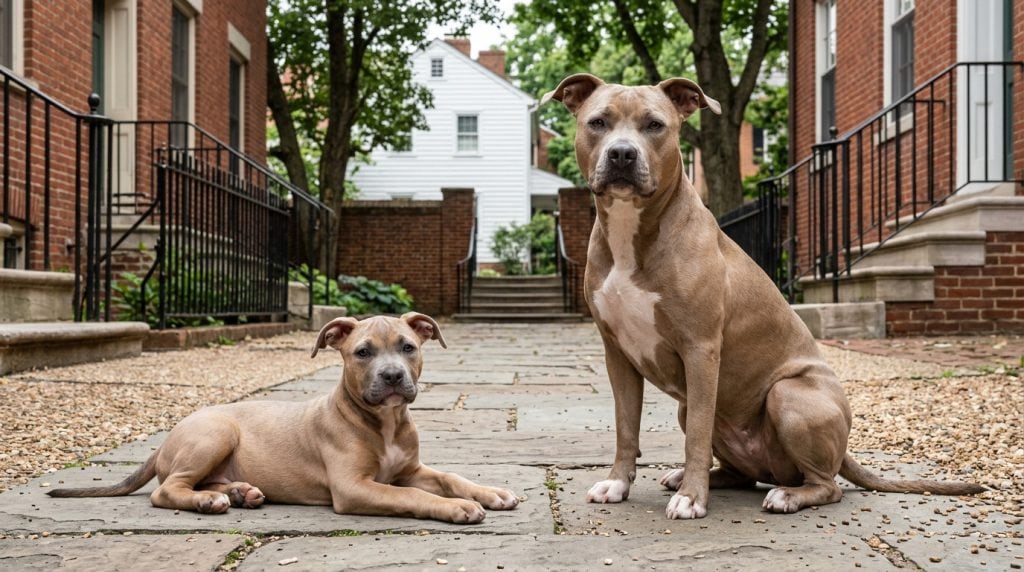
Living with an American Staffordshire Terrier often means sharing your home with a dog that is both spirited and affectionate. Their strong presence is balanced by a genuine desire for companionship, making them a loyal addition to many households. Owners frequently notice their eagerness to be part of family activities, whether it's a walk in the park or a cosy evening at home.
At a glance
Core care
- Size: Medium
- Energy: High
- Grooming: Low
- Shedding: Moderate
Support style
- Sensitivity: Moderate
- Training style: Willing
Breed guide
Choose a section to explore. These notes describe common patterns, but individual dogs vary widely.
The American Staffordshire Terrier has its roots in the early 19th century when breeders sought to create a dog that combined strength and agility for working purposes. Originally developed from bulldogs and terriers, these dogs were valued for their tenacity and courage. Today, those traits manifest in a breed that is both robust and eager to engage with their human companions. Their history of being working dogs has translated into a breed that thrives on having a purpose, whether that’s a daily walk or a game of fetch.
Physically, American Staffordshire Terriers are muscular and athletic, which is evident in their everyday movements. Their medium size makes them manageable for many homes, but their strength should not be underestimated. Owners often comment on their powerful build, which requires regular exercise to keep them healthy and content. Despite their sturdy appearance, they are surprisingly agile and enjoy activities that allow them to stretch their legs and test their endurance.
Temperamentally, these dogs are known for their affectionate nature and loyalty to their families. Many owners find that their American Staffordshire Terrier is a steadfast companion, often seeking out attention and interaction. While they can be quite social, they also exhibit a protective streak, making them attentive watchdogs. It’s important to note that individual temperaments can vary, with some dogs being more reserved while others are outgoing and exuberant.
When considering an American Staffordshire Terrier, it’s essential to understand that while they have common breed traits, each dog is an individual. Factors such as genetics, early socialisation, and environment play significant roles in shaping their personality. Prospective owners should be prepared for a dog that may require consistent training and socialisation to ensure they grow into well-rounded adults.
American Staffordshire Terriers are often described as people-oriented dogs, thriving on interaction and companionship. This social nature means they frequently seek out attention and are happiest when included in family activities. Owners often notice their dog following them around the house, eager to be part of whatever is happening. This tendency to be close to their humans can make them excellent companions for those who enjoy an active and engaged pet.
Their willingness to please and trainability are traits that many owners appreciate. American Staffordshire Terriers often respond well to positive reinforcement, enjoying the mental stimulation that comes from learning new commands and tricks. However, their moderate sensitivity means they can sometimes be affected by harsh training methods. A gentle, consistent approach tends to yield the best results, fostering a strong bond between dog and owner.
Despite their social tendencies, these dogs can sometimes be wary of strangers. This protective instinct is a remnant of their history, where being alert and aware was valued. Owners might notice their dog being cautious around new people, though with proper socialisation, many American Staffordshire Terriers learn to be friendly and welcoming. It’s important for owners to introduce their dogs to a variety of people and situations to help them develop confidence.
In everyday life, the American Staffordshire Terrier’s temperament can vary significantly from one individual to another. While some may be more laid-back, others might display a higher energy level and enthusiasm for play. Understanding these variations is crucial for setting realistic expectations and ensuring that the dog’s needs are met in a way that suits their unique personality.
A typical day for an American Staffordshire Terrier involves a good amount of physical activity. These dogs have high energy levels and benefit from regular exercise to keep them fit and happy. Many owners find that a couple of brisk walks each day, combined with some playtime, helps to satisfy their dog’s need for activity. Activities like fetch or agility can also provide excellent outlets for their energy and intelligence.
Mental enrichment is just as important as physical exercise for this breed. Puzzle toys, scent games, and training sessions can help keep their minds sharp and engaged. Owners often discover that their American Staffordshire Terrier enjoys challenges that make them think and problem-solve. This combination of physical and mental stimulation helps prevent boredom, which can sometimes lead to unwanted behaviours.
As they age, the exercise needs of an American Staffordshire Terrier may change. While young dogs might require more vigorous activity, older dogs might appreciate gentler walks and less intense play. It’s important for owners to adjust their dog’s routine according to their life stage, ensuring they remain healthy and comfortable.
It’s also worth noting that while American Staffordshire Terriers enjoy exercise, they can be prone to overheating, particularly in hot weather. Owners should be mindful of the temperature and ensure their dog has access to water and shade during outdoor activities. By paying attention to their dog’s needs and preferences, owners can create a balanced exercise routine that keeps their American Staffordshire Terrier happy and healthy.
Training an American Staffordshire Terrier often feels like working with a dog that is eager to learn and please. Their willingness to engage with training makes them a joy for owners who enjoy teaching their dogs new things. Positive reinforcement techniques, such as treats and praise, tend to work well with this breed, encouraging them to repeat desired behaviours.
Impulse control can be an area where American Staffordshire Terriers may need extra guidance. Their energetic nature can sometimes lead to impulsive actions, especially when they are excited. Consistent training and patience are key to helping them develop self-control. Many owners find that incorporating impulse control exercises into their daily routine helps their dog learn to manage their enthusiasm.
Adolescence can be a challenging time for any dog, and American Staffordshire Terriers are no exception. During this period, they may test boundaries and exhibit more independence. Owners who remain consistent with training and continue to reinforce positive behaviours often find that their dog emerges from adolescence as a well-mannered adult. It’s important to remember that patience and understanding go a long way during this stage.
Building a strong relationship with an American Staffordshire Terrier is crucial for successful training. These dogs respond well to a bond built on trust and mutual respect. By being consistent and fair, owners can create a positive training environment that encourages their dog to thrive. For those seeking additional guidance, the course “Understand Your Dog: Dog Psychology for Beginners” can provide valuable insights into the breed’s behaviour and training needs.
American Staffordshire Terriers tend to do well in homes where they can be part of the family. They thrive in environments where they have space to move and play, making them well-suited to homes with gardens or access to outdoor areas. However, they can also adapt to apartment living as long as their exercise needs are met.
Many owners find that American Staffordshire Terriers are good with children, often displaying patience and affection. Their robust nature means they can handle the energy of a busy household, but supervision is always recommended, especially with younger children. Teaching children how to interact respectfully with dogs can help foster a positive relationship between them.
When it comes to other pets, experiences can vary. Some American Staffordshire Terriers get along well with other dogs, particularly if they are socialised from a young age. However, their strong prey drive may make them less compatible with smaller pets. Owners should introduce new animals gradually and monitor interactions to ensure harmony within the household.
Overall, American Staffordshire Terriers are adaptable dogs that can fit into a variety of lifestyles. Prospective owners should consider their dog’s need for companionship and activity when deciding if this breed is a good match for their home. By providing a loving and structured environment, owners can enjoy a rewarding relationship with their American Staffordshire Terrier.
The health of an American Staffordshire Terrier is closely tied to their overall wellbeing and quality of life. Like all breeds, they can be prone to certain health conditions, so regular veterinary check-ups are important to catch any issues early. Maintaining a healthy weight through proper diet and exercise is crucial for their long-term health.
Some common health concerns for this breed include hip dysplasia, heart disease, and skin allergies. Owners should be aware of these potential issues and work with their vet to monitor their dog’s health. Early detection and management can make a significant difference in the dog’s comfort and longevity.
Preventive care is a key aspect of keeping an American Staffordshire Terrier healthy. Regular vaccinations, flea and tick prevention, and dental care are all important components of their healthcare routine. Many owners find that establishing a relationship with a trusted veterinarian helps them stay on top of their dog’s health needs.
Understanding the connection between health and behaviour is also important. A dog in pain or discomfort may exhibit changes in behaviour, such as irritability or reluctance to engage in activities they once enjoyed. If an owner notices any concerning changes, it’s always best to consult with a vet to rule out any underlying health issues. The course “Canine First Aid: A Practical Guide” can provide valuable information for owners looking to be proactive about their dog’s health.
The American Staffordshire Terrier’s origins can be traced back to the early 19th century in England, where breeders sought to create a dog that combined the strength of the bulldog with the tenacity of the terrier. These dogs were initially used for bull-baiting and later became popular in dog fighting, a practice that has since been outlawed. Despite this challenging history, the breed’s resilience and courage have remained defining characteristics.
As the breed made its way to America, it began to diverge from its English counterparts, with breeders focusing on developing a dog that was both strong and gentle. This led to the creation of the American Staffordshire Terrier, a breed that retained its physical prowess while becoming more family-oriented. The breed’s development in the United States emphasised traits such as loyalty and companionship, which are still evident today.
Throughout its history, the American Staffordshire Terrier has been known for its versatility and adaptability. Originally bred for work, these dogs have since found roles as companions, therapy dogs, and even in competitive dog sports. Their intelligence and eagerness to please make them well-suited to a variety of activities, showcasing their ability to excel in different environments.
Understanding the history of the American Staffordshire Terrier helps explain many of the traits owners see today. Their strong build, protective nature, and affectionate disposition are all rooted in their past. By appreciating their history, owners can better understand and meet the needs of this loyal and spirited breed.
What shapes individual dogs
- Early social experiences
- Training approach
- Environment & routine
- Genetics & breeding
- Health & pain
- Age / life stage
The American Staffordshire Terrier has its roots in the early 19th century when breeders sought to create a dog that combined strength and agility for working purposes. Originally developed from bulldogs and terriers, these dogs were valued for their tenacity and courage. Today, those traits manifest in a breed that is both robust and eager to engage with their human companions. Their history of being working dogs has translated into a breed that thrives on having a purpose, whether that’s a daily walk or a game of fetch.
Physically, American Staffordshire Terriers are muscular and athletic, which is evident in their everyday movements. Their medium size makes them manageable for many homes, but their strength should not be underestimated. Owners often comment on their powerful build, which requires regular exercise to keep them healthy and content. Despite their sturdy appearance, they are surprisingly agile and enjoy activities that allow them to stretch their legs and test their endurance.
Temperamentally, these dogs are known for their affectionate nature and loyalty to their families. Many owners find that their American Staffordshire Terrier is a steadfast companion, often seeking out attention and interaction. While they can be quite social, they also exhibit a protective streak, making them attentive watchdogs. It’s important to note that individual temperaments can vary, with some dogs being more reserved while others are outgoing and exuberant.
When considering an American Staffordshire Terrier, it’s essential to understand that while they have common breed traits, each dog is an individual. Factors such as genetics, early socialisation, and environment play significant roles in shaping their personality. Prospective owners should be prepared for a dog that may require consistent training and socialisation to ensure they grow into well-rounded adults.
American Staffordshire Terriers are often described as people-oriented dogs, thriving on interaction and companionship. This social nature means they frequently seek out attention and are happiest when included in family activities. Owners often notice their dog following them around the house, eager to be part of whatever is happening. This tendency to be close to their humans can make them excellent companions for those who enjoy an active and engaged pet.
Their willingness to please and trainability are traits that many owners appreciate. American Staffordshire Terriers often respond well to positive reinforcement, enjoying the mental stimulation that comes from learning new commands and tricks. However, their moderate sensitivity means they can sometimes be affected by harsh training methods. A gentle, consistent approach tends to yield the best results, fostering a strong bond between dog and owner.
Despite their social tendencies, these dogs can sometimes be wary of strangers. This protective instinct is a remnant of their history, where being alert and aware was valued. Owners might notice their dog being cautious around new people, though with proper socialisation, many American Staffordshire Terriers learn to be friendly and welcoming. It’s important for owners to introduce their dogs to a variety of people and situations to help them develop confidence.
In everyday life, the American Staffordshire Terrier’s temperament can vary significantly from one individual to another. While some may be more laid-back, others might display a higher energy level and enthusiasm for play. Understanding these variations is crucial for setting realistic expectations and ensuring that the dog’s needs are met in a way that suits their unique personality.
A typical day for an American Staffordshire Terrier involves a good amount of physical activity. These dogs have high energy levels and benefit from regular exercise to keep them fit and happy. Many owners find that a couple of brisk walks each day, combined with some playtime, helps to satisfy their dog’s need for activity. Activities like fetch or agility can also provide excellent outlets for their energy and intelligence.
Mental enrichment is just as important as physical exercise for this breed. Puzzle toys, scent games, and training sessions can help keep their minds sharp and engaged. Owners often discover that their American Staffordshire Terrier enjoys challenges that make them think and problem-solve. This combination of physical and mental stimulation helps prevent boredom, which can sometimes lead to unwanted behaviours.
As they age, the exercise needs of an American Staffordshire Terrier may change. While young dogs might require more vigorous activity, older dogs might appreciate gentler walks and less intense play. It’s important for owners to adjust their dog’s routine according to their life stage, ensuring they remain healthy and comfortable.
It’s also worth noting that while American Staffordshire Terriers enjoy exercise, they can be prone to overheating, particularly in hot weather. Owners should be mindful of the temperature and ensure their dog has access to water and shade during outdoor activities. By paying attention to their dog’s needs and preferences, owners can create a balanced exercise routine that keeps their American Staffordshire Terrier happy and healthy.
Training an American Staffordshire Terrier often feels like working with a dog that is eager to learn and please. Their willingness to engage with training makes them a joy for owners who enjoy teaching their dogs new things. Positive reinforcement techniques, such as treats and praise, tend to work well with this breed, encouraging them to repeat desired behaviours.
Impulse control can be an area where American Staffordshire Terriers may need extra guidance. Their energetic nature can sometimes lead to impulsive actions, especially when they are excited. Consistent training and patience are key to helping them develop self-control. Many owners find that incorporating impulse control exercises into their daily routine helps their dog learn to manage their enthusiasm.
Adolescence can be a challenging time for any dog, and American Staffordshire Terriers are no exception. During this period, they may test boundaries and exhibit more independence. Owners who remain consistent with training and continue to reinforce positive behaviours often find that their dog emerges from adolescence as a well-mannered adult. It’s important to remember that patience and understanding go a long way during this stage.
Building a strong relationship with an American Staffordshire Terrier is crucial for successful training. These dogs respond well to a bond built on trust and mutual respect. By being consistent and fair, owners can create a positive training environment that encourages their dog to thrive. For those seeking additional guidance, the course “Understand Your Dog: Dog Psychology for Beginners” can provide valuable insights into the breed’s behaviour and training needs.
American Staffordshire Terriers tend to do well in homes where they can be part of the family. They thrive in environments where they have space to move and play, making them well-suited to homes with gardens or access to outdoor areas. However, they can also adapt to apartment living as long as their exercise needs are met.
Many owners find that American Staffordshire Terriers are good with children, often displaying patience and affection. Their robust nature means they can handle the energy of a busy household, but supervision is always recommended, especially with younger children. Teaching children how to interact respectfully with dogs can help foster a positive relationship between them.
When it comes to other pets, experiences can vary. Some American Staffordshire Terriers get along well with other dogs, particularly if they are socialised from a young age. However, their strong prey drive may make them less compatible with smaller pets. Owners should introduce new animals gradually and monitor interactions to ensure harmony within the household.
Overall, American Staffordshire Terriers are adaptable dogs that can fit into a variety of lifestyles. Prospective owners should consider their dog’s need for companionship and activity when deciding if this breed is a good match for their home. By providing a loving and structured environment, owners can enjoy a rewarding relationship with their American Staffordshire Terrier.
The health of an American Staffordshire Terrier is closely tied to their overall wellbeing and quality of life. Like all breeds, they can be prone to certain health conditions, so regular veterinary check-ups are important to catch any issues early. Maintaining a healthy weight through proper diet and exercise is crucial for their long-term health.
Some common health concerns for this breed include hip dysplasia, heart disease, and skin allergies. Owners should be aware of these potential issues and work with their vet to monitor their dog’s health. Early detection and management can make a significant difference in the dog’s comfort and longevity.
Preventive care is a key aspect of keeping an American Staffordshire Terrier healthy. Regular vaccinations, flea and tick prevention, and dental care are all important components of their healthcare routine. Many owners find that establishing a relationship with a trusted veterinarian helps them stay on top of their dog’s health needs.
Understanding the connection between health and behaviour is also important. A dog in pain or discomfort may exhibit changes in behaviour, such as irritability or reluctance to engage in activities they once enjoyed. If an owner notices any concerning changes, it’s always best to consult with a vet to rule out any underlying health issues. The course “Canine First Aid: A Practical Guide” can provide valuable information for owners looking to be proactive about their dog’s health.
The American Staffordshire Terrier’s origins can be traced back to the early 19th century in England, where breeders sought to create a dog that combined the strength of the bulldog with the tenacity of the terrier. These dogs were initially used for bull-baiting and later became popular in dog fighting, a practice that has since been outlawed. Despite this challenging history, the breed’s resilience and courage have remained defining characteristics.
As the breed made its way to America, it began to diverge from its English counterparts, with breeders focusing on developing a dog that was both strong and gentle. This led to the creation of the American Staffordshire Terrier, a breed that retained its physical prowess while becoming more family-oriented. The breed’s development in the United States emphasised traits such as loyalty and companionship, which are still evident today.
Throughout its history, the American Staffordshire Terrier has been known for its versatility and adaptability. Originally bred for work, these dogs have since found roles as companions, therapy dogs, and even in competitive dog sports. Their intelligence and eagerness to please make them well-suited to a variety of activities, showcasing their ability to excel in different environments.
Understanding the history of the American Staffordshire Terrier helps explain many of the traits owners see today. Their strong build, protective nature, and affectionate disposition are all rooted in their past. By appreciating their history, owners can better understand and meet the needs of this loyal and spirited breed.
What shapes individual dogs
- Early social experiences
- Training approach
- Environment & routine
- Genetics & breeding
- Health & pain
- Age / life stage
Want support with this?
This course offers valuable insights into understanding the behaviour and training needs of the American Staffordshire Terrier.