
American Eskimo Dog
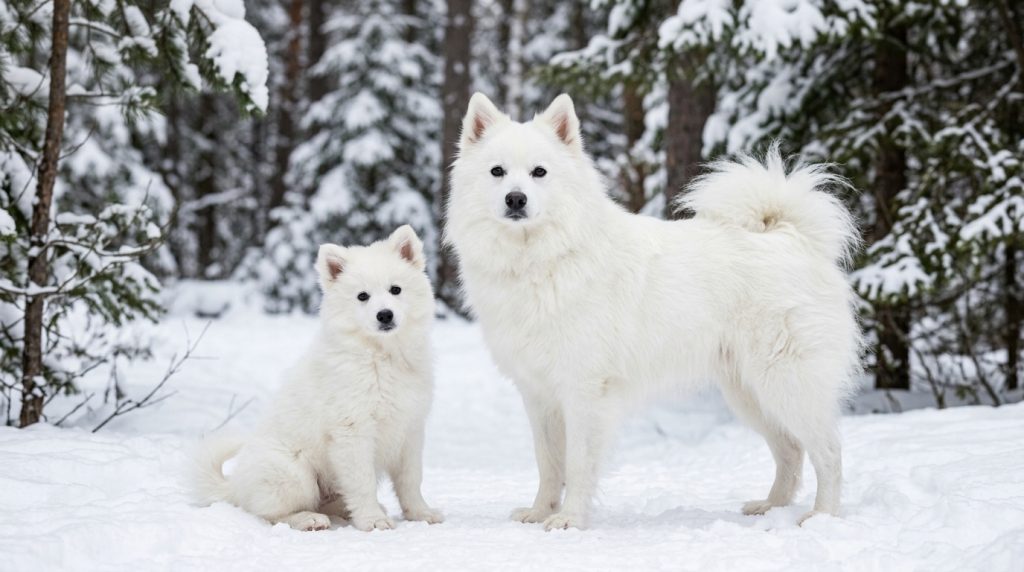
American Eskimo Dogs are lively, intelligent companions known for their alert expression and bright personality. Their curiosity and eagerness to engage often make them enthusiastic participants in family life. Many owners enjoy their quick learning ability and watchful nature, traits that reflect their heritage within the German Spitz family.
At a glance
Core care
- Size: Small
- Energy: Moderate to high
- Grooming: Low
- Shedding: High
Support style
- Sensitivity: Moderate
- Training style: Willing
Breed guide
Choose a section to explore. These notes describe common patterns, but individual dogs vary widely.
The American Eskimo Dog, despite its name, does not originate from the icy regions of Alaska but rather from the German Spitz lineage. Historically, these dogs were valued for their alertness and agility, traits that were honed in their role as watchdogs and companions. Today, these qualities translate into a breed that is both vigilant and affectionate, often forming strong bonds with their families.
Physically, the American Eskimo Dog is known for its striking white coat and compact build. This breed’s appearance is not just for show; their dense double coat provides insulation, making them adaptable to various climates. Owners often note that their Eskie’s coat requires regular grooming to maintain its beauty and manage shedding, which can be quite noticeable around the home.
In terms of temperament, American Eskimo Dogs are known for their lively and friendly nature. They tend to be social creatures, often enjoying the company of their human family members and sometimes other pets. Their moderate sensitivity means they are usually in tune with the household’s mood, making them responsive companions. However, their alertness can sometimes manifest as barking, which is something potential owners should be prepared for.
As with any breed, individual variation is to be expected. While many American Eskimo Dogs are outgoing and eager to please, some may be more reserved or independent. Early socialisation and training can help shape a well-rounded adult dog. Understanding that each dog is unique will help potential owners set realistic expectations and provide the best environment for their Eskie.
American Eskimo Dogs often display a social and engaging nature, which makes them delightful companions. They are typically eager to be part of family activities, whether that means joining in on a walk or simply lounging around the house. This tendency to be involved stems from their history as companion animals, where their primary role was to be close to humans.
Their moderate sensitivity means they are usually quite perceptive of their owner’s emotions and the general atmosphere of the home. This can make them responsive to training and keen to please, although it also means they might react to stress or tension in the household. Owners often notice that their Eskie can pick up on subtle cues, making them seem almost intuitive at times.
The breed’s willingness to learn is another hallmark of their temperament. Many American Eskimo Dogs take well to training, enjoying the mental stimulation it provides. They often thrive on positive reinforcement techniques, which align well with their desire to please and their intelligent nature. However, their alertness can sometimes lead to vocal tendencies, particularly if they perceive something amiss in their environment.
Understanding these behavioural tendencies helps owners create a supportive environment for their American Eskimo Dog. While they are generally adaptable, each dog will have its own personality quirks and preferences. Recognising and respecting these individual differences is key to nurturing a happy and well-adjusted pet.
A typical day for an American Eskimo Dog often includes a mix of physical exercise and mental enrichment. These dogs have moderate to high energy levels, so regular walks and play sessions are essential to keep them happy and healthy. Many owners find that their Eskie enjoys activities that challenge both their body and mind, such as agility courses or interactive games.
Physical exercise should be balanced with mental stimulation to prevent boredom. Puzzle toys and training sessions can be excellent ways to engage their minds. Given their intelligence and eagerness to learn, American Eskimo Dogs often excel in activities that require problem-solving and focus. This combination of physical and mental exercise helps maintain their overall wellbeing.
As they age, the exercise needs of an American Eskimo Dog may change. Puppies and young adults typically require more frequent and intense activity, while older dogs might prefer gentler, shorter walks. Owners should be attentive to their dog’s energy levels and adjust their routine accordingly to ensure they are meeting their pet’s needs without overexertion.
It’s important to avoid overly repetitive activities that might lead to boredom or frustration. Variety in their exercise and enrichment routine can help keep an American Eskimo Dog engaged and content. By understanding their needs and preferences, owners can create a fulfilling daily routine that supports their dog’s physical and mental health.
Training an American Eskimo Dog often feels like a rewarding experience due to their willingness to learn and engage. Owners frequently find that these dogs respond well to positive reinforcement techniques, such as treats and praise, which align with their desire to please. This approach helps build a strong bond between the dog and owner, fostering a cooperative relationship.
Impulse control can be an area of focus during training, especially given the breed’s alert and sometimes vocal nature. Teaching commands like ‘quiet’ or ‘settle’ can be beneficial in managing their tendency to bark at perceived disturbances. Consistency in training is key, as it helps reinforce desired behaviours and provides the dog with clear expectations.
Adolescence can be a challenging time for any dog owner, and American Eskimo Dogs are no exception. During this stage, they might test boundaries or become more independent. Patience and continued training support are crucial during this period to guide them into well-mannered adulthood. Many owners find that enrolling in training classes can provide additional support and socialisation opportunities.
Building a strong relationship through consistent training and understanding is essential for this breed. Their intelligence and eagerness to engage make them capable learners, but each dog is an individual with its own pace and preferences. By respecting these differences and maintaining a positive training environment, owners can help their American Eskimo Dog thrive.
American Eskimo Dogs tend to thrive in environments where they can be active participants in family life. They often do well in homes where they have space to move around and opportunities for regular exercise. While they can adapt to apartment living, it’s important that they receive sufficient physical and mental stimulation to prevent boredom.
Many owners find that American Eskimo Dogs integrate well with families, including those with children. Their friendly and social nature often makes them good companions for kids, although supervision is always recommended to ensure positive interactions. Their alertness and protective instincts can also make them attentive watchdogs, alerting the family to new sounds or visitors.
When it comes to living with other pets, American Eskimo Dogs can be quite adaptable. Early socialisation is key to fostering positive relationships with other animals in the household. Their playful and friendly demeanour often helps them get along with other dogs, although individual personalities will vary.
Overall, the breed tends to suit active households that can provide ample time for interaction and exercise. Understanding their needs and ensuring they are met can help create a harmonious living environment. Each dog is unique, so it’s important for potential owners to consider how an American Eskimo Dog might fit into their specific lifestyle and home.
Health is a crucial aspect of an American Eskimo Dog’s overall wellbeing, influencing their behaviour and quality of life. Regular veterinary check-ups and preventive care are essential to maintaining their health. Owners often find that staying informed about common breed-specific health issues can help them provide better care for their pets.
American Eskimo Dogs can be prone to certain health conditions, such as hip dysplasia and progressive retinal atrophy. Awareness of these potential issues allows owners to monitor their dogs for early signs and seek veterinary advice when necessary. Maintaining a healthy weight and providing regular exercise can help mitigate some health risks associated with the breed.
Behavioural changes can sometimes indicate underlying health problems. For example, a normally active and alert Eskie that becomes lethargic or withdrawn may be experiencing discomfort or illness. Regular monitoring of their behaviour and physical condition can help owners catch issues early, ensuring timely treatment and management.
Preventive care, including vaccinations, dental care, and parasite control, plays a significant role in keeping an American Eskimo Dog healthy. By establishing a routine of regular health checks and being proactive about their dog’s wellbeing, owners can help ensure their pet leads a long and healthy life.
The American Eskimo Dog’s history is rooted in the German Spitz lineage, with its ancestors brought to America by German immigrants in the late 19th century. Originally bred as versatile working dogs, they were valued for their intelligence, agility, and alertness. These traits made them popular as farm dogs and companions, roles that required both vigilance and a friendly disposition.
In the early 20th century, the breed gained popularity in the United States as a circus performer, showcasing their intelligence and trainability through various tricks and performances. This exposure helped cement their reputation as clever and engaging companions, traits that continue to be appreciated by modern owners.
The name ‘American Eskimo Dog’ was adopted in the 1920s, likely as a nod to their striking white coat and northern appearance, although they have no direct ties to Eskimo culture. Despite the name, their heritage remains firmly linked to the German Spitz family, which explains many of their physical and behavioural characteristics.
Understanding the breed’s history helps explain their modern traits, such as their alertness and social nature. These dogs were bred to be both companions and workers, a combination that has resulted in a breed that is both affectionate and capable. This historical context provides insight into the American Eskimo Dog’s enduring appeal as a lively and intelligent family pet.
What shapes individual dogs
- Early social experiences
- Training approach
- Environment & routine
- Genetics & breeding
- Health & pain
- Age / life stage
The American Eskimo Dog, despite its name, does not originate from the icy regions of Alaska but rather from the German Spitz lineage. Historically, these dogs were valued for their alertness and agility, traits that were honed in their role as watchdogs and companions. Today, these qualities translate into a breed that is both vigilant and affectionate, often forming strong bonds with their families.
Physically, the American Eskimo Dog is known for its striking white coat and compact build. This breed’s appearance is not just for show; their dense double coat provides insulation, making them adaptable to various climates. Owners often note that their Eskie’s coat requires regular grooming to maintain its beauty and manage shedding, which can be quite noticeable around the home.
In terms of temperament, American Eskimo Dogs are known for their lively and friendly nature. They tend to be social creatures, often enjoying the company of their human family members and sometimes other pets. Their moderate sensitivity means they are usually in tune with the household’s mood, making them responsive companions. However, their alertness can sometimes manifest as barking, which is something potential owners should be prepared for.
As with any breed, individual variation is to be expected. While many American Eskimo Dogs are outgoing and eager to please, some may be more reserved or independent. Early socialisation and training can help shape a well-rounded adult dog. Understanding that each dog is unique will help potential owners set realistic expectations and provide the best environment for their Eskie.
American Eskimo Dogs often display a social and engaging nature, which makes them delightful companions. They are typically eager to be part of family activities, whether that means joining in on a walk or simply lounging around the house. This tendency to be involved stems from their history as companion animals, where their primary role was to be close to humans.
Their moderate sensitivity means they are usually quite perceptive of their owner’s emotions and the general atmosphere of the home. This can make them responsive to training and keen to please, although it also means they might react to stress or tension in the household. Owners often notice that their Eskie can pick up on subtle cues, making them seem almost intuitive at times.
The breed’s willingness to learn is another hallmark of their temperament. Many American Eskimo Dogs take well to training, enjoying the mental stimulation it provides. They often thrive on positive reinforcement techniques, which align well with their desire to please and their intelligent nature. However, their alertness can sometimes lead to vocal tendencies, particularly if they perceive something amiss in their environment.
Understanding these behavioural tendencies helps owners create a supportive environment for their American Eskimo Dog. While they are generally adaptable, each dog will have its own personality quirks and preferences. Recognising and respecting these individual differences is key to nurturing a happy and well-adjusted pet.
A typical day for an American Eskimo Dog often includes a mix of physical exercise and mental enrichment. These dogs have moderate to high energy levels, so regular walks and play sessions are essential to keep them happy and healthy. Many owners find that their Eskie enjoys activities that challenge both their body and mind, such as agility courses or interactive games.
Physical exercise should be balanced with mental stimulation to prevent boredom. Puzzle toys and training sessions can be excellent ways to engage their minds. Given their intelligence and eagerness to learn, American Eskimo Dogs often excel in activities that require problem-solving and focus. This combination of physical and mental exercise helps maintain their overall wellbeing.
As they age, the exercise needs of an American Eskimo Dog may change. Puppies and young adults typically require more frequent and intense activity, while older dogs might prefer gentler, shorter walks. Owners should be attentive to their dog’s energy levels and adjust their routine accordingly to ensure they are meeting their pet’s needs without overexertion.
It’s important to avoid overly repetitive activities that might lead to boredom or frustration. Variety in their exercise and enrichment routine can help keep an American Eskimo Dog engaged and content. By understanding their needs and preferences, owners can create a fulfilling daily routine that supports their dog’s physical and mental health.
Training an American Eskimo Dog often feels like a rewarding experience due to their willingness to learn and engage. Owners frequently find that these dogs respond well to positive reinforcement techniques, such as treats and praise, which align with their desire to please. This approach helps build a strong bond between the dog and owner, fostering a cooperative relationship.
Impulse control can be an area of focus during training, especially given the breed’s alert and sometimes vocal nature. Teaching commands like ‘quiet’ or ‘settle’ can be beneficial in managing their tendency to bark at perceived disturbances. Consistency in training is key, as it helps reinforce desired behaviours and provides the dog with clear expectations.
Adolescence can be a challenging time for any dog owner, and American Eskimo Dogs are no exception. During this stage, they might test boundaries or become more independent. Patience and continued training support are crucial during this period to guide them into well-mannered adulthood. Many owners find that enrolling in training classes can provide additional support and socialisation opportunities.
Building a strong relationship through consistent training and understanding is essential for this breed. Their intelligence and eagerness to engage make them capable learners, but each dog is an individual with its own pace and preferences. By respecting these differences and maintaining a positive training environment, owners can help their American Eskimo Dog thrive.
American Eskimo Dogs tend to thrive in environments where they can be active participants in family life. They often do well in homes where they have space to move around and opportunities for regular exercise. While they can adapt to apartment living, it’s important that they receive sufficient physical and mental stimulation to prevent boredom.
Many owners find that American Eskimo Dogs integrate well with families, including those with children. Their friendly and social nature often makes them good companions for kids, although supervision is always recommended to ensure positive interactions. Their alertness and protective instincts can also make them attentive watchdogs, alerting the family to new sounds or visitors.
When it comes to living with other pets, American Eskimo Dogs can be quite adaptable. Early socialisation is key to fostering positive relationships with other animals in the household. Their playful and friendly demeanour often helps them get along with other dogs, although individual personalities will vary.
Overall, the breed tends to suit active households that can provide ample time for interaction and exercise. Understanding their needs and ensuring they are met can help create a harmonious living environment. Each dog is unique, so it’s important for potential owners to consider how an American Eskimo Dog might fit into their specific lifestyle and home.
Health is a crucial aspect of an American Eskimo Dog’s overall wellbeing, influencing their behaviour and quality of life. Regular veterinary check-ups and preventive care are essential to maintaining their health. Owners often find that staying informed about common breed-specific health issues can help them provide better care for their pets.
American Eskimo Dogs can be prone to certain health conditions, such as hip dysplasia and progressive retinal atrophy. Awareness of these potential issues allows owners to monitor their dogs for early signs and seek veterinary advice when necessary. Maintaining a healthy weight and providing regular exercise can help mitigate some health risks associated with the breed.
Behavioural changes can sometimes indicate underlying health problems. For example, a normally active and alert Eskie that becomes lethargic or withdrawn may be experiencing discomfort or illness. Regular monitoring of their behaviour and physical condition can help owners catch issues early, ensuring timely treatment and management.
Preventive care, including vaccinations, dental care, and parasite control, plays a significant role in keeping an American Eskimo Dog healthy. By establishing a routine of regular health checks and being proactive about their dog’s wellbeing, owners can help ensure their pet leads a long and healthy life.
The American Eskimo Dog’s history is rooted in the German Spitz lineage, with its ancestors brought to America by German immigrants in the late 19th century. Originally bred as versatile working dogs, they were valued for their intelligence, agility, and alertness. These traits made them popular as farm dogs and companions, roles that required both vigilance and a friendly disposition.
In the early 20th century, the breed gained popularity in the United States as a circus performer, showcasing their intelligence and trainability through various tricks and performances. This exposure helped cement their reputation as clever and engaging companions, traits that continue to be appreciated by modern owners.
The name ‘American Eskimo Dog’ was adopted in the 1920s, likely as a nod to their striking white coat and northern appearance, although they have no direct ties to Eskimo culture. Despite the name, their heritage remains firmly linked to the German Spitz family, which explains many of their physical and behavioural characteristics.
Understanding the breed’s history helps explain their modern traits, such as their alertness and social nature. These dogs were bred to be both companions and workers, a combination that has resulted in a breed that is both affectionate and capable. This historical context provides insight into the American Eskimo Dog’s enduring appeal as a lively and intelligent family pet.
What shapes individual dogs
- Early social experiences
- Training approach
- Environment & routine
- Genetics & breeding
- Health & pain
- Age / life stage
Want support with this?
This course offers insights into the complex temperament and behaviour nuances of the American Eskimo Dog, helping owners understand their pet better.