
Malshi
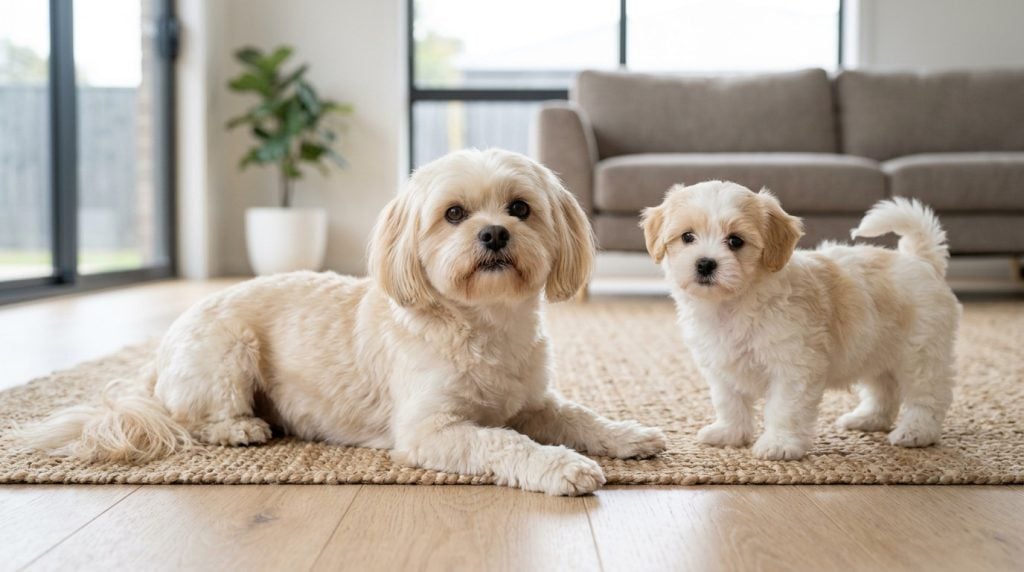
Living with a Malshi often means having a constant companion by your side. Their affectionate nature and eagerness to be involved in family activities make them a delightful presence in many homes. Owners frequently appreciate their gentle disposition and how they seem to thrive on human interaction.
At a glance
Core care
- Size: Small
- Energy: Moderate
- Grooming: Low
- Shedding: Low
Support style
- Sensitivity: High
- Training style: Willing
Breed guide
Choose a section to explore. These notes describe common patterns, but individual dogs vary widely.
The Malshi, a charming crossbreed of the Maltese and Shih Tzu, brings together the best of both worlds in a small, affectionate package. This blend of breeds was initially developed to combine the Maltese’s gentle nature with the Shih Tzu’s lively spirit. Today, these traits are evident in the Malshi’s friendly and adaptable personality, making them a popular choice for families and individuals alike. Their history as companion dogs is reflected in their strong desire to be near their human companions, often following them from room to room.
Physically, the Malshi tends to be a small dog, typically weighing between 4 to 8 kilograms. Their size makes them well-suited to apartment living, but they are equally at home in larger spaces. Their coat, often a mix of the Shih Tzu’s long, flowing hair and the Maltese’s silkiness, requires regular grooming to keep it looking its best. This can mean frequent brushing and occasional trims to prevent matting and tangling, which are common challenges for this breed.
In terms of temperament, Malshis are known for their friendly and social nature. They often form strong bonds with their families and are known to be quite people-oriented. This can manifest as a desire to be involved in all family activities, whether it’s a simple walk in the park or a quiet evening at home. However, like any breed, individual personalities can vary, with some Malshis being more independent while others might be more clingy.
It’s important for potential owners to remember that while breed traits provide a general guide, each Malshi is unique. Factors such as early socialisation, training, and individual experiences can all influence a dog’s behaviour. Prospective owners should be prepared for a dog that thrives on companionship and requires regular grooming and attention to stay happy and healthy.
Malshis are often described as social butterflies, eager to make friends with both humans and other animals. This social nature is likely a result of their heritage, as both parent breeds were bred primarily as companions. Owners often notice that their Malshi is happiest when surrounded by people, frequently seeking out attention and affection. This can make them a wonderful choice for families or individuals who enjoy having a dog that is very much a part of the family.
Their high sensitivity means that Malshis are quite attuned to the emotions of those around them. This can be a double-edged sword; while they are often very empathetic and quick to offer comfort, they can also become anxious if there is tension or stress in the home. Because of this, a calm and stable environment can help them feel more secure and content.
Trainability is another notable trait of the Malshi. They are generally eager to please and respond well to positive reinforcement techniques. Owners often find that their Malshi picks up on new commands quickly, especially when training is consistent and rewards-based. However, their sensitivity means that harsh training methods can be counterproductive, potentially leading to fear or anxiety.
Overall, living with a Malshi can be a rewarding experience, as they often bring joy and companionship to those around them. Their social and affectionate nature makes them a great fit for many households, but it’s important to remember that each dog is an individual. While many Malshis share these traits, there will always be variations in personality and behaviour based on their unique experiences and upbringing.
A typical day for a Malshi involves a balance of moderate exercise and plenty of downtime with their family. While they are not as high-energy as some breeds, they do benefit from daily walks and play sessions to keep them physically fit and mentally stimulated. A couple of short walks each day, combined with some interactive playtime, often suffice to meet their exercise needs.
Mental enrichment is equally important for the Malshi. Puzzle toys, training sessions, and games that engage their problem-solving skills can be particularly beneficial. These activities not only keep their minds sharp but also help to prevent boredom, which can sometimes lead to undesirable behaviours. Owners often find that their Malshi enjoys a variety of activities, so mixing up their routine can keep things interesting.
As with any breed, the exercise needs of a Malshi can change as they age. Puppies and young dogs typically have more energy and may require more frequent play sessions, while older Malshis might prefer shorter, more leisurely walks. It’s important to adapt their routine to their life stage and individual energy levels.
Owners should be mindful not to over-exercise their Malshi, especially in hot weather, as their small size and thick coat can make them prone to overheating. Regular, moderate exercise combined with mental stimulation usually keeps a Malshi content and healthy. Understanding their unique needs and adjusting activities accordingly is key to ensuring they lead a balanced and fulfilling life.
Training a Malshi is often a rewarding experience due to their willingness to learn and eagerness to please. Many owners find that their Malshi responds well to positive reinforcement methods, such as treats and praise, which can make training sessions enjoyable for both the dog and the owner. Their intelligence and cooperative nature mean that with patience and consistency, they can learn a variety of commands and tricks.
Impulse control can be a challenge for some Malshis, particularly during their adolescent phase. During this time, they may test boundaries and display more independent behaviour. Consistent training and clear boundaries can help guide them through this stage. It’s important for owners to remain patient and understanding, recognising that this phase is temporary and part of their development.
Building a strong relationship based on trust and mutual respect is crucial for successful training. Malshis thrive in environments where they feel secure and understood. This means that training should be a positive experience, free from harsh corrections or punishment, which can damage the bond between dog and owner.
Overall, training a Malshi requires a gentle yet consistent approach. By focusing on positive interactions and maintaining a routine, owners can help their Malshi develop into a well-behaved and happy companion. For those new to dog ownership or facing challenges, enrolling in a course like “Puppy Beginnings: Building a Calm Start” can provide valuable guidance and support.
Malshis are adaptable dogs that can fit into a variety of living situations, making them a versatile choice for many households. Their small size and moderate energy levels mean they are well-suited to apartment living, but they can also thrive in larger homes with a garden. What matters most is their proximity to their human companions, as they are happiest when they are part of the family.
Many owners find that Malshis do well in homes with children, as their gentle and affectionate nature often makes them patient playmates. However, as with any dog, interactions between young children and dogs should always be supervised to ensure safety for both parties. Teaching children how to respect the dog’s space and boundaries can help foster a positive relationship.
When it comes to living with other pets, Malshis can often get along well with other dogs and even cats, especially if they are introduced gradually and socialised from a young age. Their friendly disposition means they are usually open to making new friends, but individual temperament can vary, so careful introductions are key.
Ultimately, the Malshi’s adaptability and loving nature make them a good fit for many different types of families and living situations. Prospective owners should consider their lifestyle and how much time they can dedicate to their Malshi, as these dogs thrive on companionship and may not do well if left alone for long periods. Ensuring they have plenty of interaction and a stable environment can help them lead a happy and fulfilled life.
The overall health of a Malshi can significantly impact their daily wellbeing and quality of life. Like many small breeds, they can be prone to certain health issues, so regular veterinary check-ups are important to catch any potential problems early. Common concerns for Malshis include dental issues, which can be managed with regular teeth cleaning and appropriate dental care.
Their small size and delicate build mean that they can be prone to injuries, particularly if they are handled roughly or allowed to jump from heights. Owners should take care to provide a safe environment and supervise interactions with young children to prevent accidents. Regular exercise and a balanced diet can also help maintain their physical health and prevent obesity, which can exacerbate other health issues.
Preventive care is key for maintaining a Malshi’s health. This includes regular vaccinations, flea and tick prevention, and heartworm medication. Monitoring their weight and keeping an eye out for any changes in behaviour or appetite can also provide early warning signs of potential health issues.
While Malshis are generally healthy dogs, it’s important for owners to be aware of the signs that may indicate a need for veterinary attention. Changes in energy levels, eating habits, or behaviour should be discussed with a vet to ensure any underlying issues are addressed promptly. With proper care and attention, Malshis can enjoy a long and healthy life as cherished members of the family.
The Malshi is a relatively modern crossbreed, created by combining the Maltese and the Shih Tzu, two breeds with rich histories as companion animals. The Maltese, known for its gentle and affectionate nature, has been a beloved lapdog for centuries, often associated with nobility and luxury. The Shih Tzu, with its roots in ancient China, was similarly bred as a companion dog, known for its lively and outgoing personality.
The idea behind the Malshi was to blend these desirable traits into a single breed, creating a dog that was both affectionate and lively, with a coat that was both beautiful and low-shedding. This combination quickly gained popularity, especially among those looking for a small, friendly dog that could adapt to various living situations.
The Malshi’s development as a crossbreed reflects a growing trend towards designer dogs, where specific traits from different breeds are combined to meet the needs and preferences of modern pet owners. This trend has led to a greater understanding of how different breeds can complement each other, resulting in dogs that are well-suited to contemporary lifestyles.
Today, the Malshi is cherished for its friendly disposition and adaptability, traits that are deeply rooted in its parent breeds’ histories. While they may not have a long history as a distinct breed, their origins as companion animals are evident in their behaviour and temperament, making them a popular choice for those seeking a loving and loyal pet.
What shapes individual dogs
- Early social experiences
- Training approach
- Environment & routine
- Genetics & breeding
- Health & pain
- Age / life stage
The Malshi, a charming crossbreed of the Maltese and Shih Tzu, brings together the best of both worlds in a small, affectionate package. This blend of breeds was initially developed to combine the Maltese’s gentle nature with the Shih Tzu’s lively spirit. Today, these traits are evident in the Malshi’s friendly and adaptable personality, making them a popular choice for families and individuals alike. Their history as companion dogs is reflected in their strong desire to be near their human companions, often following them from room to room.
Physically, the Malshi tends to be a small dog, typically weighing between 4 to 8 kilograms. Their size makes them well-suited to apartment living, but they are equally at home in larger spaces. Their coat, often a mix of the Shih Tzu’s long, flowing hair and the Maltese’s silkiness, requires regular grooming to keep it looking its best. This can mean frequent brushing and occasional trims to prevent matting and tangling, which are common challenges for this breed.
In terms of temperament, Malshis are known for their friendly and social nature. They often form strong bonds with their families and are known to be quite people-oriented. This can manifest as a desire to be involved in all family activities, whether it’s a simple walk in the park or a quiet evening at home. However, like any breed, individual personalities can vary, with some Malshis being more independent while others might be more clingy.
It’s important for potential owners to remember that while breed traits provide a general guide, each Malshi is unique. Factors such as early socialisation, training, and individual experiences can all influence a dog’s behaviour. Prospective owners should be prepared for a dog that thrives on companionship and requires regular grooming and attention to stay happy and healthy.
Malshis are often described as social butterflies, eager to make friends with both humans and other animals. This social nature is likely a result of their heritage, as both parent breeds were bred primarily as companions. Owners often notice that their Malshi is happiest when surrounded by people, frequently seeking out attention and affection. This can make them a wonderful choice for families or individuals who enjoy having a dog that is very much a part of the family.
Their high sensitivity means that Malshis are quite attuned to the emotions of those around them. This can be a double-edged sword; while they are often very empathetic and quick to offer comfort, they can also become anxious if there is tension or stress in the home. Because of this, a calm and stable environment can help them feel more secure and content.
Trainability is another notable trait of the Malshi. They are generally eager to please and respond well to positive reinforcement techniques. Owners often find that their Malshi picks up on new commands quickly, especially when training is consistent and rewards-based. However, their sensitivity means that harsh training methods can be counterproductive, potentially leading to fear or anxiety.
Overall, living with a Malshi can be a rewarding experience, as they often bring joy and companionship to those around them. Their social and affectionate nature makes them a great fit for many households, but it’s important to remember that each dog is an individual. While many Malshis share these traits, there will always be variations in personality and behaviour based on their unique experiences and upbringing.
A typical day for a Malshi involves a balance of moderate exercise and plenty of downtime with their family. While they are not as high-energy as some breeds, they do benefit from daily walks and play sessions to keep them physically fit and mentally stimulated. A couple of short walks each day, combined with some interactive playtime, often suffice to meet their exercise needs.
Mental enrichment is equally important for the Malshi. Puzzle toys, training sessions, and games that engage their problem-solving skills can be particularly beneficial. These activities not only keep their minds sharp but also help to prevent boredom, which can sometimes lead to undesirable behaviours. Owners often find that their Malshi enjoys a variety of activities, so mixing up their routine can keep things interesting.
As with any breed, the exercise needs of a Malshi can change as they age. Puppies and young dogs typically have more energy and may require more frequent play sessions, while older Malshis might prefer shorter, more leisurely walks. It’s important to adapt their routine to their life stage and individual energy levels.
Owners should be mindful not to over-exercise their Malshi, especially in hot weather, as their small size and thick coat can make them prone to overheating. Regular, moderate exercise combined with mental stimulation usually keeps a Malshi content and healthy. Understanding their unique needs and adjusting activities accordingly is key to ensuring they lead a balanced and fulfilling life.
Training a Malshi is often a rewarding experience due to their willingness to learn and eagerness to please. Many owners find that their Malshi responds well to positive reinforcement methods, such as treats and praise, which can make training sessions enjoyable for both the dog and the owner. Their intelligence and cooperative nature mean that with patience and consistency, they can learn a variety of commands and tricks.
Impulse control can be a challenge for some Malshis, particularly during their adolescent phase. During this time, they may test boundaries and display more independent behaviour. Consistent training and clear boundaries can help guide them through this stage. It’s important for owners to remain patient and understanding, recognising that this phase is temporary and part of their development.
Building a strong relationship based on trust and mutual respect is crucial for successful training. Malshis thrive in environments where they feel secure and understood. This means that training should be a positive experience, free from harsh corrections or punishment, which can damage the bond between dog and owner.
Overall, training a Malshi requires a gentle yet consistent approach. By focusing on positive interactions and maintaining a routine, owners can help their Malshi develop into a well-behaved and happy companion. For those new to dog ownership or facing challenges, enrolling in a course like “Puppy Beginnings: Building a Calm Start” can provide valuable guidance and support.
Malshis are adaptable dogs that can fit into a variety of living situations, making them a versatile choice for many households. Their small size and moderate energy levels mean they are well-suited to apartment living, but they can also thrive in larger homes with a garden. What matters most is their proximity to their human companions, as they are happiest when they are part of the family.
Many owners find that Malshis do well in homes with children, as their gentle and affectionate nature often makes them patient playmates. However, as with any dog, interactions between young children and dogs should always be supervised to ensure safety for both parties. Teaching children how to respect the dog’s space and boundaries can help foster a positive relationship.
When it comes to living with other pets, Malshis can often get along well with other dogs and even cats, especially if they are introduced gradually and socialised from a young age. Their friendly disposition means they are usually open to making new friends, but individual temperament can vary, so careful introductions are key.
Ultimately, the Malshi’s adaptability and loving nature make them a good fit for many different types of families and living situations. Prospective owners should consider their lifestyle and how much time they can dedicate to their Malshi, as these dogs thrive on companionship and may not do well if left alone for long periods. Ensuring they have plenty of interaction and a stable environment can help them lead a happy and fulfilled life.
The overall health of a Malshi can significantly impact their daily wellbeing and quality of life. Like many small breeds, they can be prone to certain health issues, so regular veterinary check-ups are important to catch any potential problems early. Common concerns for Malshis include dental issues, which can be managed with regular teeth cleaning and appropriate dental care.
Their small size and delicate build mean that they can be prone to injuries, particularly if they are handled roughly or allowed to jump from heights. Owners should take care to provide a safe environment and supervise interactions with young children to prevent accidents. Regular exercise and a balanced diet can also help maintain their physical health and prevent obesity, which can exacerbate other health issues.
Preventive care is key for maintaining a Malshi’s health. This includes regular vaccinations, flea and tick prevention, and heartworm medication. Monitoring their weight and keeping an eye out for any changes in behaviour or appetite can also provide early warning signs of potential health issues.
While Malshis are generally healthy dogs, it’s important for owners to be aware of the signs that may indicate a need for veterinary attention. Changes in energy levels, eating habits, or behaviour should be discussed with a vet to ensure any underlying issues are addressed promptly. With proper care and attention, Malshis can enjoy a long and healthy life as cherished members of the family.
The Malshi is a relatively modern crossbreed, created by combining the Maltese and the Shih Tzu, two breeds with rich histories as companion animals. The Maltese, known for its gentle and affectionate nature, has been a beloved lapdog for centuries, often associated with nobility and luxury. The Shih Tzu, with its roots in ancient China, was similarly bred as a companion dog, known for its lively and outgoing personality.
The idea behind the Malshi was to blend these desirable traits into a single breed, creating a dog that was both affectionate and lively, with a coat that was both beautiful and low-shedding. This combination quickly gained popularity, especially among those looking for a small, friendly dog that could adapt to various living situations.
The Malshi’s development as a crossbreed reflects a growing trend towards designer dogs, where specific traits from different breeds are combined to meet the needs and preferences of modern pet owners. This trend has led to a greater understanding of how different breeds can complement each other, resulting in dogs that are well-suited to contemporary lifestyles.
Today, the Malshi is cherished for its friendly disposition and adaptability, traits that are deeply rooted in its parent breeds’ histories. While they may not have a long history as a distinct breed, their origins as companion animals are evident in their behaviour and temperament, making them a popular choice for those seeking a loving and loyal pet.
What shapes individual dogs
- Early social experiences
- Training approach
- Environment & routine
- Genetics & breeding
- Health & pain
- Age / life stage
Want support with this?
This course offers valuable insights into raising a well-adjusted Malshi, focusing on early socialisation and training techniques.