
Zuchon
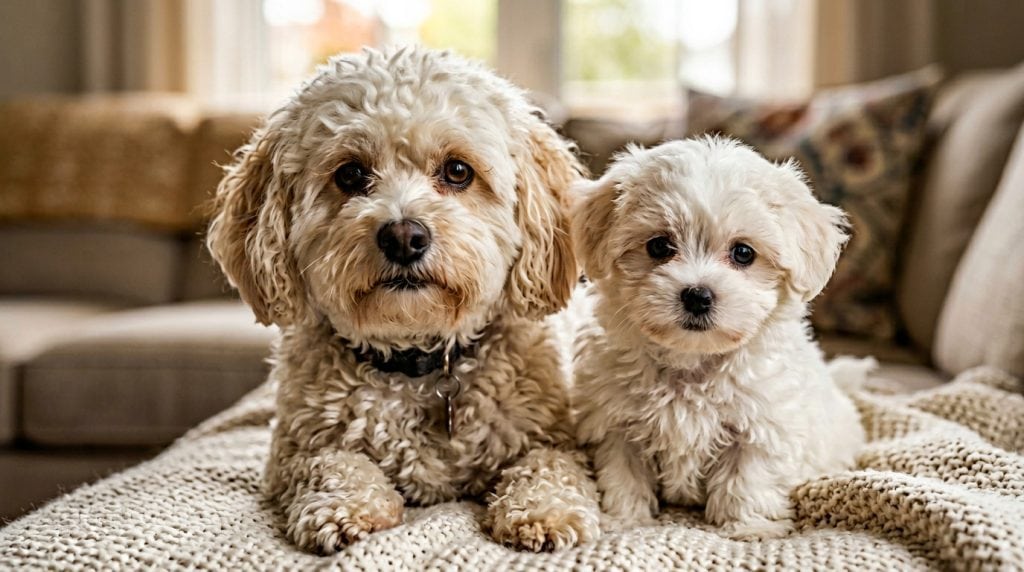
Living with a Zuchon often feels like having a cheerful companion who thrives on interaction. Their expressive eyes and affectionate nature make them a delightful presence in any home. Owners frequently notice their Zuchon's eagerness to be involved in family activities, whether it's a walk in the park or a cosy evening on the couch.
At a glance
Core care
- Size: Small
- Energy: Moderate
- Grooming: Low
- Shedding: Low
Support style
- Sensitivity: High
- Training style: Willing
Breed guide
Choose a section to explore. These notes describe common patterns, but individual dogs vary widely.
The Zuchon, a charming blend of the Shih Tzu and Bichon Frise, brings together the affectionate nature of both parent breeds. Originally bred to be a companion, this mixed breed has inherited the best of both worlds, making it a delightful family dog. The Zuchon’s history as a companion dog is evident in its modern-day personality, where it continues to thrive in environments where it can be close to its human family.
Physically, the Zuchon is a small dog, typically weighing between 4 to 9 kilograms, with a sturdy build. Their size makes them suitable for various living situations, from apartments to larger homes. The Zuchon’s coat is often fluffy and soft, requiring regular grooming to keep it looking its best. Despite their high grooming needs, they are low shedders, which can be a relief for those concerned about pet hair around the house.
In terms of temperament, Zuchons are known for their friendly and social nature. They tend to form strong bonds with their families and enjoy being part of the daily routine. Owners often find that their Zuchon is eager to please, which can make training a rewarding experience. However, their high sensitivity means they respond best to gentle guidance and positive reinforcement.
While the Zuchon generally embodies the traits of its parent breeds, individual dogs can vary significantly. Factors such as early socialisation, training, and environment play crucial roles in shaping their behaviour. Potential owners should be prepared for a dog that thrives on companionship and may require a bit more grooming and attention than some other breeds. Understanding these nuances can help ensure a harmonious relationship with this delightful mixed breed.
Zuchons are often described as social butterflies, eager to engage with both their family and strangers alike. This breed tends to thrive in environments where they can be part of the action, often following their owners from room to room. Their social nature stems from their history as companion dogs, which means they are generally happiest when they are not left alone for long periods.
The Zuchon’s high sensitivity is something owners frequently notice. They are attuned to the emotions of their human companions, often offering comfort when someone is feeling down. This sensitivity also means they can be quite responsive to their environment, reacting to changes or new experiences with curiosity or caution, depending on their individual personality.
Trainability in Zuchons is generally high, thanks to their willingness to please and their intelligent nature. Positive reinforcement techniques tend to work best, as they respond well to praise and treats. Owners often find that their Zuchon picks up new commands quickly, although consistency is key to reinforcing good behaviour.
Despite their generally sociable and trainable nature, each Zuchon is an individual. Some may be more reserved or independent, while others might be more outgoing and playful. Early socialisation and training can help bring out the best in this breed, but it’s important to remember that patience and understanding go a long way in nurturing their unique personalities.
A typical day for a Zuchon involves moderate exercise, which suits their energy levels perfectly. A couple of short walks combined with some playtime in the garden or living room usually suffice to keep them content. While they enjoy being active, they do not require the extensive exercise some larger breeds need, making them a good fit for less active households.
Mental enrichment is equally important for the Zuchon, given their intelligent and curious nature. Puzzle toys, interactive games, and basic training sessions can help keep their minds engaged. Owners often find that these activities not only provide mental stimulation but also strengthen the bond between them and their dog.
As with any breed, exercise needs can vary with age. Puppies and young Zuchons may have bursts of energy and enjoy more playtime, while older dogs might prefer a more relaxed pace. Adjusting the exercise routine to match the dog’s life stage is important to ensure they remain healthy and happy.
It’s also crucial to avoid over-exercising, especially in hot weather, as their small size can make them more susceptible to overheating. Paying attention to their cues and providing plenty of water and rest during and after play can help manage their exercise needs effectively. Understanding these nuances helps owners create a balanced routine that caters to their Zuchon’s physical and mental well-being.
Training a Zuchon can often feel like a rewarding experience, thanks to their eager-to-please nature. Many owners find that their Zuchon quickly picks up on basic commands and enjoys the process of learning new tricks. This willingness to learn makes training sessions enjoyable for both the dog and the owner.
Positive reinforcement is key when training a Zuchon, as they respond well to praise and treats. Gentle guidance and consistency help reinforce good behaviour, while harsh methods can be counterproductive given their sensitive nature. Building a strong relationship based on trust and understanding is crucial for effective training.
Adolescence can bring about some challenges, as with any breed. During this stage, Zuchons may test boundaries and exhibit more independent behaviour. Patience and persistence are important, as is maintaining a consistent training routine. Owners often find that continuing training throughout this period helps reinforce good habits and manage any behavioural quirks.
Ultimately, training a Zuchon is about understanding their unique personality and adapting techniques to suit their individual needs. While they are generally trainable and responsive, each dog is different. By focusing on building a positive relationship and using consistent, gentle methods, owners can help their Zuchon develop into a well-behaved and happy companion.
Zuchons tend to fit well into a variety of home environments, thanks to their adaptable nature. Their small size makes them suitable for apartment living, although they are equally at home in larger houses with gardens. What matters most to a Zuchon is being close to their human family, as they thrive on companionship and interaction.
Many owners find that Zuchons get along well with children, provided they are introduced and socialised properly. Their gentle and friendly nature makes them a good match for families, although supervision is always recommended with young children to ensure positive interactions. Zuchons can also coexist peacefully with other pets, especially if they are raised together from a young age.
While they are adaptable, Zuchons do best in homes where they are not left alone for long periods. Their social nature means they can experience separation anxiety if left without companionship. Owners often find that having someone at home during the day or arranging for a pet sitter can help alleviate this issue.
Ultimately, the Zuchon is a versatile breed that can fit into various lifestyles, provided their need for companionship and grooming is met. Potential owners should consider their ability to provide the time and attention a Zuchon requires to ensure a harmonious living arrangement.
A Zuchon’s health is closely tied to their overall wellbeing and quality of life. Regular veterinary check-ups and preventive care are crucial to maintaining their health. While they are generally healthy, like all breeds, they can be prone to certain health issues that owners should be aware of.
Common health concerns in Zuchons include dental issues, due to their small mouths, and potential eye problems inherited from their parent breeds. Regular dental care, including brushing and professional cleanings, can help prevent dental disease. Monitoring their eyes for any signs of irritation or infection is also important.
Preventive care plays a significant role in a Zuchon’s health. Ensuring they have a balanced diet, regular exercise, and up-to-date vaccinations helps support their overall health. Owners often find that maintaining a consistent routine and being attentive to any changes in behaviour or appetite can help catch potential health issues early.
When it comes to health, it’s important to remember that each Zuchon is an individual. While they may be predisposed to certain conditions, not every dog will experience them. Regular veterinary care and a proactive approach to health management can help ensure that a Zuchon lives a long, healthy life.
The Zuchon, also known as a Shichon or Teddy Bear dog, is a relatively recent addition to the canine world, emerging as a popular designer breed. This delightful mix combines the best traits of the Shih Tzu and Bichon Frise, both breeds known for their companionship qualities. The goal was to create a small, affectionate dog with a hypoallergenic coat, suitable for families and individuals alike.
The Shih Tzu, one of the Zuchon’s parent breeds, has a long history as a companion dog, with roots tracing back to ancient China. Bred to be lap dogs for royalty, Shih Tzus are known for their friendly and outgoing nature. The Bichon Frise, on the other hand, hails from the Mediterranean and was popular among sailors and nobility alike for their cheerful disposition and hypoallergenic coat.
Combining these two breeds has resulted in the Zuchon, a dog that embodies the best of both worlds. Their history as companion animals is evident in their modern-day behaviour, where they continue to thrive in roles that allow them to be close to their human families. This background helps explain their affectionate nature and their tendency to form strong bonds with their owners.
Understanding the Zuchon’s origins provides insight into their modern traits and behaviours. Their history as a designer breed aimed at companionship means they are well-suited to life as a family pet, bringing joy and affection to households around the world. While they may not have a long historical lineage, their purpose and personality make them a beloved choice for many dog lovers today.
What shapes individual dogs
- Early social experiences
- Training approach
- Environment & routine
- Genetics & breeding
- Health & pain
- Age / life stage
The Zuchon, a charming blend of the Shih Tzu and Bichon Frise, brings together the affectionate nature of both parent breeds. Originally bred to be a companion, this mixed breed has inherited the best of both worlds, making it a delightful family dog. The Zuchon’s history as a companion dog is evident in its modern-day personality, where it continues to thrive in environments where it can be close to its human family.
Physically, the Zuchon is a small dog, typically weighing between 4 to 9 kilograms, with a sturdy build. Their size makes them suitable for various living situations, from apartments to larger homes. The Zuchon’s coat is often fluffy and soft, requiring regular grooming to keep it looking its best. Despite their high grooming needs, they are low shedders, which can be a relief for those concerned about pet hair around the house.
In terms of temperament, Zuchons are known for their friendly and social nature. They tend to form strong bonds with their families and enjoy being part of the daily routine. Owners often find that their Zuchon is eager to please, which can make training a rewarding experience. However, their high sensitivity means they respond best to gentle guidance and positive reinforcement.
While the Zuchon generally embodies the traits of its parent breeds, individual dogs can vary significantly. Factors such as early socialisation, training, and environment play crucial roles in shaping their behaviour. Potential owners should be prepared for a dog that thrives on companionship and may require a bit more grooming and attention than some other breeds. Understanding these nuances can help ensure a harmonious relationship with this delightful mixed breed.
Zuchons are often described as social butterflies, eager to engage with both their family and strangers alike. This breed tends to thrive in environments where they can be part of the action, often following their owners from room to room. Their social nature stems from their history as companion dogs, which means they are generally happiest when they are not left alone for long periods.
The Zuchon’s high sensitivity is something owners frequently notice. They are attuned to the emotions of their human companions, often offering comfort when someone is feeling down. This sensitivity also means they can be quite responsive to their environment, reacting to changes or new experiences with curiosity or caution, depending on their individual personality.
Trainability in Zuchons is generally high, thanks to their willingness to please and their intelligent nature. Positive reinforcement techniques tend to work best, as they respond well to praise and treats. Owners often find that their Zuchon picks up new commands quickly, although consistency is key to reinforcing good behaviour.
Despite their generally sociable and trainable nature, each Zuchon is an individual. Some may be more reserved or independent, while others might be more outgoing and playful. Early socialisation and training can help bring out the best in this breed, but it’s important to remember that patience and understanding go a long way in nurturing their unique personalities.
A typical day for a Zuchon involves moderate exercise, which suits their energy levels perfectly. A couple of short walks combined with some playtime in the garden or living room usually suffice to keep them content. While they enjoy being active, they do not require the extensive exercise some larger breeds need, making them a good fit for less active households.
Mental enrichment is equally important for the Zuchon, given their intelligent and curious nature. Puzzle toys, interactive games, and basic training sessions can help keep their minds engaged. Owners often find that these activities not only provide mental stimulation but also strengthen the bond between them and their dog.
As with any breed, exercise needs can vary with age. Puppies and young Zuchons may have bursts of energy and enjoy more playtime, while older dogs might prefer a more relaxed pace. Adjusting the exercise routine to match the dog’s life stage is important to ensure they remain healthy and happy.
It’s also crucial to avoid over-exercising, especially in hot weather, as their small size can make them more susceptible to overheating. Paying attention to their cues and providing plenty of water and rest during and after play can help manage their exercise needs effectively. Understanding these nuances helps owners create a balanced routine that caters to their Zuchon’s physical and mental well-being.
Training a Zuchon can often feel like a rewarding experience, thanks to their eager-to-please nature. Many owners find that their Zuchon quickly picks up on basic commands and enjoys the process of learning new tricks. This willingness to learn makes training sessions enjoyable for both the dog and the owner.
Positive reinforcement is key when training a Zuchon, as they respond well to praise and treats. Gentle guidance and consistency help reinforce good behaviour, while harsh methods can be counterproductive given their sensitive nature. Building a strong relationship based on trust and understanding is crucial for effective training.
Adolescence can bring about some challenges, as with any breed. During this stage, Zuchons may test boundaries and exhibit more independent behaviour. Patience and persistence are important, as is maintaining a consistent training routine. Owners often find that continuing training throughout this period helps reinforce good habits and manage any behavioural quirks.
Ultimately, training a Zuchon is about understanding their unique personality and adapting techniques to suit their individual needs. While they are generally trainable and responsive, each dog is different. By focusing on building a positive relationship and using consistent, gentle methods, owners can help their Zuchon develop into a well-behaved and happy companion.
Zuchons tend to fit well into a variety of home environments, thanks to their adaptable nature. Their small size makes them suitable for apartment living, although they are equally at home in larger houses with gardens. What matters most to a Zuchon is being close to their human family, as they thrive on companionship and interaction.
Many owners find that Zuchons get along well with children, provided they are introduced and socialised properly. Their gentle and friendly nature makes them a good match for families, although supervision is always recommended with young children to ensure positive interactions. Zuchons can also coexist peacefully with other pets, especially if they are raised together from a young age.
While they are adaptable, Zuchons do best in homes where they are not left alone for long periods. Their social nature means they can experience separation anxiety if left without companionship. Owners often find that having someone at home during the day or arranging for a pet sitter can help alleviate this issue.
Ultimately, the Zuchon is a versatile breed that can fit into various lifestyles, provided their need for companionship and grooming is met. Potential owners should consider their ability to provide the time and attention a Zuchon requires to ensure a harmonious living arrangement.
A Zuchon’s health is closely tied to their overall wellbeing and quality of life. Regular veterinary check-ups and preventive care are crucial to maintaining their health. While they are generally healthy, like all breeds, they can be prone to certain health issues that owners should be aware of.
Common health concerns in Zuchons include dental issues, due to their small mouths, and potential eye problems inherited from their parent breeds. Regular dental care, including brushing and professional cleanings, can help prevent dental disease. Monitoring their eyes for any signs of irritation or infection is also important.
Preventive care plays a significant role in a Zuchon’s health. Ensuring they have a balanced diet, regular exercise, and up-to-date vaccinations helps support their overall health. Owners often find that maintaining a consistent routine and being attentive to any changes in behaviour or appetite can help catch potential health issues early.
When it comes to health, it’s important to remember that each Zuchon is an individual. While they may be predisposed to certain conditions, not every dog will experience them. Regular veterinary care and a proactive approach to health management can help ensure that a Zuchon lives a long, healthy life.
The Zuchon, also known as a Shichon or Teddy Bear dog, is a relatively recent addition to the canine world, emerging as a popular designer breed. This delightful mix combines the best traits of the Shih Tzu and Bichon Frise, both breeds known for their companionship qualities. The goal was to create a small, affectionate dog with a hypoallergenic coat, suitable for families and individuals alike.
The Shih Tzu, one of the Zuchon’s parent breeds, has a long history as a companion dog, with roots tracing back to ancient China. Bred to be lap dogs for royalty, Shih Tzus are known for their friendly and outgoing nature. The Bichon Frise, on the other hand, hails from the Mediterranean and was popular among sailors and nobility alike for their cheerful disposition and hypoallergenic coat.
Combining these two breeds has resulted in the Zuchon, a dog that embodies the best of both worlds. Their history as companion animals is evident in their modern-day behaviour, where they continue to thrive in roles that allow them to be close to their human families. This background helps explain their affectionate nature and their tendency to form strong bonds with their owners.
Understanding the Zuchon’s origins provides insight into their modern traits and behaviours. Their history as a designer breed aimed at companionship means they are well-suited to life as a family pet, bringing joy and affection to households around the world. While they may not have a long historical lineage, their purpose and personality make them a beloved choice for many dog lovers today.
What shapes individual dogs
- Early social experiences
- Training approach
- Environment & routine
- Genetics & breeding
- Health & pain
- Age / life stage
Want support with this?
This course is ideal for Zuchon owners looking to navigate the early stages of puppyhood with confidence and calm.