
Pugador
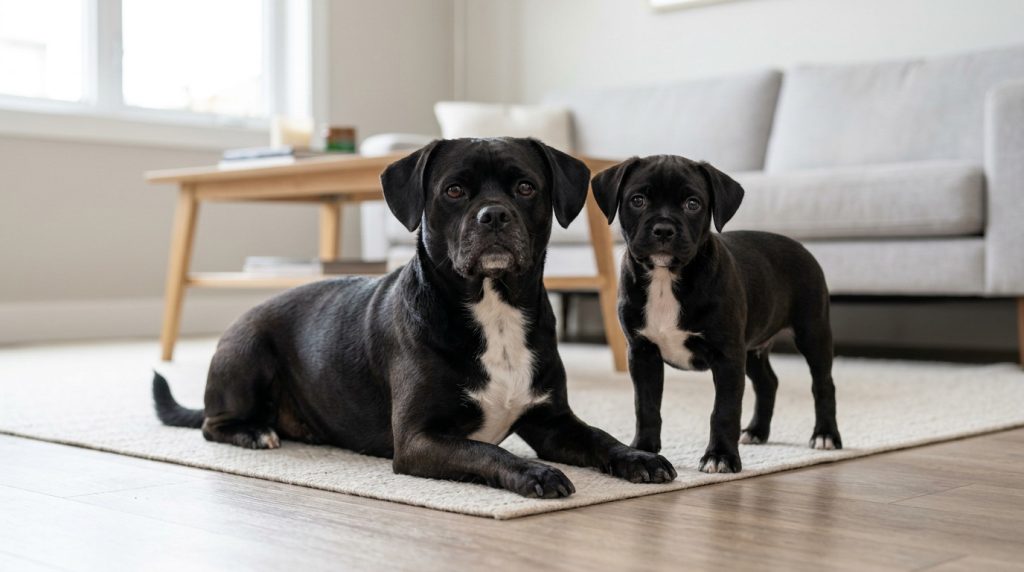
Living with a Pugador often means having a companion that is both energetic and eager to please. They tend to balance their lively nature with a willingness to learn, making them engaging pets. Many owners appreciate their adaptability, as they can thrive in various home environments while maintaining a friendly disposition.
At a glance
Core care
- Size: Medium
- Energy: Moderate to high
- Grooming: Low
- Shedding: Moderate
Support style
- Sensitivity: Moderate
- Training style: Willing
Breed guide
Choose a section to explore. These notes describe common patterns, but individual dogs vary widely.
The Pugador, a mix of the Labrador Retriever and Pug, brings together the best of both breeds, creating a dog that is both playful and affectionate. The Labrador’s history as a working gundog and the Pug’s origins as a companion dog blend to form a breed that is both energetic and eager to bond with its family. This combination often results in a dog that enjoys being involved in family activities and is always ready for a new adventure.
Physically, the Pugador tends to be a medium-sized dog, inheriting the muscular build of the Labrador and the compact form of the Pug. This mix can result in a sturdy dog that is well-suited for various activities, from a game of fetch in the garden to a leisurely walk in the park. Their moderate shedding and low grooming needs make them relatively easy to care for, which many owners find convenient.
In terms of temperament, Pugadors are often described as friendly and sociable. They tend to enjoy the company of people and other animals, making them a good fit for families with children or other pets. Their moderate sensitivity means they are generally responsive to their environment, though they may require gentle guidance to manage their enthusiasm. Owners often notice their Pugador’s willingness to learn and participate in training, which can be a rewarding experience.
While Pugadors typically exhibit these traits, it’s important to remember that individual dogs may vary. Factors such as genetics, early socialisation, and training all play a role in shaping a dog’s personality. Prospective owners should be prepared for some variation and be willing to adapt to the unique needs of their Pugador.
Pugadors often display a social nature that makes them delightful companions. They tend to enjoy being around people and are usually eager to join in on family activities. This social inclination is likely influenced by their mixed heritage, combining the Labrador’s friendly disposition with the Pug’s affectionate nature. Owners frequently notice their Pugador’s enthusiasm for spending time with family members and participating in daily routines.
Their moderate sensitivity means that Pugadors can be quite attuned to their environment and the emotions of those around them. This sensitivity often manifests in a desire to please, making them responsive to training and guidance. Many owners find that their Pugador quickly picks up on cues and commands, which can make training sessions enjoyable and productive.
Pugadors are generally willing learners, which reflects their trainability. This willingness can be seen in their eagerness to engage in activities and learn new things. However, their energy levels can sometimes lead to moments of exuberance, so consistent training and positive reinforcement are key to helping them develop good manners and impulse control.
While Pugadors tend to be friendly and adaptable, individual dogs may vary in their temperament and behaviour. Some may be more reserved or independent, while others might be particularly outgoing. Understanding that each Pugador is unique can help owners approach training and socialisation with patience and flexibility, ensuring a harmonious relationship with their dog.
A typical day for a Pugador often includes a healthy mix of physical activity and mental stimulation. Given their moderate to high energy levels, they usually benefit from regular walks, play sessions, and opportunities to explore their surroundings. Many owners find that a combination of outdoor adventures and indoor games keeps their Pugador happy and well-balanced.
Physical exercise is essential for Pugadors, as it helps them burn off energy and maintain a healthy weight. Activities like fetch, agility courses, or even a simple walk can provide the physical outlet they need. It’s important to tailor the intensity and duration of exercise to the individual dog’s age and fitness level, as younger Pugadors may require more vigorous activity compared to their senior counterparts.
Mental enrichment is equally important for this breed, as it helps keep their minds engaged and prevents boredom. Puzzle toys, interactive games, and training sessions can all contribute to their mental well-being. Owners often notice that their Pugador thrives when given the chance to solve problems and learn new skills, which can be both rewarding and entertaining for both dog and owner.
As Pugadors age, their exercise needs may change, requiring adjustments to their routine. While they might slow down a bit, they still appreciate regular activity and mental challenges. Understanding these changing needs and adapting accordingly can help ensure that a Pugador remains healthy and content throughout their life.
Training a Pugador often feels like a rewarding experience due to their willingness to learn and engage. Many owners find that their Pugador responds well to positive reinforcement techniques, which encourage good behaviour through rewards and praise. This approach tends to work well with their eager-to-please nature, making training sessions enjoyable for both dog and owner.
Impulse control can be an area where Pugadors may need some guidance, particularly during adolescence. Their energetic nature might lead to moments of excitement, but with consistent training and patience, they can learn to manage their impulses. Owners often find that setting clear boundaries and maintaining a routine helps their Pugador understand expectations and develop good habits.
The adolescent phase can present some challenges, as Pugadors, like many breeds, may test limits and explore their independence. However, with a strong foundation of training and a consistent approach, these challenges can be navigated successfully. Building a positive relationship based on trust and understanding is crucial during this time, as it helps reinforce desired behaviours and strengthens the bond between dog and owner.
Overall, training a Pugador can be a fulfilling journey, as their trainability and eagerness to learn often lead to positive outcomes. While each dog is unique and may require different approaches, the key is to remain patient, consistent, and encouraging throughout the process. This supportive environment helps Pugadors thrive and reach their full potential as well-mannered companions.
Pugadors tend to adapt well to a variety of home environments, making them a versatile choice for many families. Their medium size and moderate energy levels mean they can thrive in both urban and rural settings, as long as they receive adequate exercise and companionship. Many owners find that their Pugador’s adaptable nature allows them to fit seamlessly into different lifestyles.
In homes with children, Pugadors often prove to be gentle and playful companions. Their friendly disposition and eagerness to join in on family activities can make them a wonderful addition to households with kids. However, it’s important to supervise interactions between dogs and young children to ensure a safe and positive experience for everyone involved.
Pugadors can also coexist well with other pets, especially if they are introduced and socialised from a young age. Their sociable nature often means they enjoy the company of other animals, although individual personalities can vary. Owners who already have pets may find that a Pugador integrates smoothly into their existing pack, provided introductions are handled thoughtfully.
While Pugadors generally adapt well to different living situations, it’s crucial for potential owners to consider their own lifestyle and how it aligns with the breed’s needs. Understanding that each Pugador is unique and may have specific preferences can help ensure a harmonious fit between dog and family, leading to a fulfilling and enjoyable companionship.
A Pugador’s health is closely tied to their overall wellbeing, influencing their behaviour and quality of life. Regular veterinary check-ups and preventive care are essential to maintaining their health and catching any potential issues early. Many owners find that staying proactive about their Pugador’s health helps ensure they remain active and happy.
Some health considerations for Pugadors may include joint issues, which can be common due to their Labrador heritage. Maintaining a healthy weight through proper diet and exercise can help mitigate these concerns. Additionally, regular monitoring for signs of discomfort or mobility changes can prompt timely veterinary advice.
Pugadors may also be prone to certain respiratory issues, particularly if they inherit the Pug’s shorter snout. Owners should be mindful of their Pugador’s breathing, especially during exercise or in hot weather, and seek veterinary guidance if any concerns arise. Ensuring a comfortable environment with adequate ventilation can also support their respiratory health.
Understanding the potential health challenges and taking preventive measures can help owners provide the best care for their Pugador. By staying informed and attentive, they can address any health concerns promptly and maintain a high quality of life for their furry companion.
The Pugador is a relatively recent addition to the world of mixed breeds, combining the traits of the Labrador Retriever and the Pug. The Labrador’s origins as a working gundog in Newfoundland and the Pug’s history as a companion dog in China contribute to the unique characteristics of the Pugador. This blend of backgrounds results in a dog that is both energetic and affectionate, reflecting the best of both parent breeds.
Labrador Retrievers were originally bred to retrieve game for hunters, a role that required intelligence, endurance, and a cooperative nature. These traits have been passed down to the Pugador, making them eager to learn and engage in activities with their owners. The Pug, on the other hand, was bred to be a companion for Chinese royalty, known for their charming and sociable nature. This influence can be seen in the Pugador’s friendly and people-oriented disposition.
The development of the Pugador as a mixed breed likely began with the aim of combining the desirable traits of both parent breeds. This intentional blending has resulted in a dog that is adaptable, friendly, and well-suited for family life. Pugadors often inherit the Labrador’s love for activity and the Pug’s love for companionship, making them versatile companions.
Understanding the Pugador’s origins helps explain their modern traits and behaviour. Their history as a mix of two distinct breeds contributes to their unique blend of energy, trainability, and sociability. While each Pugador is an individual, their heritage provides a foundation for the characteristics that many owners find appealing in this delightful mixed breed.
What shapes individual dogs
- Early social experiences
- Training approach
- Environment & routine
- Genetics & breeding
- Health & pain
- Age / life stage
The Pugador, a mix of the Labrador Retriever and Pug, brings together the best of both breeds, creating a dog that is both playful and affectionate. The Labrador’s history as a working gundog and the Pug’s origins as a companion dog blend to form a breed that is both energetic and eager to bond with its family. This combination often results in a dog that enjoys being involved in family activities and is always ready for a new adventure.
Physically, the Pugador tends to be a medium-sized dog, inheriting the muscular build of the Labrador and the compact form of the Pug. This mix can result in a sturdy dog that is well-suited for various activities, from a game of fetch in the garden to a leisurely walk in the park. Their moderate shedding and low grooming needs make them relatively easy to care for, which many owners find convenient.
In terms of temperament, Pugadors are often described as friendly and sociable. They tend to enjoy the company of people and other animals, making them a good fit for families with children or other pets. Their moderate sensitivity means they are generally responsive to their environment, though they may require gentle guidance to manage their enthusiasm. Owners often notice their Pugador’s willingness to learn and participate in training, which can be a rewarding experience.
While Pugadors typically exhibit these traits, it’s important to remember that individual dogs may vary. Factors such as genetics, early socialisation, and training all play a role in shaping a dog’s personality. Prospective owners should be prepared for some variation and be willing to adapt to the unique needs of their Pugador.
Pugadors often display a social nature that makes them delightful companions. They tend to enjoy being around people and are usually eager to join in on family activities. This social inclination is likely influenced by their mixed heritage, combining the Labrador’s friendly disposition with the Pug’s affectionate nature. Owners frequently notice their Pugador’s enthusiasm for spending time with family members and participating in daily routines.
Their moderate sensitivity means that Pugadors can be quite attuned to their environment and the emotions of those around them. This sensitivity often manifests in a desire to please, making them responsive to training and guidance. Many owners find that their Pugador quickly picks up on cues and commands, which can make training sessions enjoyable and productive.
Pugadors are generally willing learners, which reflects their trainability. This willingness can be seen in their eagerness to engage in activities and learn new things. However, their energy levels can sometimes lead to moments of exuberance, so consistent training and positive reinforcement are key to helping them develop good manners and impulse control.
While Pugadors tend to be friendly and adaptable, individual dogs may vary in their temperament and behaviour. Some may be more reserved or independent, while others might be particularly outgoing. Understanding that each Pugador is unique can help owners approach training and socialisation with patience and flexibility, ensuring a harmonious relationship with their dog.
A typical day for a Pugador often includes a healthy mix of physical activity and mental stimulation. Given their moderate to high energy levels, they usually benefit from regular walks, play sessions, and opportunities to explore their surroundings. Many owners find that a combination of outdoor adventures and indoor games keeps their Pugador happy and well-balanced.
Physical exercise is essential for Pugadors, as it helps them burn off energy and maintain a healthy weight. Activities like fetch, agility courses, or even a simple walk can provide the physical outlet they need. It’s important to tailor the intensity and duration of exercise to the individual dog’s age and fitness level, as younger Pugadors may require more vigorous activity compared to their senior counterparts.
Mental enrichment is equally important for this breed, as it helps keep their minds engaged and prevents boredom. Puzzle toys, interactive games, and training sessions can all contribute to their mental well-being. Owners often notice that their Pugador thrives when given the chance to solve problems and learn new skills, which can be both rewarding and entertaining for both dog and owner.
As Pugadors age, their exercise needs may change, requiring adjustments to their routine. While they might slow down a bit, they still appreciate regular activity and mental challenges. Understanding these changing needs and adapting accordingly can help ensure that a Pugador remains healthy and content throughout their life.
Training a Pugador often feels like a rewarding experience due to their willingness to learn and engage. Many owners find that their Pugador responds well to positive reinforcement techniques, which encourage good behaviour through rewards and praise. This approach tends to work well with their eager-to-please nature, making training sessions enjoyable for both dog and owner.
Impulse control can be an area where Pugadors may need some guidance, particularly during adolescence. Their energetic nature might lead to moments of excitement, but with consistent training and patience, they can learn to manage their impulses. Owners often find that setting clear boundaries and maintaining a routine helps their Pugador understand expectations and develop good habits.
The adolescent phase can present some challenges, as Pugadors, like many breeds, may test limits and explore their independence. However, with a strong foundation of training and a consistent approach, these challenges can be navigated successfully. Building a positive relationship based on trust and understanding is crucial during this time, as it helps reinforce desired behaviours and strengthens the bond between dog and owner.
Overall, training a Pugador can be a fulfilling journey, as their trainability and eagerness to learn often lead to positive outcomes. While each dog is unique and may require different approaches, the key is to remain patient, consistent, and encouraging throughout the process. This supportive environment helps Pugadors thrive and reach their full potential as well-mannered companions.
Pugadors tend to adapt well to a variety of home environments, making them a versatile choice for many families. Their medium size and moderate energy levels mean they can thrive in both urban and rural settings, as long as they receive adequate exercise and companionship. Many owners find that their Pugador’s adaptable nature allows them to fit seamlessly into different lifestyles.
In homes with children, Pugadors often prove to be gentle and playful companions. Their friendly disposition and eagerness to join in on family activities can make them a wonderful addition to households with kids. However, it’s important to supervise interactions between dogs and young children to ensure a safe and positive experience for everyone involved.
Pugadors can also coexist well with other pets, especially if they are introduced and socialised from a young age. Their sociable nature often means they enjoy the company of other animals, although individual personalities can vary. Owners who already have pets may find that a Pugador integrates smoothly into their existing pack, provided introductions are handled thoughtfully.
While Pugadors generally adapt well to different living situations, it’s crucial for potential owners to consider their own lifestyle and how it aligns with the breed’s needs. Understanding that each Pugador is unique and may have specific preferences can help ensure a harmonious fit between dog and family, leading to a fulfilling and enjoyable companionship.
A Pugador’s health is closely tied to their overall wellbeing, influencing their behaviour and quality of life. Regular veterinary check-ups and preventive care are essential to maintaining their health and catching any potential issues early. Many owners find that staying proactive about their Pugador’s health helps ensure they remain active and happy.
Some health considerations for Pugadors may include joint issues, which can be common due to their Labrador heritage. Maintaining a healthy weight through proper diet and exercise can help mitigate these concerns. Additionally, regular monitoring for signs of discomfort or mobility changes can prompt timely veterinary advice.
Pugadors may also be prone to certain respiratory issues, particularly if they inherit the Pug’s shorter snout. Owners should be mindful of their Pugador’s breathing, especially during exercise or in hot weather, and seek veterinary guidance if any concerns arise. Ensuring a comfortable environment with adequate ventilation can also support their respiratory health.
Understanding the potential health challenges and taking preventive measures can help owners provide the best care for their Pugador. By staying informed and attentive, they can address any health concerns promptly and maintain a high quality of life for their furry companion.
The Pugador is a relatively recent addition to the world of mixed breeds, combining the traits of the Labrador Retriever and the Pug. The Labrador’s origins as a working gundog in Newfoundland and the Pug’s history as a companion dog in China contribute to the unique characteristics of the Pugador. This blend of backgrounds results in a dog that is both energetic and affectionate, reflecting the best of both parent breeds.
Labrador Retrievers were originally bred to retrieve game for hunters, a role that required intelligence, endurance, and a cooperative nature. These traits have been passed down to the Pugador, making them eager to learn and engage in activities with their owners. The Pug, on the other hand, was bred to be a companion for Chinese royalty, known for their charming and sociable nature. This influence can be seen in the Pugador’s friendly and people-oriented disposition.
The development of the Pugador as a mixed breed likely began with the aim of combining the desirable traits of both parent breeds. This intentional blending has resulted in a dog that is adaptable, friendly, and well-suited for family life. Pugadors often inherit the Labrador’s love for activity and the Pug’s love for companionship, making them versatile companions.
Understanding the Pugador’s origins helps explain their modern traits and behaviour. Their history as a mix of two distinct breeds contributes to their unique blend of energy, trainability, and sociability. While each Pugador is an individual, their heritage provides a foundation for the characteristics that many owners find appealing in this delightful mixed breed.
What shapes individual dogs
- Early social experiences
- Training approach
- Environment & routine
- Genetics & breeding
- Health & pain
- Age / life stage
Want support with this?
This course is relevant for Pugador owners as it provides guidance on establishing a calm and positive foundation during their dog's early development.