
Poodle Pointer
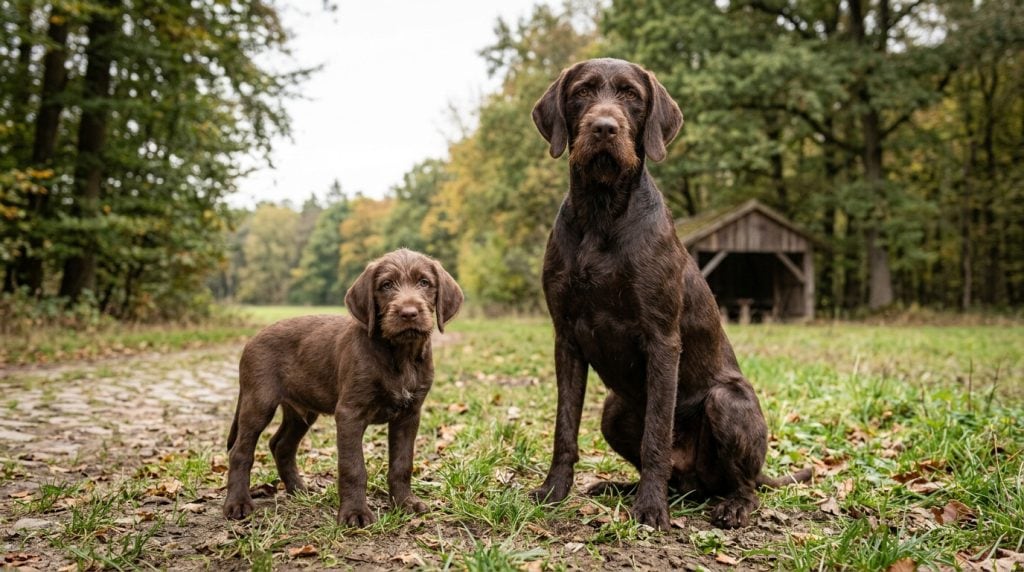
Living with a Poodle Pointer often means sharing your space with a dog that is both energetic and affectionate. These dogs are known for their keen intelligence and willingness to please, which can make them engaging companions for active families. Their background as gundogs often shows in their love for outdoor activities and their strong bond with their human companions.
At a glance
Core care
- Size: Large
- Energy: High
- Grooming: Low
- Shedding: Moderate
Support style
- Sensitivity: Moderate
- Training style: Willing
Breed guide
Choose a section to explore. These notes describe common patterns, but individual dogs vary widely.
The Poodle Pointer is a breed that seamlessly blends the traits of its parent breeds, the Poodle and the Pointer, both of which were developed for hunting. This heritage is evident in the Poodle Pointer’s keen sense of smell and love for the outdoors. These dogs were bred to be versatile hunting companions, and today, they carry those instincts into their roles as family pets. Owners often find that their Poodle Pointers are happiest when they have a job to do, whether that’s retrieving a ball or accompanying their humans on a hike.
Physically, the Poodle Pointer is a large and athletic dog, built for endurance and agility. This means they thrive in environments where they can move freely and engage in physical activities. Their wiry coat, a trait inherited from the Poodle, offers protection in various weather conditions, making them well-suited for outdoor adventures. However, this coat also requires regular grooming to keep it in good condition and to manage moderate shedding.
In terms of temperament, Poodle Pointers are known for their friendly and eager-to-please nature. They tend to form strong bonds with their families and enjoy being involved in daily activities. Their moderate sensitivity means they respond well to positive reinforcement and gentle guidance. While they are generally good-natured, individual dogs may vary in their social preferences and energy levels, with some being more reserved than others.
Prospective owners should be prepared for a dog that thrives on interaction and activity. While Poodle Pointers are generally adaptable, they do best in homes where they can participate in regular exercise and mental stimulation. It’s important to remember that each dog is an individual, and factors like upbringing and environment play significant roles in shaping their behaviour.
Poodle Pointers are often described as sociable and eager to engage with their families. This social nature is rooted in their history as working dogs, where cooperation with humans was essential. Owners frequently notice that their Poodle Pointers are happiest when they are part of the action, whether that means joining in on a family outing or simply being nearby during household activities.
Their willingness to please makes them relatively easy to train, as they are keen to understand and meet their owner’s expectations. This trait, combined with their intelligence, means they often pick up new commands quickly. However, their moderate sensitivity means they respond best to positive reinforcement and consistent, gentle training methods. Harsh corrections can be counterproductive, leading to confusion or anxiety.
In everyday life, Poodle Pointers often display a balance of independence and affection. While they enjoy companionship, they can also entertain themselves if given the right outlets for their energy. Many owners find that their Poodle Pointers are content to relax at home after a good session of exercise or play, demonstrating their adaptable nature.
It’s important to note that, like all breeds, individual Poodle Pointers can vary in temperament. Some may be more reserved or independent, while others might be particularly outgoing or clingy. Understanding and appreciating these individual differences is key to a successful relationship with your Poodle Pointer.
A typical day for a Poodle Pointer involves plenty of physical activity, reflecting their high energy levels. These dogs thrive on long walks, runs, and play sessions, which help to burn off their abundant energy. Owners often find that incorporating variety into their exercise routine, such as hiking or agility training, keeps their Poodle Pointer engaged and happy.
In addition to physical exercise, mental enrichment is crucial for this intelligent breed. Puzzle toys, scent games, and training sessions can provide the mental stimulation they crave. These activities not only keep them entertained but also help to prevent boredom-related behaviours. Owners might notice that their Poodle Pointer is more relaxed and content after a good mix of physical and mental activities.
As they age, the exercise needs of a Poodle Pointer may change. While puppies and young adults require plenty of activity to channel their youthful energy, older dogs might appreciate shorter, more leisurely walks. Regardless of age, regular exercise is important to maintain their physical health and mental well-being.
It’s worth noting that while Poodle Pointers enjoy being active, they also need time to rest and recover. Over-exercising, especially in hot weather, should be avoided to prevent exhaustion. A balanced routine that includes both activity and downtime will help ensure a happy and healthy Poodle Pointer.
Training a Poodle Pointer can be a rewarding experience, often characterised by their eagerness to learn and please. Owners typically find that these dogs respond well to positive reinforcement techniques, such as treats and praise, which help to build a strong bond and encourage good behaviour.
Consistency is key when training a Poodle Pointer, as their intelligence means they quickly pick up on patterns and expectations. Establishing a routine and clear communication helps them understand what is expected, making training sessions more effective. Owners often notice that their Poodle Pointers thrive in environments where they feel secure and understood.
During adolescence, Poodle Pointers may test boundaries as they explore their independence. This is a natural part of their development, and patience is important. Continuing with consistent training and maintaining a positive approach can help guide them through this phase. Many owners find that enrolling in a training class during this time provides additional support and socialisation opportunities.
Building a strong relationship based on trust and mutual respect is crucial for successful training. Poodle Pointers are sensitive to their owner’s emotions and respond best to a calm and encouraging approach. Understanding their needs and providing appropriate guidance helps foster a well-behaved and confident companion.
Poodle Pointers tend to thrive in homes where they have access to outdoor space and plenty of opportunities for exercise. Their high energy levels mean they are well-suited to active families who enjoy spending time outdoors. Many owners find that their Poodle Pointers are happiest when they can participate in activities like hiking, running, or playing fetch.
While they adapt well to various living situations, including suburban and rural environments, they might find apartment living challenging unless they receive ample exercise and mental stimulation. A home with a secure garden can provide them with the space they need to explore and play safely.
Poodle Pointers are generally good with children and can form strong bonds with them, often enjoying playtime and companionship. However, as with any breed, interactions between dogs and young children should be supervised to ensure safety and respect on both sides. Their friendly nature also means they can get along well with other pets, especially if introduced properly.
Ultimately, the Poodle Pointer is a versatile breed that can fit into various lifestyles, provided their needs for exercise, mental stimulation, and companionship are met. Prospective owners should consider their ability to provide an active and engaging environment for this energetic and intelligent breed.
The overall health of a Poodle Pointer is closely linked to their everyday wellbeing, as a healthy dog is typically a happy and active one. Regular veterinary check-ups are important to monitor their health and catch any potential issues early. Preventive care, including vaccinations and parasite control, plays a crucial role in maintaining their health.
Poodle Pointers, like many breeds, can be prone to certain genetic health conditions. Hip dysplasia is one such concern, which can affect their mobility and comfort. Regular exercise and maintaining a healthy weight can help manage and prevent joint issues. Owners should be aware of any signs of discomfort or lameness and consult a vet if they arise.
Their active nature means they are generally fit, but it’s important to ensure they don’t overexert themselves, especially in hot weather. Providing plenty of water and shade during exercise can help prevent heat-related issues. Additionally, their ears should be checked regularly for signs of infection, as their floppy ears can trap moisture and debris.
Being proactive about their health, including regular grooming and dental care, can contribute to a long and healthy life. Understanding the specific health needs of a Poodle Pointer helps owners provide the best care and quickly address any health concerns that may arise.
The Poodle Pointer’s history is a fascinating blend of two distinct breeds, each with its own unique qualities. Developed in Germany in the late 19th century, the breed was created by crossing the Poodle and the Pointer, aiming to combine the Poodle’s intelligence and hypoallergenic coat with the Pointer’s hunting prowess and stamina. This resulted in a versatile gundog that excelled in both water and field work.
Originally bred for hunting, Poodle Pointers were valued for their ability to work closely with hunters, retrieving game from both land and water. Their keen sense of smell and strong retrieving instincts made them ideal companions for hunters seeking a reliable and adaptable dog. This working background is still evident in the breed’s modern-day traits, such as their love for outdoor activities and their eagerness to please.
Over the years, the Poodle Pointer has maintained its reputation as a skilled hunting dog, but it has also gained popularity as a family companion. Their friendly and intelligent nature makes them well-suited for a variety of roles, from hunting partners to loyal family pets. This versatility is a testament to the careful breeding practices that have preserved the best qualities of both parent breeds.
Today, Poodle Pointers are appreciated not only for their hunting abilities but also for their adaptability and companionship. Their history as a working breed continues to influence their behaviour and needs, making them a unique and engaging choice for those who appreciate an active and intelligent dog.
What shapes individual dogs
- Early social experiences
- Training approach
- Environment & routine
- Genetics & breeding
- Health & pain
- Age / life stage
The Poodle Pointer is a breed that seamlessly blends the traits of its parent breeds, the Poodle and the Pointer, both of which were developed for hunting. This heritage is evident in the Poodle Pointer’s keen sense of smell and love for the outdoors. These dogs were bred to be versatile hunting companions, and today, they carry those instincts into their roles as family pets. Owners often find that their Poodle Pointers are happiest when they have a job to do, whether that’s retrieving a ball or accompanying their humans on a hike.
Physically, the Poodle Pointer is a large and athletic dog, built for endurance and agility. This means they thrive in environments where they can move freely and engage in physical activities. Their wiry coat, a trait inherited from the Poodle, offers protection in various weather conditions, making them well-suited for outdoor adventures. However, this coat also requires regular grooming to keep it in good condition and to manage moderate shedding.
In terms of temperament, Poodle Pointers are known for their friendly and eager-to-please nature. They tend to form strong bonds with their families and enjoy being involved in daily activities. Their moderate sensitivity means they respond well to positive reinforcement and gentle guidance. While they are generally good-natured, individual dogs may vary in their social preferences and energy levels, with some being more reserved than others.
Prospective owners should be prepared for a dog that thrives on interaction and activity. While Poodle Pointers are generally adaptable, they do best in homes where they can participate in regular exercise and mental stimulation. It’s important to remember that each dog is an individual, and factors like upbringing and environment play significant roles in shaping their behaviour.
Poodle Pointers are often described as sociable and eager to engage with their families. This social nature is rooted in their history as working dogs, where cooperation with humans was essential. Owners frequently notice that their Poodle Pointers are happiest when they are part of the action, whether that means joining in on a family outing or simply being nearby during household activities.
Their willingness to please makes them relatively easy to train, as they are keen to understand and meet their owner’s expectations. This trait, combined with their intelligence, means they often pick up new commands quickly. However, their moderate sensitivity means they respond best to positive reinforcement and consistent, gentle training methods. Harsh corrections can be counterproductive, leading to confusion or anxiety.
In everyday life, Poodle Pointers often display a balance of independence and affection. While they enjoy companionship, they can also entertain themselves if given the right outlets for their energy. Many owners find that their Poodle Pointers are content to relax at home after a good session of exercise or play, demonstrating their adaptable nature.
It’s important to note that, like all breeds, individual Poodle Pointers can vary in temperament. Some may be more reserved or independent, while others might be particularly outgoing or clingy. Understanding and appreciating these individual differences is key to a successful relationship with your Poodle Pointer.
A typical day for a Poodle Pointer involves plenty of physical activity, reflecting their high energy levels. These dogs thrive on long walks, runs, and play sessions, which help to burn off their abundant energy. Owners often find that incorporating variety into their exercise routine, such as hiking or agility training, keeps their Poodle Pointer engaged and happy.
In addition to physical exercise, mental enrichment is crucial for this intelligent breed. Puzzle toys, scent games, and training sessions can provide the mental stimulation they crave. These activities not only keep them entertained but also help to prevent boredom-related behaviours. Owners might notice that their Poodle Pointer is more relaxed and content after a good mix of physical and mental activities.
As they age, the exercise needs of a Poodle Pointer may change. While puppies and young adults require plenty of activity to channel their youthful energy, older dogs might appreciate shorter, more leisurely walks. Regardless of age, regular exercise is important to maintain their physical health and mental well-being.
It’s worth noting that while Poodle Pointers enjoy being active, they also need time to rest and recover. Over-exercising, especially in hot weather, should be avoided to prevent exhaustion. A balanced routine that includes both activity and downtime will help ensure a happy and healthy Poodle Pointer.
Training a Poodle Pointer can be a rewarding experience, often characterised by their eagerness to learn and please. Owners typically find that these dogs respond well to positive reinforcement techniques, such as treats and praise, which help to build a strong bond and encourage good behaviour.
Consistency is key when training a Poodle Pointer, as their intelligence means they quickly pick up on patterns and expectations. Establishing a routine and clear communication helps them understand what is expected, making training sessions more effective. Owners often notice that their Poodle Pointers thrive in environments where they feel secure and understood.
During adolescence, Poodle Pointers may test boundaries as they explore their independence. This is a natural part of their development, and patience is important. Continuing with consistent training and maintaining a positive approach can help guide them through this phase. Many owners find that enrolling in a training class during this time provides additional support and socialisation opportunities.
Building a strong relationship based on trust and mutual respect is crucial for successful training. Poodle Pointers are sensitive to their owner’s emotions and respond best to a calm and encouraging approach. Understanding their needs and providing appropriate guidance helps foster a well-behaved and confident companion.
Poodle Pointers tend to thrive in homes where they have access to outdoor space and plenty of opportunities for exercise. Their high energy levels mean they are well-suited to active families who enjoy spending time outdoors. Many owners find that their Poodle Pointers are happiest when they can participate in activities like hiking, running, or playing fetch.
While they adapt well to various living situations, including suburban and rural environments, they might find apartment living challenging unless they receive ample exercise and mental stimulation. A home with a secure garden can provide them with the space they need to explore and play safely.
Poodle Pointers are generally good with children and can form strong bonds with them, often enjoying playtime and companionship. However, as with any breed, interactions between dogs and young children should be supervised to ensure safety and respect on both sides. Their friendly nature also means they can get along well with other pets, especially if introduced properly.
Ultimately, the Poodle Pointer is a versatile breed that can fit into various lifestyles, provided their needs for exercise, mental stimulation, and companionship are met. Prospective owners should consider their ability to provide an active and engaging environment for this energetic and intelligent breed.
The overall health of a Poodle Pointer is closely linked to their everyday wellbeing, as a healthy dog is typically a happy and active one. Regular veterinary check-ups are important to monitor their health and catch any potential issues early. Preventive care, including vaccinations and parasite control, plays a crucial role in maintaining their health.
Poodle Pointers, like many breeds, can be prone to certain genetic health conditions. Hip dysplasia is one such concern, which can affect their mobility and comfort. Regular exercise and maintaining a healthy weight can help manage and prevent joint issues. Owners should be aware of any signs of discomfort or lameness and consult a vet if they arise.
Their active nature means they are generally fit, but it’s important to ensure they don’t overexert themselves, especially in hot weather. Providing plenty of water and shade during exercise can help prevent heat-related issues. Additionally, their ears should be checked regularly for signs of infection, as their floppy ears can trap moisture and debris.
Being proactive about their health, including regular grooming and dental care, can contribute to a long and healthy life. Understanding the specific health needs of a Poodle Pointer helps owners provide the best care and quickly address any health concerns that may arise.
The Poodle Pointer’s history is a fascinating blend of two distinct breeds, each with its own unique qualities. Developed in Germany in the late 19th century, the breed was created by crossing the Poodle and the Pointer, aiming to combine the Poodle’s intelligence and hypoallergenic coat with the Pointer’s hunting prowess and stamina. This resulted in a versatile gundog that excelled in both water and field work.
Originally bred for hunting, Poodle Pointers were valued for their ability to work closely with hunters, retrieving game from both land and water. Their keen sense of smell and strong retrieving instincts made them ideal companions for hunters seeking a reliable and adaptable dog. This working background is still evident in the breed’s modern-day traits, such as their love for outdoor activities and their eagerness to please.
Over the years, the Poodle Pointer has maintained its reputation as a skilled hunting dog, but it has also gained popularity as a family companion. Their friendly and intelligent nature makes them well-suited for a variety of roles, from hunting partners to loyal family pets. This versatility is a testament to the careful breeding practices that have preserved the best qualities of both parent breeds.
Today, Poodle Pointers are appreciated not only for their hunting abilities but also for their adaptability and companionship. Their history as a working breed continues to influence their behaviour and needs, making them a unique and engaging choice for those who appreciate an active and intelligent dog.
What shapes individual dogs
- Early social experiences
- Training approach
- Environment & routine
- Genetics & breeding
- Health & pain
- Age / life stage
Want support with this?
This course is ideal for new Poodle Pointer owners looking to establish a calm and structured environment from the start.