
Pitsky
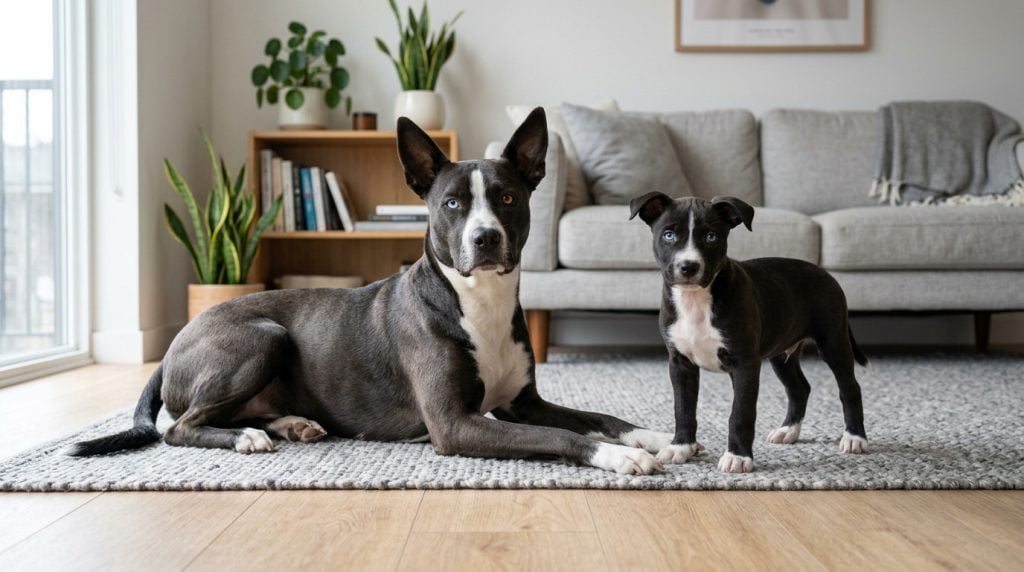
Living with a Pitsky often means embracing a lively and spirited companion. These dogs are known for their energetic nature and love for outdoor activities, making them a great match for active families. Their blend of Husky and Pitbull traits results in a dog that is both affectionate and independent, often seeking both companionship and adventure.
At a glance
Core care
- Size: Medium
- Energy: High
- Grooming: Low
- Shedding: Moderate
Support style
- Sensitivity: Moderate
- Training style: Moderate
Breed guide
Choose a section to explore. These notes describe common patterns, but individual dogs vary widely.
The Pitsky is a fascinating blend of the American Pit Bull Terrier and the Siberian Husky, two breeds with rich histories of working alongside humans. This mix often results in a dog that carries the loyalty and strength of a Pit Bull, combined with the endurance and independent spirit of a Husky. Owners of Pitskies frequently notice these dogs thrive when they have a purpose, whether that’s through regular exercise or engaging activities that challenge their minds.
Physically, Pitskies tend to be medium-sized with a robust build, reflecting their working lineage. Their coats can vary, often showcasing a mix of the Husky’s thick, insulating fur and the Pit Bull’s shorter, sleek coat. This combination means they usually require moderate grooming, with regular brushing to manage shedding and keep their coat healthy. Their striking appearance often turns heads, with many having the piercing blue eyes typical of Huskies.
Temperament-wise, Pitskies are often described as energetic and affectionate, yet they can also exhibit a streak of independence. Owners frequently observe their Pitskies being highly social, enjoying time with family members and showing a strong desire to be involved in daily activities. However, they can also have moments where they prefer to explore on their own, a nod to their Husky heritage. Sensitivity levels can vary, with some Pitskies responding keenly to their owner’s emotions, while others may be more aloof.
When considering a Pitsky, it’s important to recognize that individual dogs can vary widely in their behaviour and needs. While they generally share some common traits, each Pitsky is unique, influenced by their genetic makeup and the environment in which they are raised. Prospective owners should be prepared for a dog that may require both physical and mental stimulation, and should be ready to adapt to the specific personality of their Pitsky.
Pitskies often display a vibrant social nature that can be both charming and a bit challenging. Many owners notice that their Pitsky is happiest when surrounded by people or other dogs, often seeking out playmates at the park or enjoying the hustle and bustle of family life. This social inclination stems from their mixed heritage, where both parent breeds have histories of working closely with humans.
Understanding a Pitsky’s behaviour involves recognising their need for interaction and activity. They tend to be lively and enthusiastic, often greeting family members with wagging tails and eager eyes. This energy can translate into a dog that thrives on regular playtime and long walks, making them a good fit for active households. However, their enthusiasm can sometimes lead to impulsive behaviour, especially if they haven’t had enough exercise or mental stimulation.
Their moderate sensitivity means that while they can be in tune with their owner’s emotions, they may not always respond in the way one might expect. Some Pitskies are quite perceptive, picking up on subtle cues and adjusting their behaviour accordingly. Others might be more independent, requiring a bit more patience and understanding from their owners. This variability means that training and socialisation should be approached with consistency and positive reinforcement.
Trainability in Pitskies can vary, with some dogs showing a strong eagerness to learn and please, while others may exhibit a more stubborn streak. This is where understanding their motivations becomes crucial. Many Pitsky owners find success by using a mix of treats, praise, and engaging activities to keep their dogs focused and interested. With the right approach, these dogs can become well-mannered companions who are a joy to live with.
A typical day with a Pitsky involves plenty of activity, as these dogs have high energy levels that need to be channelled constructively. Owners often find that their Pitsky thrives on a routine that includes long walks, runs, or hikes, especially in varied environments that offer new sights and smells. This not only helps burn off energy but also satisfies their natural curiosity and desire for exploration.
Physical exercise is just one part of the equation; mental enrichment is equally important for a Pitsky. Engaging toys, puzzle feeders, and training sessions can provide the mental stimulation they crave. Owners might notice that their Pitsky enjoys problem-solving activities, which can help keep their minds sharp and prevent boredom-related behaviours. Regular interaction and playtime are key to maintaining their well-being.
As Pitskies age, their exercise needs may change, but they generally remain active throughout their lives. Puppies and younger dogs often require more frequent and intense activities to match their boundless energy, while older Pitskies might appreciate gentler, more leisurely walks. It’s important for owners to adjust their routines to accommodate these changes, ensuring their dog remains healthy and happy.
While Pitskies thrive on activity, it’s crucial to avoid over-exercising them, particularly in extreme weather conditions. Their Husky heritage means they can handle cooler temperatures well, but care should be taken during hot weather to prevent overheating. Providing plenty of water and taking breaks in the shade can help keep them comfortable. By understanding and meeting their exercise and enrichment needs, owners can enjoy a harmonious and fulfilling relationship with their Pitsky.
Training a Pitsky can be an engaging and rewarding experience, but it often requires patience and creativity. Owners frequently describe the process as a balance between understanding the dog’s independent streak and their eagerness to please. Positive reinforcement techniques tend to work well, as Pitskies often respond best to encouragement and rewards rather than harsh corrections.
Consistency is key when training a Pitsky, as their moderate trainability means they benefit from clear and consistent guidelines. Establishing a routine and sticking to it can help reinforce desired behaviours and make training sessions more effective. Many owners find that short, frequent training sessions keep their Pitsky engaged and prevent them from becoming bored or distracted.
Impulse control can be a challenge, particularly during adolescence when Pitskies may test boundaries and exhibit more stubborn behaviours. This period can be frustrating for some owners, but it’s important to remain patient and persistent. Building a strong relationship based on trust and mutual respect can help navigate these challenges and ensure that training remains a positive experience for both dog and owner.
For those new to dog ownership or facing specific training challenges, seeking professional guidance can be beneficial. Enrolling in a training course or working with a knowledgeable trainer can provide valuable insights and support. With the right approach and dedication, Pitskies can become well-behaved companions who are a joy to live with.
The Pitsky’s active and social nature makes them well-suited to homes where they can be part of the action. They tend to thrive in environments where they have space to move and explore, making them a good fit for homes with secure gardens or access to parks and open spaces. Their love for human interaction means they often do well in households where someone is around for most of the day.
Families with children often find that Pitskies make playful and affectionate companions. Their energetic nature can be a great match for active kids who enjoy playing and exploring outdoors. However, as with any dog, supervision and teaching children how to interact respectfully with the dog are important to ensure a harmonious relationship.
When it comes to living with other pets, Pitskies can vary in their compatibility. Some may get along well with other dogs, enjoying the company and playtime, while others might prefer being the only pet in the household. Early socialisation and careful introductions can help foster positive relationships with other animals.
Ultimately, the Pitsky’s suitability for a particular home depends on the individual dog’s personality and the owner’s lifestyle. Prospective owners should be prepared for a dog that requires regular exercise and mental stimulation, and should be willing to invest time in training and socialisation. By matching their lifestyle to the needs of a Pitsky, owners can enjoy a rewarding and fulfilling relationship with their canine companion.
Health is a crucial aspect of a Pitsky’s overall wellbeing, influencing their behaviour and quality of life. As a mixed breed, Pitskies can inherit health traits from either parent breed, making it important for owners to be aware of potential issues. Regular veterinary check-ups and preventive care are essential to maintaining their health and catching any concerns early.
Common health considerations for Pitskies may include hip dysplasia, a condition that can affect their mobility and comfort. Regular exercise and maintaining a healthy weight can help manage this condition, while veterinary advice can provide guidance on treatment options if needed. Eye health is another area to monitor, particularly if the Pitsky has inherited the striking blue eyes of the Husky.
Owners often notice that a healthy Pitsky is an active and engaged dog, eager to participate in family activities. Ensuring they receive a balanced diet and regular exercise can contribute to their physical and mental health. Preventive measures, such as vaccinations and parasite control, are also important to protect them from common diseases and parasites.
If any changes in behaviour or physical condition are observed, seeking veterinary advice promptly can help address potential health issues before they become serious. By staying informed and proactive about their Pitsky’s health, owners can enjoy many happy and active years with their furry friend.
The Pitsky is a relatively modern hybrid breed, combining the American Pit Bull Terrier and the Siberian Husky, each with its own distinct history. The Pit Bull, originally bred for bull-baiting and later as a farm dog, is known for its strength, loyalty, and determination. The Husky, on the other hand, hails from Siberia, where it was developed by the Chukchi people for sledding, prized for its endurance and ability to work in harsh conditions.
These two breeds were brought together to create a dog that embodies the best traits of both parents. The Pitsky often inherits the Pit Bull’s muscular build and the Husky’s striking appearance, resulting in a dog that is both visually appealing and physically capable. This mix was likely aimed at producing a dog that could serve as both a companion and a working partner, capable of handling various activities and environments.
In modern times, the Pitsky has gained popularity as a family pet, valued for its energetic and affectionate nature. Owners often appreciate the blend of loyalty and independence, making the Pitsky a versatile companion for those who lead active lifestyles. Their history as working dogs means they often thrive when given tasks or activities that challenge them both physically and mentally.
Understanding the Pitsky’s origins helps explain many of their behaviours and traits seen today. Their need for exercise and mental stimulation, their social nature, and their occasional stubbornness all have roots in their mixed heritage. By recognising these historical influences, owners can better appreciate and meet the needs of their Pitsky, ensuring a happy and fulfilling relationship.
What shapes individual dogs
- Early social experiences
- Training approach
- Environment & routine
- Genetics & breeding
- Health & pain
- Age / life stage
The Pitsky is a fascinating blend of the American Pit Bull Terrier and the Siberian Husky, two breeds with rich histories of working alongside humans. This mix often results in a dog that carries the loyalty and strength of a Pit Bull, combined with the endurance and independent spirit of a Husky. Owners of Pitskies frequently notice these dogs thrive when they have a purpose, whether that’s through regular exercise or engaging activities that challenge their minds.
Physically, Pitskies tend to be medium-sized with a robust build, reflecting their working lineage. Their coats can vary, often showcasing a mix of the Husky’s thick, insulating fur and the Pit Bull’s shorter, sleek coat. This combination means they usually require moderate grooming, with regular brushing to manage shedding and keep their coat healthy. Their striking appearance often turns heads, with many having the piercing blue eyes typical of Huskies.
Temperament-wise, Pitskies are often described as energetic and affectionate, yet they can also exhibit a streak of independence. Owners frequently observe their Pitskies being highly social, enjoying time with family members and showing a strong desire to be involved in daily activities. However, they can also have moments where they prefer to explore on their own, a nod to their Husky heritage. Sensitivity levels can vary, with some Pitskies responding keenly to their owner’s emotions, while others may be more aloof.
When considering a Pitsky, it’s important to recognize that individual dogs can vary widely in their behaviour and needs. While they generally share some common traits, each Pitsky is unique, influenced by their genetic makeup and the environment in which they are raised. Prospective owners should be prepared for a dog that may require both physical and mental stimulation, and should be ready to adapt to the specific personality of their Pitsky.
Pitskies often display a vibrant social nature that can be both charming and a bit challenging. Many owners notice that their Pitsky is happiest when surrounded by people or other dogs, often seeking out playmates at the park or enjoying the hustle and bustle of family life. This social inclination stems from their mixed heritage, where both parent breeds have histories of working closely with humans.
Understanding a Pitsky’s behaviour involves recognising their need for interaction and activity. They tend to be lively and enthusiastic, often greeting family members with wagging tails and eager eyes. This energy can translate into a dog that thrives on regular playtime and long walks, making them a good fit for active households. However, their enthusiasm can sometimes lead to impulsive behaviour, especially if they haven’t had enough exercise or mental stimulation.
Their moderate sensitivity means that while they can be in tune with their owner’s emotions, they may not always respond in the way one might expect. Some Pitskies are quite perceptive, picking up on subtle cues and adjusting their behaviour accordingly. Others might be more independent, requiring a bit more patience and understanding from their owners. This variability means that training and socialisation should be approached with consistency and positive reinforcement.
Trainability in Pitskies can vary, with some dogs showing a strong eagerness to learn and please, while others may exhibit a more stubborn streak. This is where understanding their motivations becomes crucial. Many Pitsky owners find success by using a mix of treats, praise, and engaging activities to keep their dogs focused and interested. With the right approach, these dogs can become well-mannered companions who are a joy to live with.
A typical day with a Pitsky involves plenty of activity, as these dogs have high energy levels that need to be channelled constructively. Owners often find that their Pitsky thrives on a routine that includes long walks, runs, or hikes, especially in varied environments that offer new sights and smells. This not only helps burn off energy but also satisfies their natural curiosity and desire for exploration.
Physical exercise is just one part of the equation; mental enrichment is equally important for a Pitsky. Engaging toys, puzzle feeders, and training sessions can provide the mental stimulation they crave. Owners might notice that their Pitsky enjoys problem-solving activities, which can help keep their minds sharp and prevent boredom-related behaviours. Regular interaction and playtime are key to maintaining their well-being.
As Pitskies age, their exercise needs may change, but they generally remain active throughout their lives. Puppies and younger dogs often require more frequent and intense activities to match their boundless energy, while older Pitskies might appreciate gentler, more leisurely walks. It’s important for owners to adjust their routines to accommodate these changes, ensuring their dog remains healthy and happy.
While Pitskies thrive on activity, it’s crucial to avoid over-exercising them, particularly in extreme weather conditions. Their Husky heritage means they can handle cooler temperatures well, but care should be taken during hot weather to prevent overheating. Providing plenty of water and taking breaks in the shade can help keep them comfortable. By understanding and meeting their exercise and enrichment needs, owners can enjoy a harmonious and fulfilling relationship with their Pitsky.
Training a Pitsky can be an engaging and rewarding experience, but it often requires patience and creativity. Owners frequently describe the process as a balance between understanding the dog’s independent streak and their eagerness to please. Positive reinforcement techniques tend to work well, as Pitskies often respond best to encouragement and rewards rather than harsh corrections.
Consistency is key when training a Pitsky, as their moderate trainability means they benefit from clear and consistent guidelines. Establishing a routine and sticking to it can help reinforce desired behaviours and make training sessions more effective. Many owners find that short, frequent training sessions keep their Pitsky engaged and prevent them from becoming bored or distracted.
Impulse control can be a challenge, particularly during adolescence when Pitskies may test boundaries and exhibit more stubborn behaviours. This period can be frustrating for some owners, but it’s important to remain patient and persistent. Building a strong relationship based on trust and mutual respect can help navigate these challenges and ensure that training remains a positive experience for both dog and owner.
For those new to dog ownership or facing specific training challenges, seeking professional guidance can be beneficial. Enrolling in a training course or working with a knowledgeable trainer can provide valuable insights and support. With the right approach and dedication, Pitskies can become well-behaved companions who are a joy to live with.
The Pitsky’s active and social nature makes them well-suited to homes where they can be part of the action. They tend to thrive in environments where they have space to move and explore, making them a good fit for homes with secure gardens or access to parks and open spaces. Their love for human interaction means they often do well in households where someone is around for most of the day.
Families with children often find that Pitskies make playful and affectionate companions. Their energetic nature can be a great match for active kids who enjoy playing and exploring outdoors. However, as with any dog, supervision and teaching children how to interact respectfully with the dog are important to ensure a harmonious relationship.
When it comes to living with other pets, Pitskies can vary in their compatibility. Some may get along well with other dogs, enjoying the company and playtime, while others might prefer being the only pet in the household. Early socialisation and careful introductions can help foster positive relationships with other animals.
Ultimately, the Pitsky’s suitability for a particular home depends on the individual dog’s personality and the owner’s lifestyle. Prospective owners should be prepared for a dog that requires regular exercise and mental stimulation, and should be willing to invest time in training and socialisation. By matching their lifestyle to the needs of a Pitsky, owners can enjoy a rewarding and fulfilling relationship with their canine companion.
Health is a crucial aspect of a Pitsky’s overall wellbeing, influencing their behaviour and quality of life. As a mixed breed, Pitskies can inherit health traits from either parent breed, making it important for owners to be aware of potential issues. Regular veterinary check-ups and preventive care are essential to maintaining their health and catching any concerns early.
Common health considerations for Pitskies may include hip dysplasia, a condition that can affect their mobility and comfort. Regular exercise and maintaining a healthy weight can help manage this condition, while veterinary advice can provide guidance on treatment options if needed. Eye health is another area to monitor, particularly if the Pitsky has inherited the striking blue eyes of the Husky.
Owners often notice that a healthy Pitsky is an active and engaged dog, eager to participate in family activities. Ensuring they receive a balanced diet and regular exercise can contribute to their physical and mental health. Preventive measures, such as vaccinations and parasite control, are also important to protect them from common diseases and parasites.
If any changes in behaviour or physical condition are observed, seeking veterinary advice promptly can help address potential health issues before they become serious. By staying informed and proactive about their Pitsky’s health, owners can enjoy many happy and active years with their furry friend.
The Pitsky is a relatively modern hybrid breed, combining the American Pit Bull Terrier and the Siberian Husky, each with its own distinct history. The Pit Bull, originally bred for bull-baiting and later as a farm dog, is known for its strength, loyalty, and determination. The Husky, on the other hand, hails from Siberia, where it was developed by the Chukchi people for sledding, prized for its endurance and ability to work in harsh conditions.
These two breeds were brought together to create a dog that embodies the best traits of both parents. The Pitsky often inherits the Pit Bull’s muscular build and the Husky’s striking appearance, resulting in a dog that is both visually appealing and physically capable. This mix was likely aimed at producing a dog that could serve as both a companion and a working partner, capable of handling various activities and environments.
In modern times, the Pitsky has gained popularity as a family pet, valued for its energetic and affectionate nature. Owners often appreciate the blend of loyalty and independence, making the Pitsky a versatile companion for those who lead active lifestyles. Their history as working dogs means they often thrive when given tasks or activities that challenge them both physically and mentally.
Understanding the Pitsky’s origins helps explain many of their behaviours and traits seen today. Their need for exercise and mental stimulation, their social nature, and their occasional stubbornness all have roots in their mixed heritage. By recognising these historical influences, owners can better appreciate and meet the needs of their Pitsky, ensuring a happy and fulfilling relationship.
What shapes individual dogs
- Early social experiences
- Training approach
- Environment & routine
- Genetics & breeding
- Health & pain
- Age / life stage
Want support with this?
This course helps Pitsky owners understand their dog's unique blend of traits and how to nurture a harmonious relationship.