
Pekepoo
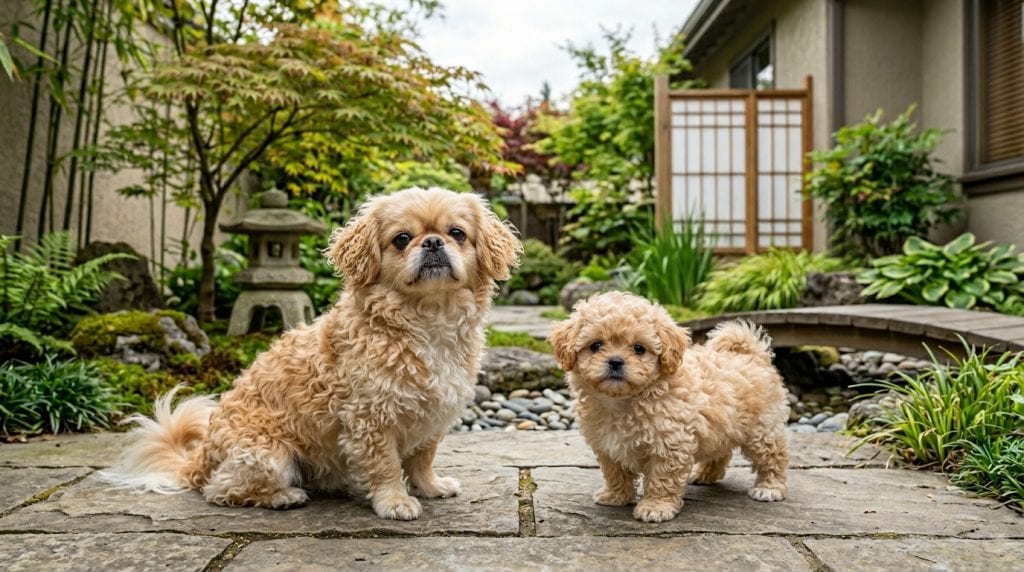
Living with a Pekepoo often means sharing your space with a small dog that thrives on companionship and attention. Their gentle nature and expressive eyes make them endearing companions, while their tendency to form strong bonds with their families means they are frequently found at their owner's side. This breed's blend of charm and sensitivity makes them particularly attuned to the moods of those around them.
At a glance
Core care
- Size: Small
- Energy: Moderate
- Grooming: Low
- Shedding: Low
Support style
- Sensitivity: High
- Training style: Moderate
Breed guide
Choose a section to explore. These notes describe common patterns, but individual dogs vary widely.
The Pekepoo is a delightful blend of the Pekingese and Poodle, bringing together the best of both breeds in a small, affectionate package. Originally, the Pekingese were bred as companions for Chinese royalty, prized for their regal appearance and loyal nature. The Poodle, on the other hand, has a history as a water retriever, known for their intelligence and trainability. This combination results in a dog that is both loving and clever, often eager to be involved in family activities.
Physically, the Pekepoo is a small dog, typically weighing between 4.5 to 9 kilograms, with a compact frame that makes them well-suited to a variety of living situations. Their coat, often a mix of the Poodle’s curls and the Pekingese’s long, flowing hair, requires regular grooming to keep it looking its best. While they are low shedders, their coat can mat if not properly cared for, making regular brushing a necessity.
In terms of temperament, the Pekepoo is known for its affectionate and gentle nature. Many owners find that their Pekepoo is happiest when they are close to their human family, often following them from room to room. Their high sensitivity means they can be quite attuned to the emotions of those around them, which can be both a blessing and a challenge, as they may become anxious in chaotic environments.
While Pekepoos generally share these traits, it’s important to remember that each dog is an individual. Factors such as genetics, early socialisation, and the environment they grow up in can all influence their behaviour and personality. Prospective owners should be prepared for some variation and be willing to adapt to the unique needs of their dog.
Pekepoos are often described as social butterflies in the canine world. They tend to enjoy being around people and are usually eager to participate in family activities. This social nature stems from their Pekingese heritage, which was originally bred to be a companion dog, and their Poodle lineage, known for its intelligence and eagerness to please. In everyday life, this often means a Pekepoo will be found right in the middle of the action, whether that’s sitting on a lap during movie night or tagging along on a walk.
Their high sensitivity is one of the most notable aspects of their temperament. Pekepoos often pick up on the emotions of those around them, which can make them excellent companions for those who appreciate a dog that seems to ‘understand’ them. However, this sensitivity also means they can become anxious if their environment is too chaotic or if they are left alone for long periods. Owners frequently notice that their Pekepoo may become clingy or exhibit signs of separation anxiety if not properly acclimated to being alone.
Trainability with a Pekepoo can be a mixed bag. While they are generally intelligent and capable of learning commands quickly, their independent streak can sometimes make training a bit of a challenge. Positive reinforcement techniques, such as treats and praise, tend to work well, as these dogs respond best to gentle guidance rather than harsh corrections. Patience and consistency are key, especially during adolescence when they may test boundaries more frequently.
Overall, living with a Pekepoo means embracing their social and sensitive nature. They thrive in environments where they feel secure and loved, and they often reward their owners with loyalty and affection. As with any breed, understanding their unique temperament and adapting to their needs can lead to a fulfilling and harmonious relationship.
A typical day for a Pekepoo involves a balance of moderate exercise and plenty of mental enrichment. These small dogs enjoy a couple of short walks each day, which help to keep them physically fit and mentally stimulated. Despite their moderate energy levels, they can have bursts of enthusiasm, especially when they know a favourite game or activity is on the agenda.
In addition to walks, Pekepoos benefit from interactive play sessions. Games like fetch or tug-of-war can be enjoyable for them, and incorporating puzzle toys or treat dispensers can provide the mental challenge they often crave. These activities not only help to keep them entertained but also prevent boredom, which can lead to unwanted behaviours.
As Pekepoos age, their exercise needs may change. Puppies and young adults are generally more active and may require more frequent play sessions to burn off energy. As they mature, they may become more content with leisurely strolls and more relaxed playtimes. It’s important for owners to adjust the level of activity to suit their dog’s age and health, ensuring they remain engaged and healthy throughout their life.
Owners should be mindful not to over-exercise their Pekepoo, especially in hot weather, as their small size and sensitivity can make them prone to overheating. A consistent routine that includes both physical and mental stimulation will help keep a Pekepoo happy and well-adjusted, allowing them to thrive in their home environment.
Training a Pekepoo often feels like a blend of patience and creativity. These dogs are intelligent and capable of learning a variety of commands, but their independent nature can sometimes make them appear stubborn. Many owners find that training sessions are most successful when they are kept short and engaging, using positive reinforcement techniques such as treats and praise.
Impulse control can be an area where Pekepoos need extra support. Their curiosity and desire to be involved can sometimes lead them to act impulsively, especially when they are excited. Teaching basic commands like ‘sit’, ‘stay’, and ‘leave it’ can help manage these tendencies, providing them with the structure they need to navigate their environment confidently.
Adolescence can be a particularly challenging time for Pekepoo owners, as this is when their independent streak may be most pronounced. Consistency in training and maintaining a routine can help mitigate some of the challenges that arise during this period. It’s important to remain patient and understanding, as this phase will pass and with it, a more settled adult dog will emerge.
Building a strong relationship based on trust and mutual respect is crucial for training success with a Pekepoo. They respond well to gentle guidance and are more likely to cooperate when they feel secure and understood. By focusing on positive interactions and maintaining a consistent approach, owners can help their Pekepoo develop into a well-mannered and happy companion.
Pekepoos tend to thrive in homes where they can be close to their family members. Their small size makes them well-suited to apartment living, as long as they receive enough attention and exercise. They are adaptable dogs that can fit into various living situations, but they do best in environments where they are not left alone for long periods, as they can become anxious without companionship.
Families with children often find that Pekepoos make affectionate and gentle companions. Their playful nature can make them good playmates, although supervision is recommended with very young children to ensure interactions remain positive. Their sensitivity means they appreciate gentle handling and can become overwhelmed by rough play.
When it comes to other pets, Pekepoos can generally coexist peacefully, especially if they are introduced gradually and with care. Their social nature means they often enjoy the company of other dogs, although individual personalities will vary. Early socialisation can help them develop the skills needed to interact positively with other animals.
Prospective owners should consider their lifestyle and whether they have the time and energy to meet a Pekepoo’s needs. These dogs thrive in environments where they feel secure and loved, and where their social and grooming needs are met. Understanding these requirements can help ensure a harmonious match between the Pekepoo and their new family.
Health and wellbeing are closely linked in Pekepoos, as with any breed. Regular veterinary check-ups are essential to monitor their health and catch any potential issues early. Pekepoos can be prone to certain health concerns, such as dental issues due to their small size, so maintaining a good dental hygiene routine is important.
Their Poodle heritage can make them susceptible to ear infections, so regular ear cleaning and checks are recommended. Owners should be vigilant for signs of discomfort or unusual odour, which could indicate an issue. Keeping their ears clean and dry can help prevent infections from developing.
Pekepoos may also experience joint issues, particularly as they age. Providing a balanced diet and maintaining a healthy weight can help reduce the risk of joint problems. Supplements like glucosamine may be beneficial, but it’s always best to consult with a veterinarian before adding any supplements to their diet.
Preventive care is key to maintaining a Pekepoo’s health. Regular exercise, a nutritious diet, and mental stimulation all contribute to their overall wellbeing. Owners should seek veterinary advice if they notice any changes in behaviour or physical condition, ensuring their Pekepoo remains happy and healthy throughout their life.
The Pekepoo is a relatively modern mixed breed, combining the noble Pekingese with the intelligent Poodle. The Pekingese has a rich history as a companion to Chinese royalty, valued for their lion-like appearance and loyal nature. This breed was often seen as a symbol of status and was traditionally kept by the elite.
The Poodle, on the other hand, has a history rooted in work, originally bred as a water retriever in Germany. Known for their intelligence and trainability, Poodles have long been favoured by hunters for their ability to retrieve game from water. This working background contributes to the Pekepoo’s intelligence and eagerness to please.
The combination of these two breeds in the Pekepoo results in a dog that is both affectionate and clever. The goal of this crossbreed was to create a companion dog that possessed the best traits of both parent breeds: the Pekingese’s loyalty and the Poodle’s intelligence. This has led to the Pekepoo’s popularity as a family pet, appreciated for their charming personality and adaptability.
Today, Pekepoos are cherished for their blend of companionship and intelligence. Their history as a mixed breed reflects a desire to create a dog that fits well into modern family life, embodying the traits that make both the Pekingese and Poodle beloved breeds. Understanding their origins helps explain the Pekepoo’s unique characteristics and the appeal they hold for many dog lovers.
What shapes individual dogs
- Early social experiences
- Training approach
- Environment & routine
- Genetics & breeding
- Health & pain
- Age / life stage
The Pekepoo is a delightful blend of the Pekingese and Poodle, bringing together the best of both breeds in a small, affectionate package. Originally, the Pekingese were bred as companions for Chinese royalty, prized for their regal appearance and loyal nature. The Poodle, on the other hand, has a history as a water retriever, known for their intelligence and trainability. This combination results in a dog that is both loving and clever, often eager to be involved in family activities.
Physically, the Pekepoo is a small dog, typically weighing between 4.5 to 9 kilograms, with a compact frame that makes them well-suited to a variety of living situations. Their coat, often a mix of the Poodle’s curls and the Pekingese’s long, flowing hair, requires regular grooming to keep it looking its best. While they are low shedders, their coat can mat if not properly cared for, making regular brushing a necessity.
In terms of temperament, the Pekepoo is known for its affectionate and gentle nature. Many owners find that their Pekepoo is happiest when they are close to their human family, often following them from room to room. Their high sensitivity means they can be quite attuned to the emotions of those around them, which can be both a blessing and a challenge, as they may become anxious in chaotic environments.
While Pekepoos generally share these traits, it’s important to remember that each dog is an individual. Factors such as genetics, early socialisation, and the environment they grow up in can all influence their behaviour and personality. Prospective owners should be prepared for some variation and be willing to adapt to the unique needs of their dog.
Pekepoos are often described as social butterflies in the canine world. They tend to enjoy being around people and are usually eager to participate in family activities. This social nature stems from their Pekingese heritage, which was originally bred to be a companion dog, and their Poodle lineage, known for its intelligence and eagerness to please. In everyday life, this often means a Pekepoo will be found right in the middle of the action, whether that’s sitting on a lap during movie night or tagging along on a walk.
Their high sensitivity is one of the most notable aspects of their temperament. Pekepoos often pick up on the emotions of those around them, which can make them excellent companions for those who appreciate a dog that seems to ‘understand’ them. However, this sensitivity also means they can become anxious if their environment is too chaotic or if they are left alone for long periods. Owners frequently notice that their Pekepoo may become clingy or exhibit signs of separation anxiety if not properly acclimated to being alone.
Trainability with a Pekepoo can be a mixed bag. While they are generally intelligent and capable of learning commands quickly, their independent streak can sometimes make training a bit of a challenge. Positive reinforcement techniques, such as treats and praise, tend to work well, as these dogs respond best to gentle guidance rather than harsh corrections. Patience and consistency are key, especially during adolescence when they may test boundaries more frequently.
Overall, living with a Pekepoo means embracing their social and sensitive nature. They thrive in environments where they feel secure and loved, and they often reward their owners with loyalty and affection. As with any breed, understanding their unique temperament and adapting to their needs can lead to a fulfilling and harmonious relationship.
A typical day for a Pekepoo involves a balance of moderate exercise and plenty of mental enrichment. These small dogs enjoy a couple of short walks each day, which help to keep them physically fit and mentally stimulated. Despite their moderate energy levels, they can have bursts of enthusiasm, especially when they know a favourite game or activity is on the agenda.
In addition to walks, Pekepoos benefit from interactive play sessions. Games like fetch or tug-of-war can be enjoyable for them, and incorporating puzzle toys or treat dispensers can provide the mental challenge they often crave. These activities not only help to keep them entertained but also prevent boredom, which can lead to unwanted behaviours.
As Pekepoos age, their exercise needs may change. Puppies and young adults are generally more active and may require more frequent play sessions to burn off energy. As they mature, they may become more content with leisurely strolls and more relaxed playtimes. It’s important for owners to adjust the level of activity to suit their dog’s age and health, ensuring they remain engaged and healthy throughout their life.
Owners should be mindful not to over-exercise their Pekepoo, especially in hot weather, as their small size and sensitivity can make them prone to overheating. A consistent routine that includes both physical and mental stimulation will help keep a Pekepoo happy and well-adjusted, allowing them to thrive in their home environment.
Training a Pekepoo often feels like a blend of patience and creativity. These dogs are intelligent and capable of learning a variety of commands, but their independent nature can sometimes make them appear stubborn. Many owners find that training sessions are most successful when they are kept short and engaging, using positive reinforcement techniques such as treats and praise.
Impulse control can be an area where Pekepoos need extra support. Their curiosity and desire to be involved can sometimes lead them to act impulsively, especially when they are excited. Teaching basic commands like ‘sit’, ‘stay’, and ‘leave it’ can help manage these tendencies, providing them with the structure they need to navigate their environment confidently.
Adolescence can be a particularly challenging time for Pekepoo owners, as this is when their independent streak may be most pronounced. Consistency in training and maintaining a routine can help mitigate some of the challenges that arise during this period. It’s important to remain patient and understanding, as this phase will pass and with it, a more settled adult dog will emerge.
Building a strong relationship based on trust and mutual respect is crucial for training success with a Pekepoo. They respond well to gentle guidance and are more likely to cooperate when they feel secure and understood. By focusing on positive interactions and maintaining a consistent approach, owners can help their Pekepoo develop into a well-mannered and happy companion.
Pekepoos tend to thrive in homes where they can be close to their family members. Their small size makes them well-suited to apartment living, as long as they receive enough attention and exercise. They are adaptable dogs that can fit into various living situations, but they do best in environments where they are not left alone for long periods, as they can become anxious without companionship.
Families with children often find that Pekepoos make affectionate and gentle companions. Their playful nature can make them good playmates, although supervision is recommended with very young children to ensure interactions remain positive. Their sensitivity means they appreciate gentle handling and can become overwhelmed by rough play.
When it comes to other pets, Pekepoos can generally coexist peacefully, especially if they are introduced gradually and with care. Their social nature means they often enjoy the company of other dogs, although individual personalities will vary. Early socialisation can help them develop the skills needed to interact positively with other animals.
Prospective owners should consider their lifestyle and whether they have the time and energy to meet a Pekepoo’s needs. These dogs thrive in environments where they feel secure and loved, and where their social and grooming needs are met. Understanding these requirements can help ensure a harmonious match between the Pekepoo and their new family.
Health and wellbeing are closely linked in Pekepoos, as with any breed. Regular veterinary check-ups are essential to monitor their health and catch any potential issues early. Pekepoos can be prone to certain health concerns, such as dental issues due to their small size, so maintaining a good dental hygiene routine is important.
Their Poodle heritage can make them susceptible to ear infections, so regular ear cleaning and checks are recommended. Owners should be vigilant for signs of discomfort or unusual odour, which could indicate an issue. Keeping their ears clean and dry can help prevent infections from developing.
Pekepoos may also experience joint issues, particularly as they age. Providing a balanced diet and maintaining a healthy weight can help reduce the risk of joint problems. Supplements like glucosamine may be beneficial, but it’s always best to consult with a veterinarian before adding any supplements to their diet.
Preventive care is key to maintaining a Pekepoo’s health. Regular exercise, a nutritious diet, and mental stimulation all contribute to their overall wellbeing. Owners should seek veterinary advice if they notice any changes in behaviour or physical condition, ensuring their Pekepoo remains happy and healthy throughout their life.
The Pekepoo is a relatively modern mixed breed, combining the noble Pekingese with the intelligent Poodle. The Pekingese has a rich history as a companion to Chinese royalty, valued for their lion-like appearance and loyal nature. This breed was often seen as a symbol of status and was traditionally kept by the elite.
The Poodle, on the other hand, has a history rooted in work, originally bred as a water retriever in Germany. Known for their intelligence and trainability, Poodles have long been favoured by hunters for their ability to retrieve game from water. This working background contributes to the Pekepoo’s intelligence and eagerness to please.
The combination of these two breeds in the Pekepoo results in a dog that is both affectionate and clever. The goal of this crossbreed was to create a companion dog that possessed the best traits of both parent breeds: the Pekingese’s loyalty and the Poodle’s intelligence. This has led to the Pekepoo’s popularity as a family pet, appreciated for their charming personality and adaptability.
Today, Pekepoos are cherished for their blend of companionship and intelligence. Their history as a mixed breed reflects a desire to create a dog that fits well into modern family life, embodying the traits that make both the Pekingese and Poodle beloved breeds. Understanding their origins helps explain the Pekepoo’s unique characteristics and the appeal they hold for many dog lovers.
What shapes individual dogs
- Early social experiences
- Training approach
- Environment & routine
- Genetics & breeding
- Health & pain
- Age / life stage
Want support with this?
This course is perfect for Pekepoo owners looking to understand their dog's complex temperament and sensitivity.