
Bullboxer
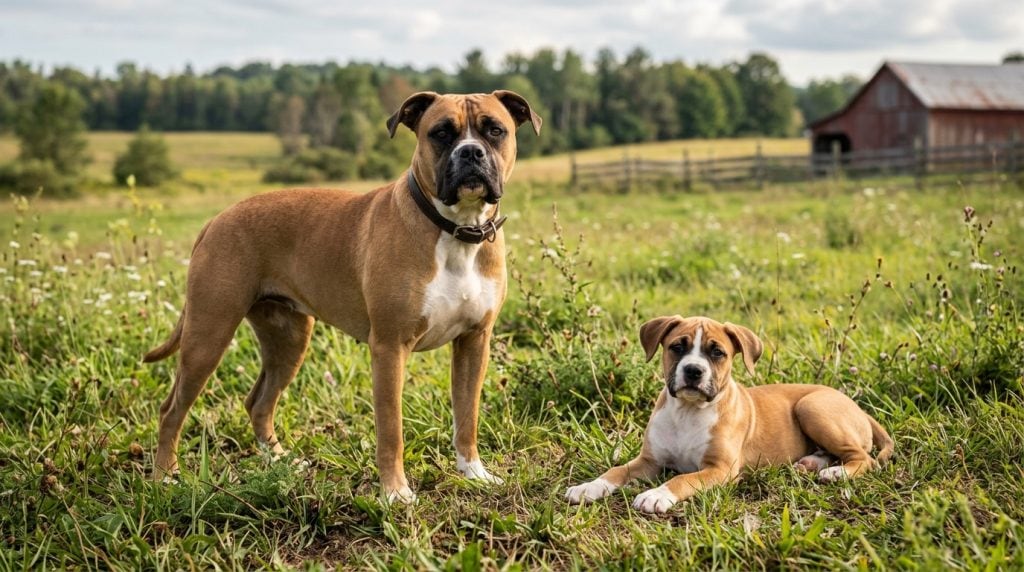
Living with a Bullboxer means embracing a lively and energetic presence in your home. These dogs often thrive on interaction, displaying a blend of curiosity and enthusiasm that keeps life interesting. Their mixed heritage brings a unique combination of traits, making them both spirited companions and affectionate family members.
At a glance
Core care
- Size: Medium
- Energy: High
- Grooming: Low
- Shedding: Moderate
Support style
- Sensitivity: Moderate
- Training style: Willing
Breed guide
Choose a section to explore. These notes describe common patterns, but individual dogs vary widely.
The Bullboxer, a crossbreed combining the Boxer and Bulldog, inherits a rich history from both parent breeds. Boxers were originally bred as working dogs in Germany, known for their strength and agility, while Bulldogs were developed in England for bull-baiting and later as companion animals. This blend results in a dog that is both robust and affectionate, often displaying a protective yet friendly nature.
Physically, Bullboxers are medium-sized dogs with a muscular build, reflecting their working ancestry. Owners often notice their strong, athletic bodies, which require regular exercise to maintain health and happiness. Their short coat is relatively low-maintenance, but they do shed moderately, which means a bit of regular grooming is beneficial to keep their coat looking its best.
In terms of temperament, Bullboxers are known for their lively and social nature. Many owners find them to be engaging companions who enjoy being part of family activities. They can be quite playful and are often eager to please, which makes them responsive to training. However, their Bulldog lineage can sometimes bring a stubborn streak, requiring patience and consistency from their owners.
It’s important to remember that every Bullboxer is an individual. While they generally share certain traits, such as energy and sociability, their exact behaviour can vary. Factors such as upbringing, environment, and individual personality all play a role in shaping each dog’s unique character. Prospective owners should be prepared for a dynamic and engaging companion that may surprise them with its unique quirks and charms.
Bullboxers are often seen as social butterflies within the dog world. Their mixed heritage gives them a friendly disposition, and they usually enjoy being around people and other animals. This social nature means they often thrive in environments where they can interact regularly with their human family members.
Their willingness to engage is complemented by a moderate sensitivity, meaning they are generally attuned to their owner’s emotions and environment. This can make them excellent companions, as they often pick up on household dynamics and respond accordingly. Owners frequently note how their Bullboxer seems to know when someone needs comfort or when it’s time for play.
Trainability is another key aspect of the Bullboxer’s temperament. They tend to be eager learners, especially when training is approached with positivity and encouragement. However, their Bulldog ancestry can sometimes manifest in a bit of stubbornness. Consistent, reward-based training methods usually yield the best results, helping to harness their willingness to learn.
Overall, living with a Bullboxer means enjoying a dog that is both energetic and affectionate. They often form strong bonds with their families and can be quite protective, making them excellent watchdogs. However, like all breeds, they vary individually, and understanding their unique personality is key to a harmonious relationship.
A typical day for a Bullboxer involves plenty of activity, as these dogs have a high energy level that needs to be channelled appropriately. Owners often find that a couple of brisk walks, combined with playtime in a secure area, helps keep their Bullboxer happy and healthy. Activities like fetch or agility can be particularly enjoyable for them, tapping into their natural athleticism.
Mental stimulation is just as important as physical exercise for Bullboxers. Puzzle toys, training sessions, and interactive games can help keep their minds sharp and prevent boredom, which can sometimes lead to unwanted behaviours. Owners should aim to provide a variety of enrichment activities to cater to their Bullboxer’s curious and intelligent nature.
As Bullboxers age, their exercise needs may change. While young Bullboxers are often full of boundless energy, older dogs might prefer shorter, more leisurely walks. It’s important to adjust their activity levels to suit their age and health, ensuring they remain comfortable and engaged throughout their lives.
Avoiding excessive exercise in very young puppies is crucial, as their developing joints can be sensitive. Gradually increasing activity levels as they mature will help build their strength without causing harm. By understanding and meeting their exercise needs, owners can foster a happy and well-adjusted Bullboxer.
Training a Bullboxer often feels like a rewarding experience due to their eager-to-please nature. Many owners find that these dogs respond well to positive reinforcement techniques, where treats and praise are used to encourage desired behaviours. This approach helps build a strong bond between the dog and owner, fostering a cooperative training environment.
Impulse control can sometimes be a challenge with Bullboxers, particularly during their adolescence. Consistent training and patience are key during this stage, as their energy and curiosity can lead to impulsive actions. Structured activities and regular training sessions can help channel their enthusiasm into positive outlets.
Building a solid foundation of basic commands is essential for Bullboxers, and starting training early can set them up for success. Consistency in commands and routines helps them understand expectations, and they often thrive when they know what is expected of them. Owners should aim to make training sessions engaging and fun to maintain their Bullboxer’s interest.
The relationship between a Bullboxer and their owner plays a crucial role in training. A trusting and respectful bond encourages the dog to listen and respond positively. For those new to dog ownership or training, enrolling in a course like “Puppy Beginnings: Building a Calm Start” can provide valuable guidance and support.
Bullboxers tend to fit well into active households where they can be part of the action. They thrive in environments where they have space to move and play, making them a good match for homes with gardens or access to outdoor areas. Their social nature means they often enjoy being involved in family activities, whether indoors or out.
Many Bullboxer owners find that these dogs do well with children, thanks to their playful and protective instincts. However, as with any breed, interactions between dogs and young children should always be supervised to ensure safety and respect on both sides. Teaching children how to interact appropriately with dogs can help foster a positive relationship.
When it comes to other pets, Bullboxers can get along well, especially if they are socialised from a young age. Their friendly disposition often means they enjoy the company of other dogs, though individual personalities can vary. Introducing them to other pets gradually and under controlled conditions can help ensure harmonious relationships.
For those considering a Bullboxer, it’s important to match their energetic and social nature with a lifestyle that can accommodate these traits. They generally do best in homes where they are not left alone for long periods, as they thrive on companionship and interaction. Understanding their needs and preferences can help create a fulfilling environment for both the dog and the owner.
Health is a key aspect of a Bullboxer’s overall wellbeing, influencing their behaviour and quality of life. Regular veterinary check-ups and preventive care are essential to monitor their health and address any issues early on. Vaccinations, parasite control, and dental care are all important components of their healthcare routine.
Bullboxers may be prone to certain health issues inherited from their parent breeds, such as hip dysplasia or heart conditions. Being aware of these potential concerns allows owners to take proactive steps, such as maintaining a healthy weight and providing appropriate exercise, to minimise risks.
Behavioural changes can sometimes indicate underlying health problems. Owners should be observant of any sudden shifts in their Bullboxer’s behaviour, such as lethargy, changes in appetite, or discomfort during movement, and seek veterinary advice if needed. Early intervention can often lead to better outcomes.
Overall, maintaining a Bullboxer’s health involves a combination of regular veterinary care, a balanced diet, and appropriate exercise. By staying informed and attentive to their dog’s needs, owners can help ensure their Bullboxer remains healthy and happy throughout their life.
The Bullboxer is a relatively modern mixed breed, combining the traits of the Boxer and the Bulldog. Boxers originated in Germany in the late 19th century, where they were bred as working dogs known for their strength, agility, and intelligence. Bulldogs, on the other hand, have a longer history, originally bred in England for bull-baiting and later as companions.
The combination of these two breeds results in a dog that embodies both the athleticism of the Boxer and the tenacity of the Bulldog. This mix has led to a dog that is both energetic and affectionate, often displaying a protective yet friendly nature that makes them popular as family pets.
The development of the Bullboxer as a distinct mixed breed reflects a desire to combine the best traits of both parent breeds. Their history as working dogs contributes to their high energy levels and need for regular exercise, while their affectionate nature makes them well-suited to family life.
Understanding the Bullboxer’s origins helps explain many of their modern traits. Their combination of strength, intelligence, and sociability makes them versatile companions who can adapt to various roles, from active family members to loyal protectors. This rich heritage is a key part of what makes the Bullboxer such a unique and engaging breed.
What shapes individual dogs
- Early social experiences
- Training approach
- Environment & routine
- Genetics & breeding
- Health & pain
- Age / life stage
The Bullboxer, a crossbreed combining the Boxer and Bulldog, inherits a rich history from both parent breeds. Boxers were originally bred as working dogs in Germany, known for their strength and agility, while Bulldogs were developed in England for bull-baiting and later as companion animals. This blend results in a dog that is both robust and affectionate, often displaying a protective yet friendly nature.
Physically, Bullboxers are medium-sized dogs with a muscular build, reflecting their working ancestry. Owners often notice their strong, athletic bodies, which require regular exercise to maintain health and happiness. Their short coat is relatively low-maintenance, but they do shed moderately, which means a bit of regular grooming is beneficial to keep their coat looking its best.
In terms of temperament, Bullboxers are known for their lively and social nature. Many owners find them to be engaging companions who enjoy being part of family activities. They can be quite playful and are often eager to please, which makes them responsive to training. However, their Bulldog lineage can sometimes bring a stubborn streak, requiring patience and consistency from their owners.
It’s important to remember that every Bullboxer is an individual. While they generally share certain traits, such as energy and sociability, their exact behaviour can vary. Factors such as upbringing, environment, and individual personality all play a role in shaping each dog’s unique character. Prospective owners should be prepared for a dynamic and engaging companion that may surprise them with its unique quirks and charms.
Bullboxers are often seen as social butterflies within the dog world. Their mixed heritage gives them a friendly disposition, and they usually enjoy being around people and other animals. This social nature means they often thrive in environments where they can interact regularly with their human family members.
Their willingness to engage is complemented by a moderate sensitivity, meaning they are generally attuned to their owner’s emotions and environment. This can make them excellent companions, as they often pick up on household dynamics and respond accordingly. Owners frequently note how their Bullboxer seems to know when someone needs comfort or when it’s time for play.
Trainability is another key aspect of the Bullboxer’s temperament. They tend to be eager learners, especially when training is approached with positivity and encouragement. However, their Bulldog ancestry can sometimes manifest in a bit of stubbornness. Consistent, reward-based training methods usually yield the best results, helping to harness their willingness to learn.
Overall, living with a Bullboxer means enjoying a dog that is both energetic and affectionate. They often form strong bonds with their families and can be quite protective, making them excellent watchdogs. However, like all breeds, they vary individually, and understanding their unique personality is key to a harmonious relationship.
A typical day for a Bullboxer involves plenty of activity, as these dogs have a high energy level that needs to be channelled appropriately. Owners often find that a couple of brisk walks, combined with playtime in a secure area, helps keep their Bullboxer happy and healthy. Activities like fetch or agility can be particularly enjoyable for them, tapping into their natural athleticism.
Mental stimulation is just as important as physical exercise for Bullboxers. Puzzle toys, training sessions, and interactive games can help keep their minds sharp and prevent boredom, which can sometimes lead to unwanted behaviours. Owners should aim to provide a variety of enrichment activities to cater to their Bullboxer’s curious and intelligent nature.
As Bullboxers age, their exercise needs may change. While young Bullboxers are often full of boundless energy, older dogs might prefer shorter, more leisurely walks. It’s important to adjust their activity levels to suit their age and health, ensuring they remain comfortable and engaged throughout their lives.
Avoiding excessive exercise in very young puppies is crucial, as their developing joints can be sensitive. Gradually increasing activity levels as they mature will help build their strength without causing harm. By understanding and meeting their exercise needs, owners can foster a happy and well-adjusted Bullboxer.
Training a Bullboxer often feels like a rewarding experience due to their eager-to-please nature. Many owners find that these dogs respond well to positive reinforcement techniques, where treats and praise are used to encourage desired behaviours. This approach helps build a strong bond between the dog and owner, fostering a cooperative training environment.
Impulse control can sometimes be a challenge with Bullboxers, particularly during their adolescence. Consistent training and patience are key during this stage, as their energy and curiosity can lead to impulsive actions. Structured activities and regular training sessions can help channel their enthusiasm into positive outlets.
Building a solid foundation of basic commands is essential for Bullboxers, and starting training early can set them up for success. Consistency in commands and routines helps them understand expectations, and they often thrive when they know what is expected of them. Owners should aim to make training sessions engaging and fun to maintain their Bullboxer’s interest.
The relationship between a Bullboxer and their owner plays a crucial role in training. A trusting and respectful bond encourages the dog to listen and respond positively. For those new to dog ownership or training, enrolling in a course like “Puppy Beginnings: Building a Calm Start” can provide valuable guidance and support.
Bullboxers tend to fit well into active households where they can be part of the action. They thrive in environments where they have space to move and play, making them a good match for homes with gardens or access to outdoor areas. Their social nature means they often enjoy being involved in family activities, whether indoors or out.
Many Bullboxer owners find that these dogs do well with children, thanks to their playful and protective instincts. However, as with any breed, interactions between dogs and young children should always be supervised to ensure safety and respect on both sides. Teaching children how to interact appropriately with dogs can help foster a positive relationship.
When it comes to other pets, Bullboxers can get along well, especially if they are socialised from a young age. Their friendly disposition often means they enjoy the company of other dogs, though individual personalities can vary. Introducing them to other pets gradually and under controlled conditions can help ensure harmonious relationships.
For those considering a Bullboxer, it’s important to match their energetic and social nature with a lifestyle that can accommodate these traits. They generally do best in homes where they are not left alone for long periods, as they thrive on companionship and interaction. Understanding their needs and preferences can help create a fulfilling environment for both the dog and the owner.
Health is a key aspect of a Bullboxer’s overall wellbeing, influencing their behaviour and quality of life. Regular veterinary check-ups and preventive care are essential to monitor their health and address any issues early on. Vaccinations, parasite control, and dental care are all important components of their healthcare routine.
Bullboxers may be prone to certain health issues inherited from their parent breeds, such as hip dysplasia or heart conditions. Being aware of these potential concerns allows owners to take proactive steps, such as maintaining a healthy weight and providing appropriate exercise, to minimise risks.
Behavioural changes can sometimes indicate underlying health problems. Owners should be observant of any sudden shifts in their Bullboxer’s behaviour, such as lethargy, changes in appetite, or discomfort during movement, and seek veterinary advice if needed. Early intervention can often lead to better outcomes.
Overall, maintaining a Bullboxer’s health involves a combination of regular veterinary care, a balanced diet, and appropriate exercise. By staying informed and attentive to their dog’s needs, owners can help ensure their Bullboxer remains healthy and happy throughout their life.
The Bullboxer is a relatively modern mixed breed, combining the traits of the Boxer and the Bulldog. Boxers originated in Germany in the late 19th century, where they were bred as working dogs known for their strength, agility, and intelligence. Bulldogs, on the other hand, have a longer history, originally bred in England for bull-baiting and later as companions.
The combination of these two breeds results in a dog that embodies both the athleticism of the Boxer and the tenacity of the Bulldog. This mix has led to a dog that is both energetic and affectionate, often displaying a protective yet friendly nature that makes them popular as family pets.
The development of the Bullboxer as a distinct mixed breed reflects a desire to combine the best traits of both parent breeds. Their history as working dogs contributes to their high energy levels and need for regular exercise, while their affectionate nature makes them well-suited to family life.
Understanding the Bullboxer’s origins helps explain many of their modern traits. Their combination of strength, intelligence, and sociability makes them versatile companions who can adapt to various roles, from active family members to loyal protectors. This rich heritage is a key part of what makes the Bullboxer such a unique and engaging breed.
What shapes individual dogs
- Early social experiences
- Training approach
- Environment & routine
- Genetics & breeding
- Health & pain
- Age / life stage
Want support with this?
This course is ideal for Bullboxer owners looking to establish a calm and structured foundation during their dog's early stages.