
Boxerdoodle
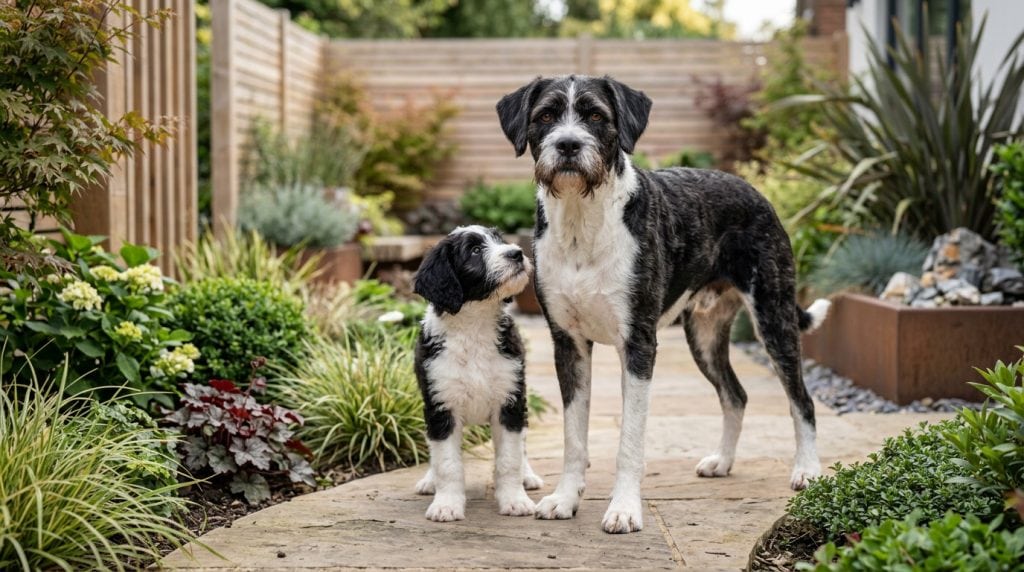
Living with a Boxerdoodle often means sharing your space with a dog that is both lively and affectionate. Their playful energy is balanced by a genuine desire to be close to their family. Many owners find that their Boxerdoodle is happiest when involved in daily activities, whether that's a brisk walk or simply lounging nearby during quiet moments.
At a glance
Core care
- Size: Medium
- Energy: Moderate to high
- Grooming: Low
- Shedding: Low
Support style
- Sensitivity: Moderate
- Training style: Willing
Breed guide
Choose a section to explore. These notes describe common patterns, but individual dogs vary widely.
The Boxerdoodle is a delightful blend of the Boxer and Poodle, bringing together the best traits of both breeds. Originally, Boxers were bred for working purposes, known for their strength and endurance, while Poodles were celebrated for their intelligence and agility. This combination results in a dog that is both energetic and clever, often eager to join in on family activities and quick to learn new tricks.
Physically, Boxerdoodles are medium-sized dogs with a sturdy build. Their appearance can vary, often inheriting the Boxer’s muscular frame and the Poodle’s curly coat. This mix means they are typically low-shedding, which many owners appreciate, especially those looking for a pet that requires less vacuuming. Their expressive faces and lively eyes often make them quite endearing, drawing smiles from those they meet.
In terms of temperament, Boxerdoodles are known for their friendly and outgoing nature. They tend to form strong bonds with their families and enjoy being part of the action. Their moderate sensitivity means they are generally attuned to the emotions of their human companions, often seeking to comfort or join in on the fun. However, each Boxerdoodle is unique, and some may exhibit more of the Poodle’s reserved nature, while others might display the Boxer’s exuberant personality.
Expectations for a Boxerdoodle should be realistic, understanding that while they have common traits, individual dogs can vary widely. Factors such as early socialisation, training, and the environment they are raised in play significant roles in shaping their behaviour. Potential owners should be prepared for a dog that thrives on interaction and enjoys a good balance of play and relaxation.
Boxerdoodles are often described as social butterflies, eager to make friends with both people and other dogs. Their outgoing nature is a reflection of their Boxer heritage, which is known for being friendly and affectionate. This social inclination means they often thrive in environments where they can interact with others, whether it’s a bustling family home or a lively dog park.
Their moderate sensitivity makes them particularly attuned to the moods of their human companions. Many owners notice how their Boxerdoodle seems to sense when someone needs a bit of cheering up, often responding with a wagging tail and a nuzzle. This sensitivity, combined with their intelligence, makes them quite responsive to training, as they are keen to please and quick to pick up on cues.
Trainability is another notable trait, with Boxerdoodles often displaying a willingness to learn. They respond well to positive reinforcement techniques, enjoying the mental stimulation that comes from training sessions. However, their playful nature can sometimes lead to distractions, so patience and consistency are key. Owners often find that keeping training sessions varied and engaging helps maintain their Boxerdoodle’s interest.
Despite their generally friendly disposition, individual Boxerdoodles can vary in their social preferences. Some might take after the Poodle side, showing a bit more reserve with strangers, while others might be as exuberant as a Boxer. Understanding these nuances helps in creating a supportive environment where a Boxerdoodle can thrive, tailoring social interactions to suit their unique personality.
A typical day for a Boxerdoodle involves a good mix of physical activity and mental stimulation. These dogs have moderate to high energy levels, so daily walks are essential. They enjoy a brisk walk around the neighbourhood or a romp in the park, where they can stretch their legs and explore new scents. Owners often find that a combination of walks and playtime keeps their Boxerdoodle content and well-exercised.
Beyond physical exercise, Boxerdoodles benefit from mental enrichment activities. Puzzle toys and interactive games can be particularly engaging for them, tapping into their intelligence and keeping their minds sharp. Many owners enjoy teaching their Boxerdoodle new tricks, as they tend to pick up commands quickly and enjoy the challenge that training provides.
As Boxerdoodles age, their exercise needs may change. Puppies are often more energetic and require frequent short bursts of activity, while older dogs might prefer a more leisurely pace. It’s important to tailor exercise routines to suit their life stage, ensuring they remain active without overexerting themselves.
Owners should be mindful of not overdoing it, as too much exercise can lead to fatigue or stress. It’s about finding the right balance that keeps them happy and healthy. Regular activity not only supports their physical health but also contributes to their overall wellbeing, helping to prevent boredom and the potential for unwanted behaviours.
Training a Boxerdoodle is often an enjoyable experience, thanks to their eager-to-please nature and intelligence. Many owners find that their Boxerdoodle responds well to positive reinforcement, such as treats and praise, which encourages them to learn and perform new commands with enthusiasm. The key is to keep training sessions fun and engaging to hold their interest.
Impulse control can be an area to focus on, particularly during adolescence when Boxerdoodles might test boundaries. Consistent training and clear communication help them understand expectations, reducing the likelihood of jumping up in excitement or pulling on the lead. Patience and persistence are crucial during this stage, as they navigate their growing independence.
Building a strong relationship through training is essential. Boxerdoodles thrive on interaction and enjoy being part of the family dynamic. Regular training sessions not only reinforce good behaviour but also strengthen the bond between dog and owner. It’s important to remember that each Boxerdoodle is unique, and what works for one might not work for another, so flexibility in approach is beneficial.
For those new to dog ownership or looking to refine their training techniques, enrolling in a course like “Puppy Beginnings: Building a Calm Start” can provide valuable insights and support. This course is particularly helpful for understanding the nuances of training a Boxerdoodle, offering guidance on how to nurture a well-adjusted and obedient companion.
Boxerdoodles tend to adapt well to a variety of living environments, making them a versatile choice for many households. They thrive in homes where they can be part of the family action, enjoying both indoor and outdoor activities. A home with a secure garden can provide them with the space to play and explore, which they often enjoy.
Families with children often find Boxerdoodles to be a good fit, as they typically enjoy the playful energy that children bring. Their friendly nature means they often get along well with kids, though supervision is always recommended to ensure interactions are safe and positive for both the dog and the children.
When it comes to other pets, Boxerdoodles can be quite sociable. Early socialisation is key to fostering positive relationships with other animals in the home. While many Boxerdoodles enjoy the company of other dogs, individual personalities can vary, so gradual introductions and monitoring are advisable.
Potential owners should consider their lifestyle and how a Boxerdoodle might fit into it. These dogs enjoy being part of daily activities and may not be suited to homes where they are left alone for long periods. Providing them with companionship and engagement helps ensure they remain happy and well-adjusted members of the family.
The health of a Boxerdoodle is closely tied to their everyday wellbeing, and attentive care can help them lead a healthy life. Regular veterinary check-ups are essential to monitor their health and catch any potential issues early. Preventive care, such as vaccinations and parasite control, plays a crucial role in maintaining their overall health.
Boxerdoodles can be prone to certain health conditions inherited from their parent breeds, such as hip dysplasia or heart conditions. Awareness of these potential issues allows owners to take proactive measures, such as maintaining a healthy weight and providing appropriate exercise, to support their Boxerdoodle’s health.
Behavioural changes can sometimes indicate underlying health issues, so it’s important for owners to be observant. If a Boxerdoodle becomes unusually lethargic or shows signs of discomfort, seeking veterinary advice is recommended. Regular monitoring of their physical condition, including skin, coat, and dental health, helps prevent minor issues from becoming major concerns.
Overall, a balanced diet, regular exercise, and mental stimulation contribute significantly to a Boxerdoodle’s health. By being attentive to their needs and providing a supportive environment, owners can help ensure their Boxerdoodle enjoys a long and healthy life.
The Boxerdoodle is a relatively recent addition to the world of designer dogs, combining the Boxer and Poodle to create a breed that embodies the strengths of both. The Boxer, originally developed in Germany, was used for a variety of working purposes, including guarding and hunting. Known for their strength and loyalty, Boxers have a long history of being reliable companions.
Poodles, on the other hand, have a history as water retrievers, prized for their intelligence and trainability. Their origins trace back to Germany and France, where they were developed for their agility and skill in retrieving game from water. This background contributes to the Boxerdoodle’s intelligence and eagerness to learn.
The combination of these two breeds results in a dog that is both energetic and intelligent, with a friendly disposition that makes them well-suited to family life. The Boxerdoodle’s history is reflected in their modern traits, such as their playful nature and ability to adapt to various activities and environments.
Understanding the origins of the Boxerdoodle helps explain their behaviour and needs today. Their working heritage means they often enjoy having a job to do, whether that’s learning new tricks or participating in family activities. This blend of history and modern living makes the Boxerdoodle a unique and engaging companion for those who appreciate their lively spirit and affectionate nature.
What shapes individual dogs
- Early social experiences
- Training approach
- Environment & routine
- Genetics & breeding
- Health & pain
- Age / life stage
The Boxerdoodle is a delightful blend of the Boxer and Poodle, bringing together the best traits of both breeds. Originally, Boxers were bred for working purposes, known for their strength and endurance, while Poodles were celebrated for their intelligence and agility. This combination results in a dog that is both energetic and clever, often eager to join in on family activities and quick to learn new tricks.
Physically, Boxerdoodles are medium-sized dogs with a sturdy build. Their appearance can vary, often inheriting the Boxer’s muscular frame and the Poodle’s curly coat. This mix means they are typically low-shedding, which many owners appreciate, especially those looking for a pet that requires less vacuuming. Their expressive faces and lively eyes often make them quite endearing, drawing smiles from those they meet.
In terms of temperament, Boxerdoodles are known for their friendly and outgoing nature. They tend to form strong bonds with their families and enjoy being part of the action. Their moderate sensitivity means they are generally attuned to the emotions of their human companions, often seeking to comfort or join in on the fun. However, each Boxerdoodle is unique, and some may exhibit more of the Poodle’s reserved nature, while others might display the Boxer’s exuberant personality.
Expectations for a Boxerdoodle should be realistic, understanding that while they have common traits, individual dogs can vary widely. Factors such as early socialisation, training, and the environment they are raised in play significant roles in shaping their behaviour. Potential owners should be prepared for a dog that thrives on interaction and enjoys a good balance of play and relaxation.
Boxerdoodles are often described as social butterflies, eager to make friends with both people and other dogs. Their outgoing nature is a reflection of their Boxer heritage, which is known for being friendly and affectionate. This social inclination means they often thrive in environments where they can interact with others, whether it’s a bustling family home or a lively dog park.
Their moderate sensitivity makes them particularly attuned to the moods of their human companions. Many owners notice how their Boxerdoodle seems to sense when someone needs a bit of cheering up, often responding with a wagging tail and a nuzzle. This sensitivity, combined with their intelligence, makes them quite responsive to training, as they are keen to please and quick to pick up on cues.
Trainability is another notable trait, with Boxerdoodles often displaying a willingness to learn. They respond well to positive reinforcement techniques, enjoying the mental stimulation that comes from training sessions. However, their playful nature can sometimes lead to distractions, so patience and consistency are key. Owners often find that keeping training sessions varied and engaging helps maintain their Boxerdoodle’s interest.
Despite their generally friendly disposition, individual Boxerdoodles can vary in their social preferences. Some might take after the Poodle side, showing a bit more reserve with strangers, while others might be as exuberant as a Boxer. Understanding these nuances helps in creating a supportive environment where a Boxerdoodle can thrive, tailoring social interactions to suit their unique personality.
A typical day for a Boxerdoodle involves a good mix of physical activity and mental stimulation. These dogs have moderate to high energy levels, so daily walks are essential. They enjoy a brisk walk around the neighbourhood or a romp in the park, where they can stretch their legs and explore new scents. Owners often find that a combination of walks and playtime keeps their Boxerdoodle content and well-exercised.
Beyond physical exercise, Boxerdoodles benefit from mental enrichment activities. Puzzle toys and interactive games can be particularly engaging for them, tapping into their intelligence and keeping their minds sharp. Many owners enjoy teaching their Boxerdoodle new tricks, as they tend to pick up commands quickly and enjoy the challenge that training provides.
As Boxerdoodles age, their exercise needs may change. Puppies are often more energetic and require frequent short bursts of activity, while older dogs might prefer a more leisurely pace. It’s important to tailor exercise routines to suit their life stage, ensuring they remain active without overexerting themselves.
Owners should be mindful of not overdoing it, as too much exercise can lead to fatigue or stress. It’s about finding the right balance that keeps them happy and healthy. Regular activity not only supports their physical health but also contributes to their overall wellbeing, helping to prevent boredom and the potential for unwanted behaviours.
Training a Boxerdoodle is often an enjoyable experience, thanks to their eager-to-please nature and intelligence. Many owners find that their Boxerdoodle responds well to positive reinforcement, such as treats and praise, which encourages them to learn and perform new commands with enthusiasm. The key is to keep training sessions fun and engaging to hold their interest.
Impulse control can be an area to focus on, particularly during adolescence when Boxerdoodles might test boundaries. Consistent training and clear communication help them understand expectations, reducing the likelihood of jumping up in excitement or pulling on the lead. Patience and persistence are crucial during this stage, as they navigate their growing independence.
Building a strong relationship through training is essential. Boxerdoodles thrive on interaction and enjoy being part of the family dynamic. Regular training sessions not only reinforce good behaviour but also strengthen the bond between dog and owner. It’s important to remember that each Boxerdoodle is unique, and what works for one might not work for another, so flexibility in approach is beneficial.
For those new to dog ownership or looking to refine their training techniques, enrolling in a course like “Puppy Beginnings: Building a Calm Start” can provide valuable insights and support. This course is particularly helpful for understanding the nuances of training a Boxerdoodle, offering guidance on how to nurture a well-adjusted and obedient companion.
Boxerdoodles tend to adapt well to a variety of living environments, making them a versatile choice for many households. They thrive in homes where they can be part of the family action, enjoying both indoor and outdoor activities. A home with a secure garden can provide them with the space to play and explore, which they often enjoy.
Families with children often find Boxerdoodles to be a good fit, as they typically enjoy the playful energy that children bring. Their friendly nature means they often get along well with kids, though supervision is always recommended to ensure interactions are safe and positive for both the dog and the children.
When it comes to other pets, Boxerdoodles can be quite sociable. Early socialisation is key to fostering positive relationships with other animals in the home. While many Boxerdoodles enjoy the company of other dogs, individual personalities can vary, so gradual introductions and monitoring are advisable.
Potential owners should consider their lifestyle and how a Boxerdoodle might fit into it. These dogs enjoy being part of daily activities and may not be suited to homes where they are left alone for long periods. Providing them with companionship and engagement helps ensure they remain happy and well-adjusted members of the family.
The health of a Boxerdoodle is closely tied to their everyday wellbeing, and attentive care can help them lead a healthy life. Regular veterinary check-ups are essential to monitor their health and catch any potential issues early. Preventive care, such as vaccinations and parasite control, plays a crucial role in maintaining their overall health.
Boxerdoodles can be prone to certain health conditions inherited from their parent breeds, such as hip dysplasia or heart conditions. Awareness of these potential issues allows owners to take proactive measures, such as maintaining a healthy weight and providing appropriate exercise, to support their Boxerdoodle’s health.
Behavioural changes can sometimes indicate underlying health issues, so it’s important for owners to be observant. If a Boxerdoodle becomes unusually lethargic or shows signs of discomfort, seeking veterinary advice is recommended. Regular monitoring of their physical condition, including skin, coat, and dental health, helps prevent minor issues from becoming major concerns.
Overall, a balanced diet, regular exercise, and mental stimulation contribute significantly to a Boxerdoodle’s health. By being attentive to their needs and providing a supportive environment, owners can help ensure their Boxerdoodle enjoys a long and healthy life.
The Boxerdoodle is a relatively recent addition to the world of designer dogs, combining the Boxer and Poodle to create a breed that embodies the strengths of both. The Boxer, originally developed in Germany, was used for a variety of working purposes, including guarding and hunting. Known for their strength and loyalty, Boxers have a long history of being reliable companions.
Poodles, on the other hand, have a history as water retrievers, prized for their intelligence and trainability. Their origins trace back to Germany and France, where they were developed for their agility and skill in retrieving game from water. This background contributes to the Boxerdoodle’s intelligence and eagerness to learn.
The combination of these two breeds results in a dog that is both energetic and intelligent, with a friendly disposition that makes them well-suited to family life. The Boxerdoodle’s history is reflected in their modern traits, such as their playful nature and ability to adapt to various activities and environments.
Understanding the origins of the Boxerdoodle helps explain their behaviour and needs today. Their working heritage means they often enjoy having a job to do, whether that’s learning new tricks or participating in family activities. This blend of history and modern living makes the Boxerdoodle a unique and engaging companion for those who appreciate their lively spirit and affectionate nature.
What shapes individual dogs
- Early social experiences
- Training approach
- Environment & routine
- Genetics & breeding
- Health & pain
- Age / life stage
Want support with this?
This course is particularly helpful for understanding the nuances of training a Boxerdoodle, offering guidance on how to nurture a well-adjusted and obedient companion.