
Bassador
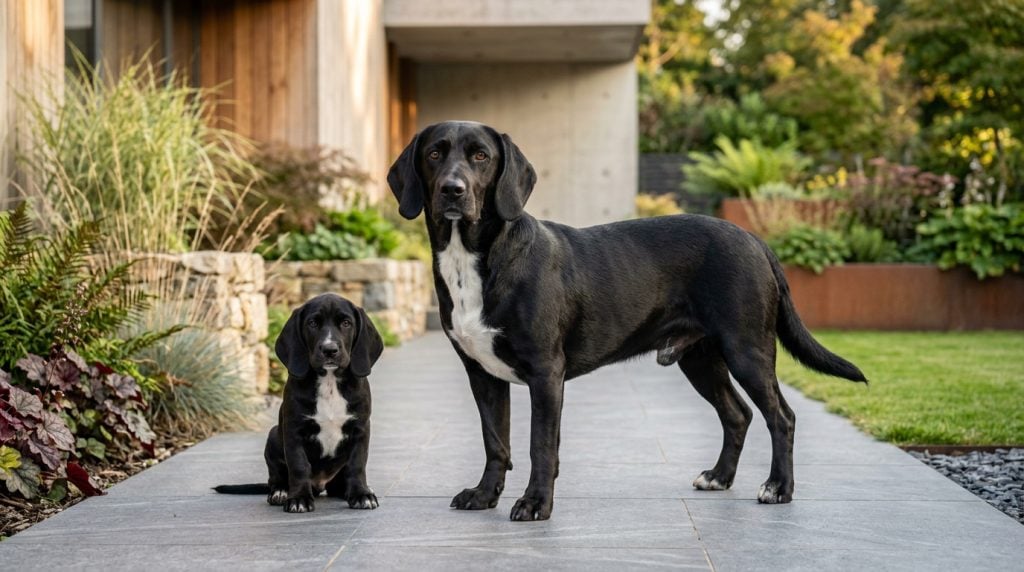
Living with a Bassador means embracing a blend of curiosity and companionship. This mixed breed often displays a unique mix of independence and affection, making them both engaging and endearing. Owners frequently find their Bassador to be a delightful mix of playful energy and laid-back charm, adapting well to various family dynamics.
At a glance
Core care
- Size: Medium
- Energy: Moderate
- Grooming: Low
- Shedding: Moderate
Support style
- Sensitivity: Moderate
- Training style: Moderate
Breed guide
Choose a section to explore. These notes describe common patterns, but individual dogs vary widely.
The Bassador, a delightful mix of Basset Hound and Labrador Retriever, brings together the best of both breeds’ histories. Originally, Basset Hounds were bred for hunting small game, using their keen sense of smell and low stature to track scents. Meanwhile, Labrador Retrievers were developed as working dogs, known for their retrieving skills and friendly disposition. This combination results in a dog that is both scent-driven and people-oriented, often displaying a strong desire to be involved in family activities.
Physically, Bassadors typically inherit the sturdy, muscular build of a Labrador, paired with the distinctive short legs of a Basset Hound. This unique combination can lead to a dog that appears both robust and somewhat comical, with a body that seems slightly elongated. Owners often notice their Bassador’s tendency to enjoy leisurely strolls, taking time to sniff and explore their surroundings, a nod to their Basset heritage.
In terms of temperament, Bassadors are generally friendly and sociable, often forming strong bonds with their families. They may display a mix of the Labrador’s eagerness to please and the Basset’s independent streak. This can lead to a dog that is both cooperative and occasionally stubborn, requiring a patient and understanding approach to training and daily interactions. Their moderate sensitivity means they respond well to gentle guidance and positive reinforcement.
As with any mixed breed, individual Bassadors can vary widely in their traits. While some may lean more towards the Labrador’s energetic and outgoing nature, others might exhibit the Basset’s laid-back and contemplative demeanor. Prospective owners should be prepared for a range of personalities and be open to adapting their approach to meet the specific needs of their Bassador.
Bassadors often display a social nature that makes them a joy to have around the home. They tend to enjoy being part of the family, often seeking out companionship and showing a keen interest in human activities. This social inclination can be traced back to their Labrador heritage, known for its friendly and outgoing disposition. Owners frequently observe their Bassador’s desire to be involved, whether it’s lounging on the couch or following family members around the house.
Their behaviour is often a blend of curiosity and laid-back charm. While they may have moments of energetic play, especially when younger, they typically settle into a more relaxed routine as they mature. This balance of energy and calmness can make them well-suited for families looking for a dog that enjoys both playtime and quiet moments. Their moderate sensitivity means they are generally attuned to their owner’s moods, often offering companionship and comfort when needed.
In terms of trainability, Bassadors can be a bit of a mixed bag. The Labrador side may show a willingness to learn and please, while the Basset side might introduce a streak of stubbornness. This combination requires a patient and consistent approach to training, with positive reinforcement proving most effective. Owners often find that understanding their Bassador’s motivations, whether it’s food, praise, or play, can make training sessions more successful.
Overall, living with a Bassador means embracing a dog with a unique blend of traits. While they may not always fit neatly into one category, their adaptability and charm often win over their families. It’s important to remember that each Bassador is an individual, and getting to know their specific personality is part of the joy of sharing your life with this breed.
A typical day for a Bassador involves a mix of moderate exercise and plenty of mental enrichment. These dogs enjoy their walks, often taking the time to sniff and explore their surroundings, which satisfies their scent-driven instincts. While they may not require the intense exercise needs of a purebred Labrador, they still benefit from regular outings that allow them to stretch their legs and engage their senses.
Incorporating mental enrichment into their routine can be particularly rewarding for a Bassador. Puzzle toys, scent games, and interactive play can help keep their minds sharp and prevent boredom. Owners often find that these activities not only provide mental stimulation but also strengthen the bond between them and their dog. It’s important to note that while Bassadors enjoy activity, they also appreciate downtime, making them adaptable to various lifestyles.
As they age, a Bassador’s exercise needs may change. Younger dogs may exhibit bursts of energy and enthusiasm for play, while older Bassadors might prefer more leisurely walks and restful afternoons. Adapting their routine to suit their life stage can help maintain their health and happiness. It’s crucial to monitor their weight and adjust their diet and exercise accordingly, as their build can make them prone to weight gain if not managed properly.
Avoiding over-exertion is key, especially given their unique body structure. Activities that are too strenuous or involve excessive jumping should be approached with caution to prevent strain on their joints. By providing a balanced mix of physical and mental activities, owners can ensure their Bassador remains content and well-adjusted throughout their life.
Training a Bassador often feels like a journey of discovery, as owners learn to navigate the blend of traits from both parent breeds. Patience and consistency are key, as these dogs can exhibit both a desire to please and a touch of stubbornness. Many owners find that positive reinforcement techniques, such as treats and praise, are particularly effective in engaging their Bassador’s attention and cooperation.
Impulse control can be an area where Bassadors benefit from focused training. Their scent-driven nature might lead them to follow their nose, sometimes at the expense of listening to commands. Practicing recall in a safe, enclosed area can help reinforce their responsiveness. Building a strong relationship based on trust and mutual respect is essential, as it encourages them to look to their owner for guidance.
Adolescence can bring its own set of challenges, as Bassadors may test boundaries and exhibit independent behaviours. During this stage, maintaining a consistent routine and reinforcing training cues can help guide them through this developmental period. Owners often find that keeping training sessions short and engaging helps hold their Bassador’s interest and prevents frustration.
Ultimately, training a Bassador is about understanding their individual motivations and adapting techniques to suit their personality. While some may respond eagerly to food rewards, others might be more driven by play or affection. By embracing their unique traits and providing a supportive environment, owners can foster a well-behaved and happy companion.
Bassadors tend to adapt well to a variety of living environments, making them a versatile choice for many households. Their moderate energy levels mean they can be content in both apartments and houses, provided they receive regular exercise and mental stimulation. Owners often find that their Bassador’s adaptable nature allows them to fit into different family dynamics with ease.
In homes with children, Bassadors often thrive as they enjoy the interaction and playtime that kids can provide. Their friendly disposition and patience make them a suitable companion for families, though supervision is always recommended to ensure safe and positive interactions. With other pets, Bassadors can generally coexist peacefully, especially if introduced properly and given time to adjust.
For those who enjoy outdoor activities, a Bassador can be a delightful companion. They often relish walks and hikes, taking in the scents and sights with enthusiasm. However, their tendency to follow their nose means they should be kept on a lead in unsecured areas to prevent them from wandering off.
Ultimately, a Bassador’s suitability to a home depends on the lifestyle and expectations of the owner. They require companionship and engagement but are also capable of enjoying quiet moments. Prospective owners should consider their ability to provide a balanced routine that includes exercise, mental enrichment, and social interaction to ensure their Bassador thrives.
Health plays a crucial role in the everyday wellbeing of a Bassador, influencing both their physical comfort and behavioural tendencies. As a mixed breed, they may inherit health considerations from both the Basset Hound and Labrador Retriever. Common concerns can include joint issues, such as hip dysplasia, and weight management, given their sturdy build.
Preventive care is essential to maintaining a Bassador’s health. Regular veterinary check-ups can help monitor their weight, joint health, and overall condition. Keeping them at a healthy weight through a balanced diet and appropriate exercise is vital to reducing stress on their joints and preventing obesity-related issues.
Owners often notice that a Bassador’s health can impact their behaviour. For instance, discomfort from joint issues might lead to reluctance in exercise or changes in mood. Being attentive to these signs and seeking veterinary advice when needed can help address potential problems early and maintain their quality of life.
It’s important to remember that while some health issues may be more common in the breed, not every Bassador will experience them. A proactive approach to health care, including a nutritious diet, regular exercise, and routine vet visits, can contribute significantly to their overall wellbeing and longevity.
The Bassador’s origins are a blend of two distinct breeds, each with its own rich history. The Basset Hound, known for its exceptional scent-tracking abilities, was originally bred in France for hunting small game. Their low stature and long ears helped them capture scents close to the ground, making them excellent trackers. Meanwhile, the Labrador Retriever hails from Newfoundland, where they were developed as working dogs, retrieving fish and game for their handlers.
The intentional crossbreeding of these two breeds aimed to combine the best traits of both: the Basset’s scenting prowess and the Labrador’s friendly, cooperative nature. This mix has resulted in a dog that is both people-oriented and scent-driven, often displaying a unique blend of curiosity and companionship.
Over time, the Bassador has become known for its adaptability and charm, appealing to families and individuals alike. Their history as working dogs explains their desire to be active and involved, whether it’s through play, walks, or simply being part of the family routine. This background also contributes to their moderate energy levels, making them suitable for a variety of lifestyles.
Understanding the Bassador’s history helps explain many of the traits owners will recognise today. Their scent-driven nature, combined with a friendly disposition, makes them both engaging and endearing companions. While they may not have a long history as a distinct breed, their lineage provides a rich tapestry of traits that continue to make them a beloved choice for dog lovers.
What shapes individual dogs
- Early social experiences
- Training approach
- Environment & routine
- Genetics & breeding
- Health & pain
- Age / life stage
The Bassador, a delightful mix of Basset Hound and Labrador Retriever, brings together the best of both breeds’ histories. Originally, Basset Hounds were bred for hunting small game, using their keen sense of smell and low stature to track scents. Meanwhile, Labrador Retrievers were developed as working dogs, known for their retrieving skills and friendly disposition. This combination results in a dog that is both scent-driven and people-oriented, often displaying a strong desire to be involved in family activities.
Physically, Bassadors typically inherit the sturdy, muscular build of a Labrador, paired with the distinctive short legs of a Basset Hound. This unique combination can lead to a dog that appears both robust and somewhat comical, with a body that seems slightly elongated. Owners often notice their Bassador’s tendency to enjoy leisurely strolls, taking time to sniff and explore their surroundings, a nod to their Basset heritage.
In terms of temperament, Bassadors are generally friendly and sociable, often forming strong bonds with their families. They may display a mix of the Labrador’s eagerness to please and the Basset’s independent streak. This can lead to a dog that is both cooperative and occasionally stubborn, requiring a patient and understanding approach to training and daily interactions. Their moderate sensitivity means they respond well to gentle guidance and positive reinforcement.
As with any mixed breed, individual Bassadors can vary widely in their traits. While some may lean more towards the Labrador’s energetic and outgoing nature, others might exhibit the Basset’s laid-back and contemplative demeanor. Prospective owners should be prepared for a range of personalities and be open to adapting their approach to meet the specific needs of their Bassador.
Bassadors often display a social nature that makes them a joy to have around the home. They tend to enjoy being part of the family, often seeking out companionship and showing a keen interest in human activities. This social inclination can be traced back to their Labrador heritage, known for its friendly and outgoing disposition. Owners frequently observe their Bassador’s desire to be involved, whether it’s lounging on the couch or following family members around the house.
Their behaviour is often a blend of curiosity and laid-back charm. While they may have moments of energetic play, especially when younger, they typically settle into a more relaxed routine as they mature. This balance of energy and calmness can make them well-suited for families looking for a dog that enjoys both playtime and quiet moments. Their moderate sensitivity means they are generally attuned to their owner’s moods, often offering companionship and comfort when needed.
In terms of trainability, Bassadors can be a bit of a mixed bag. The Labrador side may show a willingness to learn and please, while the Basset side might introduce a streak of stubbornness. This combination requires a patient and consistent approach to training, with positive reinforcement proving most effective. Owners often find that understanding their Bassador’s motivations, whether it’s food, praise, or play, can make training sessions more successful.
Overall, living with a Bassador means embracing a dog with a unique blend of traits. While they may not always fit neatly into one category, their adaptability and charm often win over their families. It’s important to remember that each Bassador is an individual, and getting to know their specific personality is part of the joy of sharing your life with this breed.
A typical day for a Bassador involves a mix of moderate exercise and plenty of mental enrichment. These dogs enjoy their walks, often taking the time to sniff and explore their surroundings, which satisfies their scent-driven instincts. While they may not require the intense exercise needs of a purebred Labrador, they still benefit from regular outings that allow them to stretch their legs and engage their senses.
Incorporating mental enrichment into their routine can be particularly rewarding for a Bassador. Puzzle toys, scent games, and interactive play can help keep their minds sharp and prevent boredom. Owners often find that these activities not only provide mental stimulation but also strengthen the bond between them and their dog. It’s important to note that while Bassadors enjoy activity, they also appreciate downtime, making them adaptable to various lifestyles.
As they age, a Bassador’s exercise needs may change. Younger dogs may exhibit bursts of energy and enthusiasm for play, while older Bassadors might prefer more leisurely walks and restful afternoons. Adapting their routine to suit their life stage can help maintain their health and happiness. It’s crucial to monitor their weight and adjust their diet and exercise accordingly, as their build can make them prone to weight gain if not managed properly.
Avoiding over-exertion is key, especially given their unique body structure. Activities that are too strenuous or involve excessive jumping should be approached with caution to prevent strain on their joints. By providing a balanced mix of physical and mental activities, owners can ensure their Bassador remains content and well-adjusted throughout their life.
Training a Bassador often feels like a journey of discovery, as owners learn to navigate the blend of traits from both parent breeds. Patience and consistency are key, as these dogs can exhibit both a desire to please and a touch of stubbornness. Many owners find that positive reinforcement techniques, such as treats and praise, are particularly effective in engaging their Bassador’s attention and cooperation.
Impulse control can be an area where Bassadors benefit from focused training. Their scent-driven nature might lead them to follow their nose, sometimes at the expense of listening to commands. Practicing recall in a safe, enclosed area can help reinforce their responsiveness. Building a strong relationship based on trust and mutual respect is essential, as it encourages them to look to their owner for guidance.
Adolescence can bring its own set of challenges, as Bassadors may test boundaries and exhibit independent behaviours. During this stage, maintaining a consistent routine and reinforcing training cues can help guide them through this developmental period. Owners often find that keeping training sessions short and engaging helps hold their Bassador’s interest and prevents frustration.
Ultimately, training a Bassador is about understanding their individual motivations and adapting techniques to suit their personality. While some may respond eagerly to food rewards, others might be more driven by play or affection. By embracing their unique traits and providing a supportive environment, owners can foster a well-behaved and happy companion.
Bassadors tend to adapt well to a variety of living environments, making them a versatile choice for many households. Their moderate energy levels mean they can be content in both apartments and houses, provided they receive regular exercise and mental stimulation. Owners often find that their Bassador’s adaptable nature allows them to fit into different family dynamics with ease.
In homes with children, Bassadors often thrive as they enjoy the interaction and playtime that kids can provide. Their friendly disposition and patience make them a suitable companion for families, though supervision is always recommended to ensure safe and positive interactions. With other pets, Bassadors can generally coexist peacefully, especially if introduced properly and given time to adjust.
For those who enjoy outdoor activities, a Bassador can be a delightful companion. They often relish walks and hikes, taking in the scents and sights with enthusiasm. However, their tendency to follow their nose means they should be kept on a lead in unsecured areas to prevent them from wandering off.
Ultimately, a Bassador’s suitability to a home depends on the lifestyle and expectations of the owner. They require companionship and engagement but are also capable of enjoying quiet moments. Prospective owners should consider their ability to provide a balanced routine that includes exercise, mental enrichment, and social interaction to ensure their Bassador thrives.
Health plays a crucial role in the everyday wellbeing of a Bassador, influencing both their physical comfort and behavioural tendencies. As a mixed breed, they may inherit health considerations from both the Basset Hound and Labrador Retriever. Common concerns can include joint issues, such as hip dysplasia, and weight management, given their sturdy build.
Preventive care is essential to maintaining a Bassador’s health. Regular veterinary check-ups can help monitor their weight, joint health, and overall condition. Keeping them at a healthy weight through a balanced diet and appropriate exercise is vital to reducing stress on their joints and preventing obesity-related issues.
Owners often notice that a Bassador’s health can impact their behaviour. For instance, discomfort from joint issues might lead to reluctance in exercise or changes in mood. Being attentive to these signs and seeking veterinary advice when needed can help address potential problems early and maintain their quality of life.
It’s important to remember that while some health issues may be more common in the breed, not every Bassador will experience them. A proactive approach to health care, including a nutritious diet, regular exercise, and routine vet visits, can contribute significantly to their overall wellbeing and longevity.
The Bassador’s origins are a blend of two distinct breeds, each with its own rich history. The Basset Hound, known for its exceptional scent-tracking abilities, was originally bred in France for hunting small game. Their low stature and long ears helped them capture scents close to the ground, making them excellent trackers. Meanwhile, the Labrador Retriever hails from Newfoundland, where they were developed as working dogs, retrieving fish and game for their handlers.
The intentional crossbreeding of these two breeds aimed to combine the best traits of both: the Basset’s scenting prowess and the Labrador’s friendly, cooperative nature. This mix has resulted in a dog that is both people-oriented and scent-driven, often displaying a unique blend of curiosity and companionship.
Over time, the Bassador has become known for its adaptability and charm, appealing to families and individuals alike. Their history as working dogs explains their desire to be active and involved, whether it’s through play, walks, or simply being part of the family routine. This background also contributes to their moderate energy levels, making them suitable for a variety of lifestyles.
Understanding the Bassador’s history helps explain many of the traits owners will recognise today. Their scent-driven nature, combined with a friendly disposition, makes them both engaging and endearing companions. While they may not have a long history as a distinct breed, their lineage provides a rich tapestry of traits that continue to make them a beloved choice for dog lovers.
What shapes individual dogs
- Early social experiences
- Training approach
- Environment & routine
- Genetics & breeding
- Health & pain
- Age / life stage
Want support with this?
This course is relevant for Bassador owners to help navigate the unique challenges of raising a mixed breed puppy with varied traits.