
Poochon
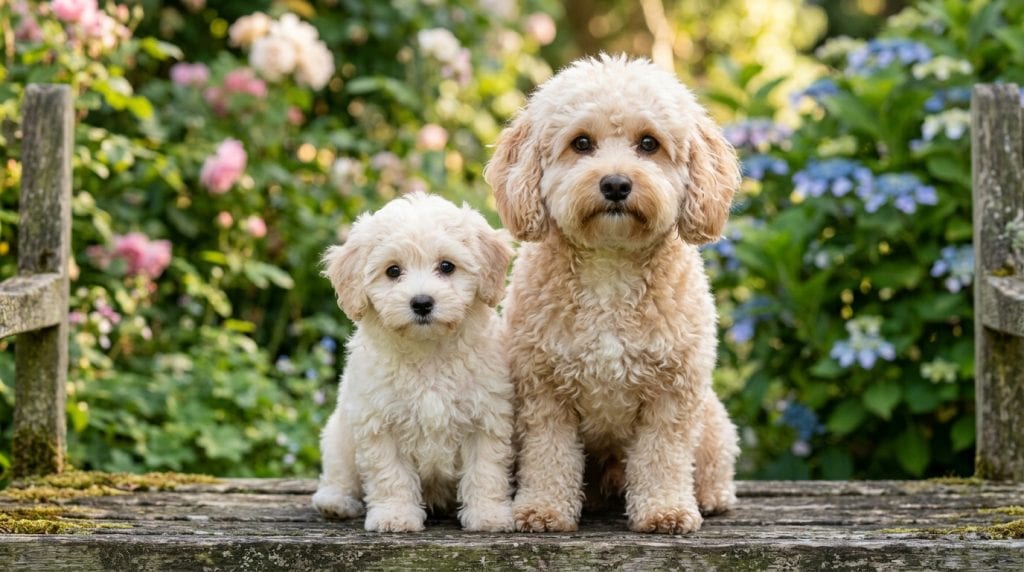
Living with a Poochon often means having a lively, affectionate companion by your side. This breed is known for its playful energy and willingness to engage with family activities, making it a delightful presence in many homes. Owners frequently notice their Poochon's keen interest in being part of the action, whether it's a walk in the park or a cozy evening indoors.
At a glance
Core care
- Size: Small
- Energy: Moderate to high
- Grooming: Low
- Shedding: Low
Support style
- Sensitivity: Moderate
- Training style: Willing
Breed guide
Choose a section to explore. These notes describe common patterns, but individual dogs vary widely.
The Poochon, a delightful mix of the Bichon Frise and Poodle, inherits a rich history from both parent breeds. The Bichon Frise, originally a companion dog for sailors and nobility, brings a legacy of charm and sociability. Meanwhile, the Poodle, known for its intelligence and versatility, contributes a keen mind and a love for learning. This blend results in a dog that is both engaging and eager to please, making the Poochon a popular choice for those seeking a lively yet manageable companion.
Physically, Poochons are small, often weighing between 6 to 12 kilograms, with a compact and sturdy build. Their coats, a mix of the Bichon’s soft curls and the Poodle’s hypoallergenic properties, require regular grooming to maintain their appearance and health. This grooming need is a key consideration for potential owners, as regular brushing and professional grooming sessions are necessary to prevent matting and keep their coat in top condition.
Temperamentally, Poochons are known for their friendly and outgoing nature. They thrive on interaction and often form strong bonds with their families. Owners typically notice their Poochon’s enthusiasm for play and social activities, which can make them a wonderful addition to active households. However, like all breeds, individual Poochons may vary, with some being more reserved or independent than others.
When considering a Poochon, it’s important to remember that while breed traits offer a general guide, each dog is unique. Factors such as early socialization, training, and individual personality play significant roles in shaping a Poochon’s behavior. Prospective owners should be prepared for the commitment of regular grooming and be ready to engage with their dog through play and training to fully enjoy the companionship this breed offers.
Poochons are often noted for their sociable and friendly nature, making them a joy to have around. Their lineage from the Bichon Frise and Poodle means they often have a strong desire to be involved in family activities. This social inclination can be seen in their eagerness to join in on walks, playtime, or simply lounging with their human companions. Many owners appreciate how their Poochon seems to thrive when included in daily routines, adding a layer of joy and companionship to everyday life.
Their moderate sensitivity makes them responsive to their environment and the emotions of those around them. This trait can be both a blessing and a challenge, as Poochons may pick up on household tensions or changes, sometimes reacting with heightened alertness or anxiety. Understanding this sensitivity is key to providing a stable and supportive environment, helping them feel secure and content.
Trainability is another notable aspect of the Poochon’s temperament. They are generally willing learners, eager to please their owners, which can make training a rewarding experience. Positive reinforcement techniques, such as treats and praise, often work well, encouraging them to engage and learn new commands or tricks. This willingness to learn, coupled with their intelligence, means they can excel in various activities, from basic obedience to more complex tasks.
While Poochons are generally friendly and outgoing, individual personalities can vary. Some may be more reserved or independent, reflecting the diverse traits inherited from their parent breeds. It’s important for owners to recognize these individual differences and adapt their approach to meet their dog’s unique needs. By fostering a supportive and understanding environment, owners can help their Poochon develop into a well-rounded and happy companion.
A typical day for a Poochon involves a good balance of physical activity and mental stimulation. Their moderate to high energy levels mean they benefit from regular walks and play sessions, which help keep them fit and happy. A brisk walk around the neighbourhood or a playful romp in the garden can be great ways to burn off energy and keep them engaged. Owners often find that incorporating variety into their exercise routine keeps their Poochon interested and excited.
Mental enrichment is equally important for this intelligent breed. Puzzle toys, training games, and interactive play can provide the mental stimulation they crave. These activities not only challenge their minds but also strengthen the bond between dog and owner. Engaging their problem-solving skills can be particularly rewarding, as Poochons enjoy the challenge and the opportunity to use their intelligence.
It’s important to adjust exercise and enrichment activities as a Poochon ages. Puppies and young adults may require more frequent and varied activities to match their high energy levels, while older Poochons may appreciate gentler walks and more relaxed play. Paying attention to their changing needs helps ensure they remain healthy and content throughout their lives.
Owners should be mindful of not over-exercising their Poochon, especially in extreme weather conditions. Being a small breed, they can be sensitive to heat and cold, so it’s crucial to tailor activities to suit the weather and their individual tolerance. By providing a balanced mix of physical and mental activities, owners can help their Poochon lead a fulfilling and active life.
Training a Poochon often feels like a delightful collaboration between dog and owner. With their willingness to learn and eagerness to please, Poochons typically respond well to positive reinforcement methods. Using treats, praise, and play as rewards can make training sessions enjoyable and productive. Many owners find that their Poochon quickly picks up new commands and tricks, making training a rewarding experience for both parties.
Consistency and patience are key when training this breed. While they are generally eager learners, Poochons can sometimes display a streak of independence, especially during adolescence. This phase may require a bit more patience and creativity in training approaches. By maintaining a consistent routine and setting clear expectations, owners can help their Poochon navigate this developmental stage successfully.
Building a strong relationship based on trust and respect is crucial for effective training. Poochons thrive in environments where they feel secure and understood. Taking the time to understand their individual needs and motivations can enhance the training process, making it more effective and enjoyable. Owners often find that a strong bond with their Poochon leads to better communication and cooperation.
For those new to dog training or seeking additional support, enrolling in a training class or seeking guidance from a professional trainer can be beneficial. These resources can provide valuable insights and techniques tailored to the Poochon’s unique temperament and learning style. With the right approach, training a Poochon can be a fulfilling journey that strengthens the bond between dog and owner.
Poochons tend to adapt well to a variety of living environments, making them a versatile choice for many households. Their small size and moderate energy levels mean they can thrive in both apartments and larger homes, provided they receive adequate exercise and mental stimulation. Many owners appreciate their adaptability and the way they seamlessly integrate into family life.
This breed often enjoys being part of a bustling household, and they typically get along well with children and other pets. However, as with any breed, supervision and proper introductions are important to ensure harmonious relationships. Poochons can be playful and gentle with children, but it’s crucial to teach both the dog and children how to interact respectfully and safely.
For those who enjoy an active lifestyle, the Poochon can be a delightful companion, eager to join in on walks, hikes, or playtime in the garden. Their sociable nature means they often enjoy outings and being part of family activities. Owners who engage with their Poochon regularly find that these dogs thrive on interaction and companionship.
While Poochons are adaptable, it’s important for potential owners to consider their grooming needs and the time commitment required for regular care. Ensuring they have a stable and loving environment, with plenty of opportunities for social interaction and exercise, will help them lead a happy and fulfilling life. By understanding their needs and providing a supportive home, owners can enjoy the lively and affectionate companionship of a Poochon.
The health and wellbeing of a Poochon are closely tied to their everyday care and lifestyle. As a mixed breed, they may inherit health traits from both the Bichon Frise and Poodle, making regular veterinary check-ups essential for early detection and management of potential issues. Maintaining a healthy weight through a balanced diet and regular exercise is crucial for their overall health.
Common health concerns for Poochons can include dental issues, ear infections, and skin sensitivities. Regular dental care, such as brushing and providing dental chews, helps prevent plaque build-up and maintain oral health. Ear care is also important, as their floppy ears can be prone to infections. Owners should regularly check and clean their Poochon’s ears to prevent problems.
Skin care is another aspect to consider, as Poochons can sometimes experience sensitivities or allergies. Using gentle grooming products and maintaining a clean coat can help minimise skin issues. It’s also important to monitor for any signs of discomfort or irritation and consult a vet if concerns arise.
Preventive care, including vaccinations and parasite control, plays a vital role in keeping a Poochon healthy. Regular check-ups with a veterinarian provide an opportunity to discuss any health concerns and ensure they are receiving appropriate care. By staying informed and proactive about their health, owners can help their Poochon lead a long and healthy life.
The Poochon is a relatively recent addition to the canine world, emerging as a popular designer breed in the late 20th century. This breed combines the charming qualities of the Bichon Frise with the intelligence and low-shedding coat of the Poodle. The Bichon Frise, with its origins as a companion dog for sailors and nobility, brings a history of sociability and adaptability to the mix. Meanwhile, the Poodle, known for its versatility and intelligence, adds a layer of trainability and hypoallergenic appeal.
The development of the Poochon was driven by a desire to create a small, friendly companion dog that would suit a variety of living situations. Breeders aimed to combine the best traits of both parent breeds, resulting in a dog that is not only adorable but also intelligent and eager to please. This blend of characteristics has made the Poochon a popular choice for families and individuals alike.
In modern times, Poochons have become known for their lively and affectionate nature, traits that can be traced back to their parent breeds. The Bichon Frise’s history as a beloved companion is evident in the Poochon’s sociable disposition, while the Poodle’s intelligence shines through in their trainability and eagerness to learn. These qualities make them well-suited to life as a family pet or a devoted companion for individuals.
Understanding the Poochon’s origins helps explain their modern traits, providing insight into their behaviour and needs. By appreciating the history and purpose behind this breed, owners can better understand and meet the needs of their Poochon, ensuring a happy and harmonious relationship.
What shapes individual dogs
- Early social experiences
- Training approach
- Environment & routine
- Genetics & breeding
- Health & pain
- Age / life stage
The Poochon, a delightful mix of the Bichon Frise and Poodle, inherits a rich history from both parent breeds. The Bichon Frise, originally a companion dog for sailors and nobility, brings a legacy of charm and sociability. Meanwhile, the Poodle, known for its intelligence and versatility, contributes a keen mind and a love for learning. This blend results in a dog that is both engaging and eager to please, making the Poochon a popular choice for those seeking a lively yet manageable companion.
Physically, Poochons are small, often weighing between 6 to 12 kilograms, with a compact and sturdy build. Their coats, a mix of the Bichon’s soft curls and the Poodle’s hypoallergenic properties, require regular grooming to maintain their appearance and health. This grooming need is a key consideration for potential owners, as regular brushing and professional grooming sessions are necessary to prevent matting and keep their coat in top condition.
Temperamentally, Poochons are known for their friendly and outgoing nature. They thrive on interaction and often form strong bonds with their families. Owners typically notice their Poochon’s enthusiasm for play and social activities, which can make them a wonderful addition to active households. However, like all breeds, individual Poochons may vary, with some being more reserved or independent than others.
When considering a Poochon, it’s important to remember that while breed traits offer a general guide, each dog is unique. Factors such as early socialization, training, and individual personality play significant roles in shaping a Poochon’s behavior. Prospective owners should be prepared for the commitment of regular grooming and be ready to engage with their dog through play and training to fully enjoy the companionship this breed offers.
Poochons are often noted for their sociable and friendly nature, making them a joy to have around. Their lineage from the Bichon Frise and Poodle means they often have a strong desire to be involved in family activities. This social inclination can be seen in their eagerness to join in on walks, playtime, or simply lounging with their human companions. Many owners appreciate how their Poochon seems to thrive when included in daily routines, adding a layer of joy and companionship to everyday life.
Their moderate sensitivity makes them responsive to their environment and the emotions of those around them. This trait can be both a blessing and a challenge, as Poochons may pick up on household tensions or changes, sometimes reacting with heightened alertness or anxiety. Understanding this sensitivity is key to providing a stable and supportive environment, helping them feel secure and content.
Trainability is another notable aspect of the Poochon’s temperament. They are generally willing learners, eager to please their owners, which can make training a rewarding experience. Positive reinforcement techniques, such as treats and praise, often work well, encouraging them to engage and learn new commands or tricks. This willingness to learn, coupled with their intelligence, means they can excel in various activities, from basic obedience to more complex tasks.
While Poochons are generally friendly and outgoing, individual personalities can vary. Some may be more reserved or independent, reflecting the diverse traits inherited from their parent breeds. It’s important for owners to recognize these individual differences and adapt their approach to meet their dog’s unique needs. By fostering a supportive and understanding environment, owners can help their Poochon develop into a well-rounded and happy companion.
A typical day for a Poochon involves a good balance of physical activity and mental stimulation. Their moderate to high energy levels mean they benefit from regular walks and play sessions, which help keep them fit and happy. A brisk walk around the neighbourhood or a playful romp in the garden can be great ways to burn off energy and keep them engaged. Owners often find that incorporating variety into their exercise routine keeps their Poochon interested and excited.
Mental enrichment is equally important for this intelligent breed. Puzzle toys, training games, and interactive play can provide the mental stimulation they crave. These activities not only challenge their minds but also strengthen the bond between dog and owner. Engaging their problem-solving skills can be particularly rewarding, as Poochons enjoy the challenge and the opportunity to use their intelligence.
It’s important to adjust exercise and enrichment activities as a Poochon ages. Puppies and young adults may require more frequent and varied activities to match their high energy levels, while older Poochons may appreciate gentler walks and more relaxed play. Paying attention to their changing needs helps ensure they remain healthy and content throughout their lives.
Owners should be mindful of not over-exercising their Poochon, especially in extreme weather conditions. Being a small breed, they can be sensitive to heat and cold, so it’s crucial to tailor activities to suit the weather and their individual tolerance. By providing a balanced mix of physical and mental activities, owners can help their Poochon lead a fulfilling and active life.
Training a Poochon often feels like a delightful collaboration between dog and owner. With their willingness to learn and eagerness to please, Poochons typically respond well to positive reinforcement methods. Using treats, praise, and play as rewards can make training sessions enjoyable and productive. Many owners find that their Poochon quickly picks up new commands and tricks, making training a rewarding experience for both parties.
Consistency and patience are key when training this breed. While they are generally eager learners, Poochons can sometimes display a streak of independence, especially during adolescence. This phase may require a bit more patience and creativity in training approaches. By maintaining a consistent routine and setting clear expectations, owners can help their Poochon navigate this developmental stage successfully.
Building a strong relationship based on trust and respect is crucial for effective training. Poochons thrive in environments where they feel secure and understood. Taking the time to understand their individual needs and motivations can enhance the training process, making it more effective and enjoyable. Owners often find that a strong bond with their Poochon leads to better communication and cooperation.
For those new to dog training or seeking additional support, enrolling in a training class or seeking guidance from a professional trainer can be beneficial. These resources can provide valuable insights and techniques tailored to the Poochon’s unique temperament and learning style. With the right approach, training a Poochon can be a fulfilling journey that strengthens the bond between dog and owner.
Poochons tend to adapt well to a variety of living environments, making them a versatile choice for many households. Their small size and moderate energy levels mean they can thrive in both apartments and larger homes, provided they receive adequate exercise and mental stimulation. Many owners appreciate their adaptability and the way they seamlessly integrate into family life.
This breed often enjoys being part of a bustling household, and they typically get along well with children and other pets. However, as with any breed, supervision and proper introductions are important to ensure harmonious relationships. Poochons can be playful and gentle with children, but it’s crucial to teach both the dog and children how to interact respectfully and safely.
For those who enjoy an active lifestyle, the Poochon can be a delightful companion, eager to join in on walks, hikes, or playtime in the garden. Their sociable nature means they often enjoy outings and being part of family activities. Owners who engage with their Poochon regularly find that these dogs thrive on interaction and companionship.
While Poochons are adaptable, it’s important for potential owners to consider their grooming needs and the time commitment required for regular care. Ensuring they have a stable and loving environment, with plenty of opportunities for social interaction and exercise, will help them lead a happy and fulfilling life. By understanding their needs and providing a supportive home, owners can enjoy the lively and affectionate companionship of a Poochon.
The health and wellbeing of a Poochon are closely tied to their everyday care and lifestyle. As a mixed breed, they may inherit health traits from both the Bichon Frise and Poodle, making regular veterinary check-ups essential for early detection and management of potential issues. Maintaining a healthy weight through a balanced diet and regular exercise is crucial for their overall health.
Common health concerns for Poochons can include dental issues, ear infections, and skin sensitivities. Regular dental care, such as brushing and providing dental chews, helps prevent plaque build-up and maintain oral health. Ear care is also important, as their floppy ears can be prone to infections. Owners should regularly check and clean their Poochon’s ears to prevent problems.
Skin care is another aspect to consider, as Poochons can sometimes experience sensitivities or allergies. Using gentle grooming products and maintaining a clean coat can help minimise skin issues. It’s also important to monitor for any signs of discomfort or irritation and consult a vet if concerns arise.
Preventive care, including vaccinations and parasite control, plays a vital role in keeping a Poochon healthy. Regular check-ups with a veterinarian provide an opportunity to discuss any health concerns and ensure they are receiving appropriate care. By staying informed and proactive about their health, owners can help their Poochon lead a long and healthy life.
The Poochon is a relatively recent addition to the canine world, emerging as a popular designer breed in the late 20th century. This breed combines the charming qualities of the Bichon Frise with the intelligence and low-shedding coat of the Poodle. The Bichon Frise, with its origins as a companion dog for sailors and nobility, brings a history of sociability and adaptability to the mix. Meanwhile, the Poodle, known for its versatility and intelligence, adds a layer of trainability and hypoallergenic appeal.
The development of the Poochon was driven by a desire to create a small, friendly companion dog that would suit a variety of living situations. Breeders aimed to combine the best traits of both parent breeds, resulting in a dog that is not only adorable but also intelligent and eager to please. This blend of characteristics has made the Poochon a popular choice for families and individuals alike.
In modern times, Poochons have become known for their lively and affectionate nature, traits that can be traced back to their parent breeds. The Bichon Frise’s history as a beloved companion is evident in the Poochon’s sociable disposition, while the Poodle’s intelligence shines through in their trainability and eagerness to learn. These qualities make them well-suited to life as a family pet or a devoted companion for individuals.
Understanding the Poochon’s origins helps explain their modern traits, providing insight into their behaviour and needs. By appreciating the history and purpose behind this breed, owners can better understand and meet the needs of their Poochon, ensuring a happy and harmonious relationship.
What shapes individual dogs
- Early social experiences
- Training approach
- Environment & routine
- Genetics & breeding
- Health & pain
- Age / life stage
Want support with this?
This course is perfect for Poochon owners looking to navigate the challenges of puppyhood and adolescence with confidence.