
Cavachon
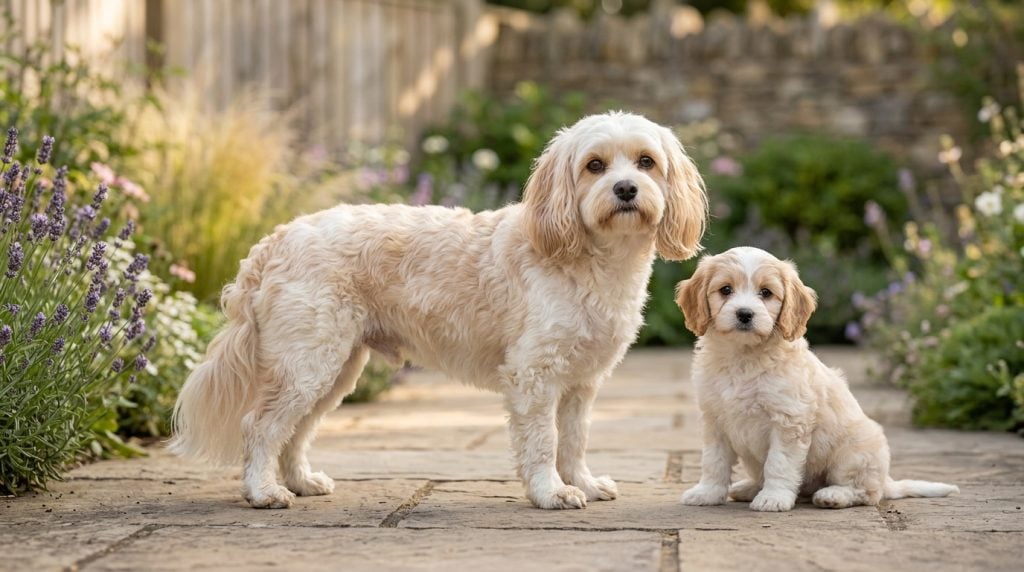
Living with a Cavachon often feels like having a cheerful companion who thrives on being part of the family. Their gentle nature and eagerness to please make them a delightful presence in any home. Many owners find that their Cavachon is happiest when involved in everyday activities, whether that's a leisurely walk or simply curling up on the sofa together.
At a glance
Core care
- Size: Small
- Energy: Moderate
- Grooming: Low
- Shedding: Low
Support style
- Sensitivity: High
- Training style: Willing
Breed guide
Choose a section to explore. These notes describe common patterns, but individual dogs vary widely.
The Cavachon is a delightful blend of the Cavalier King Charles Spaniel and the Bichon Frise, combining the best traits of both breeds into a charming companion. Originally bred as a designer dog to capture the affectionate nature of the Cavalier and the hypoallergenic coat of the Bichon, the Cavachon has found its place as a beloved family pet. This mix results in a dog that is not only endearing but also adaptable, making them well-suited to various living situations.
Physically, Cavachons are small dogs, typically weighing between 15 to 20 pounds. Their size makes them ideal for apartment living, yet they are sturdy enough to enjoy outdoor adventures. Their soft, wavy coat is low-shedding, which many owners appreciate, particularly those with allergies. The coat requires regular grooming to prevent matting, but the effort is often rewarded with a dog that looks as charming as its personality suggests.
Temperamentally, Cavachons are known for their friendly and sociable nature. They tend to get along well with children and other pets, making them a great addition to family homes. Owners often notice their Cavachon’s eagerness to please, which can make training a relatively smooth process. However, their high sensitivity means they thrive best in environments where they receive gentle guidance and plenty of affection.
While Cavachons generally exhibit these traits, it’s important to remember that each dog is an individual. Factors such as genetics, upbringing, and environment play significant roles in shaping a dog’s personality. Prospective owners should be prepared for some variation and be willing to adapt their approach to meet their specific dog’s needs.
Cavachons are often described as social butterflies, thriving on interaction with their human companions. This social nature stems from their parent breeds, both of which are known for their affectionate and people-oriented dispositions. Owners frequently notice that their Cavachon prefers to be in the company of family members, whether that’s following them around the house or sitting contentedly by their side.
Their high sensitivity means that Cavachons are attuned to the emotions of those around them. This can make them wonderfully empathetic companions, but it also means they can be sensitive to changes in their environment or routine. Owners often find that a stable, loving home where the dog feels secure is key to a Cavachon’s happiness. Their willingness to please makes them responsive to positive reinforcement, which can be a useful tool in training.
Cavachons are generally eager learners, thanks to their willingness to please. This trait, combined with their intelligence, means they often pick up new commands and tricks quickly. However, their sensitive nature means that harsh training methods can be counterproductive. Gentle, consistent guidance tends to yield the best results, fostering a trusting relationship between dog and owner.
Despite their generally friendly disposition, individual Cavachons can vary in their social preferences. Some may be more outgoing and eager to meet new people, while others might be more reserved. Understanding and respecting these individual differences is important for fostering a positive relationship. Overall, Cavachons tend to be adaptable and affectionate companions, bringing joy and warmth to their families.
A typical day for a Cavachon involves a balance of moderate exercise and plenty of relaxation. These dogs enjoy a couple of short walks each day, which help to keep them physically fit and mentally stimulated. While they have moderate energy levels, they are not hyperactive, making them well-suited to owners who enjoy a more relaxed pace of life.
In addition to walks, Cavachons benefit from playtime that engages both their body and mind. Interactive toys, puzzle feeders, and games like fetch can provide the mental enrichment they crave. Owners often find that their Cavachon enjoys a variety of activities, so mixing up the routine can keep things interesting for both dog and owner.
As Cavachons age, their exercise needs may change. Puppies and young dogs tend to have bursts of energy and may require more frequent play sessions to burn off their enthusiasm. In contrast, older Cavachons might prefer shorter, more leisurely strolls and extended nap times. Being attuned to these changes can help ensure that your Cavachon remains happy and healthy throughout their life.
It’s important to avoid over-exercising a Cavachon, especially in extreme weather conditions. Their small size means they can overheat or become exhausted more easily than larger breeds. Owners should pay attention to their dog’s signals and adjust activities accordingly. Overall, a balanced approach to exercise and enrichment will help keep a Cavachon content and well-adjusted.
Training a Cavachon often feels like a rewarding experience for owners, as these dogs are typically eager to learn and please. Their willingness to engage makes them responsive to training sessions that are positive and fun. Many owners find that short, consistent sessions work best, allowing the Cavachon to maintain focus without becoming overwhelmed.
Positive reinforcement techniques, such as treats, praise, and play, tend to resonate well with Cavachons. Their sensitive nature means they respond best to encouragement rather than correction. Building a strong bond through trust and mutual respect is key, as this breed thrives on a close relationship with their owner.
During adolescence, Cavachons, like many breeds, may test boundaries as they explore their independence. This is a normal part of development, and maintaining a consistent training routine can help guide them through this phase. Patience and understanding are crucial, as is keeping training sessions engaging and rewarding.
Overall, Cavachons benefit from a training approach that is both structured and flexible. While they appreciate routine, they also enjoy variety in their learning experiences. By focusing on building a positive relationship and adapting to the individual dog’s needs, owners can help their Cavachon develop into a well-mannered and confident companion.
Cavachons tend to adapt well to various living environments, making them a versatile choice for many homes. Their small size and moderate energy levels mean they are well-suited to apartment living, provided they receive regular walks and mental stimulation. Many owners appreciate their adaptability, as Cavachons can thrive in both urban and rural settings.
Families often find that Cavachons integrate well into their homes, thanks to their friendly and gentle nature. They tend to get along well with children, enjoying playtime and companionship. However, it’s important for interactions to be supervised, especially with younger children, to ensure that both the dog and child are safe and comfortable.
Cavachons can also coexist peacefully with other pets, particularly if they are socialized from a young age. Their sociable nature often means they enjoy having a playmate, whether it’s another dog or even a cat. However, individual temperament can vary, so introductions should be managed carefully to ensure a positive relationship.
Ultimately, Cavachons thrive in homes where they receive plenty of attention and affection. They enjoy being part of the family and participating in daily activities. Prospective owners should consider their ability to provide the companionship and care that a Cavachon needs to flourish.
Health is a key component of a Cavachon’s overall wellbeing, influencing their behaviour and quality of life. While generally healthy, Cavachons can be prone to certain health issues inherited from their parent breeds, such as heart problems and joint issues. Regular veterinary check-ups are essential to monitor their health and catch any potential issues early.
Preventive care is crucial for maintaining a Cavachon’s health. This includes vaccinations, dental care, and regular grooming to prevent skin and ear infections. Owners often find that a balanced diet and regular exercise contribute significantly to their dog’s overall health and vitality.
Behaviourally, health issues can sometimes manifest as changes in temperament or activity levels. Owners should be attentive to any sudden changes, such as increased lethargy or irritability, as these can be indicators of underlying health concerns. Seeking veterinary advice promptly can help address these issues before they become more serious.
Overall, maintaining a Cavachon’s health involves a combination of regular veterinary care, a healthy lifestyle, and attentive observation. By staying proactive about their dog’s health, owners can help ensure that their Cavachon enjoys a long, happy life.
The Cavachon is a relatively recent addition to the canine world, emerging in the late 20th century as part of the designer dog trend. This breed is a cross between the Cavalier King Charles Spaniel and the Bichon Frise, both of which have rich histories as companion animals. The goal was to create a dog that combined the best qualities of both breeds, resulting in a friendly, low-shedding companion.
The Cavalier King Charles Spaniel brings a regal history to the mix, originally bred as a lapdog for royalty and nobility. Their affectionate nature and gentle disposition have made them beloved companions for centuries. On the other hand, the Bichon Frise has a history as a charming entertainer, known for their playful and sociable nature. This blend of traits is evident in the Cavachon, which often exhibits a delightful combination of warmth and playfulness.
The development of the Cavachon was driven by a desire for a small, hypoallergenic companion that could fit well into family life. This breed has quickly gained popularity due to its adaptable nature and appealing temperament. Many owners are drawn to the Cavachon for their friendly disposition and manageable size, making them suitable for a variety of living situations.
Understanding the history of the Cavachon helps explain many of the traits owners observe today. Their affectionate and social nature is a reflection of their heritage, while their low-shedding coat is a practical benefit for those with allergies. This blend of history and modern appeal makes the Cavachon a cherished companion for many.
What shapes individual dogs
- Early social experiences
- Training approach
- Environment & routine
- Genetics & breeding
- Health & pain
- Age / life stage
The Cavachon is a delightful blend of the Cavalier King Charles Spaniel and the Bichon Frise, combining the best traits of both breeds into a charming companion. Originally bred as a designer dog to capture the affectionate nature of the Cavalier and the hypoallergenic coat of the Bichon, the Cavachon has found its place as a beloved family pet. This mix results in a dog that is not only endearing but also adaptable, making them well-suited to various living situations.
Physically, Cavachons are small dogs, typically weighing between 15 to 20 pounds. Their size makes them ideal for apartment living, yet they are sturdy enough to enjoy outdoor adventures. Their soft, wavy coat is low-shedding, which many owners appreciate, particularly those with allergies. The coat requires regular grooming to prevent matting, but the effort is often rewarded with a dog that looks as charming as its personality suggests.
Temperamentally, Cavachons are known for their friendly and sociable nature. They tend to get along well with children and other pets, making them a great addition to family homes. Owners often notice their Cavachon’s eagerness to please, which can make training a relatively smooth process. However, their high sensitivity means they thrive best in environments where they receive gentle guidance and plenty of affection.
While Cavachons generally exhibit these traits, it’s important to remember that each dog is an individual. Factors such as genetics, upbringing, and environment play significant roles in shaping a dog’s personality. Prospective owners should be prepared for some variation and be willing to adapt their approach to meet their specific dog’s needs.
Cavachons are often described as social butterflies, thriving on interaction with their human companions. This social nature stems from their parent breeds, both of which are known for their affectionate and people-oriented dispositions. Owners frequently notice that their Cavachon prefers to be in the company of family members, whether that’s following them around the house or sitting contentedly by their side.
Their high sensitivity means that Cavachons are attuned to the emotions of those around them. This can make them wonderfully empathetic companions, but it also means they can be sensitive to changes in their environment or routine. Owners often find that a stable, loving home where the dog feels secure is key to a Cavachon’s happiness. Their willingness to please makes them responsive to positive reinforcement, which can be a useful tool in training.
Cavachons are generally eager learners, thanks to their willingness to please. This trait, combined with their intelligence, means they often pick up new commands and tricks quickly. However, their sensitive nature means that harsh training methods can be counterproductive. Gentle, consistent guidance tends to yield the best results, fostering a trusting relationship between dog and owner.
Despite their generally friendly disposition, individual Cavachons can vary in their social preferences. Some may be more outgoing and eager to meet new people, while others might be more reserved. Understanding and respecting these individual differences is important for fostering a positive relationship. Overall, Cavachons tend to be adaptable and affectionate companions, bringing joy and warmth to their families.
A typical day for a Cavachon involves a balance of moderate exercise and plenty of relaxation. These dogs enjoy a couple of short walks each day, which help to keep them physically fit and mentally stimulated. While they have moderate energy levels, they are not hyperactive, making them well-suited to owners who enjoy a more relaxed pace of life.
In addition to walks, Cavachons benefit from playtime that engages both their body and mind. Interactive toys, puzzle feeders, and games like fetch can provide the mental enrichment they crave. Owners often find that their Cavachon enjoys a variety of activities, so mixing up the routine can keep things interesting for both dog and owner.
As Cavachons age, their exercise needs may change. Puppies and young dogs tend to have bursts of energy and may require more frequent play sessions to burn off their enthusiasm. In contrast, older Cavachons might prefer shorter, more leisurely strolls and extended nap times. Being attuned to these changes can help ensure that your Cavachon remains happy and healthy throughout their life.
It’s important to avoid over-exercising a Cavachon, especially in extreme weather conditions. Their small size means they can overheat or become exhausted more easily than larger breeds. Owners should pay attention to their dog’s signals and adjust activities accordingly. Overall, a balanced approach to exercise and enrichment will help keep a Cavachon content and well-adjusted.
Training a Cavachon often feels like a rewarding experience for owners, as these dogs are typically eager to learn and please. Their willingness to engage makes them responsive to training sessions that are positive and fun. Many owners find that short, consistent sessions work best, allowing the Cavachon to maintain focus without becoming overwhelmed.
Positive reinforcement techniques, such as treats, praise, and play, tend to resonate well with Cavachons. Their sensitive nature means they respond best to encouragement rather than correction. Building a strong bond through trust and mutual respect is key, as this breed thrives on a close relationship with their owner.
During adolescence, Cavachons, like many breeds, may test boundaries as they explore their independence. This is a normal part of development, and maintaining a consistent training routine can help guide them through this phase. Patience and understanding are crucial, as is keeping training sessions engaging and rewarding.
Overall, Cavachons benefit from a training approach that is both structured and flexible. While they appreciate routine, they also enjoy variety in their learning experiences. By focusing on building a positive relationship and adapting to the individual dog’s needs, owners can help their Cavachon develop into a well-mannered and confident companion.
Cavachons tend to adapt well to various living environments, making them a versatile choice for many homes. Their small size and moderate energy levels mean they are well-suited to apartment living, provided they receive regular walks and mental stimulation. Many owners appreciate their adaptability, as Cavachons can thrive in both urban and rural settings.
Families often find that Cavachons integrate well into their homes, thanks to their friendly and gentle nature. They tend to get along well with children, enjoying playtime and companionship. However, it’s important for interactions to be supervised, especially with younger children, to ensure that both the dog and child are safe and comfortable.
Cavachons can also coexist peacefully with other pets, particularly if they are socialized from a young age. Their sociable nature often means they enjoy having a playmate, whether it’s another dog or even a cat. However, individual temperament can vary, so introductions should be managed carefully to ensure a positive relationship.
Ultimately, Cavachons thrive in homes where they receive plenty of attention and affection. They enjoy being part of the family and participating in daily activities. Prospective owners should consider their ability to provide the companionship and care that a Cavachon needs to flourish.
Health is a key component of a Cavachon’s overall wellbeing, influencing their behaviour and quality of life. While generally healthy, Cavachons can be prone to certain health issues inherited from their parent breeds, such as heart problems and joint issues. Regular veterinary check-ups are essential to monitor their health and catch any potential issues early.
Preventive care is crucial for maintaining a Cavachon’s health. This includes vaccinations, dental care, and regular grooming to prevent skin and ear infections. Owners often find that a balanced diet and regular exercise contribute significantly to their dog’s overall health and vitality.
Behaviourally, health issues can sometimes manifest as changes in temperament or activity levels. Owners should be attentive to any sudden changes, such as increased lethargy or irritability, as these can be indicators of underlying health concerns. Seeking veterinary advice promptly can help address these issues before they become more serious.
Overall, maintaining a Cavachon’s health involves a combination of regular veterinary care, a healthy lifestyle, and attentive observation. By staying proactive about their dog’s health, owners can help ensure that their Cavachon enjoys a long, happy life.
The Cavachon is a relatively recent addition to the canine world, emerging in the late 20th century as part of the designer dog trend. This breed is a cross between the Cavalier King Charles Spaniel and the Bichon Frise, both of which have rich histories as companion animals. The goal was to create a dog that combined the best qualities of both breeds, resulting in a friendly, low-shedding companion.
The Cavalier King Charles Spaniel brings a regal history to the mix, originally bred as a lapdog for royalty and nobility. Their affectionate nature and gentle disposition have made them beloved companions for centuries. On the other hand, the Bichon Frise has a history as a charming entertainer, known for their playful and sociable nature. This blend of traits is evident in the Cavachon, which often exhibits a delightful combination of warmth and playfulness.
The development of the Cavachon was driven by a desire for a small, hypoallergenic companion that could fit well into family life. This breed has quickly gained popularity due to its adaptable nature and appealing temperament. Many owners are drawn to the Cavachon for their friendly disposition and manageable size, making them suitable for a variety of living situations.
Understanding the history of the Cavachon helps explain many of the traits owners observe today. Their affectionate and social nature is a reflection of their heritage, while their low-shedding coat is a practical benefit for those with allergies. This blend of history and modern appeal makes the Cavachon a cherished companion for many.
What shapes individual dogs
- Early social experiences
- Training approach
- Environment & routine
- Genetics & breeding
- Health & pain
- Age / life stage
Want support with this?
This course offers valuable insights into understanding the sensitive and social nature of Cavachons, helping owners build a strong, trusting relationship.