
Bullador
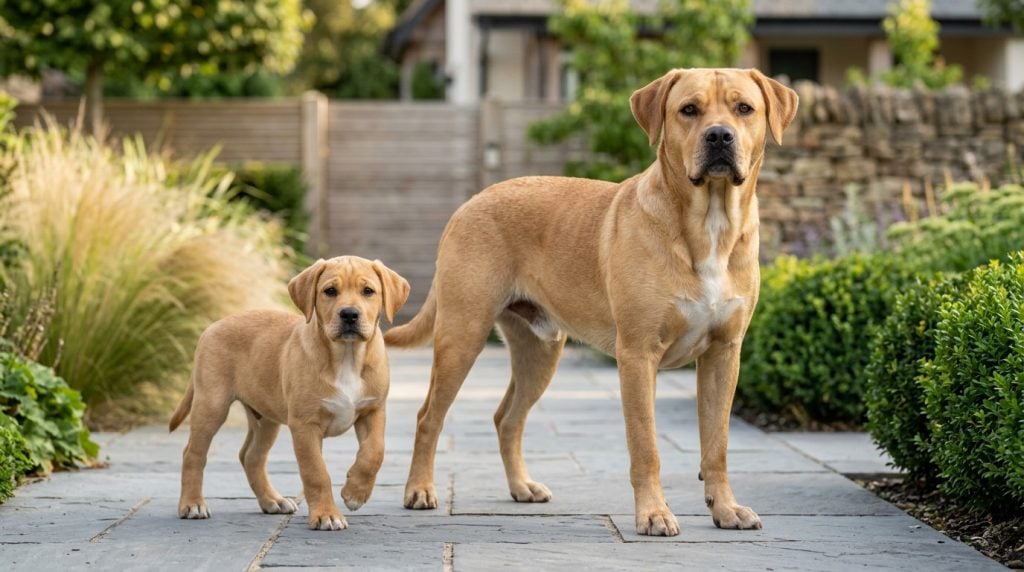
Living with a Bullador often feels like having a loyal and energetic companion by your side. They tend to be playful and affectionate, bringing a lively spirit to the household. Many owners appreciate their eagerness to please, which often makes them a joy to train and interact with daily.
At a glance
Core care
- Size: Medium
- Energy: Moderate to high
- Grooming: Low
- Shedding: Moderate
Support style
- Sensitivity: Moderate
- Training style: Willing
Breed guide
Choose a section to explore. These notes describe common patterns, but individual dogs vary widely.
The Bullador, a blend of the Bulldog and Labrador Retriever, carries a rich history of companionship and work. This mixed breed inherits traits from both parent breeds, resulting in a dog that is both sturdy and eager to engage with its family. Historically, Bulldogs were known for their tenacity and courage, while Labradors brought a reputation for being reliable working dogs. Today, the Bullador often embodies a mix of these qualities, making them both resilient and friendly.
Physically, Bulladors are medium-sized dogs with a robust build that hints at their Bulldog lineage, yet they often carry the athletic grace of a Labrador. This combination means they are generally well-suited for active families who enjoy outdoor activities. Their appearance can vary, with some Bulladors leaning more towards the stocky Bulldog frame, while others may have the leaner physique of a Labrador. Regardless of their specific look, they tend to have an expressive face that can easily convey their mood.
In terms of temperament, Bulladors are often noted for their sociable nature. They typically enjoy being around people and can be quite affectionate. Many owners find that their Bullador is happiest when included in family activities, whether that’s a walk in the park or a lazy afternoon at home. While they can be energetic, they also have a laid-back side that makes them adaptable to different lifestyles. Their moderate sensitivity means they usually respond well to gentle guidance and positive reinforcement.
It’s important to remember that, like all dogs, Bulladors can vary widely in their behaviours and preferences. While many may exhibit the traits described, individual dogs will have their own unique personalities. Factors such as genetics, early socialisation, and ongoing training all play significant roles in shaping a Bullador’s character. Prospective owners should be prepared for a dog that may surprise them with its individuality.
Bulladors often exhibit a friendly and outgoing nature, making them a popular choice for families and individuals alike. Their social tendencies mean they usually enjoy interacting with both people and other animals. Many owners notice that their Bullador is quick to greet visitors and often seeks out companionship, whether that’s through play or simply lounging nearby.
This breed’s behaviour is often driven by a desire to be part of the action. Their Labrador heritage contributes to a willingness to please, which can make training a rewarding experience. Bulladors generally respond well to positive reinforcement techniques, thriving on praise and treats. Their moderate sensitivity means they benefit from a calm and consistent approach, as they can sometimes be a bit stubborn if they sense uncertainty.
In everyday life, Bulladors tend to be adaptable, fitting into a variety of living situations. They often enjoy a balance of activity and relaxation, making them suitable for both active households and those who prefer a quieter lifestyle. Their energy levels can vary, with some Bulladors being more laid-back, while others may have a more playful and energetic disposition.
Owners often find that their Bullador’s temperament is influenced by early socialisation and ongoing training. Introducing them to a variety of experiences and environments from a young age can help them grow into well-rounded adults. While they generally have a good-natured temperament, individual variations mean that each Bullador will have its own unique quirks and preferences.
A typical day for a Bullador often includes a mix of physical activity and mental stimulation. With their moderate to high energy levels, they generally enjoy a couple of walks or play sessions each day. Activities like fetch or agility exercises can be particularly enjoyable for them, tapping into their natural enthusiasm and drive.
Physical exercise is important for maintaining their health and happiness, but mental enrichment is equally crucial. Puzzle toys, scent games, or basic obedience training can help keep their minds engaged and prevent boredom. Many Bulladors thrive when given a job to do, even if it’s as simple as retrieving a toy or learning a new trick.
As they age, Bulladors may require adjustments to their exercise routine. Puppies often have bursts of energy and benefit from frequent, short play sessions. Adult Bulladors might enjoy more structured activities, while seniors may prefer gentler walks and less strenuous play. It’s important to tailor their exercise to their life stage and physical condition.
Owners should be mindful not to over-exercise their Bullador, especially in hot weather, as their Bulldog heritage can make them prone to overheating. Providing plenty of water and breaks during activity can help keep them comfortable. Balancing their need for activity with rest is key to ensuring they remain healthy and content.
Training a Bullador often feels like working with a willing and eager student. Their Labrador lineage contributes to a desire to please, which can make them responsive to training efforts. Many owners find that using positive reinforcement techniques, such as treats and praise, works well with this breed.
Consistency is crucial when training a Bullador, as they can sometimes exhibit a stubborn streak inherited from their Bulldog side. Establishing clear rules and routines helps them understand what is expected. Early socialisation and exposure to different environments and people can also aid in shaping a well-adjusted adult dog.
During adolescence, some Bulladors may test boundaries, a common phase for many breeds. Patience and perseverance are important during this time, as is maintaining a positive and encouraging training environment. Engaging their minds with new challenges and keeping training sessions varied can help sustain their interest.
Building a strong relationship based on trust and understanding is key to successful training with a Bullador. They often respond best to a gentle approach that respects their moderate sensitivity. For owners new to dog training, enrolling in a course like “Puppy Beginnings: Building a Calm Start” can provide valuable guidance and support.
Bulladors tend to fit well into a variety of home environments, thanks to their adaptable nature. They often thrive in homes where they can be part of the family activities, whether that means joining in on adventures or simply being present during daily routines. Their moderate to high energy levels mean they appreciate having space to move around, but they can also adapt to smaller living spaces with regular exercise.
Families with children often find that Bulladors make great companions. Their playful and affectionate nature means they usually enjoy interacting with kids, although supervision is always recommended to ensure positive interactions. Bulladors can also get along well with other pets, particularly if they are introduced to them from a young age.
While they are generally sociable and friendly, Bulladors do benefit from having a consistent routine and clear boundaries. This helps them understand their place within the household and can prevent behavioural issues. Owners who are willing to invest time in training and socialisation often find that their Bullador becomes a well-mannered and beloved family member.
Ultimately, the Bullador’s suitability for a particular home depends on the lifestyle and preferences of the owners. Those who enjoy an active lifestyle and are looking for a loyal and engaging companion may find that a Bullador fits seamlessly into their lives.
Maintaining a Bullador’s health is an important aspect of their overall wellbeing. Regular veterinary check-ups and preventive care can help catch potential issues early and keep them in good health. Like all breeds, Bulladors can be prone to certain health conditions, so staying informed and proactive is key.
Some Bulladors may inherit health concerns from their parent breeds, such as hip dysplasia or skin allergies. Being aware of these possibilities allows owners to monitor for signs and seek veterinary advice if needed. A balanced diet and regular exercise can also contribute to maintaining a healthy weight, which is important for joint health.
Owners often find that a Bullador’s health can influence their behaviour. A dog in discomfort may become less active or more irritable, so it’s important to pay attention to any changes in behaviour that could indicate a health issue. Regular grooming and observation can help catch skin or ear problems early.
Overall, being attentive to a Bullador’s health needs and providing a supportive environment can help ensure they lead a happy and healthy life. For those concerned about potential health issues, the “Canine First Aid: A Practical Guide” course can offer valuable insights into managing and preventing common health problems.
The Bullador is a relatively modern mixed breed, combining the strengths of the Bulldog and the Labrador Retriever. Bulldogs have a storied past as courageous and tenacious dogs, originally bred for bull-baiting. Over time, they transitioned into companion animals known for their loyalty and distinctive appearance. Labradors, on the other hand, have a history rooted in retrieving and working closely with humans, prized for their intelligence and cooperative nature.
The combination of these two breeds aims to bring together the best of both worlds, resulting in a dog that is both robust and friendly. The Bullador inherits the Bulldog’s sturdy build and the Labrador’s athleticism, creating a versatile companion suited for various activities and lifestyles. This blend of traits often appeals to those looking for a dog that can keep up with an active family while still being a loving pet.
The development of the Bullador reflects a growing interest in mixed breeds that offer unique combinations of characteristics. While not recognised as a purebred, the Bullador’s popularity continues to rise as more people discover their charming personalities and adaptable nature. They are often seen as embodying the best qualities of their parent breeds, making them a desirable choice for many dog lovers.
Understanding the Bullador’s origins helps explain some of their modern traits, such as their sociable disposition and willingness to engage with family members. While each Bullador will have its own unique personality, their history provides a foundation for the traits that many owners come to appreciate in this mixed breed.
What shapes individual dogs
- Early social experiences
- Training approach
- Environment & routine
- Genetics & breeding
- Health & pain
- Age / life stage
The Bullador, a blend of the Bulldog and Labrador Retriever, carries a rich history of companionship and work. This mixed breed inherits traits from both parent breeds, resulting in a dog that is both sturdy and eager to engage with its family. Historically, Bulldogs were known for their tenacity and courage, while Labradors brought a reputation for being reliable working dogs. Today, the Bullador often embodies a mix of these qualities, making them both resilient and friendly.
Physically, Bulladors are medium-sized dogs with a robust build that hints at their Bulldog lineage, yet they often carry the athletic grace of a Labrador. This combination means they are generally well-suited for active families who enjoy outdoor activities. Their appearance can vary, with some Bulladors leaning more towards the stocky Bulldog frame, while others may have the leaner physique of a Labrador. Regardless of their specific look, they tend to have an expressive face that can easily convey their mood.
In terms of temperament, Bulladors are often noted for their sociable nature. They typically enjoy being around people and can be quite affectionate. Many owners find that their Bullador is happiest when included in family activities, whether that’s a walk in the park or a lazy afternoon at home. While they can be energetic, they also have a laid-back side that makes them adaptable to different lifestyles. Their moderate sensitivity means they usually respond well to gentle guidance and positive reinforcement.
It’s important to remember that, like all dogs, Bulladors can vary widely in their behaviours and preferences. While many may exhibit the traits described, individual dogs will have their own unique personalities. Factors such as genetics, early socialisation, and ongoing training all play significant roles in shaping a Bullador’s character. Prospective owners should be prepared for a dog that may surprise them with its individuality.
Bulladors often exhibit a friendly and outgoing nature, making them a popular choice for families and individuals alike. Their social tendencies mean they usually enjoy interacting with both people and other animals. Many owners notice that their Bullador is quick to greet visitors and often seeks out companionship, whether that’s through play or simply lounging nearby.
This breed’s behaviour is often driven by a desire to be part of the action. Their Labrador heritage contributes to a willingness to please, which can make training a rewarding experience. Bulladors generally respond well to positive reinforcement techniques, thriving on praise and treats. Their moderate sensitivity means they benefit from a calm and consistent approach, as they can sometimes be a bit stubborn if they sense uncertainty.
In everyday life, Bulladors tend to be adaptable, fitting into a variety of living situations. They often enjoy a balance of activity and relaxation, making them suitable for both active households and those who prefer a quieter lifestyle. Their energy levels can vary, with some Bulladors being more laid-back, while others may have a more playful and energetic disposition.
Owners often find that their Bullador’s temperament is influenced by early socialisation and ongoing training. Introducing them to a variety of experiences and environments from a young age can help them grow into well-rounded adults. While they generally have a good-natured temperament, individual variations mean that each Bullador will have its own unique quirks and preferences.
A typical day for a Bullador often includes a mix of physical activity and mental stimulation. With their moderate to high energy levels, they generally enjoy a couple of walks or play sessions each day. Activities like fetch or agility exercises can be particularly enjoyable for them, tapping into their natural enthusiasm and drive.
Physical exercise is important for maintaining their health and happiness, but mental enrichment is equally crucial. Puzzle toys, scent games, or basic obedience training can help keep their minds engaged and prevent boredom. Many Bulladors thrive when given a job to do, even if it’s as simple as retrieving a toy or learning a new trick.
As they age, Bulladors may require adjustments to their exercise routine. Puppies often have bursts of energy and benefit from frequent, short play sessions. Adult Bulladors might enjoy more structured activities, while seniors may prefer gentler walks and less strenuous play. It’s important to tailor their exercise to their life stage and physical condition.
Owners should be mindful not to over-exercise their Bullador, especially in hot weather, as their Bulldog heritage can make them prone to overheating. Providing plenty of water and breaks during activity can help keep them comfortable. Balancing their need for activity with rest is key to ensuring they remain healthy and content.
Training a Bullador often feels like working with a willing and eager student. Their Labrador lineage contributes to a desire to please, which can make them responsive to training efforts. Many owners find that using positive reinforcement techniques, such as treats and praise, works well with this breed.
Consistency is crucial when training a Bullador, as they can sometimes exhibit a stubborn streak inherited from their Bulldog side. Establishing clear rules and routines helps them understand what is expected. Early socialisation and exposure to different environments and people can also aid in shaping a well-adjusted adult dog.
During adolescence, some Bulladors may test boundaries, a common phase for many breeds. Patience and perseverance are important during this time, as is maintaining a positive and encouraging training environment. Engaging their minds with new challenges and keeping training sessions varied can help sustain their interest.
Building a strong relationship based on trust and understanding is key to successful training with a Bullador. They often respond best to a gentle approach that respects their moderate sensitivity. For owners new to dog training, enrolling in a course like “Puppy Beginnings: Building a Calm Start” can provide valuable guidance and support.
Bulladors tend to fit well into a variety of home environments, thanks to their adaptable nature. They often thrive in homes where they can be part of the family activities, whether that means joining in on adventures or simply being present during daily routines. Their moderate to high energy levels mean they appreciate having space to move around, but they can also adapt to smaller living spaces with regular exercise.
Families with children often find that Bulladors make great companions. Their playful and affectionate nature means they usually enjoy interacting with kids, although supervision is always recommended to ensure positive interactions. Bulladors can also get along well with other pets, particularly if they are introduced to them from a young age.
While they are generally sociable and friendly, Bulladors do benefit from having a consistent routine and clear boundaries. This helps them understand their place within the household and can prevent behavioural issues. Owners who are willing to invest time in training and socialisation often find that their Bullador becomes a well-mannered and beloved family member.
Ultimately, the Bullador’s suitability for a particular home depends on the lifestyle and preferences of the owners. Those who enjoy an active lifestyle and are looking for a loyal and engaging companion may find that a Bullador fits seamlessly into their lives.
Maintaining a Bullador’s health is an important aspect of their overall wellbeing. Regular veterinary check-ups and preventive care can help catch potential issues early and keep them in good health. Like all breeds, Bulladors can be prone to certain health conditions, so staying informed and proactive is key.
Some Bulladors may inherit health concerns from their parent breeds, such as hip dysplasia or skin allergies. Being aware of these possibilities allows owners to monitor for signs and seek veterinary advice if needed. A balanced diet and regular exercise can also contribute to maintaining a healthy weight, which is important for joint health.
Owners often find that a Bullador’s health can influence their behaviour. A dog in discomfort may become less active or more irritable, so it’s important to pay attention to any changes in behaviour that could indicate a health issue. Regular grooming and observation can help catch skin or ear problems early.
Overall, being attentive to a Bullador’s health needs and providing a supportive environment can help ensure they lead a happy and healthy life. For those concerned about potential health issues, the “Canine First Aid: A Practical Guide” course can offer valuable insights into managing and preventing common health problems.
The Bullador is a relatively modern mixed breed, combining the strengths of the Bulldog and the Labrador Retriever. Bulldogs have a storied past as courageous and tenacious dogs, originally bred for bull-baiting. Over time, they transitioned into companion animals known for their loyalty and distinctive appearance. Labradors, on the other hand, have a history rooted in retrieving and working closely with humans, prized for their intelligence and cooperative nature.
The combination of these two breeds aims to bring together the best of both worlds, resulting in a dog that is both robust and friendly. The Bullador inherits the Bulldog’s sturdy build and the Labrador’s athleticism, creating a versatile companion suited for various activities and lifestyles. This blend of traits often appeals to those looking for a dog that can keep up with an active family while still being a loving pet.
The development of the Bullador reflects a growing interest in mixed breeds that offer unique combinations of characteristics. While not recognised as a purebred, the Bullador’s popularity continues to rise as more people discover their charming personalities and adaptable nature. They are often seen as embodying the best qualities of their parent breeds, making them a desirable choice for many dog lovers.
Understanding the Bullador’s origins helps explain some of their modern traits, such as their sociable disposition and willingness to engage with family members. While each Bullador will have its own unique personality, their history provides a foundation for the traits that many owners come to appreciate in this mixed breed.
What shapes individual dogs
- Early social experiences
- Training approach
- Environment & routine
- Genetics & breeding
- Health & pain
- Age / life stage
Want support with this?
This course is relevant for Bullador owners as it provides guidance on establishing a calm and structured start for your puppy, which is essential for this eager-to-please breed.