
Pomsky
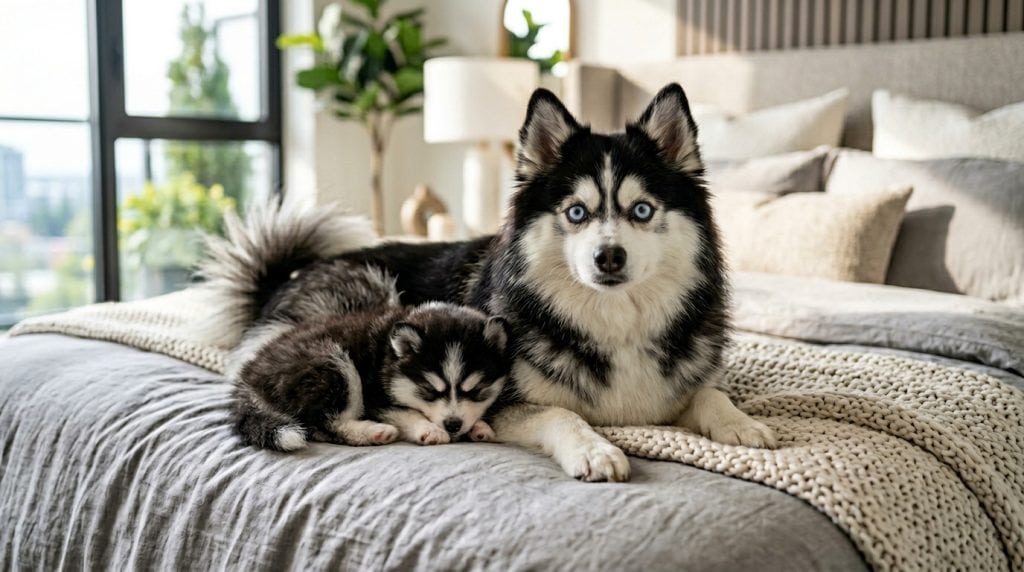
Living with a Pomsky often feels like sharing your home with a curious and spirited companion. These dogs tend to have a playful energy that keeps things lively, yet they also enjoy moments of relaxation with their family. Their mix of characteristics from both the Pomeranian and Siberian Husky can make them both charmingly independent and affectionately social.
At a glance
Core care
- Size: Small
- Energy: Moderate to high
- Grooming: Low
- Shedding: Moderate
Support style
- Sensitivity: Moderate
- Training style: Moderate
Breed guide
Choose a section to explore. These notes describe common patterns, but individual dogs vary widely.
The Pomsky, a delightful cross between the Pomeranian and Siberian Husky, is a relatively new hybrid that captures the playful spirit and striking looks of both parent breeds. This mix was originally developed to combine the Husky’s striking appearance with the Pomeranian’s compact size, creating a dog that is both eye-catching and manageable in size. Today, Pomskies are cherished for their unique blend of traits, which often reflect the working backgrounds of their ancestors.
Physically, Pomskies can vary quite a bit, but they generally maintain a small to medium stature, often weighing between 15 to 30 pounds. Their coats are typically thick and fluffy, a nod to their Husky lineage, and come in a variety of colours and patterns. This luxurious coat requires regular grooming to keep it looking its best and to manage shedding, which can be moderate throughout the year.
In terms of temperament, Pomskies are known for their lively and engaging personalities. Owners often notice their Pomsky’s love for play and interaction, which can make them delightful companions. However, their temperament can vary, with some individuals leaning more towards the independent nature of the Husky, while others might exhibit the sociable and affectionate traits of the Pomeranian. This variability means that each Pomsky can be quite unique in its behaviour.
Prospective owners should be prepared for a dog that may exhibit a range of behaviours and energy levels. While many Pomskies are energetic and playful, others might be more reserved. It’s important to remember that individual dogs can differ significantly, influenced by their genetics, upbringing, and environment. Understanding and appreciating these differences is key to a harmonious relationship with a Pomsky.
Pomskies are often described as having a social and playful nature, which can make them a joy to have around the home. Many owners find that their Pomsky thrives on interaction, whether it’s through play, training, or simply being part of the family activities. This social inclination often means they enjoy the company of people and can form strong bonds with their human companions.
The breed’s moderate sensitivity means that Pomskies are generally attuned to their environment and the emotions of those around them. This can make them responsive to training and eager to please, though they can also be a bit stubborn at times, a trait inherited from their Husky lineage. Owners often find that patience and positive reinforcement work well in encouraging desirable behaviours.
Trainability in Pomskies can vary, with some individuals picking up commands quickly while others may require a bit more persistence. This is often due to their independent streak, a nod to their Husky ancestry, which can sometimes manifest as selective listening. Consistent training and clear boundaries help in managing this tendency, making them well-behaved companions.
Overall, living with a Pomsky involves embracing their unique blend of traits. They can be both affectionate and independent, playful yet occasionally reserved. Understanding these nuances and being flexible in approach can lead to a rewarding relationship. Each Pomsky is an individual, and their behaviour will be shaped by their experiences and the environment provided by their owners.
A typical day with a Pomsky often involves a mix of activities that cater to their moderate to high energy levels. These dogs benefit from daily walks and play sessions that help burn off energy and keep them mentally stimulated. Owners often find that interactive toys and games, such as fetch or puzzle feeders, are great for keeping their Pomsky engaged.
Physical exercise is crucial for Pomskies, but it’s equally important to provide mental enrichment. These intelligent dogs enjoy challenges that stimulate their minds, such as training sessions or learning new tricks. This not only helps in managing their energy but also strengthens the bond between the dog and owner.
As Pomskies grow from puppies to adults, their exercise needs may change. Young Pomskies are often more energetic and require frequent playtimes to satisfy their curiosity and zest for life. As they mature, they might enjoy longer walks and more structured activities. It’s important to adjust their routine to match their life stage and individual energy levels.
Owners should be mindful not to over-exercise their Pomsky, especially in hot weather, as their thick coat can make them prone to overheating. Providing plenty of water and breaks during exercise is essential. Understanding and adapting to their needs ensures that a Pomsky remains happy and healthy, with a routine that suits their individual personality and lifestyle.
Training a Pomsky can be a rewarding experience, though it often requires patience and creativity. These dogs are generally intelligent and capable of learning a variety of commands and tricks, but their independent streak can sometimes make training a bit of a challenge. Many owners find that using positive reinforcement techniques, such as treats and praise, works well in capturing their Pomsky’s attention.
Consistency is key when training a Pomsky. Establishing a routine and setting clear boundaries helps them understand expectations and reduces the likelihood of undesirable behaviours. Given their moderate trainability, it’s important to keep training sessions short and engaging to maintain their interest and prevent boredom.
During adolescence, Pomskies may exhibit typical teenage behaviours, such as testing boundaries and selective listening. This phase requires extra patience and understanding from owners, as well as continued training to reinforce good habits. Enrolling in a training class or seeking professional guidance can be beneficial during this time.
Building a strong relationship based on trust and mutual respect is crucial for successful training. Pomskies respond well to a calm and encouraging approach, where their efforts are recognised and rewarded. By fostering a positive training environment, owners can help their Pomsky develop into a well-mannered and confident companion.
Pomskies can adapt to a variety of living environments, making them suitable for both apartment living and homes with gardens. Their moderate size and energy levels mean they don’t require a large amount of space, but they do benefit from having areas where they can play and explore.
Many owners find that Pomskies do well in homes where they can be part of the family activities. They enjoy being involved and often thrive in environments where they receive plenty of attention and interaction. This makes them well-suited to families who are able to include them in daily routines.
When it comes to living with children and other pets, Pomskies tend to be friendly and sociable, though individual temperament can vary. Early socialisation is important to ensure they are comfortable around different people and animals. Supervision is recommended when introducing them to new situations or companions.
Overall, Pomskies are adaptable dogs that can fit into a range of lifestyles. Prospective owners should consider their ability to meet the breed’s social and exercise needs, as well as their willingness to engage in regular grooming. By providing a loving and stimulating environment, owners can enjoy a rewarding relationship with their Pomsky.
Health is a key component of a Pomsky’s overall wellbeing, and owners should be attentive to their dog’s health needs. While Pomskies are generally healthy dogs, they can be prone to some of the health concerns common in their parent breeds, such as hip dysplasia and eye conditions. Regular veterinary check-ups are important to monitor their health and catch any potential issues early.
Maintaining a healthy weight is crucial for Pomskies, as obesity can exacerbate joint problems and other health issues. A balanced diet and regular exercise help in keeping them fit and healthy. Owners should also be aware of their Pomsky’s dental health, as small breeds can be prone to dental problems. Regular brushing and dental check-ups are recommended.
Preventive care plays a significant role in a Pomsky’s health. This includes vaccinations, parasite control, and routine health screenings. Being proactive about their health helps in ensuring they lead a long and happy life. Owners should also be observant of any changes in behaviour or appetite, as these can be indicators of underlying health issues.
In summary, while Pomskies are generally robust, they benefit from attentive care and regular veterinary visits. By staying informed about their health needs and providing preventive care, owners can help their Pomsky enjoy a healthy and active life.
The Pomsky is a designer breed that emerged from the desire to combine the best traits of the Pomeranian and the Siberian Husky. This hybrid was developed to capture the Husky’s striking appearance in a smaller, more manageable size, thanks to the influence of the Pomeranian. The breed’s origins are relatively recent, with the first intentional Pomsky litters appearing in the early 21st century.
The Pomeranian, one of the Pomsky’s parent breeds, has a history as a companion dog, known for its lively personality and compact size. On the other hand, the Siberian Husky was bred for endurance and strength, originally used for sledding in harsh Arctic conditions. These contrasting backgrounds contribute to the Pomsky’s unique blend of traits, combining the Pomeranian’s sociability with the Husky’s adventurous spirit.
As the Pomsky has gained popularity, breeders have worked to refine the breed’s characteristics, aiming for a balance between the two parent breeds. This has led to a wide variety of appearances and temperaments within the breed, as each Pomsky inherits different traits from its parents. This diversity is part of what makes the Pomsky so appealing to many dog lovers.
Understanding the Pomsky’s origins helps explain their behaviour and needs today. Their playful and social nature is a reflection of their Pomeranian ancestry, while their occasional independence and energy levels can be traced back to the Husky. This blend of traits makes the Pomsky a unique and engaging companion, cherished by those who appreciate their distinctive character.
What shapes individual dogs
- Early social experiences
- Training approach
- Environment & routine
- Genetics & breeding
- Health & pain
- Age / life stage
The Pomsky, a delightful cross between the Pomeranian and Siberian Husky, is a relatively new hybrid that captures the playful spirit and striking looks of both parent breeds. This mix was originally developed to combine the Husky’s striking appearance with the Pomeranian’s compact size, creating a dog that is both eye-catching and manageable in size. Today, Pomskies are cherished for their unique blend of traits, which often reflect the working backgrounds of their ancestors.
Physically, Pomskies can vary quite a bit, but they generally maintain a small to medium stature, often weighing between 15 to 30 pounds. Their coats are typically thick and fluffy, a nod to their Husky lineage, and come in a variety of colours and patterns. This luxurious coat requires regular grooming to keep it looking its best and to manage shedding, which can be moderate throughout the year.
In terms of temperament, Pomskies are known for their lively and engaging personalities. Owners often notice their Pomsky’s love for play and interaction, which can make them delightful companions. However, their temperament can vary, with some individuals leaning more towards the independent nature of the Husky, while others might exhibit the sociable and affectionate traits of the Pomeranian. This variability means that each Pomsky can be quite unique in its behaviour.
Prospective owners should be prepared for a dog that may exhibit a range of behaviours and energy levels. While many Pomskies are energetic and playful, others might be more reserved. It’s important to remember that individual dogs can differ significantly, influenced by their genetics, upbringing, and environment. Understanding and appreciating these differences is key to a harmonious relationship with a Pomsky.
Pomskies are often described as having a social and playful nature, which can make them a joy to have around the home. Many owners find that their Pomsky thrives on interaction, whether it’s through play, training, or simply being part of the family activities. This social inclination often means they enjoy the company of people and can form strong bonds with their human companions.
The breed’s moderate sensitivity means that Pomskies are generally attuned to their environment and the emotions of those around them. This can make them responsive to training and eager to please, though they can also be a bit stubborn at times, a trait inherited from their Husky lineage. Owners often find that patience and positive reinforcement work well in encouraging desirable behaviours.
Trainability in Pomskies can vary, with some individuals picking up commands quickly while others may require a bit more persistence. This is often due to their independent streak, a nod to their Husky ancestry, which can sometimes manifest as selective listening. Consistent training and clear boundaries help in managing this tendency, making them well-behaved companions.
Overall, living with a Pomsky involves embracing their unique blend of traits. They can be both affectionate and independent, playful yet occasionally reserved. Understanding these nuances and being flexible in approach can lead to a rewarding relationship. Each Pomsky is an individual, and their behaviour will be shaped by their experiences and the environment provided by their owners.
A typical day with a Pomsky often involves a mix of activities that cater to their moderate to high energy levels. These dogs benefit from daily walks and play sessions that help burn off energy and keep them mentally stimulated. Owners often find that interactive toys and games, such as fetch or puzzle feeders, are great for keeping their Pomsky engaged.
Physical exercise is crucial for Pomskies, but it’s equally important to provide mental enrichment. These intelligent dogs enjoy challenges that stimulate their minds, such as training sessions or learning new tricks. This not only helps in managing their energy but also strengthens the bond between the dog and owner.
As Pomskies grow from puppies to adults, their exercise needs may change. Young Pomskies are often more energetic and require frequent playtimes to satisfy their curiosity and zest for life. As they mature, they might enjoy longer walks and more structured activities. It’s important to adjust their routine to match their life stage and individual energy levels.
Owners should be mindful not to over-exercise their Pomsky, especially in hot weather, as their thick coat can make them prone to overheating. Providing plenty of water and breaks during exercise is essential. Understanding and adapting to their needs ensures that a Pomsky remains happy and healthy, with a routine that suits their individual personality and lifestyle.
Training a Pomsky can be a rewarding experience, though it often requires patience and creativity. These dogs are generally intelligent and capable of learning a variety of commands and tricks, but their independent streak can sometimes make training a bit of a challenge. Many owners find that using positive reinforcement techniques, such as treats and praise, works well in capturing their Pomsky’s attention.
Consistency is key when training a Pomsky. Establishing a routine and setting clear boundaries helps them understand expectations and reduces the likelihood of undesirable behaviours. Given their moderate trainability, it’s important to keep training sessions short and engaging to maintain their interest and prevent boredom.
During adolescence, Pomskies may exhibit typical teenage behaviours, such as testing boundaries and selective listening. This phase requires extra patience and understanding from owners, as well as continued training to reinforce good habits. Enrolling in a training class or seeking professional guidance can be beneficial during this time.
Building a strong relationship based on trust and mutual respect is crucial for successful training. Pomskies respond well to a calm and encouraging approach, where their efforts are recognised and rewarded. By fostering a positive training environment, owners can help their Pomsky develop into a well-mannered and confident companion.
Pomskies can adapt to a variety of living environments, making them suitable for both apartment living and homes with gardens. Their moderate size and energy levels mean they don’t require a large amount of space, but they do benefit from having areas where they can play and explore.
Many owners find that Pomskies do well in homes where they can be part of the family activities. They enjoy being involved and often thrive in environments where they receive plenty of attention and interaction. This makes them well-suited to families who are able to include them in daily routines.
When it comes to living with children and other pets, Pomskies tend to be friendly and sociable, though individual temperament can vary. Early socialisation is important to ensure they are comfortable around different people and animals. Supervision is recommended when introducing them to new situations or companions.
Overall, Pomskies are adaptable dogs that can fit into a range of lifestyles. Prospective owners should consider their ability to meet the breed’s social and exercise needs, as well as their willingness to engage in regular grooming. By providing a loving and stimulating environment, owners can enjoy a rewarding relationship with their Pomsky.
Health is a key component of a Pomsky’s overall wellbeing, and owners should be attentive to their dog’s health needs. While Pomskies are generally healthy dogs, they can be prone to some of the health concerns common in their parent breeds, such as hip dysplasia and eye conditions. Regular veterinary check-ups are important to monitor their health and catch any potential issues early.
Maintaining a healthy weight is crucial for Pomskies, as obesity can exacerbate joint problems and other health issues. A balanced diet and regular exercise help in keeping them fit and healthy. Owners should also be aware of their Pomsky’s dental health, as small breeds can be prone to dental problems. Regular brushing and dental check-ups are recommended.
Preventive care plays a significant role in a Pomsky’s health. This includes vaccinations, parasite control, and routine health screenings. Being proactive about their health helps in ensuring they lead a long and happy life. Owners should also be observant of any changes in behaviour or appetite, as these can be indicators of underlying health issues.
In summary, while Pomskies are generally robust, they benefit from attentive care and regular veterinary visits. By staying informed about their health needs and providing preventive care, owners can help their Pomsky enjoy a healthy and active life.
The Pomsky is a designer breed that emerged from the desire to combine the best traits of the Pomeranian and the Siberian Husky. This hybrid was developed to capture the Husky’s striking appearance in a smaller, more manageable size, thanks to the influence of the Pomeranian. The breed’s origins are relatively recent, with the first intentional Pomsky litters appearing in the early 21st century.
The Pomeranian, one of the Pomsky’s parent breeds, has a history as a companion dog, known for its lively personality and compact size. On the other hand, the Siberian Husky was bred for endurance and strength, originally used for sledding in harsh Arctic conditions. These contrasting backgrounds contribute to the Pomsky’s unique blend of traits, combining the Pomeranian’s sociability with the Husky’s adventurous spirit.
As the Pomsky has gained popularity, breeders have worked to refine the breed’s characteristics, aiming for a balance between the two parent breeds. This has led to a wide variety of appearances and temperaments within the breed, as each Pomsky inherits different traits from its parents. This diversity is part of what makes the Pomsky so appealing to many dog lovers.
Understanding the Pomsky’s origins helps explain their behaviour and needs today. Their playful and social nature is a reflection of their Pomeranian ancestry, while their occasional independence and energy levels can be traced back to the Husky. This blend of traits makes the Pomsky a unique and engaging companion, cherished by those who appreciate their distinctive character.
What shapes individual dogs
- Early social experiences
- Training approach
- Environment & routine
- Genetics & breeding
- Health & pain
- Age / life stage
Want support with this?
This course is ideal for Pomsky owners looking to establish a calm and positive foundation during their dog's early development.