
Maltipoo
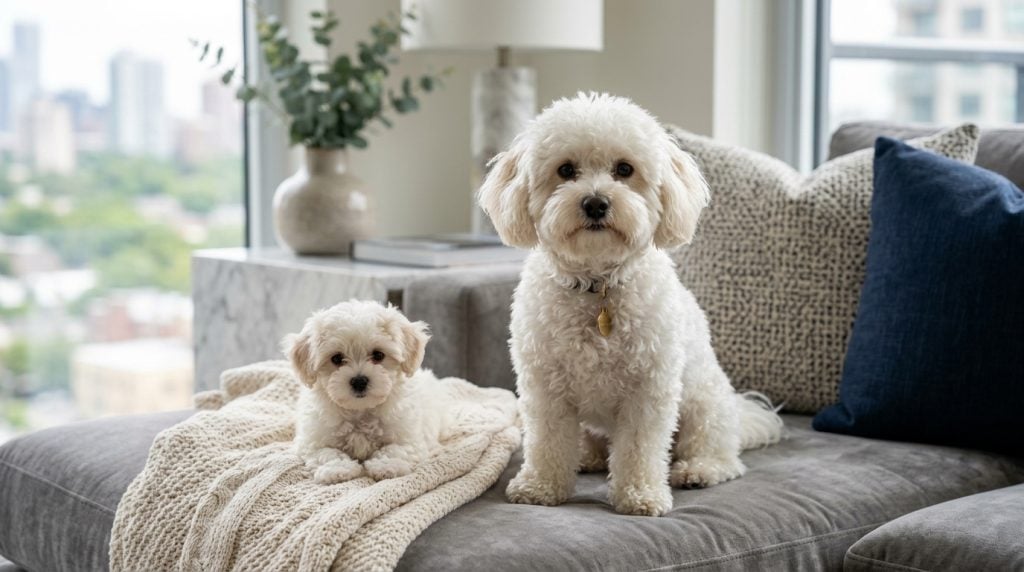
Living with a Maltipoo often feels like sharing your home with a little shadow that thrives on companionship. Their affectionate nature and lively spirit make them delightful household members, always eager to participate in family activities. Many owners find that their Maltipoo's sensitivity and willingness to please create a bond that's both heartwarming and engaging.
At a glance
Core care
- Size: Small
- Energy: Moderate to high
- Grooming: Low
- Shedding: Low
Support style
- Sensitivity: High
- Training style: Willing
Breed guide
Choose a section to explore. These notes describe common patterns, but individual dogs vary widely.
The Maltipoo, a charming mix of the Maltese and Poodle, brings together the best of both worlds. Originally bred to be a companion dog, the Maltipoo has inherited the affectionate nature of the Maltese and the intelligence of the Poodle. This blend of traits makes them well-suited to life as a family pet, where their social and playful disposition can shine. Their origins as lapdogs and entertainers mean they often seek out human interaction and thrive in environments where they can be included in daily activities.
Physically, Maltipoos are small dogs, usually weighing between 5 to 20 pounds, making them ideal for apartment living or homes with limited space. Their size allows them to fit comfortably on laps or in small spaces, and they are often seen as a portable breed that can accompany their owners on various outings. Despite their small stature, they carry themselves with a lively and spirited demeanor, often bouncing around the home with enthusiasm.
Maltipoos are known for their friendly and gentle temperament, making them popular among families and individuals alike. They tend to be very social, often forming strong bonds with their owners and enjoying the company of other pets and children. However, their high sensitivity means they can be easily affected by changes in their environment or routine, requiring a stable and loving home to truly thrive. Owners often notice their Maltipoo’s eagerness to please, which can make training a rewarding experience.
While the Maltipoo is generally a delightful companion, it’s important to remember that each dog is an individual. Factors such as genetics, upbringing, and environment can influence their personality and behaviour. Prospective owners should be prepared for the variability within the breed and understand that while many Maltipoos are gentle and affectionate, some may have quirks that require patience and understanding.
Maltipoos often exhibit a social and affectionate nature that endears them to many. They tend to form strong attachments to their families and enjoy being involved in all aspects of daily life. This social inclination means they often follow their owners around the house, eager to participate in whatever activities are happening. Their desire for companionship can also mean they don’t enjoy being left alone for long periods, as they thrive on interaction and attention.
The high sensitivity of the Maltipoo can be both a charming and challenging trait. They are often very attuned to their owners’ emotions, providing comfort and companionship when needed. However, this sensitivity also means they can be easily affected by stress or changes in their environment. Owners may notice that their Maltipoo responds to changes in routine or household dynamics, sometimes requiring extra reassurance and stability to feel secure.
Trainability is another notable aspect of the Maltipoo’s temperament. Their willingness to learn and please makes them relatively easy to train, especially when positive reinforcement methods are used. Many owners find that their Maltipoo picks up on commands and tricks quickly, enjoying the mental stimulation that training provides. However, their sensitive nature means that harsh training methods can be counterproductive, leading to anxiety or fearfulness.
Overall, living with a Maltipoo involves embracing their affectionate and social nature while providing the stability and gentle guidance they need to flourish. While they often display a consistent temperament, individual differences can occur based on their upbringing and environment. Owners who are patient and understanding of their Maltipoo’s needs often find themselves with a loyal and loving companion who is eager to share in life’s adventures.
A typical day for a Maltipoo often includes a mix of moderate physical activity and mental enrichment. Despite their small size, they usually have a moderate to high energy level, enjoying daily walks and play sessions. A couple of short walks combined with some indoor playtime, such as fetch or tug-of-war, can keep them physically satisfied. They are also known to enjoy interactive toys that challenge their minds, which can be a great way to keep them entertained.
Maltipoos benefit from a variety of activities that cater to both their physical and mental needs. Puzzle toys, scent games, and basic obedience training sessions can provide the mental stimulation they crave. These activities not only keep them engaged but also help to strengthen the bond between the dog and owner. It’s important to vary the activities to prevent boredom, as a bored Maltipoo can become mischievous or anxious.
As they age, Maltipoos may require adjustments to their exercise routine. Puppies and young adults often have bursts of energy and may need more frequent play sessions. In contrast, older Maltipoos might prefer shorter, gentler walks and more rest periods. Owners should be attentive to their dog’s changing needs and adjust their routines accordingly to ensure their Maltipoo remains healthy and happy throughout their life stages.
While Maltipoos are generally adaptable, it’s important to avoid over-exercising them, especially in extreme weather conditions. Their small size makes them more susceptible to overheating, so care should be taken during hot weather. Likewise, in cold conditions, they may benefit from a sweater or coat to keep warm. By paying attention to their Maltipoo’s individual needs and preferences, owners can create a balanced exercise routine that promotes overall wellbeing.
Training a Maltipoo often feels like a rewarding experience, thanks to their eager-to-please nature and intelligence. Owners frequently find that these dogs respond well to positive reinforcement techniques, such as treats, praise, and play. This approach not only encourages good behaviour but also strengthens the bond between dog and owner. Training sessions can be enjoyable for both parties, as Maltipoos often delight in learning new tricks and commands.
Consistency is key when training a Maltipoo. Establishing a routine and using the same commands helps them understand what is expected. Their high sensitivity means they respond best to gentle guidance and patience. Harsh corrections or inconsistent training methods can lead to confusion or anxiety, so a calm and supportive environment is crucial for their success.
Adolescence can present some challenges, as Maltipoos may test boundaries or become more independent. During this stage, maintaining a consistent training routine and reinforcing positive behaviours is essential. Owners might find it helpful to enrol in a training class, where their Maltipoo can learn alongside other dogs and develop social skills. This structured environment can also provide valuable support and guidance for owners navigating adolescence challenges.
Building a strong relationship with a Maltipoo through training involves understanding their individual needs and adapting methods accordingly. By focusing on positive reinforcement and maintaining consistency, owners can help their Maltipoo develop into a well-behaved and confident companion. For those new to dog ownership, seeking additional resources or professional guidance can be beneficial in ensuring a successful training journey.
Maltipoos often fit well into a variety of home environments, thanks to their adaptable and social nature. They thrive in homes where they can be close to their families, whether that’s a bustling household with children or a quieter setting with a single owner. Their small size makes them suitable for apartment living, as long as they receive adequate exercise and mental stimulation.
Owners often find that Maltipoos enjoy being part of family activities and are generally good with children. Their gentle and playful nature means they can be a wonderful addition to families with kids, provided interactions are supervised to ensure safety for both the dog and the child. Teaching children how to interact respectfully with a small dog is important to prevent accidental injuries.
Maltipoos can also coexist peacefully with other pets, especially if they are introduced properly and given time to adjust. Their social nature means they often enjoy the company of other dogs and can form strong bonds with them. However, individual personalities vary, and some Maltipoos may prefer being the only pet in the household.
When considering a Maltipoo, prospective owners should think about their lifestyle and how a dog will fit into it. Maltipoos require attention and companionship, so they are best suited to homes where someone is around for much of the day. For those who work long hours, arranging for a dog walker or pet sitter can help ensure their Maltipoo’s needs are met. By understanding their Maltipoo’s needs and providing a loving and stable environment, owners can enjoy a fulfilling relationship with this delightful breed.
The health and wellbeing of a Maltipoo are closely linked to their daily care and lifestyle. Regular veterinary check-ups and a balanced diet are essential to maintaining their health. Like all breeds, Maltipoos can be prone to certain health issues, so preventive care and early detection are key to ensuring a long and healthy life.
Common health concerns for Maltipoos can include dental issues, patellar luxation, and skin allergies. Regular dental care, such as brushing their teeth and providing dental chews, can help prevent oral health problems. Monitoring their weight and providing a balanced diet can also contribute to overall health and reduce the risk of joint issues.
Maltipoos’ high sensitivity means they can be more prone to stress-related health issues. Owners should be attentive to changes in behaviour or appetite, as these can be indicators of underlying health concerns. Ensuring a stable and loving environment can help mitigate stress and promote overall wellbeing.
When it comes to health, it’s important for owners to be proactive and seek veterinary advice if they notice any unusual symptoms or behaviours. Regular check-ups can help catch potential issues early, and working closely with a veterinarian can ensure that their Maltipoo receives the best possible care. By staying informed and attentive, owners can help their Maltipoo lead a healthy and happy life.
The Maltipoo is a relatively recent addition to the world of designer dog breeds, combining the charming qualities of the Maltese and the Poodle. This crossbreed was developed to create a small, affectionate companion dog with a hypoallergenic coat, drawing on the best traits of both parent breeds. The Maltese, known for its gentle and loving nature, and the Poodle, celebrated for its intelligence and low-shedding coat, provided the foundation for this delightful mix.
The Maltese has a long history as a companion dog, dating back to ancient times where they were favoured by royalty and aristocracy. Their role as lapdogs and companions is reflected in the Maltipoo’s affectionate and social nature. The Poodle, originally bred as a water retriever, brings intelligence and trainability to the mix, making the Maltipoo a well-rounded and adaptable pet.
The development of the Maltipoo was driven by a desire for a small, friendly dog that would be suitable for allergy sufferers. Breeders aimed to combine the best attributes of both parent breeds, resulting in a dog that is not only adorable but also possesses a friendly and engaging personality. The Maltipoo’s popularity has grown over the years, as more people have discovered their charming and affectionate nature.
Today, the Maltipoo is cherished for its role as a loving companion. Their history as a mix of two well-loved breeds explains their social and adaptable nature, making them a favourite among families and individuals alike. While they may not have a long history as a distinct breed, the Maltipoo’s origins as a blend of the Maltese and Poodle provide insight into their delightful personality and the traits that owners have come to love.
What shapes individual dogs
- Early social experiences
- Training approach
- Environment & routine
- Genetics & breeding
- Health & pain
- Age / life stage
The Maltipoo, a charming mix of the Maltese and Poodle, brings together the best of both worlds. Originally bred to be a companion dog, the Maltipoo has inherited the affectionate nature of the Maltese and the intelligence of the Poodle. This blend of traits makes them well-suited to life as a family pet, where their social and playful disposition can shine. Their origins as lapdogs and entertainers mean they often seek out human interaction and thrive in environments where they can be included in daily activities.
Physically, Maltipoos are small dogs, usually weighing between 5 to 20 pounds, making them ideal for apartment living or homes with limited space. Their size allows them to fit comfortably on laps or in small spaces, and they are often seen as a portable breed that can accompany their owners on various outings. Despite their small stature, they carry themselves with a lively and spirited demeanor, often bouncing around the home with enthusiasm.
Maltipoos are known for their friendly and gentle temperament, making them popular among families and individuals alike. They tend to be very social, often forming strong bonds with their owners and enjoying the company of other pets and children. However, their high sensitivity means they can be easily affected by changes in their environment or routine, requiring a stable and loving home to truly thrive. Owners often notice their Maltipoo’s eagerness to please, which can make training a rewarding experience.
While the Maltipoo is generally a delightful companion, it’s important to remember that each dog is an individual. Factors such as genetics, upbringing, and environment can influence their personality and behaviour. Prospective owners should be prepared for the variability within the breed and understand that while many Maltipoos are gentle and affectionate, some may have quirks that require patience and understanding.
Maltipoos often exhibit a social and affectionate nature that endears them to many. They tend to form strong attachments to their families and enjoy being involved in all aspects of daily life. This social inclination means they often follow their owners around the house, eager to participate in whatever activities are happening. Their desire for companionship can also mean they don’t enjoy being left alone for long periods, as they thrive on interaction and attention.
The high sensitivity of the Maltipoo can be both a charming and challenging trait. They are often very attuned to their owners’ emotions, providing comfort and companionship when needed. However, this sensitivity also means they can be easily affected by stress or changes in their environment. Owners may notice that their Maltipoo responds to changes in routine or household dynamics, sometimes requiring extra reassurance and stability to feel secure.
Trainability is another notable aspect of the Maltipoo’s temperament. Their willingness to learn and please makes them relatively easy to train, especially when positive reinforcement methods are used. Many owners find that their Maltipoo picks up on commands and tricks quickly, enjoying the mental stimulation that training provides. However, their sensitive nature means that harsh training methods can be counterproductive, leading to anxiety or fearfulness.
Overall, living with a Maltipoo involves embracing their affectionate and social nature while providing the stability and gentle guidance they need to flourish. While they often display a consistent temperament, individual differences can occur based on their upbringing and environment. Owners who are patient and understanding of their Maltipoo’s needs often find themselves with a loyal and loving companion who is eager to share in life’s adventures.
A typical day for a Maltipoo often includes a mix of moderate physical activity and mental enrichment. Despite their small size, they usually have a moderate to high energy level, enjoying daily walks and play sessions. A couple of short walks combined with some indoor playtime, such as fetch or tug-of-war, can keep them physically satisfied. They are also known to enjoy interactive toys that challenge their minds, which can be a great way to keep them entertained.
Maltipoos benefit from a variety of activities that cater to both their physical and mental needs. Puzzle toys, scent games, and basic obedience training sessions can provide the mental stimulation they crave. These activities not only keep them engaged but also help to strengthen the bond between the dog and owner. It’s important to vary the activities to prevent boredom, as a bored Maltipoo can become mischievous or anxious.
As they age, Maltipoos may require adjustments to their exercise routine. Puppies and young adults often have bursts of energy and may need more frequent play sessions. In contrast, older Maltipoos might prefer shorter, gentler walks and more rest periods. Owners should be attentive to their dog’s changing needs and adjust their routines accordingly to ensure their Maltipoo remains healthy and happy throughout their life stages.
While Maltipoos are generally adaptable, it’s important to avoid over-exercising them, especially in extreme weather conditions. Their small size makes them more susceptible to overheating, so care should be taken during hot weather. Likewise, in cold conditions, they may benefit from a sweater or coat to keep warm. By paying attention to their Maltipoo’s individual needs and preferences, owners can create a balanced exercise routine that promotes overall wellbeing.
Training a Maltipoo often feels like a rewarding experience, thanks to their eager-to-please nature and intelligence. Owners frequently find that these dogs respond well to positive reinforcement techniques, such as treats, praise, and play. This approach not only encourages good behaviour but also strengthens the bond between dog and owner. Training sessions can be enjoyable for both parties, as Maltipoos often delight in learning new tricks and commands.
Consistency is key when training a Maltipoo. Establishing a routine and using the same commands helps them understand what is expected. Their high sensitivity means they respond best to gentle guidance and patience. Harsh corrections or inconsistent training methods can lead to confusion or anxiety, so a calm and supportive environment is crucial for their success.
Adolescence can present some challenges, as Maltipoos may test boundaries or become more independent. During this stage, maintaining a consistent training routine and reinforcing positive behaviours is essential. Owners might find it helpful to enrol in a training class, where their Maltipoo can learn alongside other dogs and develop social skills. This structured environment can also provide valuable support and guidance for owners navigating adolescence challenges.
Building a strong relationship with a Maltipoo through training involves understanding their individual needs and adapting methods accordingly. By focusing on positive reinforcement and maintaining consistency, owners can help their Maltipoo develop into a well-behaved and confident companion. For those new to dog ownership, seeking additional resources or professional guidance can be beneficial in ensuring a successful training journey.
Maltipoos often fit well into a variety of home environments, thanks to their adaptable and social nature. They thrive in homes where they can be close to their families, whether that’s a bustling household with children or a quieter setting with a single owner. Their small size makes them suitable for apartment living, as long as they receive adequate exercise and mental stimulation.
Owners often find that Maltipoos enjoy being part of family activities and are generally good with children. Their gentle and playful nature means they can be a wonderful addition to families with kids, provided interactions are supervised to ensure safety for both the dog and the child. Teaching children how to interact respectfully with a small dog is important to prevent accidental injuries.
Maltipoos can also coexist peacefully with other pets, especially if they are introduced properly and given time to adjust. Their social nature means they often enjoy the company of other dogs and can form strong bonds with them. However, individual personalities vary, and some Maltipoos may prefer being the only pet in the household.
When considering a Maltipoo, prospective owners should think about their lifestyle and how a dog will fit into it. Maltipoos require attention and companionship, so they are best suited to homes where someone is around for much of the day. For those who work long hours, arranging for a dog walker or pet sitter can help ensure their Maltipoo’s needs are met. By understanding their Maltipoo’s needs and providing a loving and stable environment, owners can enjoy a fulfilling relationship with this delightful breed.
The health and wellbeing of a Maltipoo are closely linked to their daily care and lifestyle. Regular veterinary check-ups and a balanced diet are essential to maintaining their health. Like all breeds, Maltipoos can be prone to certain health issues, so preventive care and early detection are key to ensuring a long and healthy life.
Common health concerns for Maltipoos can include dental issues, patellar luxation, and skin allergies. Regular dental care, such as brushing their teeth and providing dental chews, can help prevent oral health problems. Monitoring their weight and providing a balanced diet can also contribute to overall health and reduce the risk of joint issues.
Maltipoos’ high sensitivity means they can be more prone to stress-related health issues. Owners should be attentive to changes in behaviour or appetite, as these can be indicators of underlying health concerns. Ensuring a stable and loving environment can help mitigate stress and promote overall wellbeing.
When it comes to health, it’s important for owners to be proactive and seek veterinary advice if they notice any unusual symptoms or behaviours. Regular check-ups can help catch potential issues early, and working closely with a veterinarian can ensure that their Maltipoo receives the best possible care. By staying informed and attentive, owners can help their Maltipoo lead a healthy and happy life.
The Maltipoo is a relatively recent addition to the world of designer dog breeds, combining the charming qualities of the Maltese and the Poodle. This crossbreed was developed to create a small, affectionate companion dog with a hypoallergenic coat, drawing on the best traits of both parent breeds. The Maltese, known for its gentle and loving nature, and the Poodle, celebrated for its intelligence and low-shedding coat, provided the foundation for this delightful mix.
The Maltese has a long history as a companion dog, dating back to ancient times where they were favoured by royalty and aristocracy. Their role as lapdogs and companions is reflected in the Maltipoo’s affectionate and social nature. The Poodle, originally bred as a water retriever, brings intelligence and trainability to the mix, making the Maltipoo a well-rounded and adaptable pet.
The development of the Maltipoo was driven by a desire for a small, friendly dog that would be suitable for allergy sufferers. Breeders aimed to combine the best attributes of both parent breeds, resulting in a dog that is not only adorable but also possesses a friendly and engaging personality. The Maltipoo’s popularity has grown over the years, as more people have discovered their charming and affectionate nature.
Today, the Maltipoo is cherished for its role as a loving companion. Their history as a mix of two well-loved breeds explains their social and adaptable nature, making them a favourite among families and individuals alike. While they may not have a long history as a distinct breed, the Maltipoo’s origins as a blend of the Maltese and Poodle provide insight into their delightful personality and the traits that owners have come to love.
What shapes individual dogs
- Early social experiences
- Training approach
- Environment & routine
- Genetics & breeding
- Health & pain
- Age / life stage
Want support with this?
This course is perfect for understanding the Maltipoo's sensitive and social nature, helping owners build a strong bond with their pet.