
Scottish Terrier
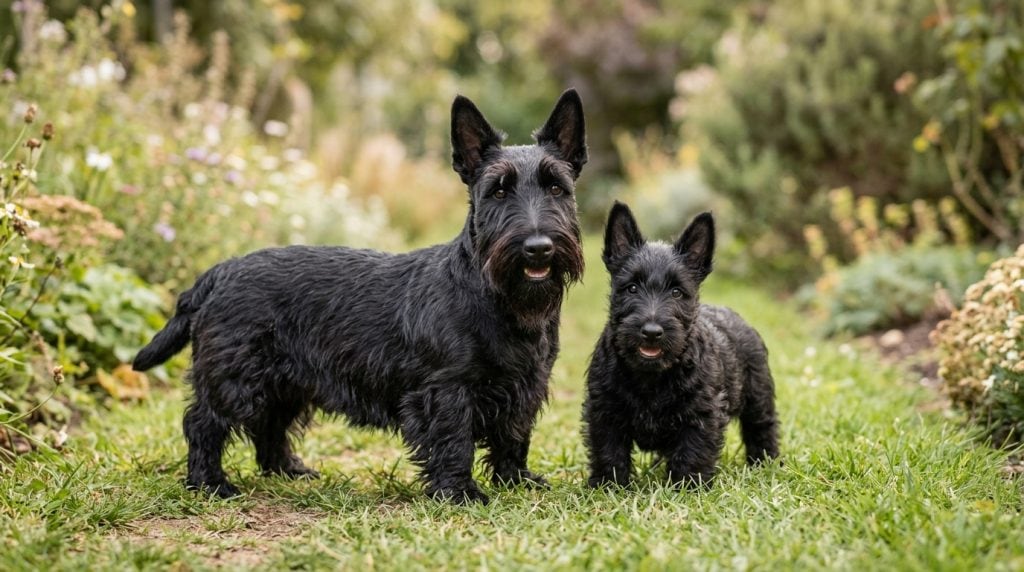
Living with a Scottish Terrier is like having a spirited yet dignified companion by your side. Known for their independent nature, they often exhibit a blend of curiosity and caution, making them both engaging and thoughtful pets. Their unique character brings a certain charm to everyday life, as they balance their terrier tenacity with a surprising depth of loyalty and affection.
At a glance
Core care
- Size: Small
- Energy: Moderate
- Grooming: Low
- Shedding: Low
Support style
- Sensitivity: Moderate
- Training style: Independent
Breed guide
Choose a section to explore. These notes describe common patterns, but individual dogs vary widely.
The Scottish Terrier, affectionately known as the Scottie, has a rich history rooted in the rugged landscapes of Scotland. Originally bred for hunting vermin, their tenacity and courage were essential traits for working in challenging environments. This background has shaped the modern Scottie into a dog that exudes confidence and independence, often seen in their determined approach to life. Today, they carry this legacy with a sense of pride, making them distinctive companions.
Physically, the Scottish Terrier is a small yet robust dog, easily recognisable by their distinctive silhouette. Their compact, sturdy build is complemented by a wiry coat, which serves as a practical barrier against the elements. This coat requires regular grooming to maintain its texture and appearance, but it also means they shed less than many other breeds, a trait many owners appreciate. Their expressive eyes and alert ears give them a keen, watchful presence, always ready to engage with their surroundings.
In terms of temperament, Scotties are known for their bold and spirited nature. They often display a strong sense of self, which can sometimes be mistaken for aloofness. However, those who know them well understand that beneath this exterior lies a deeply loyal and affectionate dog. They tend to form strong bonds with their families, often choosing a favourite person to shadow around the house. While they can be independent thinkers, this trait is part of their charm, offering a unique companionship experience.
It’s important for potential owners to recognise that each Scottish Terrier is an individual. While they share common breed traits, their personalities can vary significantly. Factors such as upbringing, environment, and socialisation play crucial roles in shaping their behaviour. Understanding these nuances helps ensure a harmonious relationship, where both dog and owner thrive together.
Scottish Terriers are often described as having a big dog personality in a small dog’s body. Their social nature is complex, combining a love for their family with a reserved demeanour towards strangers. This duality means they can be both affectionate and independent, a balance that many owners find endearing. Their loyalty is often directed towards their immediate family, where they thrive on being involved in daily activities.
The Scottie’s independent streak is a hallmark of their temperament. This trait, while sometimes challenging, is a reflection of their historical role as solitary hunters. They are not typically the type to follow commands blindly, preferring instead to assess situations on their own terms. This can make training a unique experience, requiring patience and understanding from their owners. However, once trust is established, they can be quite responsive and eager to please.
Sensitivity in Scottish Terriers can vary, but many are quite attuned to the emotions of their human companions. They often pick up on mood changes and can offer comfort and companionship during difficult times. This sensitivity, coupled with their independent nature, means they appreciate a respectful approach to handling and training. Harsh methods are unlikely to yield positive results with this breed.
Owners typically notice that Scotties have a strong sense of territory and can be quite vocal when they sense something amiss. This makes them excellent watchdogs, alerting their families to any unusual activity. While they may not be overly social with strangers, they are generally polite and reserved, preferring to observe new people before deciding to engage. This cautious approach is part of their charm, offering a glimpse into their thoughtful and discerning nature.
A typical day for a Scottish Terrier involves a balanced mix of physical activity and mental enrichment. While they are not as high-energy as some terrier breeds, they do benefit from regular walks and playtime. A couple of brisk walks each day, combined with some interactive play sessions, usually suffice to keep them physically satisfied. Their compact size makes them well-suited for urban living, but they still appreciate outdoor adventures when possible.
Mental stimulation is equally important for Scotties, given their intelligent and curious nature. Puzzle toys, scent games, and training sessions that challenge their minds can be highly beneficial. These activities not only keep them engaged but also help prevent boredom, which can lead to undesirable behaviours. Owners often find that a well-stimulated Scottie is a happy and content companion.
As Scottish Terriers age, their exercise needs may change. Older Scotties might not require as much vigorous activity, but they still enjoy leisurely walks and gentle play. It’s important to adjust their routine to accommodate any age-related changes in mobility or energy levels. Regular vet check-ups can help ensure that their exercise regimen remains appropriate for their health and well-being.
While they enjoy a good romp, Scotties are not typically known for their endurance. It’s important to avoid over-exercising them, especially in extreme weather conditions. Their thick, wiry coat provides some protection, but they can be sensitive to heat and cold. Owners should be mindful of their dog’s comfort and adjust activities accordingly, ensuring that their Scottie remains healthy and happy throughout the year.
Training a Scottish Terrier often feels like a journey of mutual respect and understanding. Known for their independent nature, Scotties may not always respond immediately to commands, preferring to think things through first. This can sometimes be mistaken for stubbornness, but it’s more a reflection of their thoughtful approach to life. Successful training with a Scottie often involves patience and consistency, with a focus on positive reinforcement.
Owners find that using treats and praise as rewards can be particularly effective with this breed. Scotties respond well to encouragement and are more likely to engage when they feel appreciated. It’s important to keep training sessions short and varied to maintain their interest. Repetitive drills can lead to boredom, so mixing up activities helps keep them engaged and willing to learn.
Impulse control can be a challenge, especially during adolescence when Scotties are testing boundaries. This phase requires extra patience and understanding from owners, as young Scotties may exhibit a more pronounced independent streak. Consistent routines and clear expectations help them navigate this stage, ultimately leading to a well-adjusted adult dog.
Building a strong relationship with a Scottish Terrier is key to successful training. They thrive on trust and mutual respect, making it essential for owners to approach training with empathy and understanding. By recognising and valuing their unique personality traits, owners can foster a positive training environment where their Scottie feels confident and secure.
Scottish Terriers tend to adapt well to a variety of living environments, from bustling city apartments to quieter suburban homes. Their moderate energy levels mean they don’t require vast amounts of space, but they do appreciate having a secure outdoor area to explore. A fenced garden can provide them with a safe space to satisfy their curiosity and enjoy some independent play.
In homes with children, Scotties often thrive when interactions are respectful and supervised. They can form strong bonds with older children who understand their independent nature and can engage with them appropriately. While they are generally good with kids, it’s important to teach children how to interact with them gently and respectfully, ensuring a harmonious relationship.
Scotties can coexist with other pets, although introductions should be managed carefully. Their terrier instincts might make them more inclined to chase smaller animals, so supervision is key. With proper socialisation and training, they can learn to live peacefully alongside other dogs and even cats, though individual temperament will play a significant role.
Ultimately, a Scottish Terrier’s suitability for a particular home depends on understanding their unique traits and ensuring their needs are met. They thrive in environments where they are part of the family, with opportunities for mental and physical engagement. Owners who appreciate their independent spirit and are willing to invest time in their care will find a loyal and charming companion in a Scottie.
The everyday wellbeing of a Scottish Terrier is closely linked to their overall health, which owners should monitor with regular veterinary care. While generally robust, Scotties are prone to certain breed-specific health issues, such as Scottie cramp, a condition that can affect their movement. Awareness and early detection are key to managing such conditions effectively.
Preventive care plays a crucial role in maintaining a Scottie’s health. Regular check-ups, vaccinations, and parasite control are essential components of their healthcare routine. Additionally, a balanced diet tailored to their specific needs helps support their overall wellbeing and longevity. Owners should consult with their vet to ensure their Scottie’s nutritional requirements are being met.
Behavioural changes can sometimes indicate underlying health issues. Owners should be attentive to any shifts in their Scottie’s behaviour, such as changes in appetite, energy levels, or mood. These can be early signs of health problems that may require veterinary attention. Regular monitoring helps catch potential issues before they become serious.
While it’s important to be aware of potential health concerns, it’s equally important to remember that many Scotties live long, healthy lives with the right care. By staying informed and proactive about their health, owners can help ensure their Scottish Terrier enjoys a happy and fulfilling life. Seeking veterinary advice when in doubt is always a wise approach to maintaining their health and happiness.
The Scottish Terrier’s history is deeply rooted in the rugged Scottish Highlands, where they were originally bred for hunting vermin and small game. Their development as a breed was driven by the need for a tenacious and courageous dog capable of working independently in challenging environments. This historical purpose has shaped the Scottie’s distinctive personality traits, which are still evident today.
The breed’s origins can be traced back to the 19th century, when they were selectively bred for their working abilities. Their keen sense of smell and determination made them excellent hunters, able to pursue prey into burrows and other difficult-to-reach places. This background explains their strong prey drive and independent nature, characteristics that continue to define the breed.
As the breed gained popularity, Scottish Terriers became known not only for their working abilities but also for their unique appearance and charming personality. Their distinctive silhouette, with its wiry coat and alert expression, made them favourites among dog enthusiasts. This popularity helped ensure the breed’s preservation and development into the companion dogs we know today.
Understanding the Scottish Terrier’s history provides valuable insights into their modern behaviour. Their independent spirit and loyalty are direct reflections of their working past, while their adaptability and intelligence make them well-suited to contemporary life. This rich heritage continues to endear them to owners who appreciate their unique blend of tenacity and charm.
What shapes individual dogs
- Early social experiences
- Training approach
- Environment & routine
- Genetics & breeding
- Health & pain
- Age / life stage
The Scottish Terrier, affectionately known as the Scottie, has a rich history rooted in the rugged landscapes of Scotland. Originally bred for hunting vermin, their tenacity and courage were essential traits for working in challenging environments. This background has shaped the modern Scottie into a dog that exudes confidence and independence, often seen in their determined approach to life. Today, they carry this legacy with a sense of pride, making them distinctive companions.
Physically, the Scottish Terrier is a small yet robust dog, easily recognisable by their distinctive silhouette. Their compact, sturdy build is complemented by a wiry coat, which serves as a practical barrier against the elements. This coat requires regular grooming to maintain its texture and appearance, but it also means they shed less than many other breeds, a trait many owners appreciate. Their expressive eyes and alert ears give them a keen, watchful presence, always ready to engage with their surroundings.
In terms of temperament, Scotties are known for their bold and spirited nature. They often display a strong sense of self, which can sometimes be mistaken for aloofness. However, those who know them well understand that beneath this exterior lies a deeply loyal and affectionate dog. They tend to form strong bonds with their families, often choosing a favourite person to shadow around the house. While they can be independent thinkers, this trait is part of their charm, offering a unique companionship experience.
It’s important for potential owners to recognise that each Scottish Terrier is an individual. While they share common breed traits, their personalities can vary significantly. Factors such as upbringing, environment, and socialisation play crucial roles in shaping their behaviour. Understanding these nuances helps ensure a harmonious relationship, where both dog and owner thrive together.
Scottish Terriers are often described as having a big dog personality in a small dog’s body. Their social nature is complex, combining a love for their family with a reserved demeanour towards strangers. This duality means they can be both affectionate and independent, a balance that many owners find endearing. Their loyalty is often directed towards their immediate family, where they thrive on being involved in daily activities.
The Scottie’s independent streak is a hallmark of their temperament. This trait, while sometimes challenging, is a reflection of their historical role as solitary hunters. They are not typically the type to follow commands blindly, preferring instead to assess situations on their own terms. This can make training a unique experience, requiring patience and understanding from their owners. However, once trust is established, they can be quite responsive and eager to please.
Sensitivity in Scottish Terriers can vary, but many are quite attuned to the emotions of their human companions. They often pick up on mood changes and can offer comfort and companionship during difficult times. This sensitivity, coupled with their independent nature, means they appreciate a respectful approach to handling and training. Harsh methods are unlikely to yield positive results with this breed.
Owners typically notice that Scotties have a strong sense of territory and can be quite vocal when they sense something amiss. This makes them excellent watchdogs, alerting their families to any unusual activity. While they may not be overly social with strangers, they are generally polite and reserved, preferring to observe new people before deciding to engage. This cautious approach is part of their charm, offering a glimpse into their thoughtful and discerning nature.
A typical day for a Scottish Terrier involves a balanced mix of physical activity and mental enrichment. While they are not as high-energy as some terrier breeds, they do benefit from regular walks and playtime. A couple of brisk walks each day, combined with some interactive play sessions, usually suffice to keep them physically satisfied. Their compact size makes them well-suited for urban living, but they still appreciate outdoor adventures when possible.
Mental stimulation is equally important for Scotties, given their intelligent and curious nature. Puzzle toys, scent games, and training sessions that challenge their minds can be highly beneficial. These activities not only keep them engaged but also help prevent boredom, which can lead to undesirable behaviours. Owners often find that a well-stimulated Scottie is a happy and content companion.
As Scottish Terriers age, their exercise needs may change. Older Scotties might not require as much vigorous activity, but they still enjoy leisurely walks and gentle play. It’s important to adjust their routine to accommodate any age-related changes in mobility or energy levels. Regular vet check-ups can help ensure that their exercise regimen remains appropriate for their health and well-being.
While they enjoy a good romp, Scotties are not typically known for their endurance. It’s important to avoid over-exercising them, especially in extreme weather conditions. Their thick, wiry coat provides some protection, but they can be sensitive to heat and cold. Owners should be mindful of their dog’s comfort and adjust activities accordingly, ensuring that their Scottie remains healthy and happy throughout the year.
Training a Scottish Terrier often feels like a journey of mutual respect and understanding. Known for their independent nature, Scotties may not always respond immediately to commands, preferring to think things through first. This can sometimes be mistaken for stubbornness, but it’s more a reflection of their thoughtful approach to life. Successful training with a Scottie often involves patience and consistency, with a focus on positive reinforcement.
Owners find that using treats and praise as rewards can be particularly effective with this breed. Scotties respond well to encouragement and are more likely to engage when they feel appreciated. It’s important to keep training sessions short and varied to maintain their interest. Repetitive drills can lead to boredom, so mixing up activities helps keep them engaged and willing to learn.
Impulse control can be a challenge, especially during adolescence when Scotties are testing boundaries. This phase requires extra patience and understanding from owners, as young Scotties may exhibit a more pronounced independent streak. Consistent routines and clear expectations help them navigate this stage, ultimately leading to a well-adjusted adult dog.
Building a strong relationship with a Scottish Terrier is key to successful training. They thrive on trust and mutual respect, making it essential for owners to approach training with empathy and understanding. By recognising and valuing their unique personality traits, owners can foster a positive training environment where their Scottie feels confident and secure.
Scottish Terriers tend to adapt well to a variety of living environments, from bustling city apartments to quieter suburban homes. Their moderate energy levels mean they don’t require vast amounts of space, but they do appreciate having a secure outdoor area to explore. A fenced garden can provide them with a safe space to satisfy their curiosity and enjoy some independent play.
In homes with children, Scotties often thrive when interactions are respectful and supervised. They can form strong bonds with older children who understand their independent nature and can engage with them appropriately. While they are generally good with kids, it’s important to teach children how to interact with them gently and respectfully, ensuring a harmonious relationship.
Scotties can coexist with other pets, although introductions should be managed carefully. Their terrier instincts might make them more inclined to chase smaller animals, so supervision is key. With proper socialisation and training, they can learn to live peacefully alongside other dogs and even cats, though individual temperament will play a significant role.
Ultimately, a Scottish Terrier’s suitability for a particular home depends on understanding their unique traits and ensuring their needs are met. They thrive in environments where they are part of the family, with opportunities for mental and physical engagement. Owners who appreciate their independent spirit and are willing to invest time in their care will find a loyal and charming companion in a Scottie.
The everyday wellbeing of a Scottish Terrier is closely linked to their overall health, which owners should monitor with regular veterinary care. While generally robust, Scotties are prone to certain breed-specific health issues, such as Scottie cramp, a condition that can affect their movement. Awareness and early detection are key to managing such conditions effectively.
Preventive care plays a crucial role in maintaining a Scottie’s health. Regular check-ups, vaccinations, and parasite control are essential components of their healthcare routine. Additionally, a balanced diet tailored to their specific needs helps support their overall wellbeing and longevity. Owners should consult with their vet to ensure their Scottie’s nutritional requirements are being met.
Behavioural changes can sometimes indicate underlying health issues. Owners should be attentive to any shifts in their Scottie’s behaviour, such as changes in appetite, energy levels, or mood. These can be early signs of health problems that may require veterinary attention. Regular monitoring helps catch potential issues before they become serious.
While it’s important to be aware of potential health concerns, it’s equally important to remember that many Scotties live long, healthy lives with the right care. By staying informed and proactive about their health, owners can help ensure their Scottish Terrier enjoys a happy and fulfilling life. Seeking veterinary advice when in doubt is always a wise approach to maintaining their health and happiness.
The Scottish Terrier’s history is deeply rooted in the rugged Scottish Highlands, where they were originally bred for hunting vermin and small game. Their development as a breed was driven by the need for a tenacious and courageous dog capable of working independently in challenging environments. This historical purpose has shaped the Scottie’s distinctive personality traits, which are still evident today.
The breed’s origins can be traced back to the 19th century, when they were selectively bred for their working abilities. Their keen sense of smell and determination made them excellent hunters, able to pursue prey into burrows and other difficult-to-reach places. This background explains their strong prey drive and independent nature, characteristics that continue to define the breed.
As the breed gained popularity, Scottish Terriers became known not only for their working abilities but also for their unique appearance and charming personality. Their distinctive silhouette, with its wiry coat and alert expression, made them favourites among dog enthusiasts. This popularity helped ensure the breed’s preservation and development into the companion dogs we know today.
Understanding the Scottish Terrier’s history provides valuable insights into their modern behaviour. Their independent spirit and loyalty are direct reflections of their working past, while their adaptability and intelligence make them well-suited to contemporary life. This rich heritage continues to endear them to owners who appreciate their unique blend of tenacity and charm.
What shapes individual dogs
- Early social experiences
- Training approach
- Environment & routine
- Genetics & breeding
- Health & pain
- Age / life stage
Want support with this?
This course is relevant for Scottish Terrier owners to better understand their dog's independent and unique temperament.