
Samoyed
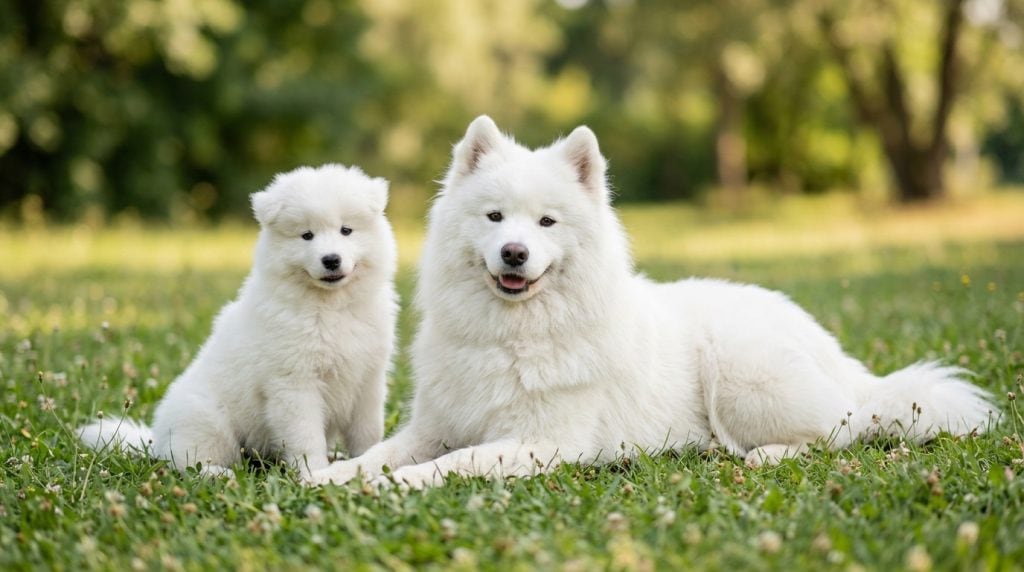
Living with a Samoyed often means sharing your home with a lively and engaging companion. Their expressive eyes and ever-present smile can brighten any room, while their sociable nature ensures they are rarely far from their family. Owners often find that Samoyeds thrive on interaction and are happiest when they can be part of the daily hustle and bustle.
At a glance
Core care
- Size: Large
- Energy: High
- Grooming: Low
- Shedding: Very high
Support style
- Sensitivity: Moderate
- Training style: Willing
Breed guide
Choose a section to explore. These notes describe common patterns, but individual dogs vary widely.
The Samoyed has its roots in Siberia, where it was originally bred by the nomadic Samoyedic people for herding reindeer and pulling sleds. This working background has shaped the breed into a dog that is both strong and resilient, yet deeply connected to its human companions. Today, these dogs are known for their friendly and gentle nature, which can be traced back to their history of close cooperation with humans.
Physically, Samoyeds are notable for their thick, white double coat, which served as protection against the harsh Siberian climate. In a modern household, this means regular grooming is essential to manage shedding and keep their coat in good condition. Their size and strength, developed for sled-pulling, mean they require ample space and opportunities for exercise, making them well-suited to active families.
Temperamentally, Samoyeds are often described as being friendly and sociable, with a tendency to form strong bonds with their families. They are known for their playful and sometimes mischievous nature, which can bring a lot of joy to a household. However, their intelligence and independence can sometimes lead to stubbornness, requiring patient and consistent training.
While Samoyeds generally share these characteristics, it’s important to remember that each dog is an individual. Factors such as genetics, upbringing, and environment can all influence a Samoyed’s personality and behaviour. Prospective owners should be prepared for the demands of this breed, including their grooming needs and high energy levels, while also appreciating the unique personality of their individual dog.
Samoyeds are known for their sociable and friendly nature, often thriving in environments where they can be part of the family action. Many owners notice that their Samoyed enjoys being involved in daily activities, whether it’s a walk in the park or simply lounging around the house. This breed’s social tendencies can be traced back to their history as working dogs, where they spent a lot of time close to humans.
Their moderate sensitivity means that Samoyeds are generally good at picking up on the emotions of their human companions. This can make them particularly empathetic pets, often providing comfort and companionship when needed. However, their sensitivity also means they may not respond well to harsh training methods or environments that are too chaotic.
In terms of trainability, Samoyeds are typically willing learners, though their independent streak can sometimes come into play. Owners often find that positive reinforcement techniques work best, as these dogs respond well to encouragement and rewards. Consistency and patience are key, especially during their adolescent phase when they may test boundaries.
Overall, living with a Samoyed can be a rewarding experience, as long as their social and mental needs are met. While they generally get along well with children and other pets, early socialisation is important to help them develop into well-rounded adults. As with any breed, individual personalities will vary, and understanding your dog’s unique temperament is crucial to fostering a harmonious relationship.
A typical day for a Samoyed involves a good deal of physical activity, as they are a high-energy breed. Owners often find that their Samoyed enjoys a mix of walks, playtime, and perhaps even some agility training. These dogs thrive on having a job to do, so activities that engage both their body and mind are ideal.
Given their working background, Samoyeds benefit from regular, varied exercise to keep them physically fit and mentally stimulated. Long walks, hikes, and play sessions in a secure area are great ways to burn off their energy. Mental enrichment, such as puzzle toys or training games, can also help keep them engaged and prevent boredom.
As Samoyeds age, their exercise needs may change, but they will still require regular activity to maintain their health and wellbeing. Puppies and young dogs often have bursts of energy and may need more frequent, shorter sessions, while older dogs might appreciate a more relaxed pace.
It’s important to avoid over-exercising young Samoyeds, as their growing joints can be sensitive to too much strain. Owners should also be mindful of the weather, as their thick coats can make them prone to overheating in hot conditions. Overall, a balanced approach to exercise and enrichment can help ensure a happy and healthy Samoyed.
Training a Samoyed can be a rewarding experience, as these dogs are generally eager to please and responsive to positive reinforcement. Owners often describe training sessions as enjoyable, provided they are approached with patience and consistency. Samoyeds tend to respond well to treats, praise, and play as rewards, which can make training a fun activity for both dog and owner.
Given their independent nature, it’s important to establish a strong relationship based on trust and mutual respect. Consistency is key, as Samoyeds can sometimes be stubborn and may test boundaries, especially during adolescence. It’s during this time that many owners find it beneficial to reinforce basic commands and continue socialisation efforts.
Impulse control can be a challenge with this breed, as their curiosity and playfulness can sometimes lead them to act before they think. Training exercises that focus on patience and self-control, such as waiting for a command before eating or playing, can be particularly useful.
Overall, training a Samoyed requires a blend of firmness and gentleness, with a focus on positive interactions. Owners who invest time in understanding their dog’s motivations and behaviours often find the training process to be a bonding experience, resulting in a well-mannered and happy companion.
Samoyeds tend to thrive in homes where they can be active participants in family life. They often do well in environments that provide plenty of space for them to move around, such as homes with large gardens or access to nearby parks. Their sociable nature means they typically enjoy being around people and can often be found following family members from room to room.
Families with children often find that Samoyeds make wonderful companions, as they are generally gentle and playful. However, as with any breed, interactions between dogs and young children should always be supervised to ensure safety for both parties. Early socialisation can help a Samoyed adapt to living with other pets, though individual temperaments will vary.
While Samoyeds can adapt to various living situations, they may not be the best fit for very small apartments or homes with limited outdoor access, given their size and energy levels. They also thrive on interaction, so they may not do well if left alone for extended periods.
Ultimately, a Samoyed’s suitability to a home depends on the lifestyle and expectations of the family. Prospective owners should consider whether they can meet the breed’s exercise, grooming, and social needs before welcoming a Samoyed into their home.
Maintaining a Samoyed’s health is crucial for their overall wellbeing and happiness. Regular veterinary check-ups, a balanced diet, and appropriate exercise are fundamental to keeping them in good condition. Owners often find that a proactive approach to health care can help prevent common issues and ensure their dog leads a long, healthy life.
Samoyeds are generally robust dogs, but like any breed, they can be prone to certain health conditions. Hip dysplasia, progressive retinal atrophy, and certain heart conditions are some of the issues that may affect them. Regular health screenings and early detection can help manage these conditions effectively.
Behavioural changes can sometimes indicate health issues, so it’s important for owners to be observant. A sudden change in activity level, appetite, or behaviour may warrant a visit to the vet. Preventive care, such as vaccinations and parasite control, is also essential to protect against common diseases.
Overall, understanding the health needs of a Samoyed and working closely with a veterinarian can help ensure they remain a healthy and happy member of the family. Owners who are informed and attentive to their dog’s health are often able to catch potential issues early and provide the best care possible.
The Samoyed breed has a rich history that dates back to the nomadic Samoyedic people of Siberia. These dogs were integral to the survival of their human companions, serving as herders of reindeer, sled pullers, and even as warm companions during the harsh Siberian nights. This close relationship with humans has deeply influenced the breed’s friendly and cooperative nature.
Originally bred for endurance and strength, Samoyeds were valued for their ability to work tirelessly in extreme conditions. Their thick, weather-resistant coat was essential for protection against the elements, while their gentle temperament made them suitable companions for families.
As the breed developed, Samoyeds became known for their distinctive smile, which is believed to help prevent drooling and icicles from forming on their face in cold climates. This unique feature, along with their expressive eyes and fluffy coat, has made them a popular choice for dog lovers worldwide.
Today, the Samoyed’s history as a working dog is still evident in their behaviour. They are known for their high energy levels, intelligence, and desire to be part of family life. Understanding their origins helps explain why they are such loyal and engaging companions, capable of bringing warmth and joy to any household.
What shapes individual dogs
- Early social experiences
- Training approach
- Environment & routine
- Genetics & breeding
- Health & pain
- Age / life stage
The Samoyed has its roots in Siberia, where it was originally bred by the nomadic Samoyedic people for herding reindeer and pulling sleds. This working background has shaped the breed into a dog that is both strong and resilient, yet deeply connected to its human companions. Today, these dogs are known for their friendly and gentle nature, which can be traced back to their history of close cooperation with humans.
Physically, Samoyeds are notable for their thick, white double coat, which served as protection against the harsh Siberian climate. In a modern household, this means regular grooming is essential to manage shedding and keep their coat in good condition. Their size and strength, developed for sled-pulling, mean they require ample space and opportunities for exercise, making them well-suited to active families.
Temperamentally, Samoyeds are often described as being friendly and sociable, with a tendency to form strong bonds with their families. They are known for their playful and sometimes mischievous nature, which can bring a lot of joy to a household. However, their intelligence and independence can sometimes lead to stubbornness, requiring patient and consistent training.
While Samoyeds generally share these characteristics, it’s important to remember that each dog is an individual. Factors such as genetics, upbringing, and environment can all influence a Samoyed’s personality and behaviour. Prospective owners should be prepared for the demands of this breed, including their grooming needs and high energy levels, while also appreciating the unique personality of their individual dog.
Samoyeds are known for their sociable and friendly nature, often thriving in environments where they can be part of the family action. Many owners notice that their Samoyed enjoys being involved in daily activities, whether it’s a walk in the park or simply lounging around the house. This breed’s social tendencies can be traced back to their history as working dogs, where they spent a lot of time close to humans.
Their moderate sensitivity means that Samoyeds are generally good at picking up on the emotions of their human companions. This can make them particularly empathetic pets, often providing comfort and companionship when needed. However, their sensitivity also means they may not respond well to harsh training methods or environments that are too chaotic.
In terms of trainability, Samoyeds are typically willing learners, though their independent streak can sometimes come into play. Owners often find that positive reinforcement techniques work best, as these dogs respond well to encouragement and rewards. Consistency and patience are key, especially during their adolescent phase when they may test boundaries.
Overall, living with a Samoyed can be a rewarding experience, as long as their social and mental needs are met. While they generally get along well with children and other pets, early socialisation is important to help them develop into well-rounded adults. As with any breed, individual personalities will vary, and understanding your dog’s unique temperament is crucial to fostering a harmonious relationship.
A typical day for a Samoyed involves a good deal of physical activity, as they are a high-energy breed. Owners often find that their Samoyed enjoys a mix of walks, playtime, and perhaps even some agility training. These dogs thrive on having a job to do, so activities that engage both their body and mind are ideal.
Given their working background, Samoyeds benefit from regular, varied exercise to keep them physically fit and mentally stimulated. Long walks, hikes, and play sessions in a secure area are great ways to burn off their energy. Mental enrichment, such as puzzle toys or training games, can also help keep them engaged and prevent boredom.
As Samoyeds age, their exercise needs may change, but they will still require regular activity to maintain their health and wellbeing. Puppies and young dogs often have bursts of energy and may need more frequent, shorter sessions, while older dogs might appreciate a more relaxed pace.
It’s important to avoid over-exercising young Samoyeds, as their growing joints can be sensitive to too much strain. Owners should also be mindful of the weather, as their thick coats can make them prone to overheating in hot conditions. Overall, a balanced approach to exercise and enrichment can help ensure a happy and healthy Samoyed.
Training a Samoyed can be a rewarding experience, as these dogs are generally eager to please and responsive to positive reinforcement. Owners often describe training sessions as enjoyable, provided they are approached with patience and consistency. Samoyeds tend to respond well to treats, praise, and play as rewards, which can make training a fun activity for both dog and owner.
Given their independent nature, it’s important to establish a strong relationship based on trust and mutual respect. Consistency is key, as Samoyeds can sometimes be stubborn and may test boundaries, especially during adolescence. It’s during this time that many owners find it beneficial to reinforce basic commands and continue socialisation efforts.
Impulse control can be a challenge with this breed, as their curiosity and playfulness can sometimes lead them to act before they think. Training exercises that focus on patience and self-control, such as waiting for a command before eating or playing, can be particularly useful.
Overall, training a Samoyed requires a blend of firmness and gentleness, with a focus on positive interactions. Owners who invest time in understanding their dog’s motivations and behaviours often find the training process to be a bonding experience, resulting in a well-mannered and happy companion.
Samoyeds tend to thrive in homes where they can be active participants in family life. They often do well in environments that provide plenty of space for them to move around, such as homes with large gardens or access to nearby parks. Their sociable nature means they typically enjoy being around people and can often be found following family members from room to room.
Families with children often find that Samoyeds make wonderful companions, as they are generally gentle and playful. However, as with any breed, interactions between dogs and young children should always be supervised to ensure safety for both parties. Early socialisation can help a Samoyed adapt to living with other pets, though individual temperaments will vary.
While Samoyeds can adapt to various living situations, they may not be the best fit for very small apartments or homes with limited outdoor access, given their size and energy levels. They also thrive on interaction, so they may not do well if left alone for extended periods.
Ultimately, a Samoyed’s suitability to a home depends on the lifestyle and expectations of the family. Prospective owners should consider whether they can meet the breed’s exercise, grooming, and social needs before welcoming a Samoyed into their home.
Maintaining a Samoyed’s health is crucial for their overall wellbeing and happiness. Regular veterinary check-ups, a balanced diet, and appropriate exercise are fundamental to keeping them in good condition. Owners often find that a proactive approach to health care can help prevent common issues and ensure their dog leads a long, healthy life.
Samoyeds are generally robust dogs, but like any breed, they can be prone to certain health conditions. Hip dysplasia, progressive retinal atrophy, and certain heart conditions are some of the issues that may affect them. Regular health screenings and early detection can help manage these conditions effectively.
Behavioural changes can sometimes indicate health issues, so it’s important for owners to be observant. A sudden change in activity level, appetite, or behaviour may warrant a visit to the vet. Preventive care, such as vaccinations and parasite control, is also essential to protect against common diseases.
Overall, understanding the health needs of a Samoyed and working closely with a veterinarian can help ensure they remain a healthy and happy member of the family. Owners who are informed and attentive to their dog’s health are often able to catch potential issues early and provide the best care possible.
The Samoyed breed has a rich history that dates back to the nomadic Samoyedic people of Siberia. These dogs were integral to the survival of their human companions, serving as herders of reindeer, sled pullers, and even as warm companions during the harsh Siberian nights. This close relationship with humans has deeply influenced the breed’s friendly and cooperative nature.
Originally bred for endurance and strength, Samoyeds were valued for their ability to work tirelessly in extreme conditions. Their thick, weather-resistant coat was essential for protection against the elements, while their gentle temperament made them suitable companions for families.
As the breed developed, Samoyeds became known for their distinctive smile, which is believed to help prevent drooling and icicles from forming on their face in cold climates. This unique feature, along with their expressive eyes and fluffy coat, has made them a popular choice for dog lovers worldwide.
Today, the Samoyed’s history as a working dog is still evident in their behaviour. They are known for their high energy levels, intelligence, and desire to be part of family life. Understanding their origins helps explain why they are such loyal and engaging companions, capable of bringing warmth and joy to any household.
What shapes individual dogs
- Early social experiences
- Training approach
- Environment & routine
- Genetics & breeding
- Health & pain
- Age / life stage
Want support with this?
This course is relevant for Samoyed owners as it provides guidance on managing their energetic and playful nature, especially during puppyhood.