
Chow Chow
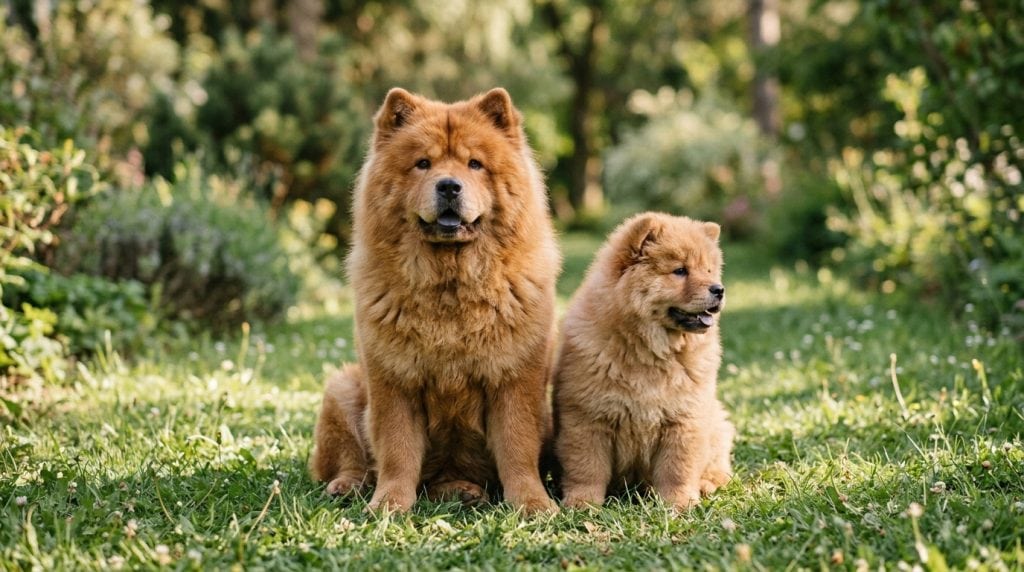
Living with a Chow Chow often feels like sharing your home with a dignified and independent companion. They carry themselves with a certain aloofness, yet they form strong bonds with their families, showing affection in their own reserved way. Their unique appearance and calm presence make them a distinctive addition to any household.
At a glance
Core care
- Size: Medium
- Energy: Low
- Grooming: Low
- Shedding: High
Support style
- Sensitivity: Moderate
- Training style: Independent
Breed guide
Choose a section to explore. These notes describe common patterns, but individual dogs vary widely.
The Chow Chow’s origins trace back to ancient China, where they were bred for various roles, including hunting, guarding, and even as draft animals. This diverse working history has contributed to their independent nature and dignified demeanor. Today, many Chow Chows retain a strong sense of self-reliance, which can sometimes be mistaken for aloofness. However, beneath this exterior lies a loyal and protective companion, deeply connected to their family.
Physically, Chow Chows are known for their distinctive lion-like mane and unique blue-black tongue. Their sturdy build and thick double coat make them well-suited to colder climates, though this also means they require considerable grooming. Owners often find themselves managing a significant amount of shedding, particularly during seasonal changes. Despite their robust appearance, they are medium-sized dogs, which can be surprising given their imposing presence.
In terms of temperament, Chow Chows are often described as cat-like in their independence. They may not always seek out attention, but they appreciate companionship on their terms. Many owners notice their Chow Chow observing the household from a distance, choosing when to engage. This breed tends to be reserved with strangers, which can make them excellent watchdogs, though early socialisation is crucial to ensure they remain well-adjusted.
Expectations for a Chow Chow should include understanding their need for personal space and their independent streak. While they can be affectionate, it’s important to respect their boundaries. As with any breed, individual personalities can vary, and factors such as upbringing, environment, and socialisation play significant roles in shaping a Chow Chow’s behaviour. Patience and understanding are key to a harmonious life with this unique breed.
Chow Chows are often observed as being quite independent, which can sometimes be interpreted as aloofness. This is not to say they are unfriendly; rather, they tend to form deep bonds with their families while remaining reserved around strangers. This reserved nature is a reflection of their history as guard dogs, where vigilance and independence were prized traits. Owners often notice that their Chow Chow prefers to observe new people and situations from a distance before deciding to engage.
Their social motivations are quite different from more overtly friendly breeds. While a Labrador might rush to greet a visitor, a Chow Chow is more likely to assess the situation calmly. This doesn’t mean they are unsociable; they simply appreciate a more measured approach to new interactions. Many find that once a Chow Chow accepts someone into their circle, they are loyal and protective.
Sensitivity in Chow Chows is moderate, meaning they can be quite attuned to their owner’s moods and household dynamics, yet they maintain a certain stoicism. This balance allows them to be both independent and in tune with their environment. Owners often notice that their Chow Chow will quietly follow them from room to room, not demanding attention but enjoying the company nonetheless.
Trainability with Chow Chows can be a unique experience. Their independent nature means they may not always be eager to please in the way some other breeds are. Positive reinforcement and patience are crucial, as forceful methods can lead to resistance. Understanding their need for autonomy and providing consistent guidance can help nurture a well-behaved and content Chow Chow.
A typical day for a Chow Chow involves moderate physical activity, tailored to their low energy levels. They are not as demanding in terms of exercise as some other breeds, but they do benefit from daily walks and playtime. A leisurely stroll around the neighbourhood or a gentle game of fetch in the garden often suffices to keep them content. It’s important to avoid overexertion, especially in warmer weather due to their thick coats.
Mental enrichment is equally important for a Chow Chow. Puzzle toys and interactive games can provide the mental stimulation they need, as they enjoy engaging their minds as much as their bodies. Owners often find that their Chow Chow appreciates a variety of activities that challenge their problem-solving skills without overwhelming them.
As Chow Chows age, their exercise needs may decrease, but maintaining a routine is beneficial for their overall health. Older Chow Chows might prefer shorter, more frequent walks, and gentle play sessions that cater to their changing stamina. It’s important to adjust activities to suit their life stage while ensuring they remain active enough to prevent weight gain.
For young Chow Chows, socialisation and exposure to different environments are crucial parts of their enrichment. These experiences help them develop into well-rounded adults. However, it’s important to introduce new experiences gradually, respecting their natural caution and independence. Owners who understand and accommodate their Chow Chow’s unique exercise and enrichment needs often find they have a calm and content companion.
Training a Chow Chow often feels like a lesson in patience and understanding. Their independent nature means they may not respond immediately to commands, preferring to think things through before acting. This doesn’t mean they are untrainable, but rather that training requires a different approach. Positive reinforcement, using treats and praise, tends to be most effective, as it respects their autonomy while encouraging desired behaviours.
Impulse control can be a challenge, especially during adolescence. Chow Chows may test boundaries as they grow, making consistent training and clear expectations crucial. Owners often find that maintaining a calm and assertive presence helps their Chow Chow understand what is expected of them. Building a strong relationship based on mutual respect and trust is key to successful training.
Adolescence in Chow Chows can bring about a stubborn streak, where they might seem more interested in doing things their own way. During this time, it’s important to remain consistent with training and to continue reinforcing positive behaviours. Patience is essential, as pushing too hard can lead to resistance. Many owners find that by keeping training sessions short and engaging, they can maintain their Chow Chow’s interest and cooperation.
Ultimately, the most successful training experiences with Chow Chows come from understanding their unique temperament and working with it rather than against it. Encouraging their natural curiosity and independence while providing clear guidance helps them thrive. For those new to the breed, courses like “Understand Your Dog: Dog Psychology for Beginners” can offer valuable insights into their behaviour and training needs.
Chow Chows tend to fit well in homes where their independent nature is respected. They often thrive in environments that offer a balance of companionship and personal space. While they are not overly active, they do appreciate having a secure outdoor area to explore at their own pace. A home with a garden can be ideal, but they can also adapt to apartment living if given regular walks and mental stimulation.
Families with children often find that Chow Chows can be patient and gentle, though it’s important to supervise interactions, especially with younger children. Teaching children to respect a Chow Chow’s space and approach them calmly can help foster a positive relationship. Their reserved nature means they may not be as playful as some other breeds, but they can be protective and loyal companions.
When it comes to other pets, Chow Chows may exhibit a range of behaviours, from indifference to protectiveness. Early socialisation is key to ensuring they coexist peacefully with other animals. Introducing them gradually and in controlled environments can help them adjust to sharing their space.
Ultimately, Chow Chows are best suited to homes where their unique temperament is understood and appreciated. They thrive with owners who value their independent spirit and are willing to provide the time and care needed to meet their grooming and social needs. Each Chow Chow is an individual, and finding the right match between dog and home is essential for a harmonious relationship.
Health in Chow Chows is closely tied to their overall wellbeing and quality of life. Like all breeds, they have specific health considerations that owners should be aware of to ensure their dog remains healthy and happy. Regular veterinary check-ups and preventive care, such as vaccinations and parasite control, are essential components of maintaining their health.
Chow Chows are known for certain breed-specific health issues, such as hip dysplasia and eye conditions like entropion. These conditions can affect their mobility and comfort, so monitoring for any signs of discomfort or changes in behaviour is important. Early detection and treatment can help manage these conditions effectively.
Their thick coat also means they are susceptible to skin issues, particularly if not groomed regularly. Keeping their coat clean and free from mats, as well as ensuring their skin is dry after baths, can help prevent infections. Regular ear cleaning is also important, as Chow Chows can be prone to ear infections.
Owners should be proactive in seeking veterinary advice if they notice any changes in their Chow Chow’s behaviour or physical condition. Understanding the breed’s health tendencies and taking preventive measures can help ensure that a Chow Chow enjoys a long and healthy life. Courses like “Canine First Aid: A Practical Guide” can be invaluable for owners looking to be prepared for any health-related situations.
The history of the Chow Chow is as rich and intriguing as the breed itself. Originating from northern China, they are believed to be one of the oldest dog breeds, with a history that spans thousands of years. Initially bred for a variety of purposes, including hunting, herding, pulling carts, and guarding, their versatility was highly valued in ancient times.
Their distinct appearance and unique characteristics have been preserved through centuries, leading to their recognition as a breed with a strong identity. The Chow Chow’s blue-black tongue and lion-like mane are iconic features that have been admired and documented throughout history. These traits were not just aesthetic but served practical purposes, such as providing warmth and protection.
As the breed developed, their role shifted more towards companionship and guarding. Their natural reserve and independence made them excellent watchdogs, a trait that continues to be evident in modern Chow Chows. This history of guarding and protection helps explain their aloofness towards strangers and their strong loyalty to family.
Understanding the Chow Chow’s origins provides insight into their behaviour and temperament today. Their ancient lineage and diverse roles have shaped them into a breed that values independence and dignity, yet forms deep bonds with those they trust. This historical context helps owners appreciate the unique qualities that make the Chow Chow a distinctive and cherished breed.
What shapes individual dogs
- Early social experiences
- Training approach
- Environment & routine
- Genetics & breeding
- Health & pain
- Age / life stage
The Chow Chow’s origins trace back to ancient China, where they were bred for various roles, including hunting, guarding, and even as draft animals. This diverse working history has contributed to their independent nature and dignified demeanor. Today, many Chow Chows retain a strong sense of self-reliance, which can sometimes be mistaken for aloofness. However, beneath this exterior lies a loyal and protective companion, deeply connected to their family.
Physically, Chow Chows are known for their distinctive lion-like mane and unique blue-black tongue. Their sturdy build and thick double coat make them well-suited to colder climates, though this also means they require considerable grooming. Owners often find themselves managing a significant amount of shedding, particularly during seasonal changes. Despite their robust appearance, they are medium-sized dogs, which can be surprising given their imposing presence.
In terms of temperament, Chow Chows are often described as cat-like in their independence. They may not always seek out attention, but they appreciate companionship on their terms. Many owners notice their Chow Chow observing the household from a distance, choosing when to engage. This breed tends to be reserved with strangers, which can make them excellent watchdogs, though early socialisation is crucial to ensure they remain well-adjusted.
Expectations for a Chow Chow should include understanding their need for personal space and their independent streak. While they can be affectionate, it’s important to respect their boundaries. As with any breed, individual personalities can vary, and factors such as upbringing, environment, and socialisation play significant roles in shaping a Chow Chow’s behaviour. Patience and understanding are key to a harmonious life with this unique breed.
Chow Chows are often observed as being quite independent, which can sometimes be interpreted as aloofness. This is not to say they are unfriendly; rather, they tend to form deep bonds with their families while remaining reserved around strangers. This reserved nature is a reflection of their history as guard dogs, where vigilance and independence were prized traits. Owners often notice that their Chow Chow prefers to observe new people and situations from a distance before deciding to engage.
Their social motivations are quite different from more overtly friendly breeds. While a Labrador might rush to greet a visitor, a Chow Chow is more likely to assess the situation calmly. This doesn’t mean they are unsociable; they simply appreciate a more measured approach to new interactions. Many find that once a Chow Chow accepts someone into their circle, they are loyal and protective.
Sensitivity in Chow Chows is moderate, meaning they can be quite attuned to their owner’s moods and household dynamics, yet they maintain a certain stoicism. This balance allows them to be both independent and in tune with their environment. Owners often notice that their Chow Chow will quietly follow them from room to room, not demanding attention but enjoying the company nonetheless.
Trainability with Chow Chows can be a unique experience. Their independent nature means they may not always be eager to please in the way some other breeds are. Positive reinforcement and patience are crucial, as forceful methods can lead to resistance. Understanding their need for autonomy and providing consistent guidance can help nurture a well-behaved and content Chow Chow.
A typical day for a Chow Chow involves moderate physical activity, tailored to their low energy levels. They are not as demanding in terms of exercise as some other breeds, but they do benefit from daily walks and playtime. A leisurely stroll around the neighbourhood or a gentle game of fetch in the garden often suffices to keep them content. It’s important to avoid overexertion, especially in warmer weather due to their thick coats.
Mental enrichment is equally important for a Chow Chow. Puzzle toys and interactive games can provide the mental stimulation they need, as they enjoy engaging their minds as much as their bodies. Owners often find that their Chow Chow appreciates a variety of activities that challenge their problem-solving skills without overwhelming them.
As Chow Chows age, their exercise needs may decrease, but maintaining a routine is beneficial for their overall health. Older Chow Chows might prefer shorter, more frequent walks, and gentle play sessions that cater to their changing stamina. It’s important to adjust activities to suit their life stage while ensuring they remain active enough to prevent weight gain.
For young Chow Chows, socialisation and exposure to different environments are crucial parts of their enrichment. These experiences help them develop into well-rounded adults. However, it’s important to introduce new experiences gradually, respecting their natural caution and independence. Owners who understand and accommodate their Chow Chow’s unique exercise and enrichment needs often find they have a calm and content companion.
Training a Chow Chow often feels like a lesson in patience and understanding. Their independent nature means they may not respond immediately to commands, preferring to think things through before acting. This doesn’t mean they are untrainable, but rather that training requires a different approach. Positive reinforcement, using treats and praise, tends to be most effective, as it respects their autonomy while encouraging desired behaviours.
Impulse control can be a challenge, especially during adolescence. Chow Chows may test boundaries as they grow, making consistent training and clear expectations crucial. Owners often find that maintaining a calm and assertive presence helps their Chow Chow understand what is expected of them. Building a strong relationship based on mutual respect and trust is key to successful training.
Adolescence in Chow Chows can bring about a stubborn streak, where they might seem more interested in doing things their own way. During this time, it’s important to remain consistent with training and to continue reinforcing positive behaviours. Patience is essential, as pushing too hard can lead to resistance. Many owners find that by keeping training sessions short and engaging, they can maintain their Chow Chow’s interest and cooperation.
Ultimately, the most successful training experiences with Chow Chows come from understanding their unique temperament and working with it rather than against it. Encouraging their natural curiosity and independence while providing clear guidance helps them thrive. For those new to the breed, courses like “Understand Your Dog: Dog Psychology for Beginners” can offer valuable insights into their behaviour and training needs.
Chow Chows tend to fit well in homes where their independent nature is respected. They often thrive in environments that offer a balance of companionship and personal space. While they are not overly active, they do appreciate having a secure outdoor area to explore at their own pace. A home with a garden can be ideal, but they can also adapt to apartment living if given regular walks and mental stimulation.
Families with children often find that Chow Chows can be patient and gentle, though it’s important to supervise interactions, especially with younger children. Teaching children to respect a Chow Chow’s space and approach them calmly can help foster a positive relationship. Their reserved nature means they may not be as playful as some other breeds, but they can be protective and loyal companions.
When it comes to other pets, Chow Chows may exhibit a range of behaviours, from indifference to protectiveness. Early socialisation is key to ensuring they coexist peacefully with other animals. Introducing them gradually and in controlled environments can help them adjust to sharing their space.
Ultimately, Chow Chows are best suited to homes where their unique temperament is understood and appreciated. They thrive with owners who value their independent spirit and are willing to provide the time and care needed to meet their grooming and social needs. Each Chow Chow is an individual, and finding the right match between dog and home is essential for a harmonious relationship.
Health in Chow Chows is closely tied to their overall wellbeing and quality of life. Like all breeds, they have specific health considerations that owners should be aware of to ensure their dog remains healthy and happy. Regular veterinary check-ups and preventive care, such as vaccinations and parasite control, are essential components of maintaining their health.
Chow Chows are known for certain breed-specific health issues, such as hip dysplasia and eye conditions like entropion. These conditions can affect their mobility and comfort, so monitoring for any signs of discomfort or changes in behaviour is important. Early detection and treatment can help manage these conditions effectively.
Their thick coat also means they are susceptible to skin issues, particularly if not groomed regularly. Keeping their coat clean and free from mats, as well as ensuring their skin is dry after baths, can help prevent infections. Regular ear cleaning is also important, as Chow Chows can be prone to ear infections.
Owners should be proactive in seeking veterinary advice if they notice any changes in their Chow Chow’s behaviour or physical condition. Understanding the breed’s health tendencies and taking preventive measures can help ensure that a Chow Chow enjoys a long and healthy life. Courses like “Canine First Aid: A Practical Guide” can be invaluable for owners looking to be prepared for any health-related situations.
The history of the Chow Chow is as rich and intriguing as the breed itself. Originating from northern China, they are believed to be one of the oldest dog breeds, with a history that spans thousands of years. Initially bred for a variety of purposes, including hunting, herding, pulling carts, and guarding, their versatility was highly valued in ancient times.
Their distinct appearance and unique characteristics have been preserved through centuries, leading to their recognition as a breed with a strong identity. The Chow Chow’s blue-black tongue and lion-like mane are iconic features that have been admired and documented throughout history. These traits were not just aesthetic but served practical purposes, such as providing warmth and protection.
As the breed developed, their role shifted more towards companionship and guarding. Their natural reserve and independence made them excellent watchdogs, a trait that continues to be evident in modern Chow Chows. This history of guarding and protection helps explain their aloofness towards strangers and their strong loyalty to family.
Understanding the Chow Chow’s origins provides insight into their behaviour and temperament today. Their ancient lineage and diverse roles have shaped them into a breed that values independence and dignity, yet forms deep bonds with those they trust. This historical context helps owners appreciate the unique qualities that make the Chow Chow a distinctive and cherished breed.
What shapes individual dogs
- Early social experiences
- Training approach
- Environment & routine
- Genetics & breeding
- Health & pain
- Age / life stage
Want support with this?
Understanding the unique temperament and independent nature of Chow Chows can be enhanced with insights from this course.