
Chinese Shar-Pei
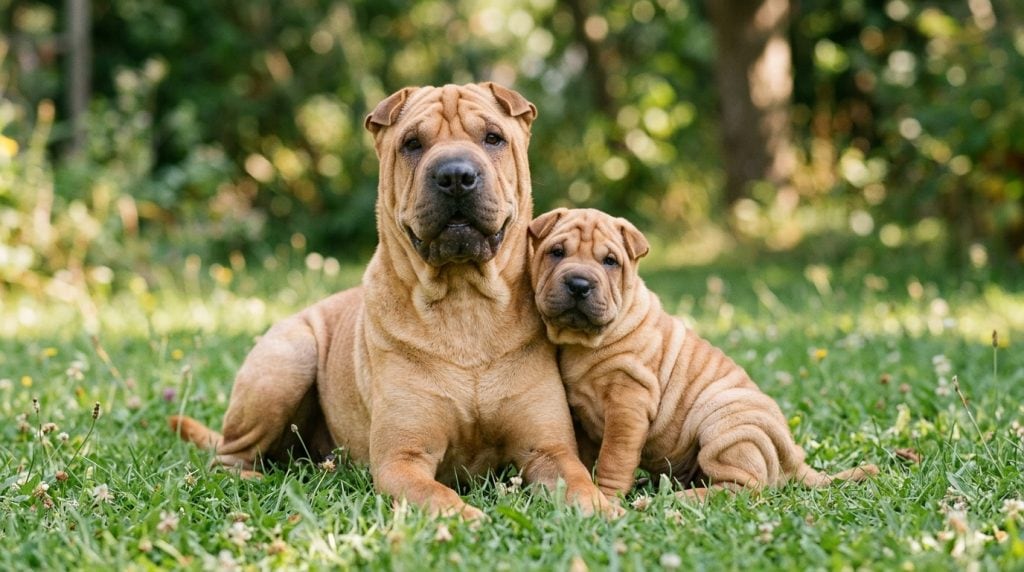
Living with a Chinese Shar-Pei is like having a steadfast and independent companion who quietly observes the world around them. Known for their distinctive wrinkles and blue-black tongue, they often exhibit a calm presence, preferring to engage on their own terms. While they may not be overly demonstrative, their loyalty to their family is evident in their protective nature and thoughtful companionship.
At a glance
Core care
- Size: Medium
- Energy: Moderate
- Grooming: Low
- Shedding: Low
Support style
- Sensitivity: Moderate
- Training style: Independent
Breed guide
Choose a section to explore. These notes describe common patterns, but individual dogs vary widely.
The Chinese Shar-Pei has a rich history that dates back to ancient China, where they were originally bred as versatile farm dogs. Their primary roles included guarding livestock and hunting, which required a combination of independence and alertness. This background is still evident today, as many Shar-Peis retain a watchful and somewhat aloof demeanor, often taking their time to assess new situations before engaging. Their history as working dogs has shaped them into a breed that values both independence and a strong connection with their family.
Physically, the Shar-Pei is unmistakable with its deep wrinkles and unique blue-black tongue. These features are not just for show; the wrinkles were historically thought to provide protection in fights, while the tongue is a hallmark of their breed. In everyday life, owners often find themselves managing these wrinkles with care, ensuring they remain clean and dry to prevent skin issues. Despite their distinctive appearance, Shar-Peis are medium-sized dogs, making them suitable for a variety of living situations.
Temperamentally, Shar-Peis are known for their independent nature. They are not the type of dog to seek constant attention, often content to observe their surroundings quietly. This can sometimes be mistaken for aloofness, but many owners appreciate their dog’s calm and composed demeanor. However, Shar-Peis can be protective of their families, and it’s not uncommon for them to be wary of strangers. Socialization from a young age can help them become more comfortable in various situations.
It’s important for potential owners to understand that while the Shar-Pei has common breed traits, individual dogs can vary significantly. Factors such as genetics, early socialization, and ongoing training all play a role in shaping a Shar-Pei’s personality. Prospective owners should be prepared for a dog that may not fit the typical mold and be open to embracing their unique characteristics.
Many Shar-Pei owners notice that their dog has a reserved nature, often taking a cautious approach to new people and environments. This breed tends to be independent, a trait that can be traced back to their origins as guard dogs. They may not be the first to rush up to greet a visitor, preferring instead to observe from a distance until they feel comfortable. This cautiousness is not a sign of aggression but rather a reflection of their thoughtful and discerning nature.
Socially, Shar-Peis often form strong bonds with their families, showing a protective side that is both endearing and reassuring. While they may not be overly affectionate, their loyalty is evident in the way they position themselves between their family and perceived threats. This protective instinct can be managed with proper socialization, helping them to differentiate between genuine threats and everyday situations.
The moderate sensitivity of the Shar-Pei means that they can be affected by changes in their environment or routine. Owners often find that a calm and consistent household helps their dog feel secure and relaxed. This sensitivity also means they respond well to gentle training methods that focus on positive reinforcement rather than harsh corrections. Understanding their independent nature can help owners tailor their approach to training and socialization.
Trainability in the Shar-Pei can vary, with some dogs showing a strong independent streak that requires patience and consistency from their owners. They may not respond immediately to commands, preferring to think things through before acting. This doesn’t mean they are untrainable, but rather that they benefit from a training approach that respects their intelligence and independence. With time and effort, many Shar-Peis become well-mannered companions who are a pleasure to live with.
A typical day for a Chinese Shar-Pei involves moderate exercise that caters to their energy levels. While they are not as high-energy as some breeds, they do appreciate regular walks and playtime to keep them physically and mentally stimulated. A leisurely walk around the neighbourhood or a game of fetch in the garden can be enough to satisfy their exercise needs.
Mental enrichment is equally important for the Shar-Pei, as their intelligent and independent nature thrives on problem-solving activities. Puzzle toys and interactive games can provide the mental stimulation they need to stay engaged. Owners often find that these activities help prevent boredom and the potential for destructive behaviours that can arise from a lack of stimulation.
As Shar-Peis age, their exercise needs may change. Puppies and young adults might require more frequent play sessions to burn off energy, while older dogs may prefer shorter, more relaxed walks. It’s important for owners to adjust their routines to accommodate their dog’s changing needs, ensuring they remain healthy and content throughout their lives.
It’s also worth noting that Shar-Peis can be sensitive to extreme temperatures, particularly heat, due to their short muzzles. Owners should be mindful of this when planning outdoor activities, opting for cooler times of the day for walks and ensuring they have access to shade and water. By tailoring their exercise and enrichment routine to their individual needs, Shar-Peis can lead a balanced and fulfilling life.
Training a Chinese Shar-Pei can sometimes feel like a test of patience and understanding, as their independent nature often means they prefer to do things on their own terms. Owners frequently find that a calm, consistent approach works best, using positive reinforcement to encourage desired behaviours. Treats, praise, and play can be effective motivators when training this breed.
Impulse control is an important aspect of training for the Shar-Pei, as their protective instincts can sometimes lead to reactive behaviours. Teaching them to respond to commands like ‘leave it’ or ‘stay’ can help manage these impulses and ensure they remain calm in various situations. Consistency is key, as Shar-Peis benefit from knowing what is expected of them and having clear boundaries.
Adolescence can be a challenging time for Shar-Pei owners, as this is when their independent streak might be most pronounced. It’s important to remain patient and continue with training during this period, reinforcing the behaviours you want to see. Many owners find that enrolling in a class like ‘Puppy Beginnings: Building a Calm Start’ can provide valuable support and guidance during this stage.
Building a strong relationship with your Shar-Pei is crucial for successful training. They respond well to owners who they trust and respect, and who understand their unique personality. By focusing on building a positive relationship and using gentle, consistent training methods, many Shar-Pei owners find that their dogs become well-behaved and loyal companions.
The Chinese Shar-Pei can adapt to a variety of living environments, from apartments to larger homes with gardens. Their moderate energy levels mean they don’t require a large amount of space to be happy, but they do appreciate having a secure outdoor area where they can explore and relax.
Many owners find that Shar-Peis do well in homes where they can be part of the family without being the centre of attention. They enjoy spending time with their loved ones but also appreciate their independence, making them a good fit for people who value both companionship and personal space.
When it comes to living with children and other pets, Shar-Peis can vary in their tolerance. Some individuals are patient and gentle with children, while others may be more reserved. Early socialization is important to help them feel comfortable around different people and animals. As with any breed, supervision is key when introducing them to young children or new pets.
Overall, the Shar-Pei is a versatile breed that can fit into many different lifestyles. They thrive in environments where their independent nature is respected and where they can form strong bonds with their family. By understanding their unique needs and characteristics, potential owners can create a harmonious home for their Shar-Pei.
Health is a vital aspect of a Shar-Pei’s overall wellbeing, and being aware of common health concerns can help owners provide the best care for their dog. Shar-Peis are known for their distinctive wrinkles, which, while charming, can sometimes lead to skin issues. Regular cleaning and drying of these folds can help prevent infections and irritation.
Another health consideration for Shar-Peis is their predisposition to certain genetic conditions, such as hip dysplasia and entropion, a condition where the eyelids roll inward. Regular veterinary check-ups can help catch these issues early, allowing for timely intervention and management.
Preventive care is crucial for maintaining a Shar-Pei’s health. This includes regular vaccinations, parasite control, and dental care. Many owners find that establishing a routine with their vet helps keep their dog healthy and allows for early detection of potential health issues.
It’s important for Shar-Pei owners to be observant and proactive when it comes to their dog’s health. Any changes in behaviour, appetite, or physical condition should be discussed with a veterinarian. By staying informed and attentive, owners can help ensure their Shar-Pei enjoys a long, healthy life.
The Chinese Shar-Pei has a long and storied history, believed to date back over 2,000 years to the Han Dynasty in China. Originally bred as versatile farm dogs, they were used for guarding livestock and hunting, roles that required both independence and alertness. This historical context helps explain their modern-day traits, such as their protective nature and independent spirit.
Throughout history, the Shar-Pei has faced challenges, including near extinction during the mid-20th century. The breed’s survival is largely credited to the efforts of dedicated breeders who worked to preserve their unique characteristics. This dedication has resulted in the resilient and distinctive breed we know today.
The Shar-Pei’s distinctive appearance, with its deep wrinkles and blue-black tongue, has always been a hallmark of the breed. These features were originally thought to provide protection during fights, a testament to their role as guard dogs. Today, these physical traits continue to set them apart and are a source of fascination for many dog enthusiasts.
Understanding the history of the Shar-Pei provides valuable insight into their behaviour and temperament. Their origins as working dogs have instilled in them a sense of independence and loyalty that many owners find appealing. By appreciating their rich history, owners can better understand and connect with their Shar-Pei, fostering a deeper bond.
What shapes individual dogs
- Early social experiences
- Training approach
- Environment & routine
- Genetics & breeding
- Health & pain
- Age / life stage
The Chinese Shar-Pei has a rich history that dates back to ancient China, where they were originally bred as versatile farm dogs. Their primary roles included guarding livestock and hunting, which required a combination of independence and alertness. This background is still evident today, as many Shar-Peis retain a watchful and somewhat aloof demeanor, often taking their time to assess new situations before engaging. Their history as working dogs has shaped them into a breed that values both independence and a strong connection with their family.
Physically, the Shar-Pei is unmistakable with its deep wrinkles and unique blue-black tongue. These features are not just for show; the wrinkles were historically thought to provide protection in fights, while the tongue is a hallmark of their breed. In everyday life, owners often find themselves managing these wrinkles with care, ensuring they remain clean and dry to prevent skin issues. Despite their distinctive appearance, Shar-Peis are medium-sized dogs, making them suitable for a variety of living situations.
Temperamentally, Shar-Peis are known for their independent nature. They are not the type of dog to seek constant attention, often content to observe their surroundings quietly. This can sometimes be mistaken for aloofness, but many owners appreciate their dog’s calm and composed demeanor. However, Shar-Peis can be protective of their families, and it’s not uncommon for them to be wary of strangers. Socialization from a young age can help them become more comfortable in various situations.
It’s important for potential owners to understand that while the Shar-Pei has common breed traits, individual dogs can vary significantly. Factors such as genetics, early socialization, and ongoing training all play a role in shaping a Shar-Pei’s personality. Prospective owners should be prepared for a dog that may not fit the typical mold and be open to embracing their unique characteristics.
Many Shar-Pei owners notice that their dog has a reserved nature, often taking a cautious approach to new people and environments. This breed tends to be independent, a trait that can be traced back to their origins as guard dogs. They may not be the first to rush up to greet a visitor, preferring instead to observe from a distance until they feel comfortable. This cautiousness is not a sign of aggression but rather a reflection of their thoughtful and discerning nature.
Socially, Shar-Peis often form strong bonds with their families, showing a protective side that is both endearing and reassuring. While they may not be overly affectionate, their loyalty is evident in the way they position themselves between their family and perceived threats. This protective instinct can be managed with proper socialization, helping them to differentiate between genuine threats and everyday situations.
The moderate sensitivity of the Shar-Pei means that they can be affected by changes in their environment or routine. Owners often find that a calm and consistent household helps their dog feel secure and relaxed. This sensitivity also means they respond well to gentle training methods that focus on positive reinforcement rather than harsh corrections. Understanding their independent nature can help owners tailor their approach to training and socialization.
Trainability in the Shar-Pei can vary, with some dogs showing a strong independent streak that requires patience and consistency from their owners. They may not respond immediately to commands, preferring to think things through before acting. This doesn’t mean they are untrainable, but rather that they benefit from a training approach that respects their intelligence and independence. With time and effort, many Shar-Peis become well-mannered companions who are a pleasure to live with.
A typical day for a Chinese Shar-Pei involves moderate exercise that caters to their energy levels. While they are not as high-energy as some breeds, they do appreciate regular walks and playtime to keep them physically and mentally stimulated. A leisurely walk around the neighbourhood or a game of fetch in the garden can be enough to satisfy their exercise needs.
Mental enrichment is equally important for the Shar-Pei, as their intelligent and independent nature thrives on problem-solving activities. Puzzle toys and interactive games can provide the mental stimulation they need to stay engaged. Owners often find that these activities help prevent boredom and the potential for destructive behaviours that can arise from a lack of stimulation.
As Shar-Peis age, their exercise needs may change. Puppies and young adults might require more frequent play sessions to burn off energy, while older dogs may prefer shorter, more relaxed walks. It’s important for owners to adjust their routines to accommodate their dog’s changing needs, ensuring they remain healthy and content throughout their lives.
It’s also worth noting that Shar-Peis can be sensitive to extreme temperatures, particularly heat, due to their short muzzles. Owners should be mindful of this when planning outdoor activities, opting for cooler times of the day for walks and ensuring they have access to shade and water. By tailoring their exercise and enrichment routine to their individual needs, Shar-Peis can lead a balanced and fulfilling life.
Training a Chinese Shar-Pei can sometimes feel like a test of patience and understanding, as their independent nature often means they prefer to do things on their own terms. Owners frequently find that a calm, consistent approach works best, using positive reinforcement to encourage desired behaviours. Treats, praise, and play can be effective motivators when training this breed.
Impulse control is an important aspect of training for the Shar-Pei, as their protective instincts can sometimes lead to reactive behaviours. Teaching them to respond to commands like ‘leave it’ or ‘stay’ can help manage these impulses and ensure they remain calm in various situations. Consistency is key, as Shar-Peis benefit from knowing what is expected of them and having clear boundaries.
Adolescence can be a challenging time for Shar-Pei owners, as this is when their independent streak might be most pronounced. It’s important to remain patient and continue with training during this period, reinforcing the behaviours you want to see. Many owners find that enrolling in a class like ‘Puppy Beginnings: Building a Calm Start’ can provide valuable support and guidance during this stage.
Building a strong relationship with your Shar-Pei is crucial for successful training. They respond well to owners who they trust and respect, and who understand their unique personality. By focusing on building a positive relationship and using gentle, consistent training methods, many Shar-Pei owners find that their dogs become well-behaved and loyal companions.
The Chinese Shar-Pei can adapt to a variety of living environments, from apartments to larger homes with gardens. Their moderate energy levels mean they don’t require a large amount of space to be happy, but they do appreciate having a secure outdoor area where they can explore and relax.
Many owners find that Shar-Peis do well in homes where they can be part of the family without being the centre of attention. They enjoy spending time with their loved ones but also appreciate their independence, making them a good fit for people who value both companionship and personal space.
When it comes to living with children and other pets, Shar-Peis can vary in their tolerance. Some individuals are patient and gentle with children, while others may be more reserved. Early socialization is important to help them feel comfortable around different people and animals. As with any breed, supervision is key when introducing them to young children or new pets.
Overall, the Shar-Pei is a versatile breed that can fit into many different lifestyles. They thrive in environments where their independent nature is respected and where they can form strong bonds with their family. By understanding their unique needs and characteristics, potential owners can create a harmonious home for their Shar-Pei.
Health is a vital aspect of a Shar-Pei’s overall wellbeing, and being aware of common health concerns can help owners provide the best care for their dog. Shar-Peis are known for their distinctive wrinkles, which, while charming, can sometimes lead to skin issues. Regular cleaning and drying of these folds can help prevent infections and irritation.
Another health consideration for Shar-Peis is their predisposition to certain genetic conditions, such as hip dysplasia and entropion, a condition where the eyelids roll inward. Regular veterinary check-ups can help catch these issues early, allowing for timely intervention and management.
Preventive care is crucial for maintaining a Shar-Pei’s health. This includes regular vaccinations, parasite control, and dental care. Many owners find that establishing a routine with their vet helps keep their dog healthy and allows for early detection of potential health issues.
It’s important for Shar-Pei owners to be observant and proactive when it comes to their dog’s health. Any changes in behaviour, appetite, or physical condition should be discussed with a veterinarian. By staying informed and attentive, owners can help ensure their Shar-Pei enjoys a long, healthy life.
The Chinese Shar-Pei has a long and storied history, believed to date back over 2,000 years to the Han Dynasty in China. Originally bred as versatile farm dogs, they were used for guarding livestock and hunting, roles that required both independence and alertness. This historical context helps explain their modern-day traits, such as their protective nature and independent spirit.
Throughout history, the Shar-Pei has faced challenges, including near extinction during the mid-20th century. The breed’s survival is largely credited to the efforts of dedicated breeders who worked to preserve their unique characteristics. This dedication has resulted in the resilient and distinctive breed we know today.
The Shar-Pei’s distinctive appearance, with its deep wrinkles and blue-black tongue, has always been a hallmark of the breed. These features were originally thought to provide protection during fights, a testament to their role as guard dogs. Today, these physical traits continue to set them apart and are a source of fascination for many dog enthusiasts.
Understanding the history of the Shar-Pei provides valuable insight into their behaviour and temperament. Their origins as working dogs have instilled in them a sense of independence and loyalty that many owners find appealing. By appreciating their rich history, owners can better understand and connect with their Shar-Pei, fostering a deeper bond.
What shapes individual dogs
- Early social experiences
- Training approach
- Environment & routine
- Genetics & breeding
- Health & pain
- Age / life stage
Want support with this?
This course is ideal for new Shar-Pei owners looking to establish a calm and positive foundation during the early stages of their dog's life.