
Akita
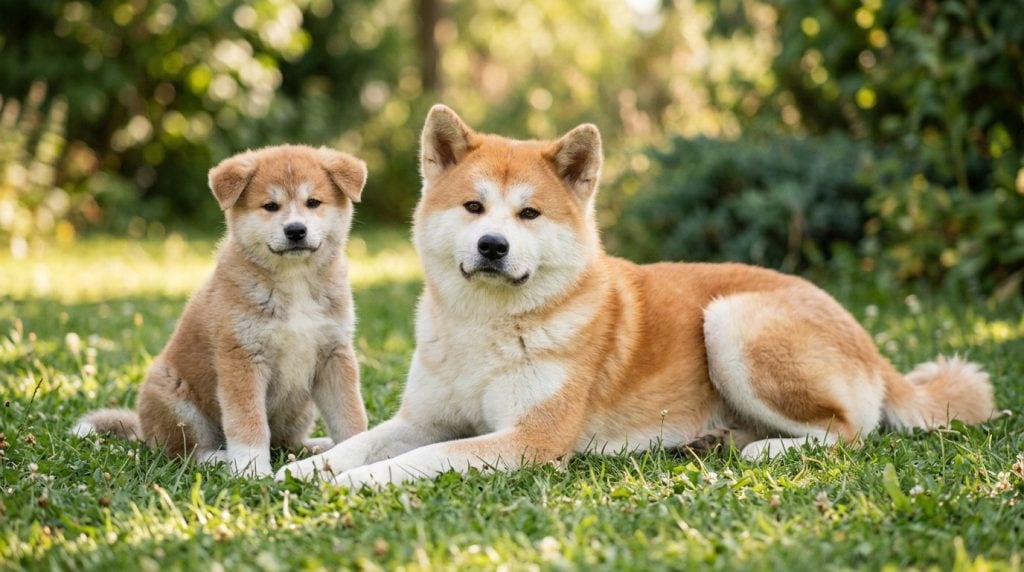
Living with an Akita often means sharing your space with a dog that exudes quiet confidence and loyalty. They tend to form strong bonds with their families, showing a protective yet calm presence in the home. Akitas are known for their independent nature, which can sometimes make them seem aloof, but their devotion to their loved ones is unmistakable.
At a glance
Core care
- Size: Large
- Energy: Moderate
- Grooming: Low
- Shedding: High
Support style
- Sensitivity: Moderate
- Training style: Independent
Breed guide
Choose a section to explore. These notes describe common patterns, but individual dogs vary widely.
The Akita’s origins as a working dog in the mountainous regions of Japan have shaped its character into what we see today. Historically, Akitas were used for guarding royalty and nobility, as well as hunting large game like bears. This background helps explain their alertness and strong protective instincts, which are often observed in their interactions with family and strangers alike.
Physically, Akitas are large and imposing, with a sturdy build that commands respect. Their thick double coat is designed to withstand harsh climates, which means they shed quite a bit, especially during seasonal changes. Owners often find themselves managing a fair amount of fur around the house, but many appreciate the Akita’s striking appearance and dignified presence.
Temperamentally, Akitas are known for their independence and loyalty. They tend to be reserved with strangers but can be incredibly affectionate with their family. This breed often displays a calm demeanor, though they are always watchful and ready to protect their loved ones if needed. It’s not uncommon for Akitas to be somewhat aloof, preferring to observe rather than participate in the hustle and bustle.
When considering an Akita, it’s important to remember that each dog is an individual. While many Akitas share common traits, their personalities can vary significantly. Factors such as genetics, upbringing, and environment all play a role in shaping an Akita’s behaviour. Understanding these nuances helps set realistic expectations for living with this unique breed.
Akitas often have a reputation for being aloof, but this doesn’t mean they lack affection. Many owners find that their Akita forms a strong bond with family members, often choosing one person as their primary focus. This loyalty can manifest as a protective nature, where the dog is always alert to potential threats, even if they appear calm and composed.
Their independent streak is a notable trait, often making them seem less eager to please than other breeds. This independence can be traced back to their working origins, where they needed to make decisions on their own. In a home setting, this might mean an Akita is less responsive to commands, requiring a more patient and understanding approach to training.
Akitas are known for their moderate sensitivity. They can be quite perceptive, picking up on the emotions and moods of those around them. This sensitivity, combined with their loyalty, often makes them excellent companions for those who appreciate a dog that is both observant and intuitive. However, their independent nature means they may not always seek out constant attention or affection.
While Akitas can be reserved, they are not without their playful moments. Many owners notice that their Akita enjoys playtime, though they may prefer games that challenge their intelligence rather than purely physical activities. This combination of traits makes them unique companions, offering a blend of independence, loyalty, and occasional playfulness that many find endearing.
A typical day for an Akita involves a balanced mix of physical activity and mental stimulation. While they don’t require as much exercise as some other large breeds, regular walks and play sessions are essential to keep them healthy and content. Many owners find that two moderate walks a day, combined with some interactive playtime, suits their Akita well.
Given their working heritage, Akitas often appreciate activities that engage their minds. Puzzle toys, scent work, or even basic obedience training can provide the mental enrichment they need. These activities not only keep them entertained but also help strengthen the bond between dog and owner.
As Akitas age, their exercise needs may change. Younger dogs tend to have more energy and may require additional playtime or longer walks. In contrast, older Akitas might prefer shorter, more leisurely strolls. It’s important to adjust their routine as they grow to ensure they remain comfortable and healthy.
Owners should be mindful of the Akita’s independent nature when planning activities. While they enjoy spending time with their family, they may not always be interested in high-energy or chaotic environments. Finding a balance that respects their temperament while ensuring they get enough exercise is key to a happy and healthy Akita.
Training an Akita can often feel like a lesson in patience and understanding. Their independent nature means they may not respond immediately to commands, preferring to think things through before acting. This doesn’t mean they are untrainable, but rather that they require a thoughtful and consistent approach.
Positive reinforcement tends to work well with Akitas, as they respond better to encouragement and rewards than to harsh corrections. Building a strong relationship based on trust and mutual respect is crucial. Many owners find that short, engaging training sessions are more effective than long, repetitive ones.
Adolescence can be a challenging time for Akita owners, as this is when their independence may be most pronounced. Consistency is key during this period, as is maintaining a calm and patient demeanor. Establishing clear boundaries and expectations early on can help guide them through this stage.
Ultimately, training an Akita is about understanding their unique personality and working with it rather than against it. With the right approach, they can become well-mannered companions who respect their owner’s guidance while retaining their distinctive character.
Akitas tend to thrive in environments where they have space to move and explore. They are well-suited to homes with secure gardens where they can roam safely. While they can adapt to various living situations, they often do best in quieter households where their calm nature is respected.
Many owners find that Akitas can coexist peacefully with children, though supervision is always recommended. Their protective instincts mean they may be watchful over younger family members, and their calm demeanor can be a reassuring presence. However, it’s important to teach children how to interact respectfully with an Akita, as they may not tolerate rough play.
When it comes to other pets, Akitas can be selective. Early socialisation is key to helping them accept other animals, but their hunting background means they may not always get along with smaller pets. Each Akita is different, and their ability to live with other animals can vary based on their individual temperament and socialisation experiences.
Ultimately, an Akita’s suitability for a particular home depends on the understanding and commitment of the owner. They require a family that appreciates their unique traits and is willing to invest time in their care and training, making them a rewarding companion for those who embrace their distinct character.
Health is a crucial aspect of an Akita’s overall wellbeing, and proactive care can make a significant difference in their quality of life. Regular veterinary check-ups are important to monitor their health and catch any potential issues early. Common health concerns in Akitas include hip dysplasia and autoimmune disorders, so keeping an eye on their mobility and general health is wise.
Understanding the connection between health and behaviour can also be beneficial. For example, an Akita in pain may become more withdrawn or irritable, so changes in behaviour should not be ignored. Regular exercise and a balanced diet play a vital role in maintaining their health and preventing obesity, which can exacerbate joint issues.
Preventive care, such as vaccinations and parasite control, is essential for keeping an Akita healthy. Dental care should not be overlooked either, as maintaining good oral hygiene can prevent more serious health problems down the line.
If any health concerns arise, seeking veterinary advice promptly is crucial. With the right care and attention, many Akitas can lead long, healthy lives, allowing them to be the loyal companions they are known to be.
The Akita’s history is deeply rooted in Japan, where they were originally bred as hunting and guard dogs in the mountainous regions. Their role was to protect and serve the nobility, which is reflected in their dignified and protective nature today. The breed’s ability to hunt large game like bears and boars highlights their strength and courage.
Over time, the Akita’s role expanded beyond hunting, becoming a symbol of loyalty and protection. This reputation was solidified by the famous story of Hachiko, an Akita who waited at a train station every day for his deceased owner, epitomising the breed’s loyalty. This story captured the hearts of many and brought international attention to the breed.
The Akita’s development was influenced by various factors, including crossbreeding during wartime to preserve the breed. This resulted in two distinct types: the Japanese Akita Inu and the American Akita. While both share common ancestry, they have diverged in appearance and some behavioural traits, though their core characteristics remain similar.
Understanding the Akita’s history provides insight into their modern traits. Their protective instincts, loyalty, and independence are all echoes of their past roles. For owners, recognising these historical influences can help in appreciating the Akita’s unique personality and needs, making them a rewarding companion for those who understand their heritage.
What shapes individual dogs
- Early social experiences
- Training approach
- Environment & routine
- Genetics & breeding
- Health & pain
- Age / life stage
The Akita’s origins as a working dog in the mountainous regions of Japan have shaped its character into what we see today. Historically, Akitas were used for guarding royalty and nobility, as well as hunting large game like bears. This background helps explain their alertness and strong protective instincts, which are often observed in their interactions with family and strangers alike.
Physically, Akitas are large and imposing, with a sturdy build that commands respect. Their thick double coat is designed to withstand harsh climates, which means they shed quite a bit, especially during seasonal changes. Owners often find themselves managing a fair amount of fur around the house, but many appreciate the Akita’s striking appearance and dignified presence.
Temperamentally, Akitas are known for their independence and loyalty. They tend to be reserved with strangers but can be incredibly affectionate with their family. This breed often displays a calm demeanor, though they are always watchful and ready to protect their loved ones if needed. It’s not uncommon for Akitas to be somewhat aloof, preferring to observe rather than participate in the hustle and bustle.
When considering an Akita, it’s important to remember that each dog is an individual. While many Akitas share common traits, their personalities can vary significantly. Factors such as genetics, upbringing, and environment all play a role in shaping an Akita’s behaviour. Understanding these nuances helps set realistic expectations for living with this unique breed.
Akitas often have a reputation for being aloof, but this doesn’t mean they lack affection. Many owners find that their Akita forms a strong bond with family members, often choosing one person as their primary focus. This loyalty can manifest as a protective nature, where the dog is always alert to potential threats, even if they appear calm and composed.
Their independent streak is a notable trait, often making them seem less eager to please than other breeds. This independence can be traced back to their working origins, where they needed to make decisions on their own. In a home setting, this might mean an Akita is less responsive to commands, requiring a more patient and understanding approach to training.
Akitas are known for their moderate sensitivity. They can be quite perceptive, picking up on the emotions and moods of those around them. This sensitivity, combined with their loyalty, often makes them excellent companions for those who appreciate a dog that is both observant and intuitive. However, their independent nature means they may not always seek out constant attention or affection.
While Akitas can be reserved, they are not without their playful moments. Many owners notice that their Akita enjoys playtime, though they may prefer games that challenge their intelligence rather than purely physical activities. This combination of traits makes them unique companions, offering a blend of independence, loyalty, and occasional playfulness that many find endearing.
A typical day for an Akita involves a balanced mix of physical activity and mental stimulation. While they don’t require as much exercise as some other large breeds, regular walks and play sessions are essential to keep them healthy and content. Many owners find that two moderate walks a day, combined with some interactive playtime, suits their Akita well.
Given their working heritage, Akitas often appreciate activities that engage their minds. Puzzle toys, scent work, or even basic obedience training can provide the mental enrichment they need. These activities not only keep them entertained but also help strengthen the bond between dog and owner.
As Akitas age, their exercise needs may change. Younger dogs tend to have more energy and may require additional playtime or longer walks. In contrast, older Akitas might prefer shorter, more leisurely strolls. It’s important to adjust their routine as they grow to ensure they remain comfortable and healthy.
Owners should be mindful of the Akita’s independent nature when planning activities. While they enjoy spending time with their family, they may not always be interested in high-energy or chaotic environments. Finding a balance that respects their temperament while ensuring they get enough exercise is key to a happy and healthy Akita.
Training an Akita can often feel like a lesson in patience and understanding. Their independent nature means they may not respond immediately to commands, preferring to think things through before acting. This doesn’t mean they are untrainable, but rather that they require a thoughtful and consistent approach.
Positive reinforcement tends to work well with Akitas, as they respond better to encouragement and rewards than to harsh corrections. Building a strong relationship based on trust and mutual respect is crucial. Many owners find that short, engaging training sessions are more effective than long, repetitive ones.
Adolescence can be a challenging time for Akita owners, as this is when their independence may be most pronounced. Consistency is key during this period, as is maintaining a calm and patient demeanor. Establishing clear boundaries and expectations early on can help guide them through this stage.
Ultimately, training an Akita is about understanding their unique personality and working with it rather than against it. With the right approach, they can become well-mannered companions who respect their owner’s guidance while retaining their distinctive character.
Akitas tend to thrive in environments where they have space to move and explore. They are well-suited to homes with secure gardens where they can roam safely. While they can adapt to various living situations, they often do best in quieter households where their calm nature is respected.
Many owners find that Akitas can coexist peacefully with children, though supervision is always recommended. Their protective instincts mean they may be watchful over younger family members, and their calm demeanor can be a reassuring presence. However, it’s important to teach children how to interact respectfully with an Akita, as they may not tolerate rough play.
When it comes to other pets, Akitas can be selective. Early socialisation is key to helping them accept other animals, but their hunting background means they may not always get along with smaller pets. Each Akita is different, and their ability to live with other animals can vary based on their individual temperament and socialisation experiences.
Ultimately, an Akita’s suitability for a particular home depends on the understanding and commitment of the owner. They require a family that appreciates their unique traits and is willing to invest time in their care and training, making them a rewarding companion for those who embrace their distinct character.
Health is a crucial aspect of an Akita’s overall wellbeing, and proactive care can make a significant difference in their quality of life. Regular veterinary check-ups are important to monitor their health and catch any potential issues early. Common health concerns in Akitas include hip dysplasia and autoimmune disorders, so keeping an eye on their mobility and general health is wise.
Understanding the connection between health and behaviour can also be beneficial. For example, an Akita in pain may become more withdrawn or irritable, so changes in behaviour should not be ignored. Regular exercise and a balanced diet play a vital role in maintaining their health and preventing obesity, which can exacerbate joint issues.
Preventive care, such as vaccinations and parasite control, is essential for keeping an Akita healthy. Dental care should not be overlooked either, as maintaining good oral hygiene can prevent more serious health problems down the line.
If any health concerns arise, seeking veterinary advice promptly is crucial. With the right care and attention, many Akitas can lead long, healthy lives, allowing them to be the loyal companions they are known to be.
The Akita’s history is deeply rooted in Japan, where they were originally bred as hunting and guard dogs in the mountainous regions. Their role was to protect and serve the nobility, which is reflected in their dignified and protective nature today. The breed’s ability to hunt large game like bears and boars highlights their strength and courage.
Over time, the Akita’s role expanded beyond hunting, becoming a symbol of loyalty and protection. This reputation was solidified by the famous story of Hachiko, an Akita who waited at a train station every day for his deceased owner, epitomising the breed’s loyalty. This story captured the hearts of many and brought international attention to the breed.
The Akita’s development was influenced by various factors, including crossbreeding during wartime to preserve the breed. This resulted in two distinct types: the Japanese Akita Inu and the American Akita. While both share common ancestry, they have diverged in appearance and some behavioural traits, though their core characteristics remain similar.
Understanding the Akita’s history provides insight into their modern traits. Their protective instincts, loyalty, and independence are all echoes of their past roles. For owners, recognising these historical influences can help in appreciating the Akita’s unique personality and needs, making them a rewarding companion for those who understand their heritage.
What shapes individual dogs
- Early social experiences
- Training approach
- Environment & routine
- Genetics & breeding
- Health & pain
- Age / life stage
Want support with this?
This course helps Akita owners understand their dog's unique temperament and independent nature, fostering a better relationship.