
Belgian Malinois
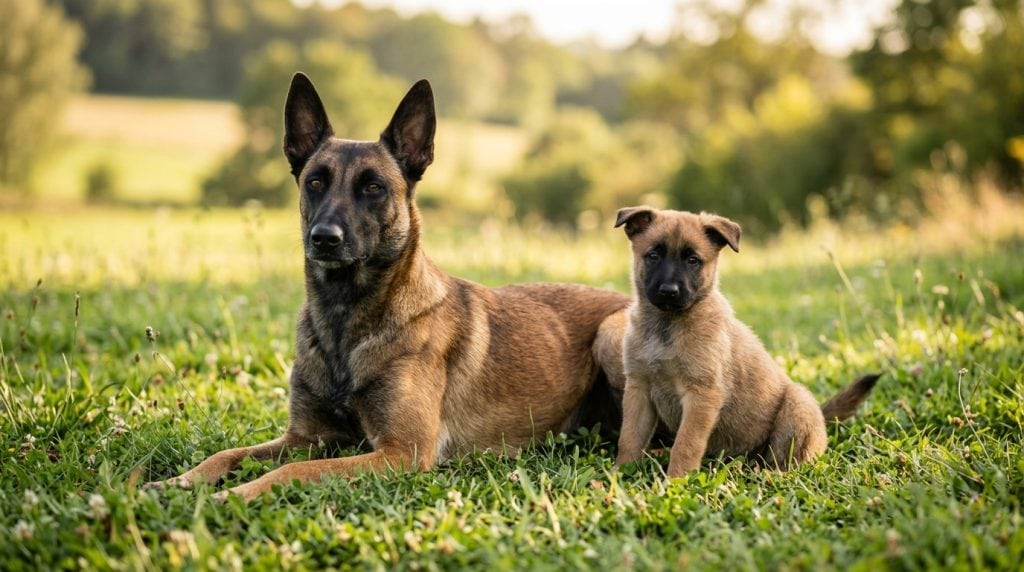
Living with a Belgian Malinois often means sharing your home with a dog that is constantly aware of its surroundings and eager to stay involved in daily life. Their alert nature and strong work drive often become clear very quickly, especially in households where activity and engagement are part of the routine.
At a glance
Core care
- Size: Large
- Energy: Very high
- Grooming: Low
- Shedding: Moderate
Support style
- Sensitivity: High
- Training style: Highly responsive
Breed guide
Choose a section to explore. These notes describe common patterns, but individual dogs vary widely.
Belgian Malinois are often recognised for their intense focus and high level of awareness. Many owners quickly notice how these dogs remain attentive to movement and activity around them, often appearing ready to respond the moment something interesting happens. This level of alertness reflects generations of breeding for demanding working roles.
Physically, the Belgian Malinois is a sturdy and athletic dog, built for endurance and agility. Their sleek, muscular build allows them to move with speed and precision, making them well-suited for a variety of physical activities. In everyday life, this often translates to a dog that thrives on regular exercise and enjoys challenges that engage both body and mind.
Temperamentally, Belgian Malinois are known for their intelligence and responsiveness. They often form strong bonds with their families and can be highly attuned to their environment. Their sensitivity means they tend to respond best to consistent guidance and positive reinforcement. Many owners notice their Malinois’s loyalty and protective instincts, traits that can become more apparent as the dog matures.
As with any breed, individual Belgian Malinois can vary in personality and behaviour. While breed tendencies provide helpful guidance, factors such as genetics, upbringing, and daily environment all play important roles in shaping each dog’s temperament.
Belgian Malinois are often described as being highly social with their families, though they may be reserved with strangers. This social nature stems from their history as working dogs, where they needed to work closely with humans. In a home setting, this often means a Malinois will want to be involved in family activities, frequently seeking out interaction and engagement with their owners.
Their high sensitivity is another characteristic that stands out to many owners. Belgian Malinois are known to be very attuned to their environment and the emotions of the people around them. This sensitivity can make them excellent companions for those who can provide a stable and positive environment. Owners often notice that their Malinois will respond quickly to changes in mood or routine, which can be both endearing and sometimes challenging.
Trainability is a hallmark of the Belgian Malinois, and many owners find that these dogs excel in obedience and agility training. Their eagerness to learn and work is a direct reflection of their herding background, where quick decision-making and responsiveness were essential. However, this same intelligence and drive mean that they require consistent mental stimulation and training to prevent boredom and potential behavioural issues.
While Belgian Malinois are generally eager to please, it’s important for owners to remember that each dog is an individual. Some may be more outgoing, while others might be more reserved. Understanding and respecting these individual differences is key to building a strong and positive relationship with a Malinois. Providing them with the right balance of social interaction, training, and mental challenges will help them thrive in a home environment.
A typical day for a Belgian Malinois involves a significant amount of physical activity. These dogs are not only energetic but also thrive on having a purpose, so daily exercise is essential. Owners often find that their Malinois enjoys a mix of activities, from long walks or runs to more structured exercises like agility training or fetch games. This variety helps keep their minds and bodies engaged.
Given their high energy levels, it’s important to provide a Malinois with ample opportunities to burn off energy in a controlled and positive manner. Mental enrichment is just as crucial as physical exercise for this breed. Puzzle toys, scent work, and interactive games can all help satisfy their need for mental stimulation. Owners often notice that a well-exercised and mentally stimulated Malinois is a happier and more relaxed companion.
As Belgian Malinois age, their exercise needs may change, but they still require regular activity to maintain their health and happiness. Even older Malinois benefit from gentle walks and mental challenges that cater to their abilities. It’s important to adjust their routine to suit their age and physical condition while still providing them with the engagement they crave.
Owners should be mindful of not over-exercising young Malinois, as their growing bodies need time to develop properly. Striking the right balance between exercise and rest is crucial in ensuring that they grow into healthy adults. By understanding and meeting the exercise and enrichment needs of a Belgian Malinois, owners can help their dogs lead fulfilling and balanced lives.
Training a Belgian Malinois often feels like working with a highly intelligent and eager partner. These dogs are known for their responsiveness and quick learning, making training an enjoyable experience for those who approach it with patience and consistency. Owners often find that positive reinforcement techniques work best, as Malinois thrive on praise and rewards.
Impulse control can be an area where some Malinois need extra guidance. Their high energy and drive can sometimes lead to impulsive behaviours, especially during adolescence. Consistent training and clear boundaries can help manage these tendencies, ensuring that the dog understands what is expected of them. Many owners find that structured activities like obedience classes or agility training can help channel their dog’s energy in a positive direction.
The adolescent phase can present challenges, as Malinois may test boundaries and explore their independence. During this time, maintaining a strong relationship built on trust and mutual respect is key. Owners often notice that their Malinois responds well to consistent routines and clear communication, which helps them navigate this developmental stage successfully.
Overall, building a strong bond with a Belgian Malinois through training requires time and dedication. Each dog is an individual, and understanding their unique personality and needs is essential. By fostering a positive and supportive training environment, owners can help their Malinois develop into well-rounded and confident companions.
Belgian Malinois tend to thrive in environments where they have plenty of space to move and explore. They are well-suited to homes with large gardens or access to open spaces where they can run and play. Many owners find that their Malinois is happiest when they have regular opportunities for outdoor activities and exercise.
Living with a Belgian Malinois often means having an active lifestyle. These dogs enjoy being involved in family activities and can make excellent companions for those who enjoy hiking, running, or other outdoor pursuits. Owners frequently notice that their Malinois is eager to join in on adventures, making them great partners for active individuals or families.
When it comes to living with children and other pets, Belgian Malinois can be wonderful companions, though early socialisation is key. Many owners find that their Malinois is gentle and protective with children, but supervision is always recommended to ensure positive interactions. With other pets, especially smaller animals, careful introductions and monitoring are important to foster harmonious relationships.
While Belgian Malinois can adapt to various living situations, it’s crucial for potential owners to understand the commitment involved in meeting their needs. These dogs require time, attention, and energy from their families to truly thrive. By ensuring that their lifestyle aligns with the needs of a Malinois, owners can create a fulfilling and rewarding environment for both themselves and their dog.
The health of a Belgian Malinois is closely tied to their overall wellbeing and quality of life. Like many breeds, they can be prone to certain health issues, but proactive care can help mitigate these risks. Regular veterinary check-ups are essential to monitor their health and catch any potential concerns early.
Common health considerations for Belgian Malinois include hip and elbow dysplasia, eye conditions, and certain skin issues. Owners often find that maintaining a healthy weight and providing a balanced diet can support their dog’s joint health and overall vitality. Regular exercise also plays a crucial role in keeping them fit and healthy.
Behavioural changes can sometimes indicate underlying health issues, so it’s important for owners to be observant and attentive to their dog’s normal behaviour. Any sudden changes in appetite, energy levels, or temperament should be discussed with a veterinarian to rule out any medical concerns.
Preventive care, including vaccinations, parasite control, and dental hygiene, is vital in maintaining a Belgian Malinois’s health. By staying informed about breed-specific health issues and working closely with a trusted veterinarian, owners can help ensure their Malinois leads a long, healthy, and happy life.
The Belgian Malinois originated in Belgium, where it was developed as one of four varieties of Belgian herding dogs. Its primary purpose was to assist shepherds in managing livestock, a role that required intelligence, agility, and endurance. This working background is still evident in the breed’s modern-day characteristics, as they continue to exhibit a strong work ethic and high energy levels.
Throughout history, the Belgian Malinois has been valued for its versatility and adaptability. Beyond herding, these dogs have been employed in various roles, including police and military work, search and rescue, and protection services. Their ability to learn quickly and respond to commands has made them a favourite among professionals who require a reliable and capable working dog.
The breed’s development was guided by a focus on functionality rather than appearance, which is why the Belgian Malinois is known for its athletic build and keen intelligence. These traits have been preserved over the years, making them well-suited for a range of activities and tasks. Owners today often find that their Malinois thrives when given a job or purpose, reflecting their historical roots.
Understanding the history of the Belgian Malinois helps explain their modern-day behaviour and needs. Their working heritage means they require ample physical and mental stimulation, and they are happiest when they have a role to fulfil. By recognising the breed’s origins, owners can better appreciate the unique qualities that make the Belgian Malinois such a remarkable companion.
What shapes individual dogs
- Early social experiences
- Training approach
- Environment & routine
- Genetics & breeding
- Health & pain
- Age / life stage
Belgian Malinois are often recognised for their intense focus and high level of awareness. Many owners quickly notice how these dogs remain attentive to movement and activity around them, often appearing ready to respond the moment something interesting happens. This level of alertness reflects generations of breeding for demanding working roles.
Physically, the Belgian Malinois is a sturdy and athletic dog, built for endurance and agility. Their sleek, muscular build allows them to move with speed and precision, making them well-suited for a variety of physical activities. In everyday life, this often translates to a dog that thrives on regular exercise and enjoys challenges that engage both body and mind.
Temperamentally, Belgian Malinois are known for their intelligence and responsiveness. They often form strong bonds with their families and can be highly attuned to their environment. Their sensitivity means they tend to respond best to consistent guidance and positive reinforcement. Many owners notice their Malinois’s loyalty and protective instincts, traits that can become more apparent as the dog matures.
As with any breed, individual Belgian Malinois can vary in personality and behaviour. While breed tendencies provide helpful guidance, factors such as genetics, upbringing, and daily environment all play important roles in shaping each dog’s temperament.
Belgian Malinois are often described as being highly social with their families, though they may be reserved with strangers. This social nature stems from their history as working dogs, where they needed to work closely with humans. In a home setting, this often means a Malinois will want to be involved in family activities, frequently seeking out interaction and engagement with their owners.
Their high sensitivity is another characteristic that stands out to many owners. Belgian Malinois are known to be very attuned to their environment and the emotions of the people around them. This sensitivity can make them excellent companions for those who can provide a stable and positive environment. Owners often notice that their Malinois will respond quickly to changes in mood or routine, which can be both endearing and sometimes challenging.
Trainability is a hallmark of the Belgian Malinois, and many owners find that these dogs excel in obedience and agility training. Their eagerness to learn and work is a direct reflection of their herding background, where quick decision-making and responsiveness were essential. However, this same intelligence and drive mean that they require consistent mental stimulation and training to prevent boredom and potential behavioural issues.
While Belgian Malinois are generally eager to please, it’s important for owners to remember that each dog is an individual. Some may be more outgoing, while others might be more reserved. Understanding and respecting these individual differences is key to building a strong and positive relationship with a Malinois. Providing them with the right balance of social interaction, training, and mental challenges will help them thrive in a home environment.
A typical day for a Belgian Malinois involves a significant amount of physical activity. These dogs are not only energetic but also thrive on having a purpose, so daily exercise is essential. Owners often find that their Malinois enjoys a mix of activities, from long walks or runs to more structured exercises like agility training or fetch games. This variety helps keep their minds and bodies engaged.
Given their high energy levels, it’s important to provide a Malinois with ample opportunities to burn off energy in a controlled and positive manner. Mental enrichment is just as crucial as physical exercise for this breed. Puzzle toys, scent work, and interactive games can all help satisfy their need for mental stimulation. Owners often notice that a well-exercised and mentally stimulated Malinois is a happier and more relaxed companion.
As Belgian Malinois age, their exercise needs may change, but they still require regular activity to maintain their health and happiness. Even older Malinois benefit from gentle walks and mental challenges that cater to their abilities. It’s important to adjust their routine to suit their age and physical condition while still providing them with the engagement they crave.
Owners should be mindful of not over-exercising young Malinois, as their growing bodies need time to develop properly. Striking the right balance between exercise and rest is crucial in ensuring that they grow into healthy adults. By understanding and meeting the exercise and enrichment needs of a Belgian Malinois, owners can help their dogs lead fulfilling and balanced lives.
Training a Belgian Malinois often feels like working with a highly intelligent and eager partner. These dogs are known for their responsiveness and quick learning, making training an enjoyable experience for those who approach it with patience and consistency. Owners often find that positive reinforcement techniques work best, as Malinois thrive on praise and rewards.
Impulse control can be an area where some Malinois need extra guidance. Their high energy and drive can sometimes lead to impulsive behaviours, especially during adolescence. Consistent training and clear boundaries can help manage these tendencies, ensuring that the dog understands what is expected of them. Many owners find that structured activities like obedience classes or agility training can help channel their dog’s energy in a positive direction.
The adolescent phase can present challenges, as Malinois may test boundaries and explore their independence. During this time, maintaining a strong relationship built on trust and mutual respect is key. Owners often notice that their Malinois responds well to consistent routines and clear communication, which helps them navigate this developmental stage successfully.
Overall, building a strong bond with a Belgian Malinois through training requires time and dedication. Each dog is an individual, and understanding their unique personality and needs is essential. By fostering a positive and supportive training environment, owners can help their Malinois develop into well-rounded and confident companions.
Belgian Malinois tend to thrive in environments where they have plenty of space to move and explore. They are well-suited to homes with large gardens or access to open spaces where they can run and play. Many owners find that their Malinois is happiest when they have regular opportunities for outdoor activities and exercise.
Living with a Belgian Malinois often means having an active lifestyle. These dogs enjoy being involved in family activities and can make excellent companions for those who enjoy hiking, running, or other outdoor pursuits. Owners frequently notice that their Malinois is eager to join in on adventures, making them great partners for active individuals or families.
When it comes to living with children and other pets, Belgian Malinois can be wonderful companions, though early socialisation is key. Many owners find that their Malinois is gentle and protective with children, but supervision is always recommended to ensure positive interactions. With other pets, especially smaller animals, careful introductions and monitoring are important to foster harmonious relationships.
While Belgian Malinois can adapt to various living situations, it’s crucial for potential owners to understand the commitment involved in meeting their needs. These dogs require time, attention, and energy from their families to truly thrive. By ensuring that their lifestyle aligns with the needs of a Malinois, owners can create a fulfilling and rewarding environment for both themselves and their dog.
The health of a Belgian Malinois is closely tied to their overall wellbeing and quality of life. Like many breeds, they can be prone to certain health issues, but proactive care can help mitigate these risks. Regular veterinary check-ups are essential to monitor their health and catch any potential concerns early.
Common health considerations for Belgian Malinois include hip and elbow dysplasia, eye conditions, and certain skin issues. Owners often find that maintaining a healthy weight and providing a balanced diet can support their dog’s joint health and overall vitality. Regular exercise also plays a crucial role in keeping them fit and healthy.
Behavioural changes can sometimes indicate underlying health issues, so it’s important for owners to be observant and attentive to their dog’s normal behaviour. Any sudden changes in appetite, energy levels, or temperament should be discussed with a veterinarian to rule out any medical concerns.
Preventive care, including vaccinations, parasite control, and dental hygiene, is vital in maintaining a Belgian Malinois’s health. By staying informed about breed-specific health issues and working closely with a trusted veterinarian, owners can help ensure their Malinois leads a long, healthy, and happy life.
The Belgian Malinois originated in Belgium, where it was developed as one of four varieties of Belgian herding dogs. Its primary purpose was to assist shepherds in managing livestock, a role that required intelligence, agility, and endurance. This working background is still evident in the breed’s modern-day characteristics, as they continue to exhibit a strong work ethic and high energy levels.
Throughout history, the Belgian Malinois has been valued for its versatility and adaptability. Beyond herding, these dogs have been employed in various roles, including police and military work, search and rescue, and protection services. Their ability to learn quickly and respond to commands has made them a favourite among professionals who require a reliable and capable working dog.
The breed’s development was guided by a focus on functionality rather than appearance, which is why the Belgian Malinois is known for its athletic build and keen intelligence. These traits have been preserved over the years, making them well-suited for a range of activities and tasks. Owners today often find that their Malinois thrives when given a job or purpose, reflecting their historical roots.
Understanding the history of the Belgian Malinois helps explain their modern-day behaviour and needs. Their working heritage means they require ample physical and mental stimulation, and they are happiest when they have a role to fulfil. By recognising the breed’s origins, owners can better appreciate the unique qualities that make the Belgian Malinois such a remarkable companion.
What shapes individual dogs
- Early social experiences
- Training approach
- Environment & routine
- Genetics & breeding
- Health & pain
- Age / life stage
Want support with this?
This course will help you understand the complex temperament and high sensitivity of the Belgian Malinois, enhancing your relationship with your dog.