
West Highland White Terrier
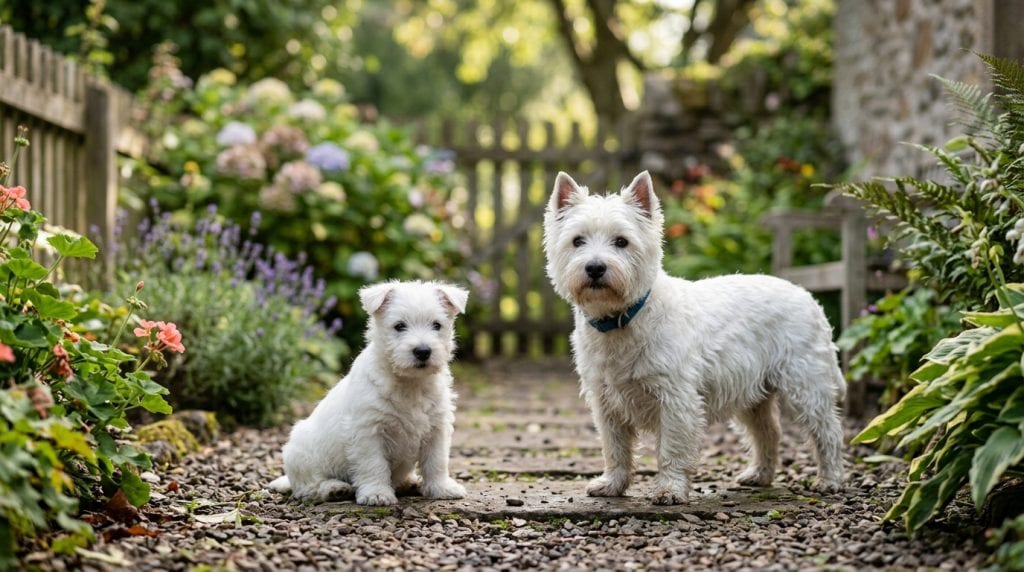
Living with a West Highland White Terrier often means sharing your home with a small dog that approaches the world with curiosity and confidence. Many owners notice how Westies enjoy exploring their surroundings while still staying closely connected to family life.
At a glance
Core care
- Size: Small
- Energy: Moderate to high
- Grooming: Low
- Shedding: Low
Support style
- Sensitivity: Moderate
- Training style: Willing
Breed guide
Choose a section to explore. These notes describe common patterns, but individual dogs vary widely.
The West Highland White Terrier, affectionately known as the Westie, has roots deeply embedded in the rugged landscapes of Scotland. Originally bred for hunting small game, these terriers were valued for their tenacity and alertness. This history of working in challenging terrains is evident today in their energetic and spirited nature. Many Westies retain a strong prey drive, often seen in their enthusiastic pursuit of toys or the occasional squirrel in the garden.
Physically, Westies are small but sturdy dogs, with a distinctive white coat that sets them apart. Their compact size makes them well-suited for a variety of living situations, from city apartments to country homes. Despite their small stature, Westies carry themselves with a certain confidence that belies their size. This can often be seen in their brisk, purposeful walk and their alert expression, always ready to investigate a new scent or sound.
Temperamentally, Westies are known for their lively and friendly disposition. They tend to form strong bonds with their families and are often eager to participate in family activities. However, their independent streak can sometimes make them seem a bit stubborn. Owners often notice that while Westies are generally willing to please, they may also have their own ideas about how things should be done. This blend of independence and affection is part of what makes living with a Westie such a unique experience.
As with any breed, individual Westies can vary in their behaviour and needs. While some may be more laid-back, others might display higher levels of energy and curiosity. It’s important for potential owners to understand that while breed traits provide a general guideline, each dog will have its own personality shaped by genetics and environment.
West Highland White Terriers are often described as having a lively and engaging personality. Their social nature means they typically enjoy being involved in family activities and are known for their cheerful disposition. Many owners find that Westies are quick to greet visitors with enthusiasm, showcasing their friendly and outgoing nature. This sociability, however, is balanced by a certain independence, a trait that can sometimes manifest as a streak of stubbornness.
Understanding why Westies behave the way they do often comes down to their terrier heritage. Bred to work independently in the rugged terrains of Scotland, they have developed a strong sense of self-reliance. This can sometimes translate into a dog that knows its own mind and may not always be immediately obedient. However, their willingness to engage and their affectionate nature often make them delightful companions.
In everyday life, owners might notice that Westies are quite alert and curious about their surroundings. This curiosity can lead to moments of mischief, as they explore and interact with their environment. Their moderate sensitivity means they respond well to positive reinforcement and gentle guidance, making them generally responsive to training efforts. This combination of traits often results in a dog that is both entertaining and rewarding to live with.
While Westies are generally adaptable, it’s important to remember that individual dogs can vary significantly. Some may be more reserved, while others might be particularly outgoing. This variation is a reminder that while breed tendencies provide a framework, each Westie will have its own unique personality shaped by its experiences and environment.
A typical day with a West Highland White Terrier involves a blend of physical activity and mental stimulation. These dogs have moderate to high energy levels, so regular walks are essential. A couple of brisk walks each day, combined with some playtime in a secure area, usually suffice to keep a Westie content. Their terrier instincts mean they often enjoy games that involve chasing or retrieving, which can be a great way to engage their natural drives.
Mental enrichment is equally important for Westies, given their intelligent and curious nature. Puzzle toys, scent games, and interactive play can help keep their minds sharp and prevent boredom. Owners often find that rotating toys and introducing new challenges can keep a Westie engaged and satisfied. It’s important to remember that these dogs thrive on variety and can become bored with repetitive activities.
As Westies age, their exercise needs may change, but they often retain a playful spirit well into their senior years. Adjusting the intensity and duration of activities to suit their age and health is crucial. For younger Westies, ensuring they have plenty of opportunities to burn off energy can help prevent unwanted behaviours that stem from boredom or excess energy.
While Westies are generally adaptable, it’s important to avoid over-exercising them, especially in extreme weather conditions. Their double coat provides some protection, but they can still be susceptible to heat and cold. Balancing physical exercise with mental challenges ensures a well-rounded routine that caters to their needs throughout their life stages.
Training a West Highland White Terrier can often feel like a delightful challenge. These dogs are known for their intelligence and willingness to learn, but their independent nature can sometimes make training sessions interesting. Owners often find that a consistent and positive approach works best, as Westies respond well to encouragement and rewards.
Impulse control can be a particular focus during training, especially given their terrier instincts to chase and explore. Teaching a reliable recall and basic commands can help manage these tendencies. It’s important to start training early and to be patient, as Westies may test boundaries from time to time. Consistency and clear communication are key to helping them understand expectations.
Adolescence can be a testing time for many Westie owners, as these dogs may exhibit increased independence and curiosity. This period is an opportunity to reinforce training and to continue building a strong relationship based on trust and mutual respect. Owners often find that maintaining a routine and providing plenty of mental and physical stimulation can help navigate this phase successfully.
Overall, training a Westie is a rewarding experience that strengthens the bond between dog and owner. While they may have moments of stubbornness, their affectionate nature and eagerness to engage make them enjoyable companions. For those new to dog training, enrolling in a course like “Puppy Beginnings: Building a Calm Start” can provide valuable guidance and support.
West Highland White Terriers tend to adapt well to various living environments, making them suitable companions for both urban and rural settings. Their compact size and moderate exercise needs mean they can thrive in apartments as long as they receive regular walks and playtime. However, they also enjoy having access to a secure garden where they can explore and satisfy their curious nature.
In homes with children, Westies often prove to be playful and affectionate companions. Their sturdy build and lively disposition mean they can keep up with the energy of younger family members. However, as with any breed, interactions between dogs and children should always be supervised to ensure safety and mutual respect.
When it comes to other pets, Westies can coexist peacefully, particularly if they are introduced to other animals from a young age. Their terrier instincts might mean they are initially curious or excitable around smaller pets, but with proper introductions and supervision, many Westies learn to live harmoniously with other animals.
Overall, the key to a successful home fit is understanding the individual dog’s needs and personality. While Westies have certain breed tendencies, each dog will have its own preferences and quirks. Potential owners should consider their lifestyle and how a Westie might fit into it, ensuring they can provide the companionship and engagement these spirited dogs thrive on.
The health and wellbeing of a West Highland White Terrier are closely linked to their everyday quality of life. Like many breeds, Westies have certain health considerations that owners should be aware of. Regular veterinary check-ups and preventive care are essential to ensure they remain healthy and happy.
Some common health issues in Westies include skin conditions and allergies, which can manifest as itching or irritation. Owners often find that maintaining a regular grooming routine and monitoring their diet can help manage these issues. It’s important to seek veterinary advice if any persistent skin problems arise, as early intervention can prevent more serious complications.
Dental care is another aspect of health that should not be overlooked. Regular brushing of their teeth and providing dental chews can help prevent dental disease, which is common in small breeds. Additionally, keeping an eye on their weight and ensuring they receive balanced nutrition can support their overall health.
While Westies are generally robust dogs, individual health can vary. Being attentive to changes in behaviour or physical condition can provide early clues to potential health issues. Building a relationship with a trusted veterinarian and staying informed about breed-specific health concerns can help owners provide the best care for their Westie throughout their life.
The history of the West Highland White Terrier is as rugged and resilient as the Scottish highlands from which they hail. Originally bred to hunt small game such as rodents and foxes, these terriers were developed for their keen sense of smell and determination. The distinct white coat was specifically chosen to ensure they were easily visible during hunts, reducing the risk of being mistaken for prey.
The breed’s development is credited to Colonel Edward Donald Malcolm of Poltalloch in the 19th century. He sought to create a terrier that was not only effective in hunting but also easily distinguishable from the quarry. This led to the selection of white-coated dogs, which became the hallmark of the breed. The Westie’s tenacity and independence are traits that have been passed down through generations, reflecting their working origins.
As the breed gained popularity beyond Scotland, Westies became cherished companions, admired for their spirited nature and distinctive appearance. Their adaptability and charm have made them a favourite in many households around the world. Despite their transition from working dogs to family pets, Westies have retained their lively and inquisitive nature, a nod to their heritage.
Today, the West Highland White Terrier continues to embody the qualities that made them valuable working dogs. Their intelligence, courage, and loyalty are traits that owners recognise and appreciate. Understanding their history provides insight into their behaviour and helps explain why these little terriers are such beloved companions.
What shapes individual dogs
- Early social experiences
- Training approach
- Environment & routine
- Genetics & breeding
- Health & pain
- Age / life stage
The West Highland White Terrier, affectionately known as the Westie, has roots deeply embedded in the rugged landscapes of Scotland. Originally bred for hunting small game, these terriers were valued for their tenacity and alertness. This history of working in challenging terrains is evident today in their energetic and spirited nature. Many Westies retain a strong prey drive, often seen in their enthusiastic pursuit of toys or the occasional squirrel in the garden.
Physically, Westies are small but sturdy dogs, with a distinctive white coat that sets them apart. Their compact size makes them well-suited for a variety of living situations, from city apartments to country homes. Despite their small stature, Westies carry themselves with a certain confidence that belies their size. This can often be seen in their brisk, purposeful walk and their alert expression, always ready to investigate a new scent or sound.
Temperamentally, Westies are known for their lively and friendly disposition. They tend to form strong bonds with their families and are often eager to participate in family activities. However, their independent streak can sometimes make them seem a bit stubborn. Owners often notice that while Westies are generally willing to please, they may also have their own ideas about how things should be done. This blend of independence and affection is part of what makes living with a Westie such a unique experience.
As with any breed, individual Westies can vary in their behaviour and needs. While some may be more laid-back, others might display higher levels of energy and curiosity. It’s important for potential owners to understand that while breed traits provide a general guideline, each dog will have its own personality shaped by genetics and environment.
West Highland White Terriers are often described as having a lively and engaging personality. Their social nature means they typically enjoy being involved in family activities and are known for their cheerful disposition. Many owners find that Westies are quick to greet visitors with enthusiasm, showcasing their friendly and outgoing nature. This sociability, however, is balanced by a certain independence, a trait that can sometimes manifest as a streak of stubbornness.
Understanding why Westies behave the way they do often comes down to their terrier heritage. Bred to work independently in the rugged terrains of Scotland, they have developed a strong sense of self-reliance. This can sometimes translate into a dog that knows its own mind and may not always be immediately obedient. However, their willingness to engage and their affectionate nature often make them delightful companions.
In everyday life, owners might notice that Westies are quite alert and curious about their surroundings. This curiosity can lead to moments of mischief, as they explore and interact with their environment. Their moderate sensitivity means they respond well to positive reinforcement and gentle guidance, making them generally responsive to training efforts. This combination of traits often results in a dog that is both entertaining and rewarding to live with.
While Westies are generally adaptable, it’s important to remember that individual dogs can vary significantly. Some may be more reserved, while others might be particularly outgoing. This variation is a reminder that while breed tendencies provide a framework, each Westie will have its own unique personality shaped by its experiences and environment.
A typical day with a West Highland White Terrier involves a blend of physical activity and mental stimulation. These dogs have moderate to high energy levels, so regular walks are essential. A couple of brisk walks each day, combined with some playtime in a secure area, usually suffice to keep a Westie content. Their terrier instincts mean they often enjoy games that involve chasing or retrieving, which can be a great way to engage their natural drives.
Mental enrichment is equally important for Westies, given their intelligent and curious nature. Puzzle toys, scent games, and interactive play can help keep their minds sharp and prevent boredom. Owners often find that rotating toys and introducing new challenges can keep a Westie engaged and satisfied. It’s important to remember that these dogs thrive on variety and can become bored with repetitive activities.
As Westies age, their exercise needs may change, but they often retain a playful spirit well into their senior years. Adjusting the intensity and duration of activities to suit their age and health is crucial. For younger Westies, ensuring they have plenty of opportunities to burn off energy can help prevent unwanted behaviours that stem from boredom or excess energy.
While Westies are generally adaptable, it’s important to avoid over-exercising them, especially in extreme weather conditions. Their double coat provides some protection, but they can still be susceptible to heat and cold. Balancing physical exercise with mental challenges ensures a well-rounded routine that caters to their needs throughout their life stages.
Training a West Highland White Terrier can often feel like a delightful challenge. These dogs are known for their intelligence and willingness to learn, but their independent nature can sometimes make training sessions interesting. Owners often find that a consistent and positive approach works best, as Westies respond well to encouragement and rewards.
Impulse control can be a particular focus during training, especially given their terrier instincts to chase and explore. Teaching a reliable recall and basic commands can help manage these tendencies. It’s important to start training early and to be patient, as Westies may test boundaries from time to time. Consistency and clear communication are key to helping them understand expectations.
Adolescence can be a testing time for many Westie owners, as these dogs may exhibit increased independence and curiosity. This period is an opportunity to reinforce training and to continue building a strong relationship based on trust and mutual respect. Owners often find that maintaining a routine and providing plenty of mental and physical stimulation can help navigate this phase successfully.
Overall, training a Westie is a rewarding experience that strengthens the bond between dog and owner. While they may have moments of stubbornness, their affectionate nature and eagerness to engage make them enjoyable companions. For those new to dog training, enrolling in a course like “Puppy Beginnings: Building a Calm Start” can provide valuable guidance and support.
West Highland White Terriers tend to adapt well to various living environments, making them suitable companions for both urban and rural settings. Their compact size and moderate exercise needs mean they can thrive in apartments as long as they receive regular walks and playtime. However, they also enjoy having access to a secure garden where they can explore and satisfy their curious nature.
In homes with children, Westies often prove to be playful and affectionate companions. Their sturdy build and lively disposition mean they can keep up with the energy of younger family members. However, as with any breed, interactions between dogs and children should always be supervised to ensure safety and mutual respect.
When it comes to other pets, Westies can coexist peacefully, particularly if they are introduced to other animals from a young age. Their terrier instincts might mean they are initially curious or excitable around smaller pets, but with proper introductions and supervision, many Westies learn to live harmoniously with other animals.
Overall, the key to a successful home fit is understanding the individual dog’s needs and personality. While Westies have certain breed tendencies, each dog will have its own preferences and quirks. Potential owners should consider their lifestyle and how a Westie might fit into it, ensuring they can provide the companionship and engagement these spirited dogs thrive on.
The health and wellbeing of a West Highland White Terrier are closely linked to their everyday quality of life. Like many breeds, Westies have certain health considerations that owners should be aware of. Regular veterinary check-ups and preventive care are essential to ensure they remain healthy and happy.
Some common health issues in Westies include skin conditions and allergies, which can manifest as itching or irritation. Owners often find that maintaining a regular grooming routine and monitoring their diet can help manage these issues. It’s important to seek veterinary advice if any persistent skin problems arise, as early intervention can prevent more serious complications.
Dental care is another aspect of health that should not be overlooked. Regular brushing of their teeth and providing dental chews can help prevent dental disease, which is common in small breeds. Additionally, keeping an eye on their weight and ensuring they receive balanced nutrition can support their overall health.
While Westies are generally robust dogs, individual health can vary. Being attentive to changes in behaviour or physical condition can provide early clues to potential health issues. Building a relationship with a trusted veterinarian and staying informed about breed-specific health concerns can help owners provide the best care for their Westie throughout their life.
The history of the West Highland White Terrier is as rugged and resilient as the Scottish highlands from which they hail. Originally bred to hunt small game such as rodents and foxes, these terriers were developed for their keen sense of smell and determination. The distinct white coat was specifically chosen to ensure they were easily visible during hunts, reducing the risk of being mistaken for prey.
The breed’s development is credited to Colonel Edward Donald Malcolm of Poltalloch in the 19th century. He sought to create a terrier that was not only effective in hunting but also easily distinguishable from the quarry. This led to the selection of white-coated dogs, which became the hallmark of the breed. The Westie’s tenacity and independence are traits that have been passed down through generations, reflecting their working origins.
As the breed gained popularity beyond Scotland, Westies became cherished companions, admired for their spirited nature and distinctive appearance. Their adaptability and charm have made them a favourite in many households around the world. Despite their transition from working dogs to family pets, Westies have retained their lively and inquisitive nature, a nod to their heritage.
Today, the West Highland White Terrier continues to embody the qualities that made them valuable working dogs. Their intelligence, courage, and loyalty are traits that owners recognise and appreciate. Understanding their history provides insight into their behaviour and helps explain why these little terriers are such beloved companions.
What shapes individual dogs
- Early social experiences
- Training approach
- Environment & routine
- Genetics & breeding
- Health & pain
- Age / life stage
Want support with this?
This course offers valuable insights into raising a well-adjusted Westie, especially for new owners navigating the challenges of puppyhood.