
Pomeranian
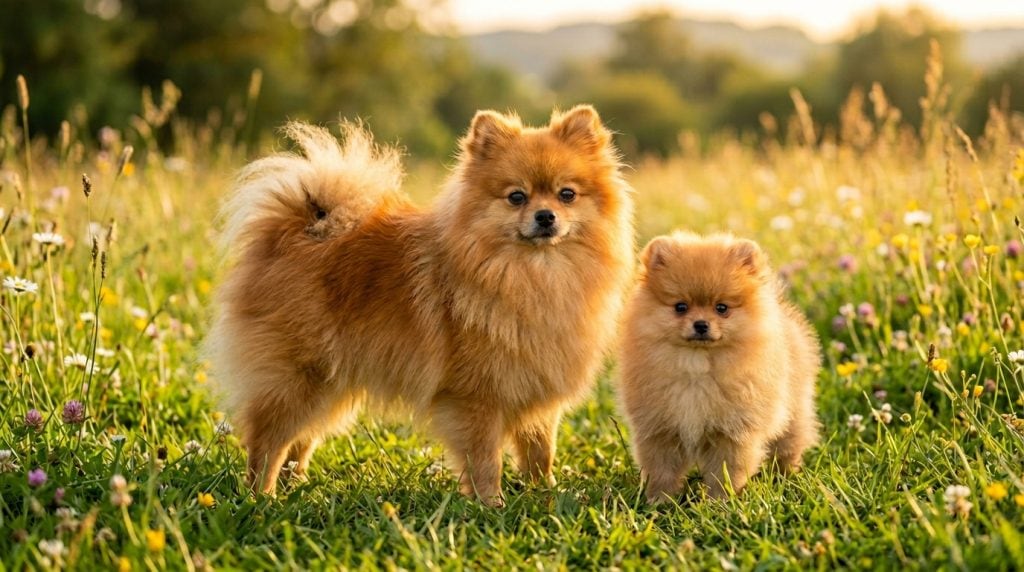
Living with a Pomeranian often means sharing your space with a spirited companion who brings a lively presence to the home. These small dogs have a big personality, frequently engaging with their surroundings and their people. Owners often find that Pomeranians thrive on interaction, making them a delightful addition to households that enjoy a bit of canine charisma.
At a glance
Core care
- Size: Small
- Energy: Moderate to high
- Grooming: Low
- Shedding: Moderate
Support style
- Sensitivity: Moderate
- Training style: Willing
Breed guide
Choose a section to explore. These notes describe common patterns, but individual dogs vary widely.
Living with a Pomeranian often means sharing your home with a small dog that approaches the world with confidence and curiosity. Many owners notice how these lively companions enjoy staying involved in household life, whether that means following their people from room to room or eagerly observing everything happening around them. Their alert and expressive nature reflects their Spitz heritage, where awareness and independence were valued traits.
Physically, Pomeranians are small but sturdy, with a distinctive fluffy double coat that gives them their iconic appearance. This coat, while beautiful, requires regular grooming to keep it looking its best and to prevent matting. Their small size makes them well-suited to indoor living, but they still appreciate time spent outdoors exploring and playing.
In terms of temperament, Pomeranians are often described as alert and inquisitive. They tend to be quite vocal, frequently alerting their owners to any new developments in their environment. This makes them attentive watchdogs despite their small stature. However, their spirited nature means they can sometimes be a bit stubborn, requiring patient and consistent training to bring out their best behaviour.
While Pomeranians are generally healthy and adaptable, individual dogs can vary widely in terms of personality and preferences. Some may be more laid-back, while others are constantly on the go. Prospective owners should be prepared for a dog that may not fit neatly into any one stereotype, and should be ready to embrace the unique quirks and charms of their particular Pomeranian.
Pomeranians are known for their social nature, often enjoying being the centre of attention. This breed tends to form strong bonds with their families, frequently seeking out interaction and affection. Many owners notice that their Pomeranian is happiest when involved in daily activities, whether that’s following them around the house or participating in family events.
Their social motivations often manifest as a desire to be included in everything. Pomeranians can be quite vocal, using their voices to communicate their needs and alert their owners to changes in their environment. This tendency can be endearing, though it may require some gentle guidance to ensure it doesn’t become excessive.
Sensitivity in Pomeranians is moderate, meaning they can be responsive to the moods and actions of their human companions. This sensitivity often makes them keenly aware of their owner’s emotions, and they may adjust their behaviour accordingly. It’s important for owners to be mindful of their own energy levels and stress, as Pomeranians can pick up on these cues.
Trainability in Pomeranians is generally good, as they are willing learners who enjoy pleasing their people. Positive reinforcement methods work well with this breed, and many owners find that consistency and patience are key to successful training. While they may have a stubborn streak, their eagerness to engage and learn often leads to rewarding training experiences.
A typical day for a Pomeranian involves a mix of physical activity and mental stimulation. While they don’t require extensive exercise like larger breeds, they do benefit from regular walks and play sessions. A couple of short walks each day, combined with some indoor playtime, usually suffice to keep them happy and healthy.
Given their moderate to high energy levels, Pomeranians enjoy activities that challenge their minds as well as their bodies. Puzzle toys and interactive games can be excellent ways to provide mental enrichment. These activities not only keep them entertained but also help prevent boredom-related behaviours.
As Pomeranians age, their exercise needs may change. Puppies and young adults tend to be more energetic and may require more frequent play sessions, while older Pomeranians might prefer shorter, more leisurely walks. It’s important for owners to adjust their routines to match their dog’s life stage and energy levels, ensuring they remain engaged and content.
Owners should avoid over-exercising their Pomeranian, particularly in hot weather, as their thick coats can lead to overheating. It’s also wise to monitor their activity levels and adjust as needed, ensuring they receive enough stimulation without becoming overstressed or fatigued.
Training a Pomeranian can be a rewarding experience, as they are typically eager to learn and enjoy pleasing their owners. Many owners find that training sessions feel more like a fun bonding activity than a chore, especially when using positive reinforcement techniques.
Consistency is crucial when training a Pomeranian, as their spirited nature can sometimes lead to stubbornness. Short, frequent training sessions that incorporate treats and praise often work best, keeping the dog engaged without overwhelming them. It’s important to be patient and persistent, as these little dogs can have a mind of their own at times.
Impulse control can be a challenge, particularly during adolescence. Pomeranians may become more independent and test boundaries during this stage, requiring owners to reinforce training and maintain clear expectations. Building a strong relationship based on trust and respect can help navigate these challenges more smoothly.
Overall, training a Pomeranian is about building a positive and supportive environment where the dog feels motivated to learn. By focusing on relationship-building and consistency, owners can help their Pomeranian develop into a well-mannered and confident companion.
Pomeranians tend to adapt well to various living environments, making them a versatile choice for many households. Their small size and moderate exercise needs mean they can thrive in both apartments and houses, as long as they receive enough attention and stimulation.
Owners often find that Pomeranians enjoy being part of a lively household where they can be involved in daily activities. They tend to do well with families, including those with older children who understand how to interact gently with small dogs. Supervision is key when young children are present, to ensure the safety and comfort of both the child and the dog.
When it comes to other pets, Pomeranians can coexist peacefully, particularly if socialised from a young age. However, their bold personalities mean they may try to assert themselves, even with larger animals. Careful introductions and monitoring are important to foster positive relationships.
Overall, a home that offers companionship, interaction, and a bit of structure often suits a Pomeranian well. Prospective owners should be prepared to engage with their dog regularly, providing the social and mental stimulation that these vibrant little dogs crave.
Health is a key component of a Pomeranian’s overall wellbeing, and owners should be proactive in maintaining their dog’s health. Regular veterinary check-ups are essential to monitor for common breed-related issues and to ensure that vaccinations and parasite prevention are up to date.
Pomeranians can be prone to certain health conditions, such as dental issues, patellar luxation, and tracheal collapse. Being aware of these potential concerns allows owners to take preventive measures, such as maintaining good dental hygiene and monitoring their dog’s weight to reduce stress on joints.
Behaviour can sometimes be an indicator of health issues. Changes in activity levels, appetite, or behaviour may signal underlying health problems, and owners should seek veterinary advice if they notice any concerning changes. Early intervention can often lead to better outcomes.
Preventive care, including a balanced diet and regular exercise, plays a crucial role in keeping a Pomeranian healthy. Owners should also be mindful of their dog’s environment, avoiding situations that could lead to injury or stress. By staying informed and attentive, owners can help ensure their Pomeranian enjoys a long, healthy life.
The Pomeranian’s history is rooted in the larger Spitz breeds of the Arctic regions, where they were originally used as sled dogs. Over time, these dogs were bred down in size, eventually becoming the small, lively companions we know today. The breed’s name comes from the Pomerania region, which is now part of northern Poland and Germany.
The transformation of the Pomeranian from a working dog to a companion animal was largely influenced by European nobility, who favoured smaller dogs. Queen Victoria of England played a significant role in popularising the breed during the 19th century, as she was an avid Pomeranian enthusiast and breeder. Her influence led to the development of the smaller, more refined Pomeranians that became fashionable in Victorian society.
This history of adaptation and refinement has contributed to the Pomeranian’s modern characteristics. Their bold and lively nature can be traced back to their working origins, where independence and alertness were valuable traits. Despite their reduced size, Pomeranians have retained a sense of self-assuredness and a keen awareness of their surroundings.
Today, Pomeranians continue to be popular for their charming personalities and adaptability. Their history as both working dogs and royal companions has shaped them into a breed that thrives on interaction and engagement, making them a beloved choice for those seeking a small yet spirited canine companion.
What shapes individual dogs
- Early social experiences
- Training approach
- Environment & routine
- Genetics & breeding
- Health & pain
- Age / life stage
Living with a Pomeranian often means sharing your home with a small dog that approaches the world with confidence and curiosity. Many owners notice how these lively companions enjoy staying involved in household life, whether that means following their people from room to room or eagerly observing everything happening around them. Their alert and expressive nature reflects their Spitz heritage, where awareness and independence were valued traits.
Physically, Pomeranians are small but sturdy, with a distinctive fluffy double coat that gives them their iconic appearance. This coat, while beautiful, requires regular grooming to keep it looking its best and to prevent matting. Their small size makes them well-suited to indoor living, but they still appreciate time spent outdoors exploring and playing.
In terms of temperament, Pomeranians are often described as alert and inquisitive. They tend to be quite vocal, frequently alerting their owners to any new developments in their environment. This makes them attentive watchdogs despite their small stature. However, their spirited nature means they can sometimes be a bit stubborn, requiring patient and consistent training to bring out their best behaviour.
While Pomeranians are generally healthy and adaptable, individual dogs can vary widely in terms of personality and preferences. Some may be more laid-back, while others are constantly on the go. Prospective owners should be prepared for a dog that may not fit neatly into any one stereotype, and should be ready to embrace the unique quirks and charms of their particular Pomeranian.
Pomeranians are known for their social nature, often enjoying being the centre of attention. This breed tends to form strong bonds with their families, frequently seeking out interaction and affection. Many owners notice that their Pomeranian is happiest when involved in daily activities, whether that’s following them around the house or participating in family events.
Their social motivations often manifest as a desire to be included in everything. Pomeranians can be quite vocal, using their voices to communicate their needs and alert their owners to changes in their environment. This tendency can be endearing, though it may require some gentle guidance to ensure it doesn’t become excessive.
Sensitivity in Pomeranians is moderate, meaning they can be responsive to the moods and actions of their human companions. This sensitivity often makes them keenly aware of their owner’s emotions, and they may adjust their behaviour accordingly. It’s important for owners to be mindful of their own energy levels and stress, as Pomeranians can pick up on these cues.
Trainability in Pomeranians is generally good, as they are willing learners who enjoy pleasing their people. Positive reinforcement methods work well with this breed, and many owners find that consistency and patience are key to successful training. While they may have a stubborn streak, their eagerness to engage and learn often leads to rewarding training experiences.
A typical day for a Pomeranian involves a mix of physical activity and mental stimulation. While they don’t require extensive exercise like larger breeds, they do benefit from regular walks and play sessions. A couple of short walks each day, combined with some indoor playtime, usually suffice to keep them happy and healthy.
Given their moderate to high energy levels, Pomeranians enjoy activities that challenge their minds as well as their bodies. Puzzle toys and interactive games can be excellent ways to provide mental enrichment. These activities not only keep them entertained but also help prevent boredom-related behaviours.
As Pomeranians age, their exercise needs may change. Puppies and young adults tend to be more energetic and may require more frequent play sessions, while older Pomeranians might prefer shorter, more leisurely walks. It’s important for owners to adjust their routines to match their dog’s life stage and energy levels, ensuring they remain engaged and content.
Owners should avoid over-exercising their Pomeranian, particularly in hot weather, as their thick coats can lead to overheating. It’s also wise to monitor their activity levels and adjust as needed, ensuring they receive enough stimulation without becoming overstressed or fatigued.
Training a Pomeranian can be a rewarding experience, as they are typically eager to learn and enjoy pleasing their owners. Many owners find that training sessions feel more like a fun bonding activity than a chore, especially when using positive reinforcement techniques.
Consistency is crucial when training a Pomeranian, as their spirited nature can sometimes lead to stubbornness. Short, frequent training sessions that incorporate treats and praise often work best, keeping the dog engaged without overwhelming them. It’s important to be patient and persistent, as these little dogs can have a mind of their own at times.
Impulse control can be a challenge, particularly during adolescence. Pomeranians may become more independent and test boundaries during this stage, requiring owners to reinforce training and maintain clear expectations. Building a strong relationship based on trust and respect can help navigate these challenges more smoothly.
Overall, training a Pomeranian is about building a positive and supportive environment where the dog feels motivated to learn. By focusing on relationship-building and consistency, owners can help their Pomeranian develop into a well-mannered and confident companion.
Pomeranians tend to adapt well to various living environments, making them a versatile choice for many households. Their small size and moderate exercise needs mean they can thrive in both apartments and houses, as long as they receive enough attention and stimulation.
Owners often find that Pomeranians enjoy being part of a lively household where they can be involved in daily activities. They tend to do well with families, including those with older children who understand how to interact gently with small dogs. Supervision is key when young children are present, to ensure the safety and comfort of both the child and the dog.
When it comes to other pets, Pomeranians can coexist peacefully, particularly if socialised from a young age. However, their bold personalities mean they may try to assert themselves, even with larger animals. Careful introductions and monitoring are important to foster positive relationships.
Overall, a home that offers companionship, interaction, and a bit of structure often suits a Pomeranian well. Prospective owners should be prepared to engage with their dog regularly, providing the social and mental stimulation that these vibrant little dogs crave.
Health is a key component of a Pomeranian’s overall wellbeing, and owners should be proactive in maintaining their dog’s health. Regular veterinary check-ups are essential to monitor for common breed-related issues and to ensure that vaccinations and parasite prevention are up to date.
Pomeranians can be prone to certain health conditions, such as dental issues, patellar luxation, and tracheal collapse. Being aware of these potential concerns allows owners to take preventive measures, such as maintaining good dental hygiene and monitoring their dog’s weight to reduce stress on joints.
Behaviour can sometimes be an indicator of health issues. Changes in activity levels, appetite, or behaviour may signal underlying health problems, and owners should seek veterinary advice if they notice any concerning changes. Early intervention can often lead to better outcomes.
Preventive care, including a balanced diet and regular exercise, plays a crucial role in keeping a Pomeranian healthy. Owners should also be mindful of their dog’s environment, avoiding situations that could lead to injury or stress. By staying informed and attentive, owners can help ensure their Pomeranian enjoys a long, healthy life.
The Pomeranian’s history is rooted in the larger Spitz breeds of the Arctic regions, where they were originally used as sled dogs. Over time, these dogs were bred down in size, eventually becoming the small, lively companions we know today. The breed’s name comes from the Pomerania region, which is now part of northern Poland and Germany.
The transformation of the Pomeranian from a working dog to a companion animal was largely influenced by European nobility, who favoured smaller dogs. Queen Victoria of England played a significant role in popularising the breed during the 19th century, as she was an avid Pomeranian enthusiast and breeder. Her influence led to the development of the smaller, more refined Pomeranians that became fashionable in Victorian society.
This history of adaptation and refinement has contributed to the Pomeranian’s modern characteristics. Their bold and lively nature can be traced back to their working origins, where independence and alertness were valuable traits. Despite their reduced size, Pomeranians have retained a sense of self-assuredness and a keen awareness of their surroundings.
Today, Pomeranians continue to be popular for their charming personalities and adaptability. Their history as both working dogs and royal companions has shaped them into a breed that thrives on interaction and engagement, making them a beloved choice for those seeking a small yet spirited canine companion.
What shapes individual dogs
- Early social experiences
- Training approach
- Environment & routine
- Genetics & breeding
- Health & pain
- Age / life stage
Want support with this?
This course is ideal for Pomeranian owners, especially those new to the breed, to help navigate early training and socialisation challenges.