
Signs of Poisoning in Dogs: Understanding the Risks and Warning Signs
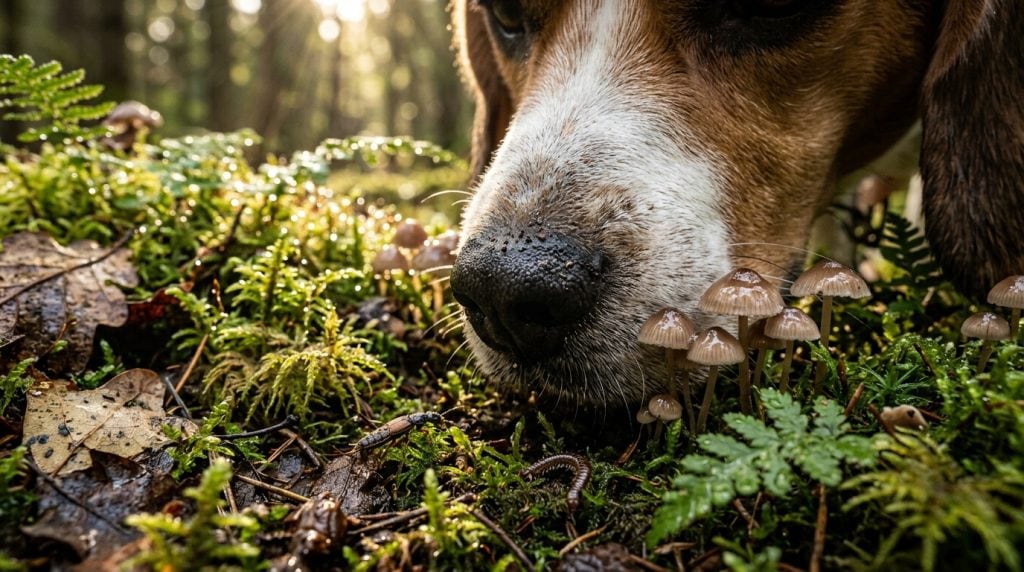
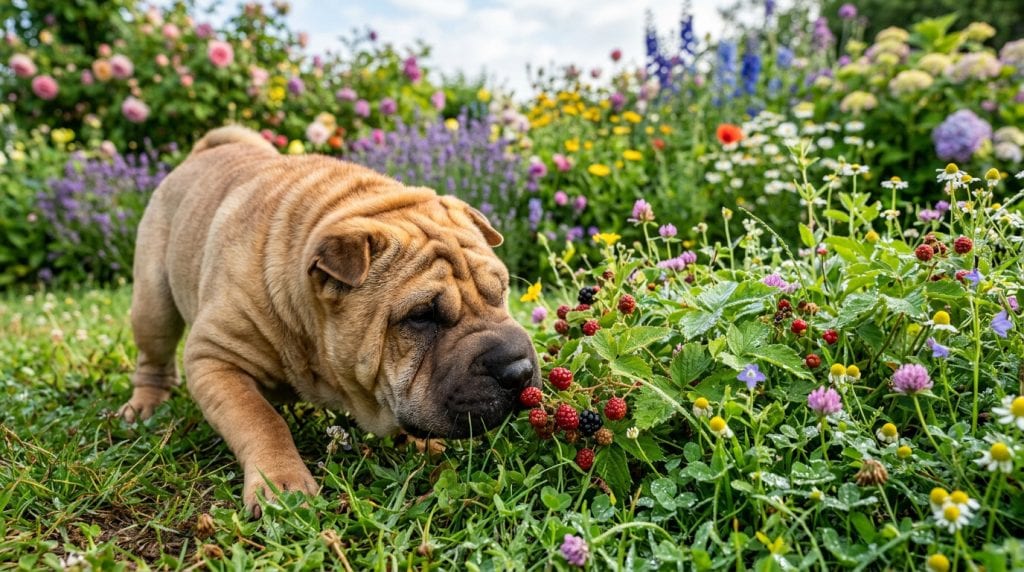
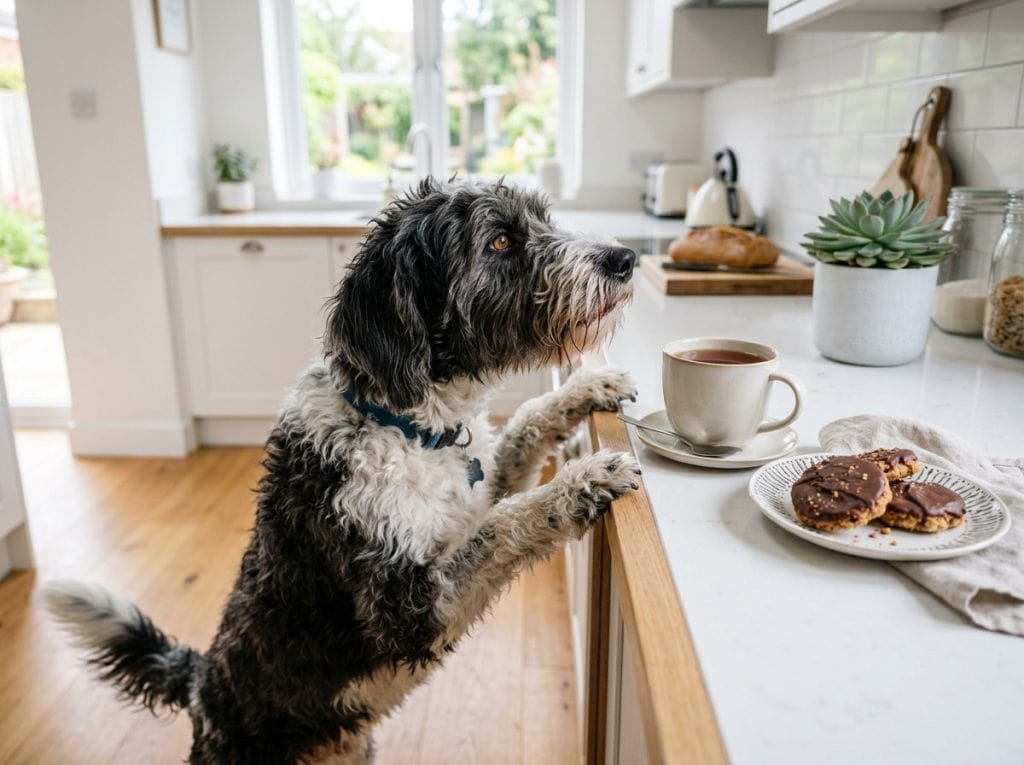
Life with a dog often includes moments of curiosity. A dog might pause during a walk to sniff something unusual, investigate a fallen piece of food in the kitchen, or quietly chew something they’ve discovered in the garden.
Most of the time these moments pass without any real consequence.
But occasionally a dog may swallow something that isn’t safe.
Sometimes an owner notices straight away. Other times the dog may begin behaving differently later in the day, appearing unsettled or unwell without any obvious explanation.
Situations like these can leave owners wondering whether their dog may have eaten something harmful. Understanding how poisoning happens, and recognising the signs that something may be wrong, helps owners respond calmly and seek help when it’s needed.
Why Dogs Sometimes Eat Harmful Things
Dogs experience the world very differently from people. Their sense of smell guides much of their behaviour, and many dogs naturally investigate unfamiliar objects using their mouths.
Something that smells interesting can quickly become something worth tasting.
This curiosity is part of normal canine behaviour, but it also means dogs occasionally encounter things that may not be safe for them to swallow.
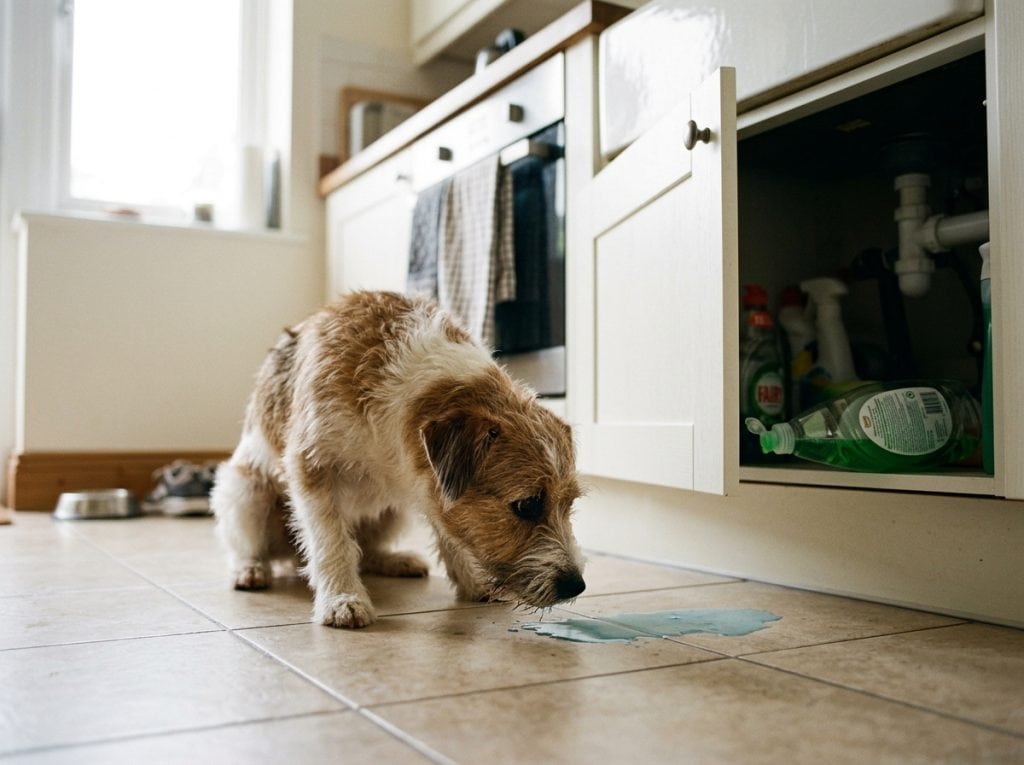
Food left within reach, objects discovered during a walk, or substances found in the garden can all attract a dog’s attention. In many cases the dog may eat or lick something before an owner even realises what has happened.
Understanding this natural curiosity helps explain why poisoning can sometimes occur even in well-supervised environments.
Why Some Substances Affect Dogs Differently
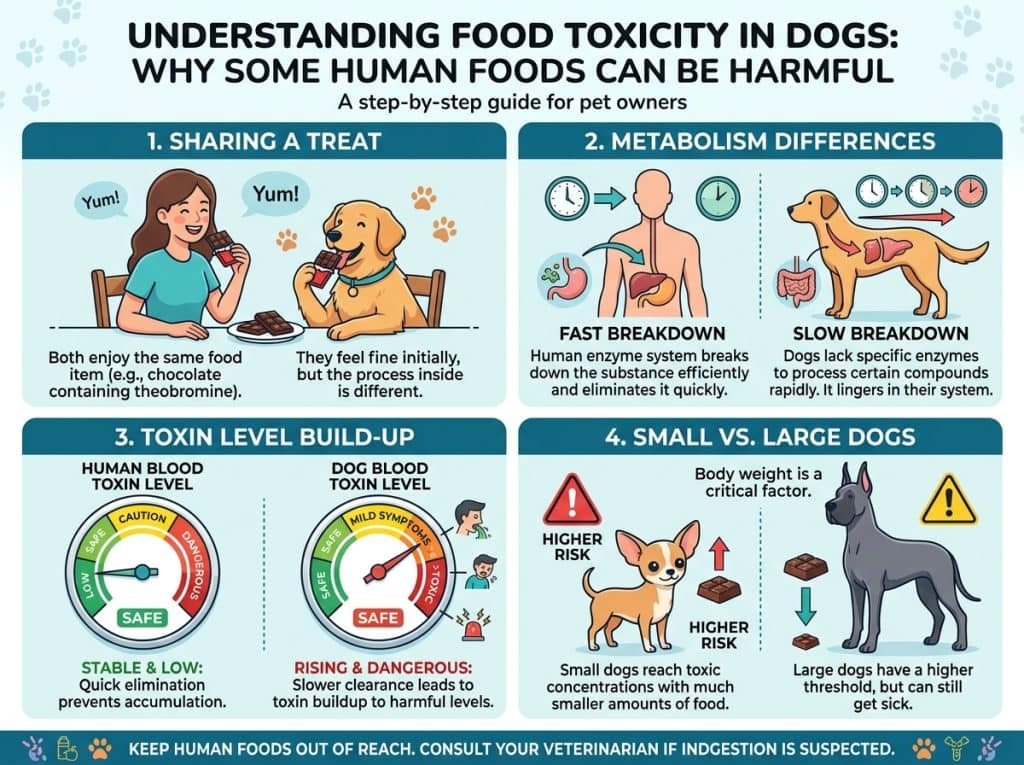
One of the reasons poisoning can be confusing for owners is that substances which seem harmless to people can affect dogs very differently.
Dogs process certain foods and chemicals in ways that are not always the same as humans. A small amount of something that appears harmless in the kitchen may cause a dog’s body to react in unexpected ways.
Body size also plays a role. A substance that might cause only mild symptoms in a larger dog could affect a smaller dog much more seriously. Because of this, even small quantities of some substances can sometimes lead to noticeable changes in behaviour or health.
Understanding that dogs respond differently to certain foods and chemicals helps explain why situations that appear minor at first should still be taken seriously.
Everyday Situations Where Problems Can Occur
Many cases of poisoning do not involve unusual or dramatic situations. Instead, they often happen during ordinary moments in a dog’s daily routine.
A dog might swallow food that has fallen onto the floor, investigate something dropped during cooking, or chew an object that carries an unfamiliar scent. Outside, dogs exploring gardens or parks may encounter substances or plants that are harmless to humans but potentially dangerous to dogs.
Because these situations often develop quickly, owners may only realise something has happened after noticing that their dog’s behaviour has changed.
Recognising that these everyday environments can occasionally present risks helps owners remain aware without becoming overly worried.
Outdoor Situations That Can Present Risks
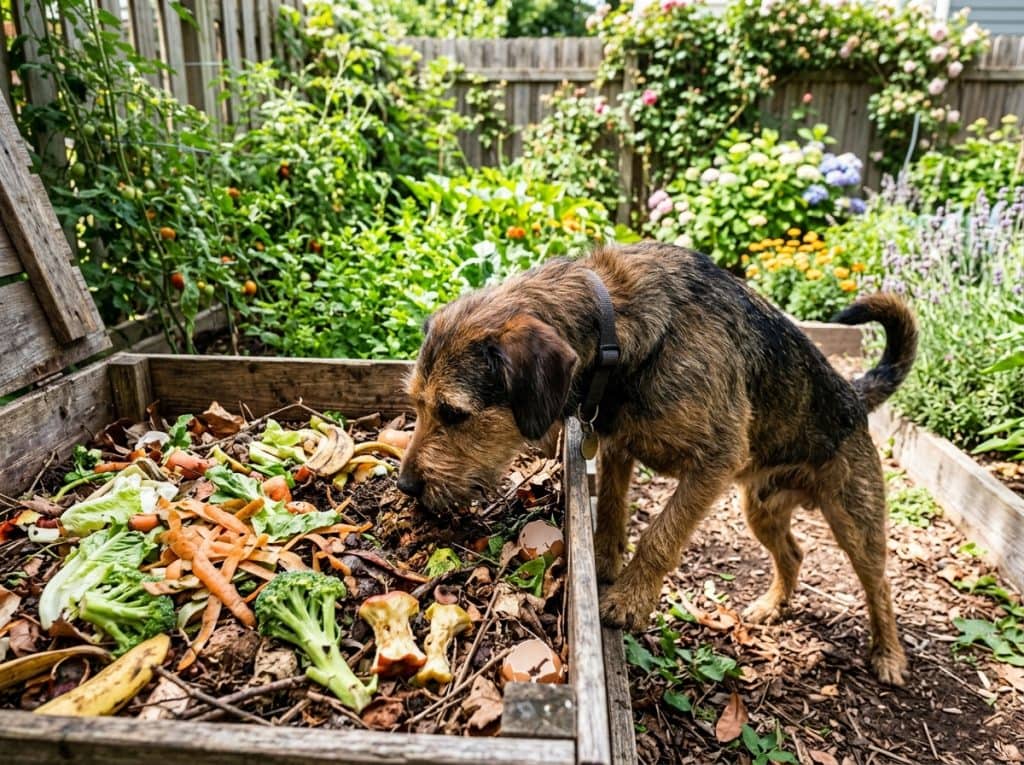
Many owners think about poisoning as something that happens mainly inside the home, but outdoor environments can also present risks for curious dogs.
During walks, dogs may encounter discarded food, unknown substances, or objects that carry strong smells. In gardens, dogs may investigate plants, fertilisers, or treatments used to maintain lawns and flower beds.
Because dogs often explore quickly, they may swallow or lick something before an owner notices.
This doesn’t mean outdoor environments are unsafe, but it does highlight why paying attention to what a dog is investigating can sometimes prevent problems before they develop.
When Something Doesn’t Seem Right
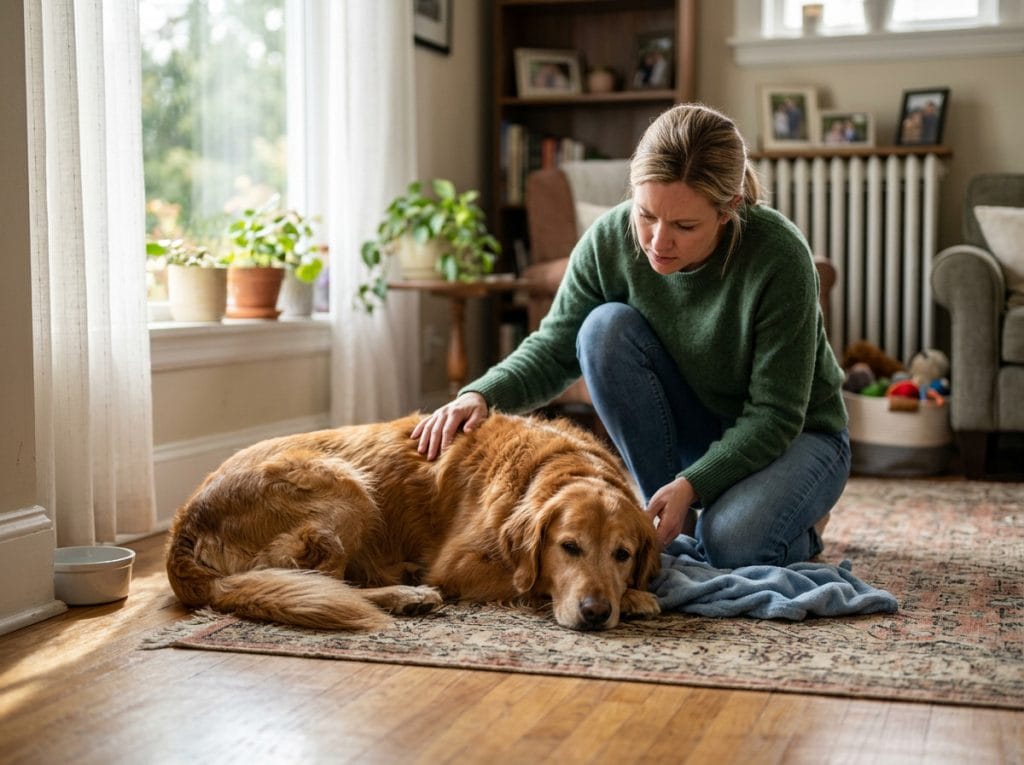
Dogs often show subtle signs when they are feeling unwell. After swallowing something harmful, a dog’s behaviour may begin to change in ways that owners recognise as unusual.
Some dogs may appear restless or uncomfortable, while others may become unusually quiet or withdrawn. Changes in appetite, vomiting, drooling, trembling, or difficulty breathing may also appear depending on what has been consumed.
These signs do not always mean that poisoning has occurred, but they can indicate that a dog’s body is reacting to something that isn’t safe.
Whenever a dog suddenly becomes unwell or begins behaving in ways that feel unusual, it is always sensible to take those changes seriously.

Why Quick Action Matters
When poisoning does occur, responding quickly can make a significant difference. Many substances affect dogs gradually, which means early veterinary treatment often improves the chances of a full recovery.
If an owner suspects that their dog may have swallowed something harmful, contacting a veterinarian for advice is usually the safest step. Even if the situation turns out to be less serious than expected, seeking guidance provides reassurance and helps ensure the dog receives the right care.
Attempting to treat poisoning at home without proper guidance can sometimes make the situation worse, which is why professional advice is always recommended.
When Something Has Already Been Swallowed
Sometimes owners see exactly what their dog has eaten. Other times the situation may be less clear, and a dog may simply begin showing signs of illness later.
In these situations, the most helpful step is often to remain calm and contact a veterinarian for advice. Providing clear information about what the dog may have eaten, when it happened, and what symptoms have appeared can help a vet decide how best to respond.
Trying to solve the situation alone can sometimes delay the treatment a dog may need, which is why professional guidance is always the safest option when poisoning is suspected.

Preventing Poisoning Through Awareness
Although poisoning can sometimes happen unexpectedly, many risks can be reduced through simple awareness.
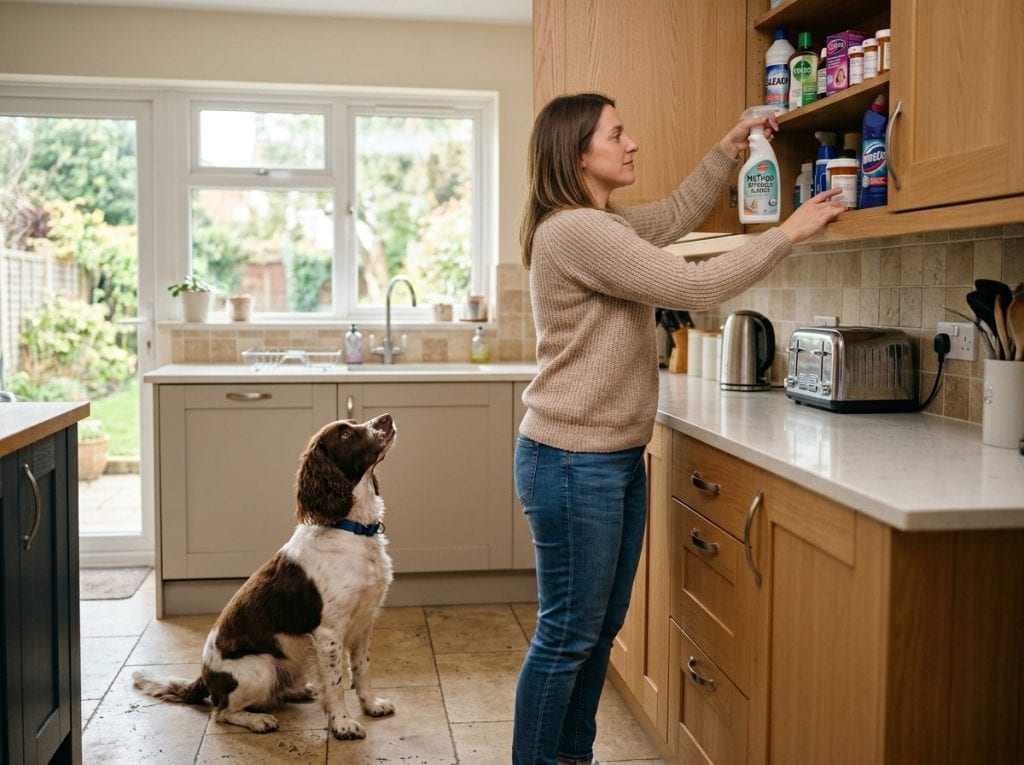
Keeping potentially harmful foods, medications, and chemicals safely stored helps prevent accidents at home. Paying attention to what a dog may pick up during walks or while exploring the garden can also reduce risk.
Most importantly, understanding that dogs naturally investigate their surroundings reminds owners that curiosity is part of normal behaviour. With a little awareness and preparation, these everyday moments can remain safe and enjoyable.
Staying Calm if Something Happens
If a dog does swallow something harmful, the situation can feel frightening for any owner. Remaining calm, however, helps both the dog and the person responding to the situation.
Dogs often respond to the emotions of the people around them. A calm approach makes it easier to assess what may have happened and to seek help quickly.
Having a basic understanding of how to recognise poisoning and when to contact a veterinarian allows owners to respond more confidently during these unexpected moments.
Explore More Dog Health & Safety Topics
This topic forms part of our Dog Health & Safety guide, where we explore common risks, prevention, and practical ways owners can help keep their dogs safe and healthy.

Looking ahead
As we continue through this section, we’ll begin exploring simple first aid knowledge for dog owners — the kind of practical understanding that helps you stay calm and respond confidently when something unexpected happens.
These topics form part of our upcoming Dog First Aid: A Practical Guide, designed to give owners clear, practical knowledge for everyday situations.