
How Cold Is Too Cold for Dogs? Signs, Risks and Cold Weather Safety
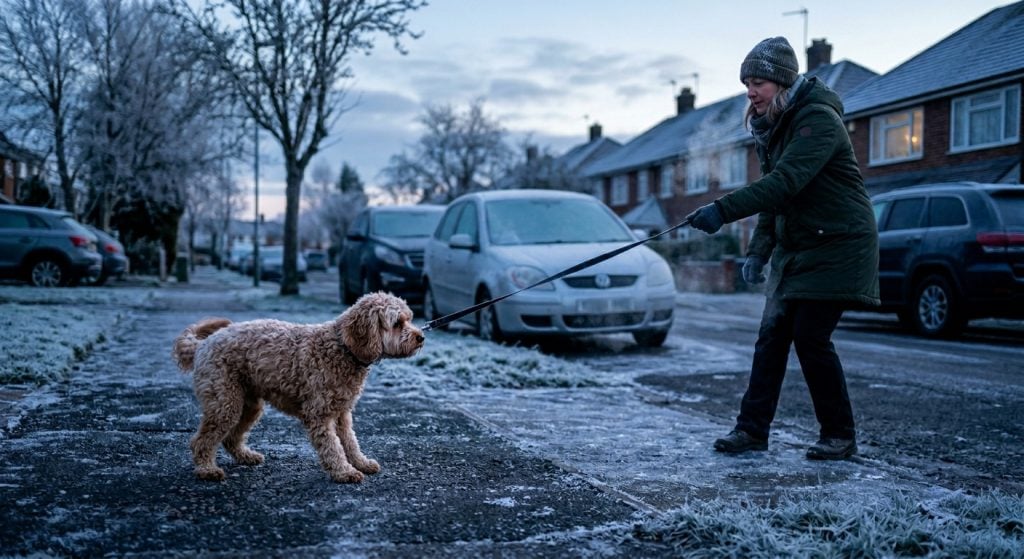
On a cold winter morning, many dogs still rush eagerly toward the door when they know it’s time to go outside. The fresh air and familiar routines of the day often feel exciting, even when the temperature has dropped.
But sometimes an owner notices something different.
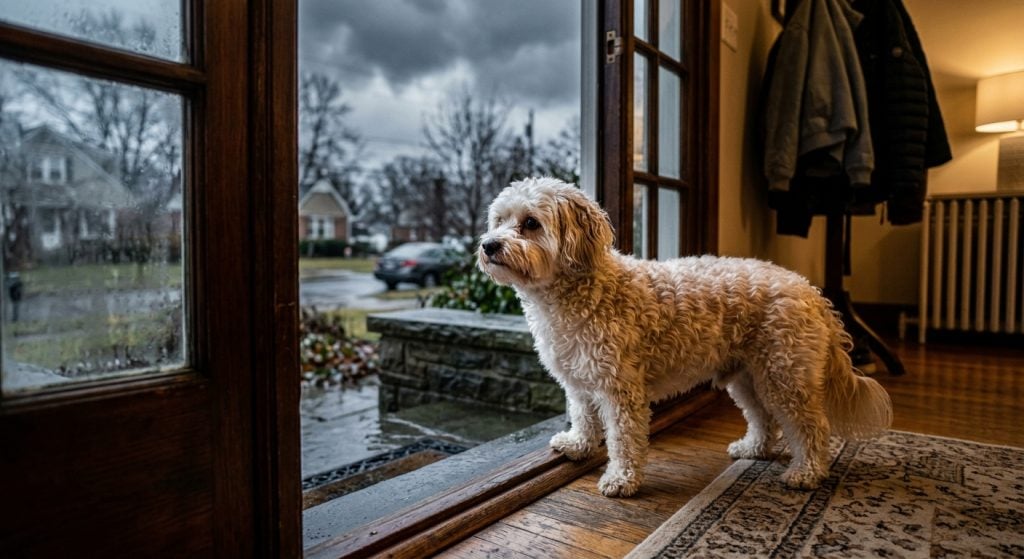
A dog that normally enjoys the garden may step outside briefly, pause, and then look back toward the door as if asking to come back in. Others may begin to shiver after only a short time outdoors, even when the weather doesn’t feel especially cold to us.
Moments like these can leave owners wondering how cold is too cold for dogs, and whether the temperature could begin affecting them more seriously. In very cold conditions, dogs can lose body heat faster than they can replace it, which may eventually lead to a dangerous condition known as hypothermia.
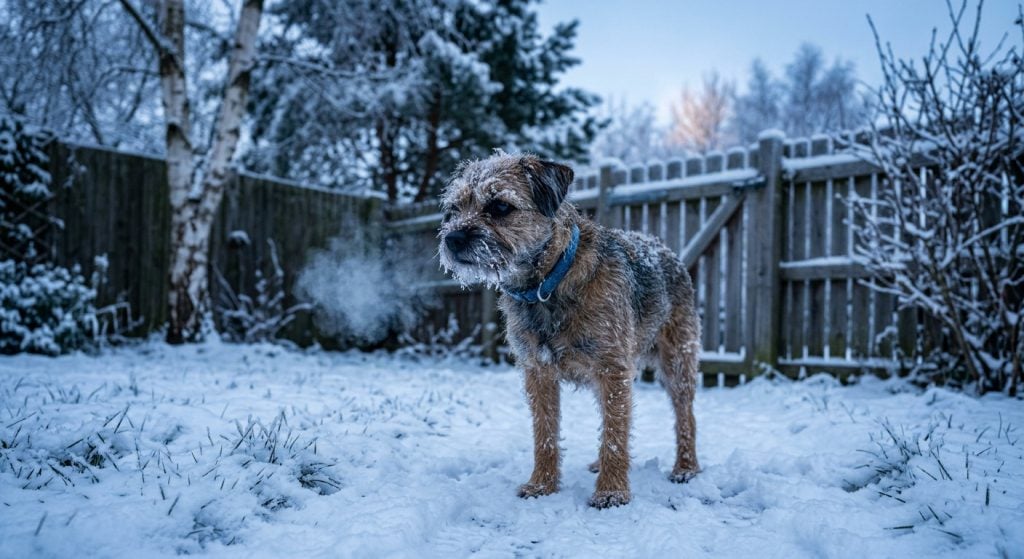
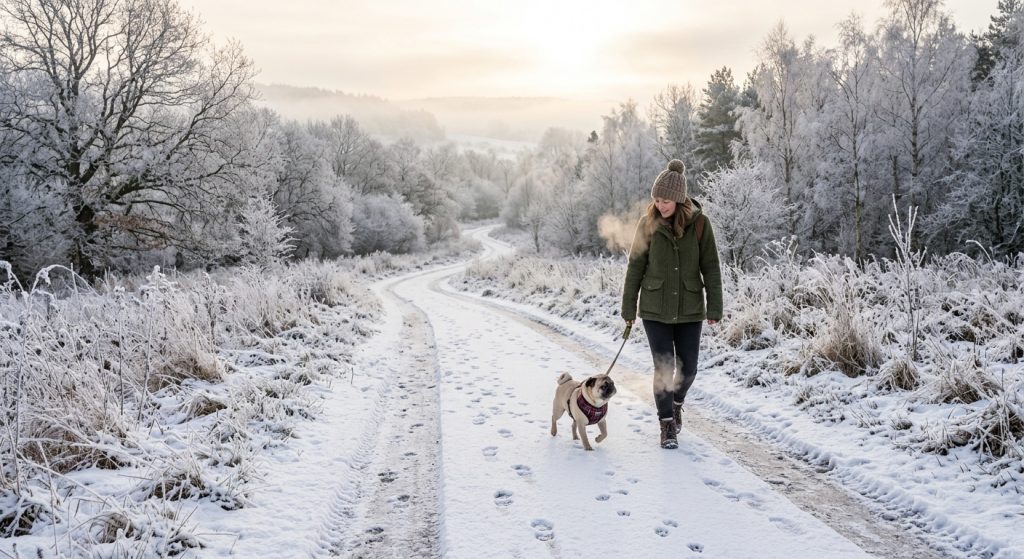
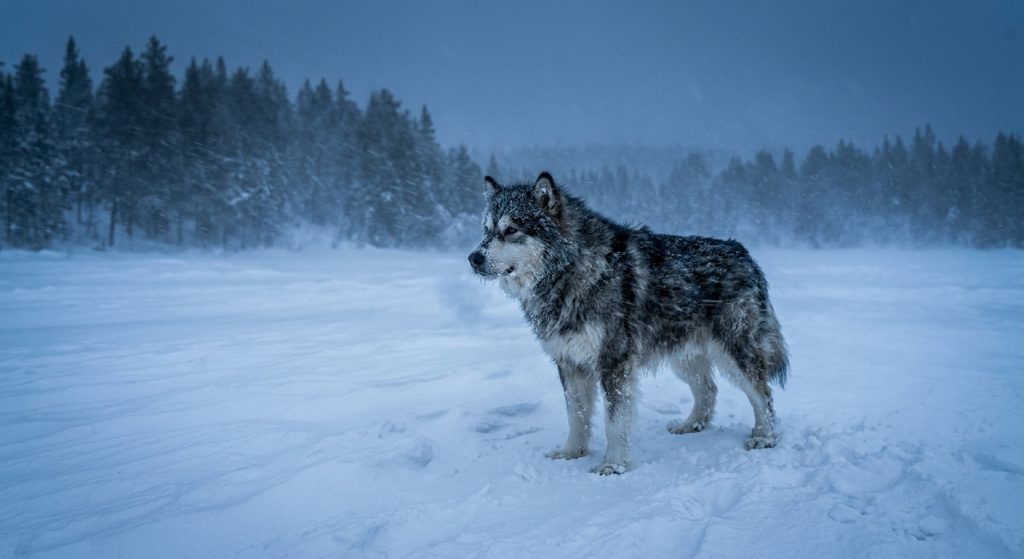
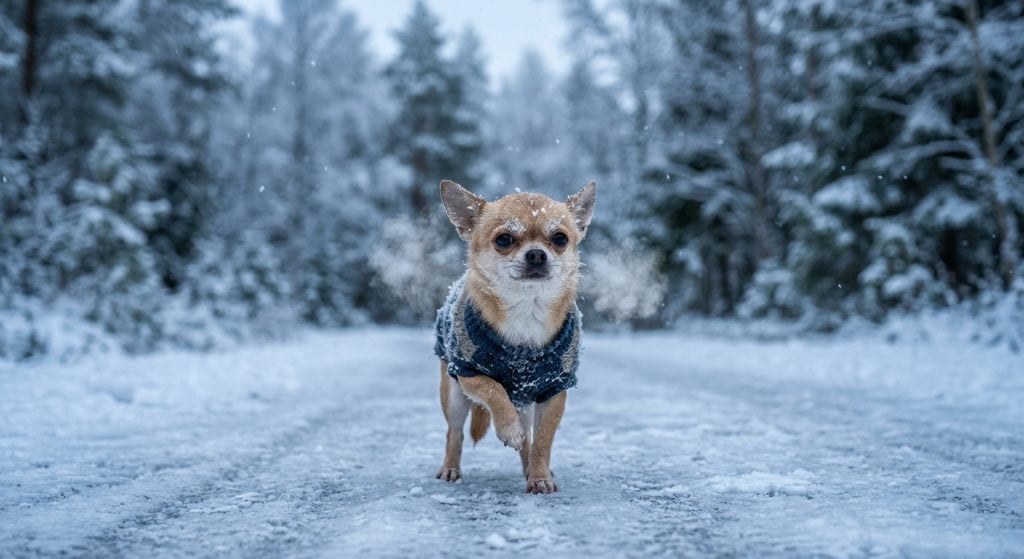
Why Cold Weather Affects Dogs Differently
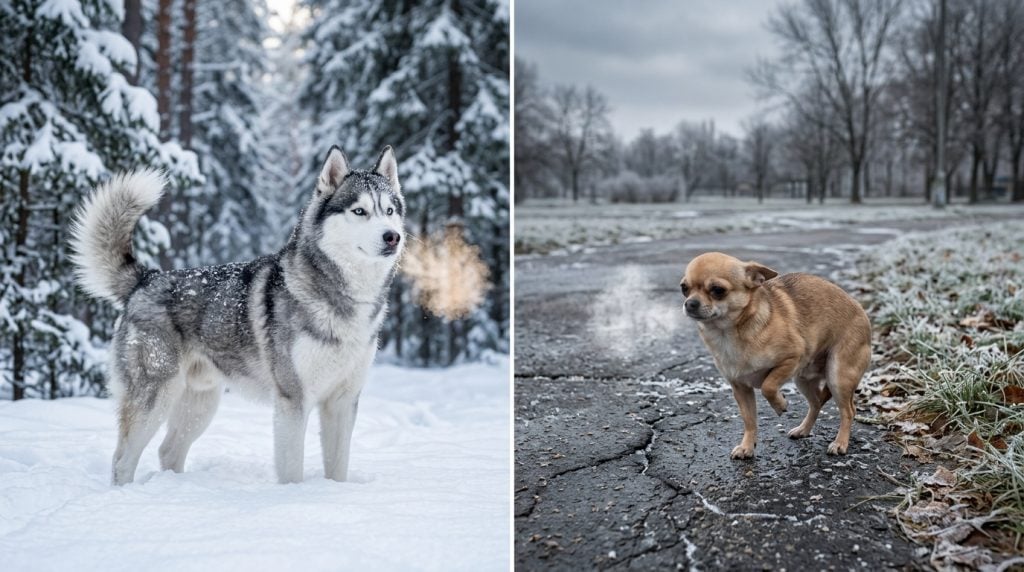
Dogs don’t all respond to cold temperatures in the same way. Some breeds, particularly those with thick coats, are naturally better suited to colder climates. Others have much less protection from the cold and can become uncomfortable very quickly.
A dog’s size, coat type, age, and overall health all influence how well they tolerate colder weather. Smaller dogs and those with shorter coats tend to lose body heat more quickly. Puppies, older dogs, and dogs that are already unwell may also struggle to stay warm.
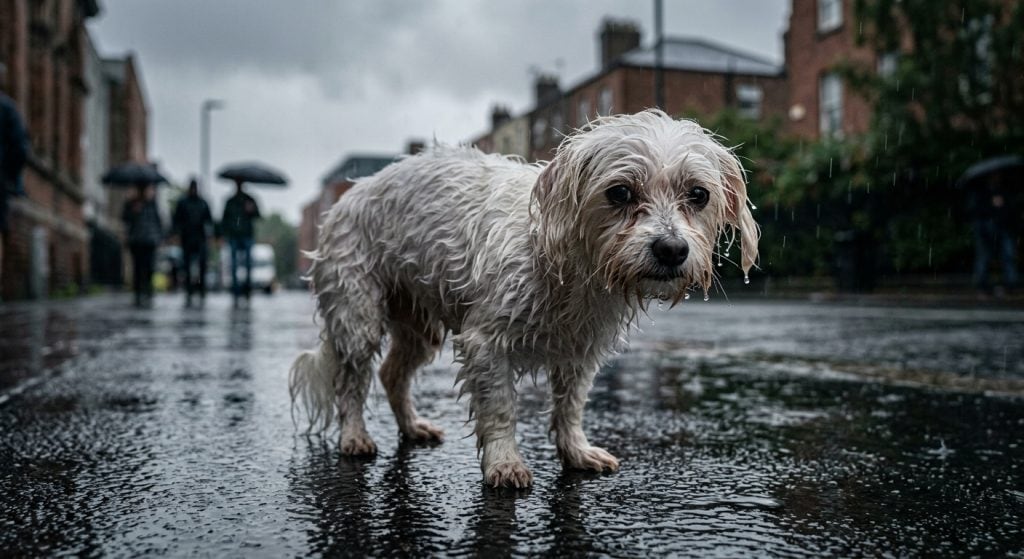
Cold temperatures can also feel more intense when combined with wind, rain, or damp conditions. A wet coat loses much of its ability to insulate, which means a dog may begin to feel cold far sooner than expected.
For these reasons, weather that feels only mildly cold to us can sometimes affect dogs much more strongly.
What Hypothermia in Dogs Means
Hypothermia occurs when a dog’s body temperature drops below the level needed for normal body functions to continue safely. When this happens, the body begins to lose heat faster than it can produce it.
In the early stages, a dog may simply appear cold or uncomfortable. As body temperature continues to fall, however, the situation can become more serious.
While hypothermia is not common during ordinary winter outings, it can develop if a dog remains exposed to cold conditions for too long, especially when the dog is small, wet, or already weakened.
Understanding the early signs helps owners act before the situation becomes dangerous.
How Cold Is Too Cold for Dogs?
Many owners wonder how cold is too cold for dogs and whether there is a specific temperature that becomes unsafe. In reality, there is no single number that applies to every dog.
Some dogs with thick coats may tolerate freezing temperatures for short periods, while others may begin to feel uncomfortable when the weather drops much lower than we might expect.
Instead of focusing only on temperature, it is often more helpful to observe how a dog is responding to the environment. If a dog begins to hesitate outside, shiver, slow down, or look for shelter, these may be signs that the cold is becoming uncomfortable.
Weather conditions also play a role. Wind, rain, and damp ground can cause dogs to lose body heat much faster than dry, still air.
Paying attention to a dog’s behaviour is often the most reliable way to judge when the cold is beginning to affect them.
Cold Water Can Cool Dogs Quickly
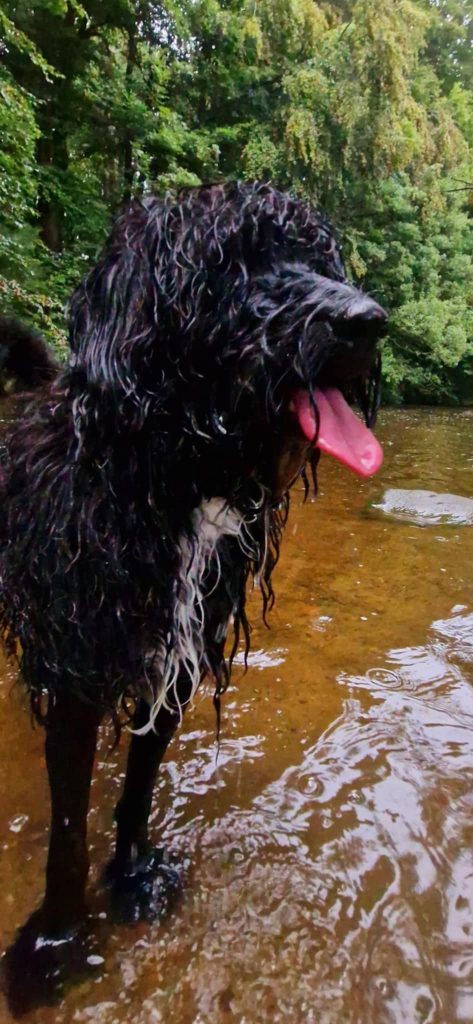
Cold weather isn’t the only situation where dogs can lose body heat. Rivers, lakes, and the sea can also cause dogs to become cold surprisingly quickly.
Water removes body heat far faster than air, which means a dog that enters cold water may begin to lose warmth even if the surrounding weather doesn’t feel especially cold.
Many dogs enjoy swimming or retrieving objects from the water, particularly during walks near rivers or the coast. While this can be great exercise, it’s important for owners to remain aware of how long a dog spends in cold water, especially during cooler months.
A wet coat also provides far less insulation. After leaving the water, dogs may begin to shiver as their body temperature starts to drop.
Drying a dog thoroughly and allowing them to warm up after swimming helps reduce the risk of them becoming dangerously cold.
Signs That a Dog May Be Too Cold
Dogs often show subtle signs when they are becoming too cold. These signals help owners recognise when it may be time to bring the dog indoors and warm them up.
Some common signs include:
• shivering or trembling
• slowing down or refusing to continue walking
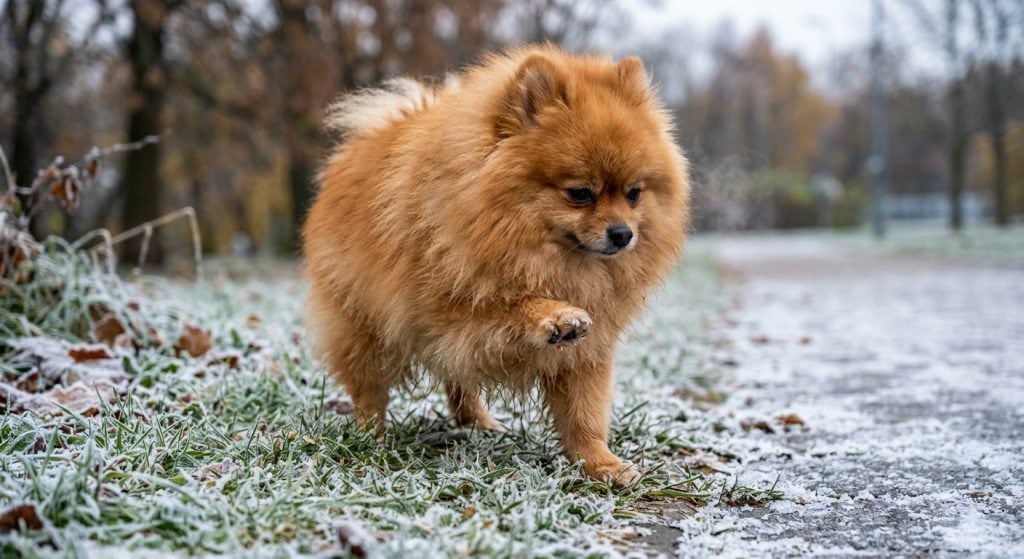
• lifting paws off the ground repeatedly
• seeking warmth or trying to return indoors
• appearing unusually quiet or tired
If exposure to cold continues, symptoms can become more serious. A dog may become weak, confused, or unresponsive. At this stage, the situation should be treated as an emergency and veterinary help should be sought as quickly as possible.
Recognising the early signs allows owners to respond before the cold becomes dangerous.
What to Do If Your Dog Becomes Too Cold
If a dog begins to show signs of being too cold, the most important step is to move them into a warmer environment as soon as possible.
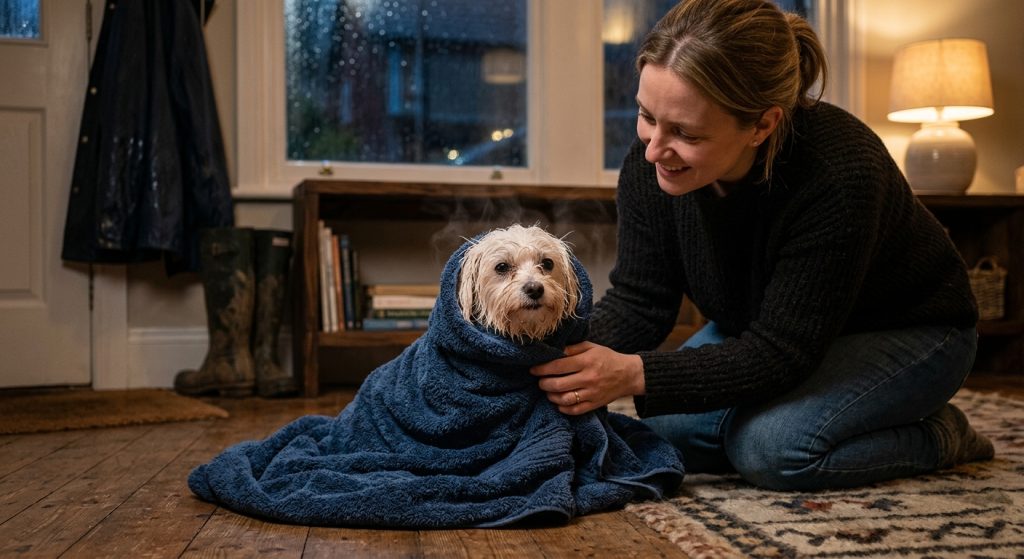
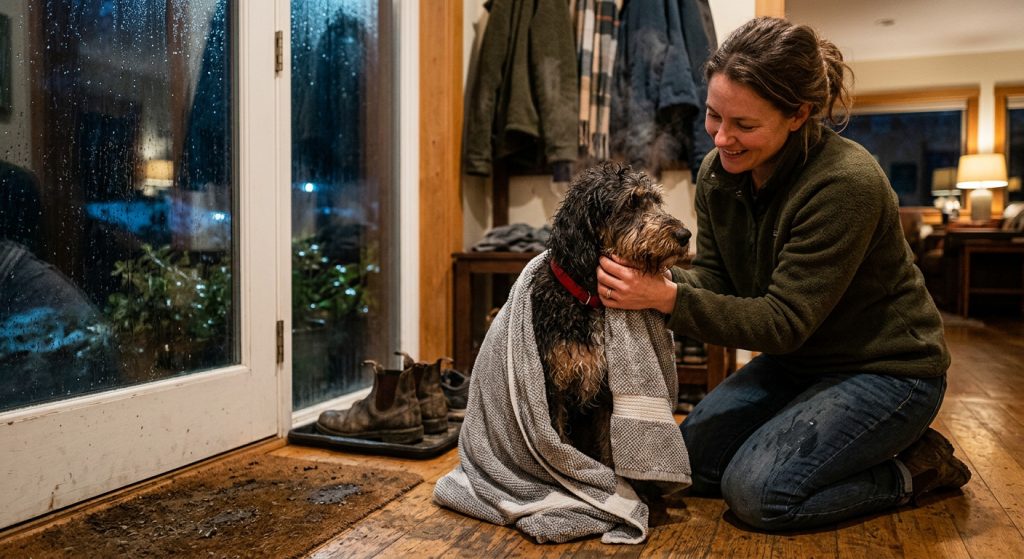
Drying a wet dog, wrapping them in a warm blanket, and allowing them to warm up gradually indoors can help restore normal body temperature. Sudden or extreme heat should be avoided, as warming a dog too quickly can sometimes cause additional problems.
If a dog appears weak, disoriented, or unusually lethargic after exposure to cold temperatures, it is safest to contact a veterinarian for advice.
In these situations, it is always better to seek professional guidance rather than wait to see if symptoms improve on their own.


Preventing Hypothermia in Cold Weather
Preventing hypothermia is usually straightforward once owners understand how cold weather affects their dog.
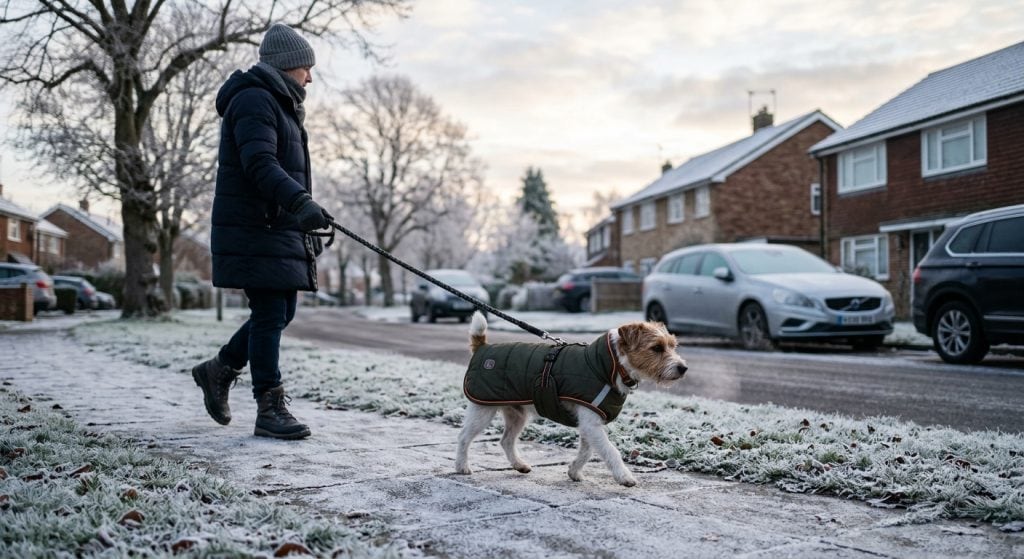
Limiting time outdoors during very cold conditions, keeping walks shorter when temperatures drop, and ensuring dogs are dried properly after rain or snow can all help reduce risk.
Some dogs may also benefit from wearing a coat during colder months, particularly small breeds or those with short fur. Providing warm, dry sleeping areas indoors also helps dogs maintain their normal body temperature.
Most importantly, observing how a dog responds to the weather often provides the clearest indication of when conditions may be becoming uncomfortable.
Understanding Your Dog’s Needs
Every dog experiences the world differently, and that includes how they respond to changing temperatures. While some dogs thrive in colder weather, others are far more sensitive to the cold.
Learning to recognise these differences helps owners adapt routines and environments to suit their dog’s needs. Paying attention to behaviour, noticing subtle signs of discomfort, and responding early can prevent minor situations from becoming more serious.
With a little awareness and preparation, cold weather can remain a safe and enjoyable part of life for both dogs and their owners.
Explore More Dog Health & Safety Topics
This topic forms part of our Dog Health & Safety guide, where we explore common risks, prevention, and practical ways owners can help keep their dogs safe and healthy.

Looking ahead
As we continue through this section, we’ll begin exploring simple first aid knowledge for dog owners — the kind of practical understanding that helps you stay calm and respond confidently when something unexpected happens.
These topics form part of our upcoming Dog First Aid: A Practical Guide, designed to give owners clear, practical knowledge for everyday situations.